Regional Cooperation for Safer Future: Early Warning Systems for GLOFs

Women-Led Expedition Empowers and Educates in Central Asia’s High Mountains
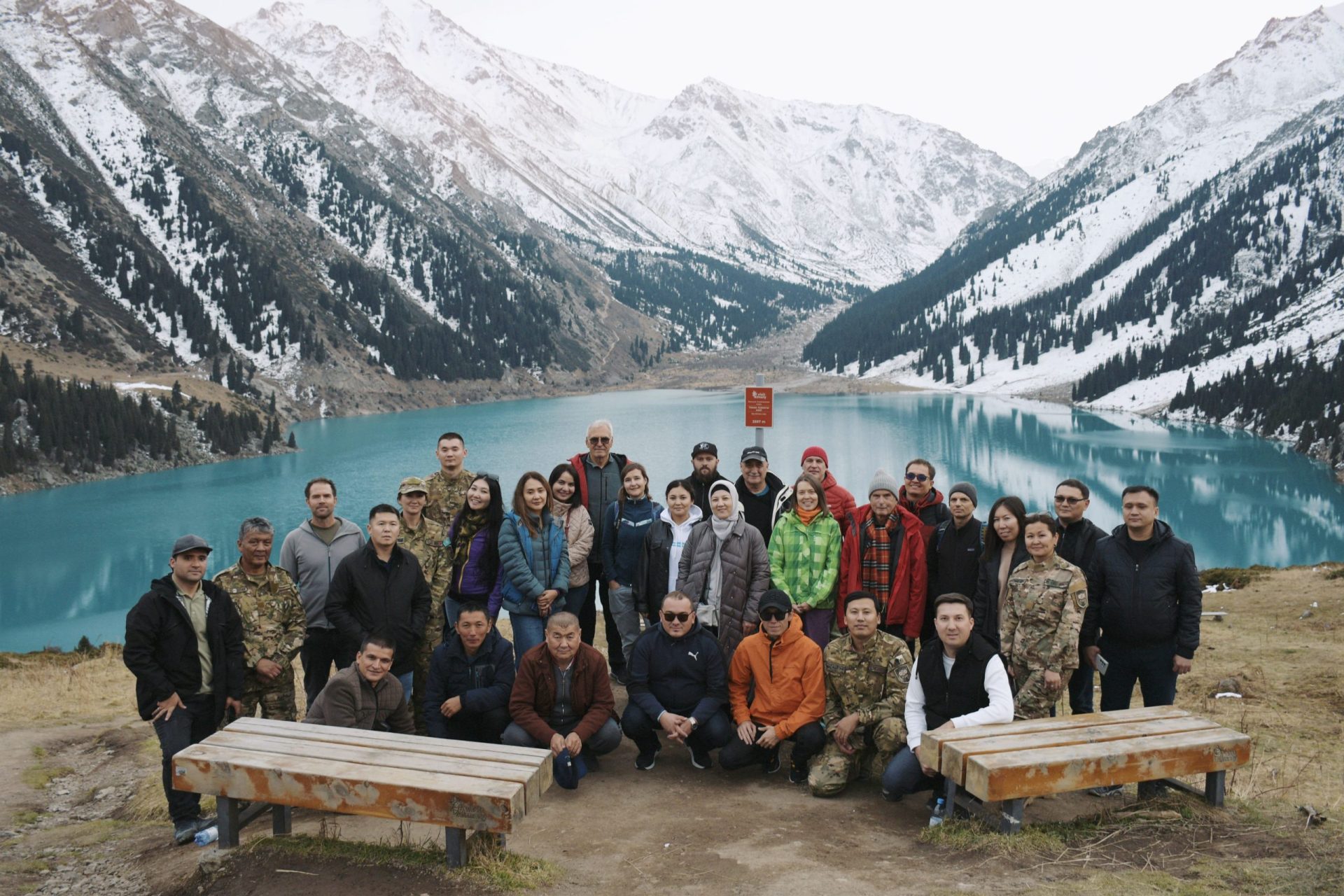
In the recent ‘Adventure of Science: Women and Glaciers in Central Asia’ expedition, the focus on climate change adaptation empowered a new generation of young explorers, scientists, and leaders.
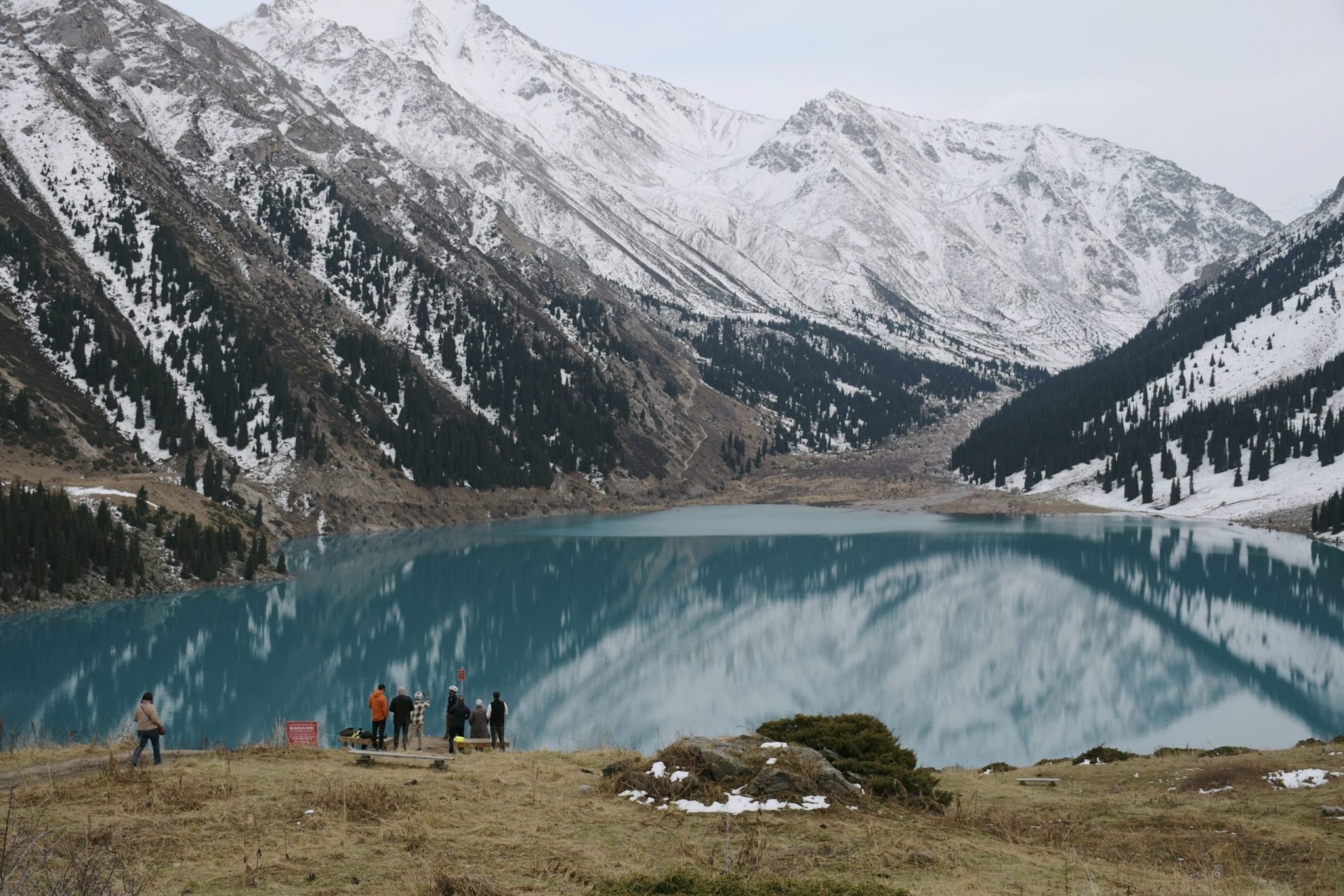
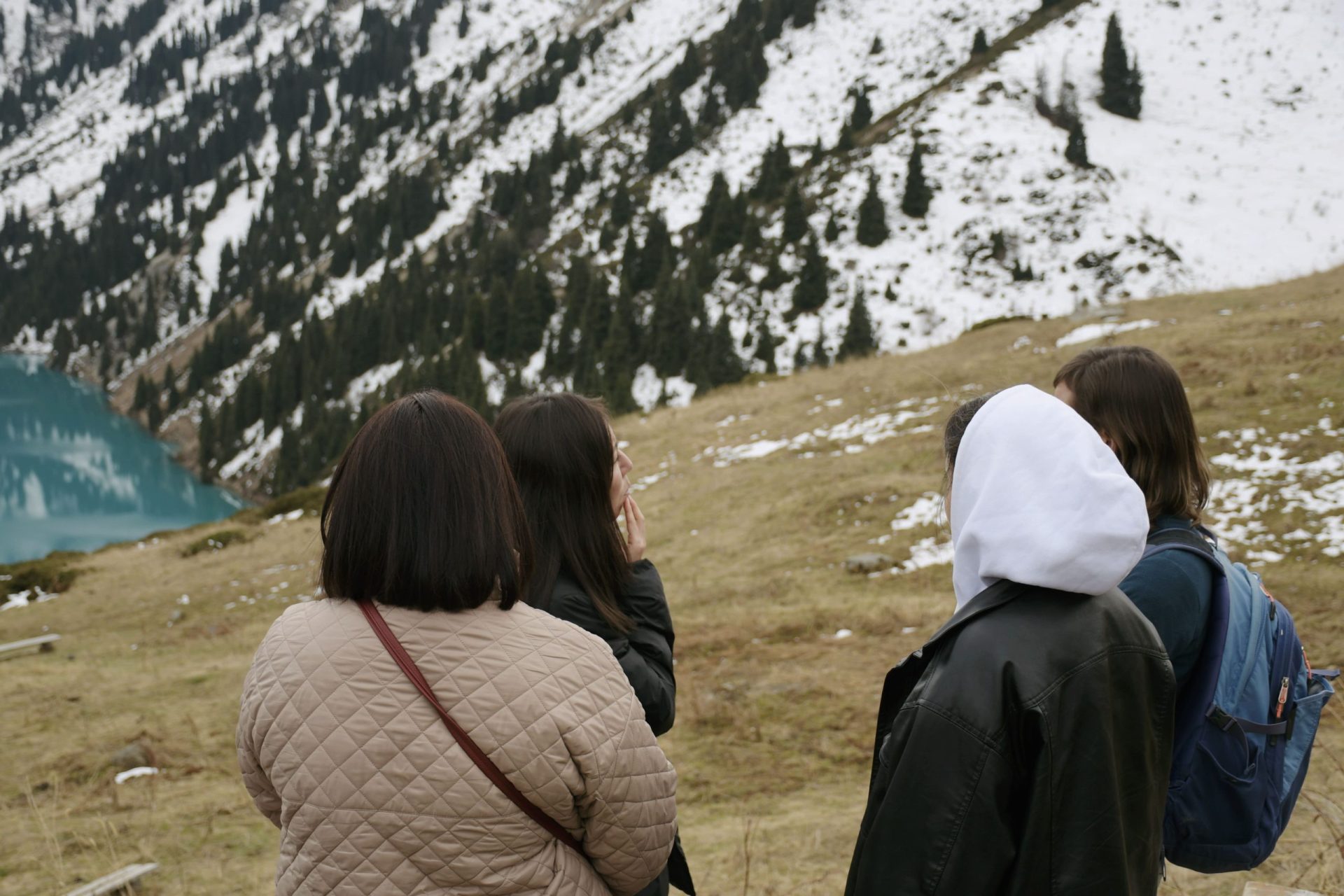
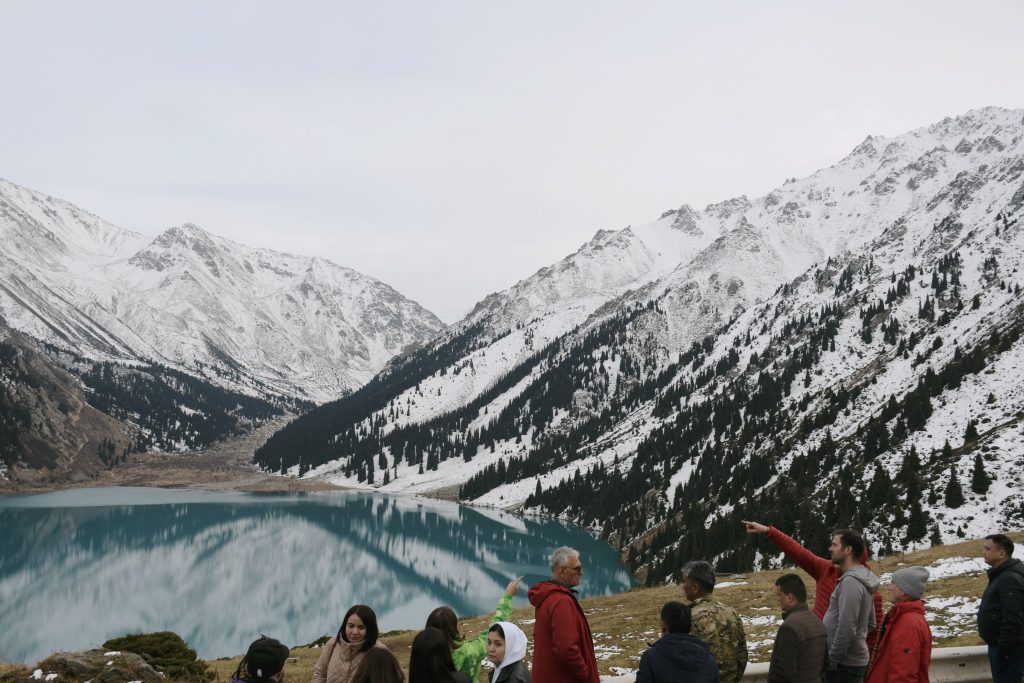
Young participants explored the Kyrgyz Ala Archa National Park, learning about natural hazards like Glacier Lake Outburst Floods (GLOFs) directly from expert Laura Niggli.
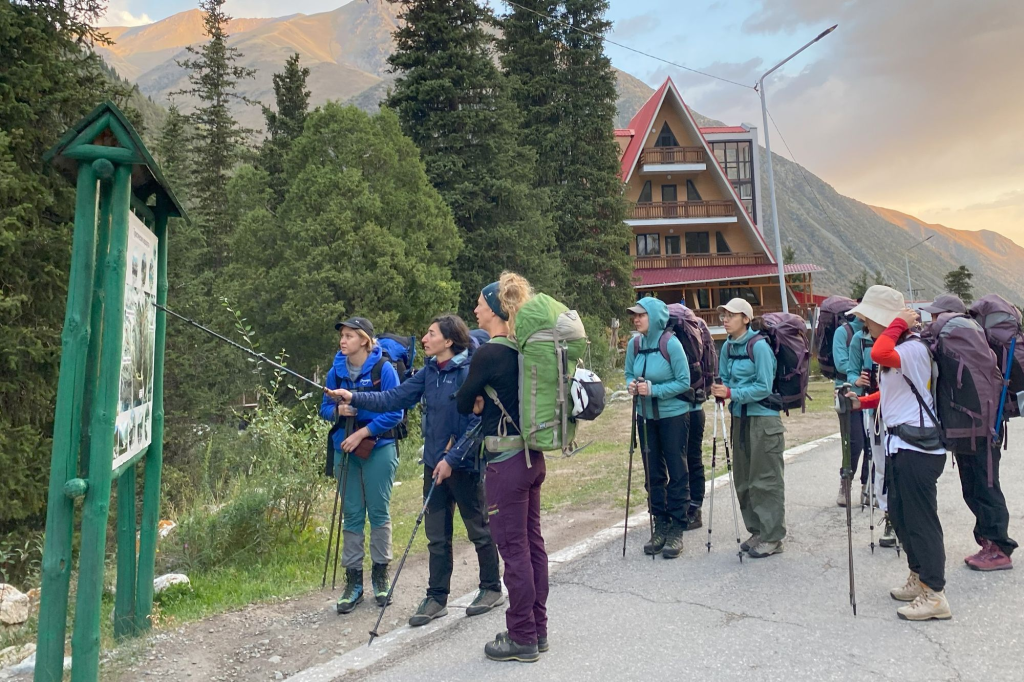
On-site evidence and hazard assessment skills were imparted, crucial for safe living in GLOF-prone regions.
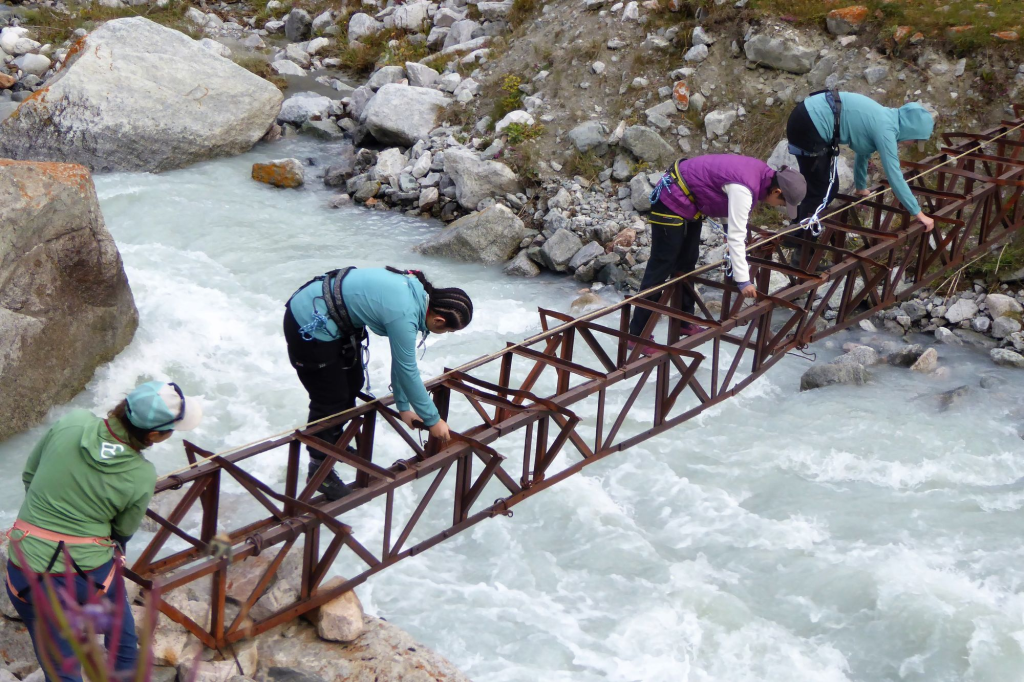
The program is part of ‘Cryospheric Observation and Modeling for Improved Adaptation in Central Asia (CROMO-ADAPT),’ supported by the Swiss Agency for Development and Cooperation (SDC) and executed by the University of Fribourg, in collaboration with UNESCO, Girls on Ice Switzerland, and Central-Asian Institute for Applied Geosciences ********(CAIAG).
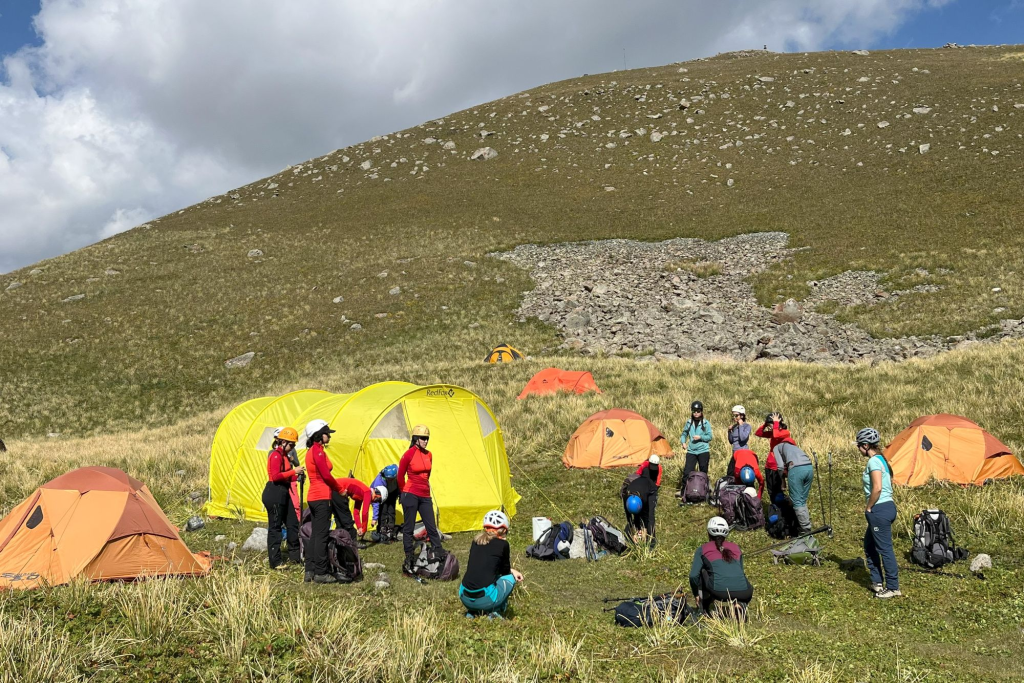
The program fosters critical thinking and curiosity, especially among young women, promoting gender diversity in science and leadership.
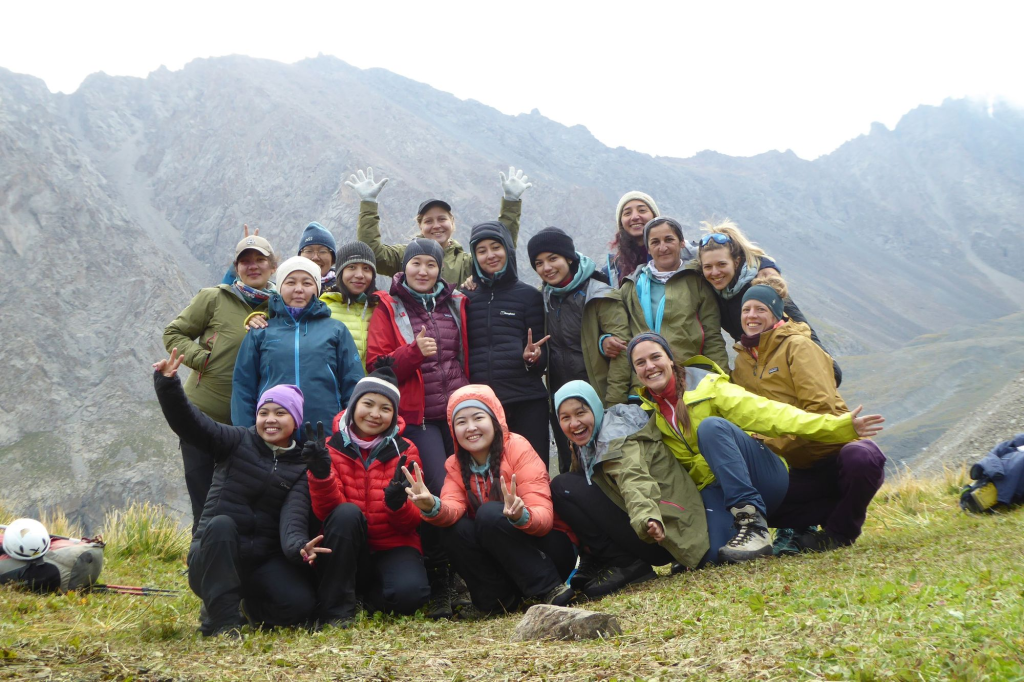
This expedition marks a milestone in climate adaptation capacity building, inspiring a new generation to confront the pressing issues of our time.

Local Support and Technical Challenges Discussed in Key Stakeholder Meeting
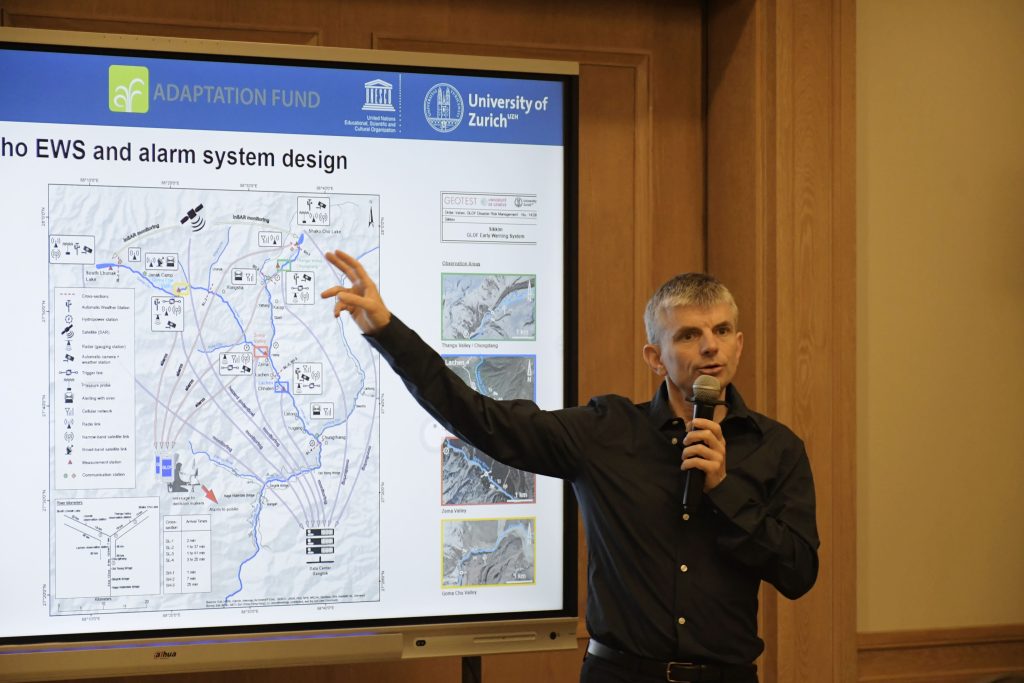
In a recent meeting, members of the GLOFCA team, partners, and stakeholders gathered to discuss the development of an Early Warning System (EWS) for Glacial Lake Outburst Floods (GLOFs) in Kyrgyzstan’s Ala-Archa National Park.
Laura Niggli and Holger Frey from UZH presented the current status of EWS planning to local representatives, including community leaders and National Park members.
The meeting provided a platform for stakeholders to share their insights on how to best alert residents, tourists, and dacha owners about potential GLOFs and debris flows.
Local organizations expressed strong interest in the EWS and warmly welcomed plans for its establishment, emphasizing the need for improved disaster preparedness.
The meeting also revealed technical and administrative questions that require resolution in the finalization of the EWS design.
Overall, the meeting signifies progress in EWS development and underscores the need for collaboration and problem-solving to protect Kyrgyzstan’s communities from GLOFs.

In a recent expedition to the Pamir region, a team of researchers and agencies explored the beauty and hazards of the area, shedding light on crucial findings that have far-reaching implications.
Collaborative efforts involving the Aga Khan Agency of Habitat (AKAH), Tajik Hydromet, local research institutes, governmental agencies responsible for GLOFs, and the University of Zurich (UZH) marked the expedition. This synergy allowed for a comprehensive approach to understanding and addressing environmental risks in the region.
The team engaged with local communities, gaining valuable insights into their traditions, living conditions, and perceptions of risk. This local knowledge forms a crucial foundation for disaster preparedness and response.
The expedition focused on assessing the susceptibility of lakes above the village of Varshedz to glacial lake outburst floods (GLOFs). Activities included data collection, bathymetric surveys, and the placement of temperature loggers.
Discussions with AKAH, Tajik Hydromet, local research institutes, and governmental agencies responsible for GLOFs experts explored the concept of a future Early Warning System (EWS). These discussions encompassed logistics, administrative, political, and technical considerations, laying the groundwork for effective inter-institutional collaboration and EWS implementation.
Overall, this collaborative research initiative underscores the significance of scientific cooperation, local engagement, and the pursuit of effective Early Warning Systems to mitigate hazards and safeguard communities in the Pamir region.

Kazakhstan, August 2023
This summer, the Kazakh mountains have witnessed a period of heightened natural hazards, particularly from glacier lakes and slopes near Almaty city. Intense rainfall triggered mudflows that damaged roads and structures, though fortunately, no lives were lost. In a bid to fortify the region against such threats, the GLOFCA team visited Almaty in August 2023 to advance the design of an Early Warning System (EWS) and continue their project work.
During this visit, Dr. Alessandro Cicoira engaged with crucial organizations. He was welcomed by the Institute of Geography and Water Security, the Glaciological Centre Under the Auspices of UNESCO, and the State Institute Kazselezashita. These collaborations form the backbone of efforts to improve hazard management.
Dr. Cicoira’s stay included productive interactions. At the Institute of Geography, Prof Akhmetkal Medeu and Mr. Nikolay Popov discussed plans for implementing new mitigation measures in Kazakhstan. These measures are designed to minimize risks and enhance protection.
A thorough field visit, including a revisit to the Medeu dam and surrounding areas, allowed the GLOFCA team to gather critical data. Colleagues from the Kazselezashita institute, led by Deputy Head Mr. Murat Kassenov, provided valuable insights into potential installation locations. These insights will shape implementation proposals and be presented at an upcoming workshop.
Local experts contributed actively to shaping the EWS design. Valuable input on logistics, administration, politics, and technical aspects of the system was provided by colleagues from local institutions. Their shared goal is to create a modern, robust, and sustainable early warning system that safeguards Almaty, the former capital city, for years to come.
The visit’s intensity was a result of the strong partnership between the University of Zurich and local collaborators. This collaboration has been instrumental in the project’s progress. With this visit, the project enters a pivotal phase, focusing on planning and implementing active mitigation measures to address the risk of mudflows.
As the GLOFCA team captured crucial insights and fostered collaboration, they demonstrated the power of international cooperation in mitigating natural hazards. The journey to secure Almaty’s safety continues, with practical steps towards a resilient future.
For more information about the project and its progress: https://glofca.org/news/

Kazakhstan, July 2022
Kazakhstan’s worldwide recognition for its mudflow research and expertise in managing natural hazards took center stage as the GLOFCA team explored the city of Almaty. The city’s formidable shield against hazards, large dams, impressed the team. The region’s elaborate network of monitoring stations, spread across mountain catchments, was an integral resource for local experts.
Dr. Alessandro Cicoira was extended a warm welcome by the Institute of Geography and Water Security, the Glaciological Centre Under the Auspices of UNESCO, and the State Institute Kazselezashita. This partnership is pivotal for the success of projects aimed at making Kazakhstan more resilient.
The GLOFCA team delved into the field, with Dr. Cicoira and Dr. Munch from the SLF Snow and Avalanche Research Institute in Davos visiting the Tu Juksuur glacier. Accompanied by experts from the Central Asian Regional Glaciological Center (CARGC), they observed ongoing measurements despite adverse weather conditions. While weather thwarted some plans, it fueled compelling discussions. The team was treated to an exquisite meal at 3000 meters elevation, prepared by the gracious hosting team composed of Sandugash Usenovna Ranova, Vassiliy Petrovich Kapitza, Alexandr Borosovich Yegorov, Maria Evgenyevna Tatkova, Nikolay Yevgenyevich Kassatkin, and Aidana Kamalbekova.
A significant field survey focused on the Issik and Talgar catchments, integral to the GLOFCA Project. Mr. Murat Kassenov, Deputy Head of Kazselezashita, personally guided the visit, shedding light on Almaty Regions’s challenges and the solutions put in place. The Institute’s robust structure effectively addresses common hazards like snow avalanches, debris flows, mud flows, and landslides.
Collaboration expanded to Al-Farabi University, where Dr. Salnikov and Dr. Taukebayev actively proposed synergies. The university’s hub, which includes the development of Early Warning Systems (EWS) for mudflows, aligned with the state institution Kazselezashita.
Coordination by the UNESCO office of Almaty enabled the Kazakh partners to demonstrate their operational strategies to counter GLOF and mud flow threats. Effective communication among partners ensured the smooth organization of future activities. The visit’s close marked the preparation for an international workshop on numerical modeling of GLOFs with the Software RAMMS, leaving the partners energized and ready for the next phase of the project.
As Kazakhstan and global allies join forces to tackle natural hazards, these collaborations hold the promise of creating more resilient communities in the face of adversity.
For further project insights and updates: https://glofca.org/news/

In a significant effort to enhance safety and disaster preparedness in Central Asia, researchers at the University of Zurich (UZH) have planned the work for 2023 under the GLOFCA project, led by UNESCO and funded by Adaptation Fund. The work plan seeks to develop advanced tools, guidance documents, and early warning systems to protect communities from potential glacial lake outburst floods (GLOFs).
Under this component, UZH researchers are working on the development and finalization of a prototype tool for lake mapping. The tool will enable experts to gather crucial data from glacial lakes, even in challenging conditions like cloud cover or remote locations. The final prototype will be presented through webinars and workshops, fostering knowledge transfer among stakeholders.
Moreover, a comprehensive atlas on glacial lakes will be created based on the developed tool. This updated inventory will provide valuable insights into lake conditions and serve as a regional reference. By sharing this atlas with partners through online webinars and workshops, the project aims to promote better lake monitoring and management strategies.
A methodological framework for assessing and mapping downstream GLOF hazard based on international best practices is being prepared. By co-authoring chapters of the Best Practice Guidance Document with inputs from local partners, the researchers will ensure a collaborative and region-specific approach.
The project team will also conduct hazard and risk modeling, using the outlined approaches in the guidance document. This modeling will help identify potential GLOF risks in both first-order (all lakes) and local detailed scenarios (pilot communities). Local scientists will be engaged in joint modeling and capacity building to ensure a comprehensive understanding of the hazards.
Institutional profiles for involved authorities will be developed to establish a local to regional framework for disaster risk reduction (DRR). By creating a GLOF Early Warning System (EWS) protocol, the project aims to streamline responsibilities, procedures, and information sharing among authorities. This step will contribute to efficient decision-making during emergencies.
One of the most critical aspects of the project is the site-specific monitoring concepts for each EWS. Based on detailed hazard assessments and process understanding, these concepts will provide essential data for reliable monitoring and warning capabilities. The involvement of local experts ensures that the EWS is tailored to each community’s needs and risks.
The University will contribute to the web-based knowledge platform to disseminate project outputs, including maps and plans. The platform serves as a valuable resource for researchers, authorities, and communities seeking information on glacial lake management and disaster preparedness.
The tasks under each component hold immense importance for safeguarding communities living near glacial lakes. By developing advanced tools and guidance documents, researchers can provide authorities and stakeholders with crucial data and knowledge for decision-making. The implementation of site-specific monitoring concepts will significantly improve early warning capabilities, allowing communities to respond effectively to potential GLOFs.
Through the web-based knowledge platform, the project ensures that the gathered information and best practices are easily accessible to a wide range of users. This knowledge exchange is vital for strengthening regional collaboration and disaster resilience in Central Asia.
As glacial lakes continue to be both awe-inspiring natural wonders and potential hazards, the UZH-led project’s comprehensive efforts demonstrate a commitment to sustainable development and the safety of communities in the region. By fostering collaboration and leveraging advanced technology, this ambitious initiative sets a precedent for enhanced glacial lake management worldwide.

On the 7th of April 2022 the GLOFCA Project was presented at the Regional Forum on sustainable development for the UNECE Region, where partnerships to address climate change, extreme events and disaster risk reduction towards sustainable development goals have been discussed.
https://regionalforum.unece.org/events/regional-forum-2022
The event was organized by the Regional Office for Europe of the World Meteorological Organization (WMO) and the United Nations Distaster Risk Reduction (UNDRR) Regional Office for Europe and Central Asia. Contributors came from UNICEF, UNDP, UNECE, UNESCO and other members of the Task Team on Climate Change and DRR of the Issue Based Coalition on Environment and Climate.
Amongst the five panelist, Alessandro Cicoira, a scientist from the University of Zurich, discussed the GLOFCA project and its philosophy. During his presentation, he addressed the strategy to reduce the vulnerabilities of communities affected by Glacier Lake Outburst Floods. Special attention was payed to the regional scale of the Project and to the integrated approach in the design of Early Warning Systems. An important discussion point has also been the financial and operational sustainability of the mitigation measures developed under the project. With this regard, capacity building and knowledge transfer have been highlighted as some of the fundamental components of GLOFCA.
Other panelists presented their experience related to resilience journey for cities (https://mcr2030.undrr.org/), the National Platform of the Kyrgyz Republic for Disaster Risk Reduction, the joint expert group on water and industrial accidents (https://unece.org/joint-expert-group-water-and-industrial-accidents), and finally the Strategic Partnership for the South-East European Multi-Hazard Early Warning Advisory Syste.
The event has been concluded by a vivid discussion with many questions and suggestions for further partnerships and cooperation. Cyrille Honoré, in his role of moderator, summarized the event by stressing that you cannot simply declare cooperation. This needs time, energy and commitment. It is important that science advances are translated in practical results and sustained over time by policies and governance. He reminded that the secretary general just called for a wide effort to ensure that EWS are always more applied to protect vulnerable communities on our planet. With this important message, we concluded the event proud to contribute to a common effort.

From left to right: Takir Balykbayev, Zhanna Kurmangaliyeva, Igor Severskiy, and Akhmetkal Medeu
UNESCO Almaty Office would like to congratulate Mr. Takir Balykbayev to his appointment as the Director of the LLP “Central Asian Regional Glaciological Centre category 2 under the auspices of UNESCO”. We look forward to further strengthen our cooperation specially in the context of the regional project funded by the Adaptation Fund and implemented by the UNESCO Almaty Cluster Office with the name “Reducing vulnerabilities of populations in Central Asia region from glacier lake outburst floods in a changing climate” (GLOFCA).

Press release:
Wednesday, 2 March 2022 – The UNESCO Almaty Office and the Kazakh State Institution “Kazselezaschita” are joining forces in a project named “Reducing vulnerabilities of populations in Central Asia region from glacier lake outburst floods in a changing climate” (GLOFCA), funded by the Adaptation Fund. As part of the GLOFCA’s YEAR-1 activities, Kazselezaschita is contributing to a country synthesis report on current state of knowledge on GLOF hazard and risk as well as providing a comprehensive review of Glacier Lake Outburst Floods (GLOFs) and glacial mudflow mitigation and prevention methods over past 50 years in Kazakhstan. The outcomes will serve as an important basis for a regional best-practice guidance document for lake mapping and monitoring being developed under GLOFCA by the project partner University of Zurich jointly with national experts from Kazakhstan, Kyrgyzstan, Tajikistan and Uzbekistan.
Пресс-релиз: ЮНЕСКО и Казселезащита запускают сотрудничество
Алматы, Казахстан
Среда, 2 марта 2022 – Бюро ЮНЕСКО в Алматы и Государственное учреждение (ГУ) «Казселезащита» объединяют усилия для реализации проекта «Снижение уязвимости населения в Центрально-Азиатском регионе от прорыва ледниковых озер в условиях изменения климата» (GLOFCA), финансируемого Адаптационным фондом. В рамках мероприятий, предусмотренных на первый год реализации проекта, эксперты ГУ «Казселезащита» примут участие в составлении сводного доклада о текущем состоянии знаний об опасности и рисках, связанных с прорывоопасными ледниковыми озерами, а также обобщат методы смягчения и предотвращения последствий прорыва ледниковых озер и гляциальных селей, применяемые в Казахстане за последние 50 лет. Данная информация послужит основой для разработки регионального руководства по наилучшей практике в области картирования и мониторинга ледниковых озер, разрабатываемого партнером проекта Университетом Цюриха совместно с национальными экспертами из Казахстана, Кыргызстана, Таджикистана и Узбекистана.

Pskem was chosen as a pilot site for the Glacier Lake Outburst Floods project. We take you on a trip to this beautiful village in the mountains not far away from Tashkent, the Uzbek capital. A Swiss and an Uzbek team went together to explore the location and to have consultations with the project stakeholders.
Pskem was chosen as a pilot site for the Glacier Lake Outburst Floods project. We take you on a trip to this beautiful village in the mountains not far away from Tashkent, the Uzbek capital. A Swiss and an Uzbek team went together to explore the location and to have consultations with the project stakeholders.

Press release
Dushanbe, Tajikistan
Thursday, 17th of February – United Nations Education, Science and Culture Organization (UNESCO) Almaty Cluster Office Director, Krista Pikkat hold a meeting with the Director of the Agency for hydrometeorology of the Committee of Environmental Protection under the Government of the Republic of Tajikistan, Kurbonzoda Abdullo Habibulo and other representatives of the agency.
The meeting was dedicated to the discussion of the “Reducing vulnerabilities of populations in Central Asia region from glacier lake outburst floods in a changing climate” (GLOFCA) project funded by the Adaptation Fund and implemented by the UNESCO Almaty Cluster Office.
Krista Pikkat addressed the questions brought by the agency representatives and updated the national partners on the ongoing activities of the project and informed them on the next steps. Both parties agreed that the Agency on hydrometeorology is one of the main partners of the project in the country and must be involved in the capacity buildings and other activities to the maximum extent possible. Therefore, a list of proposed activities on the engagement of the agency into the project was handed to the UNESCO Director by Mr. Abdullo.
About the GLOFCA project
The GLOFCA is a regional project funded by the Adaptation Fund, implemented by UNESCO Cluster office Almaty in the four Central Asian countries- the Republic of Kazakhstan, the Kyrgyz Republic, the Republic of Tajikistan, and the Republic of Uzbekistan. The project aims to strengthen adaptation to climate change in Central Asia by reducing the social risks and vulnerabilities associated with glaciers melting-related hazards, notably GLOFs. The project objective will be achieved by assessing societal risks and vulnerabilities associated with GLOFs and then addressing these risks and vulnerabilities. The approach will strengthen the monitoring, analytical, and response capacities of institutions and government officials responsible for DRR, emergencies, and CCA through community and gender-sensitive ground-level training and awareness campaigns, and through the establishment of early warning systems (EWS), supported with the necessary state-of-the-art monitoring strategies. The emerging and increasing risk associated with GLOFs, together with appropriate response and adaptation strategies will be brought to the forefront of attention for decision-makers and communities in all of the participating countries.