News Category: Partnership

International conference in Tashkent on innovative methods for glacier monitoring

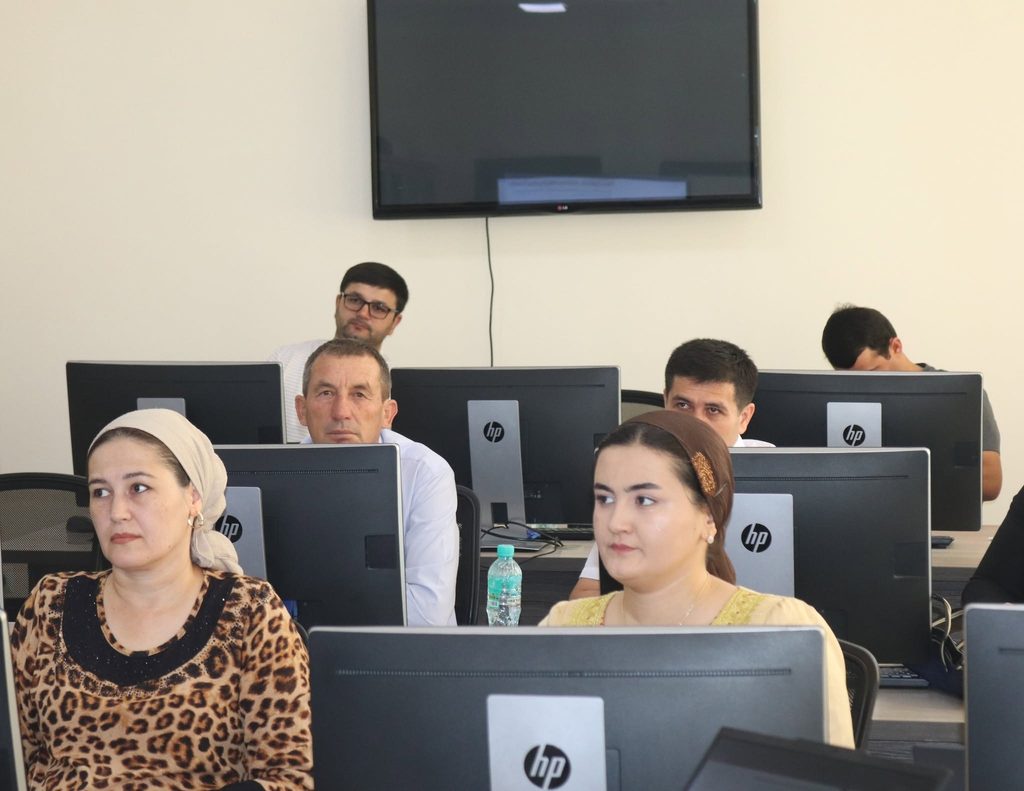
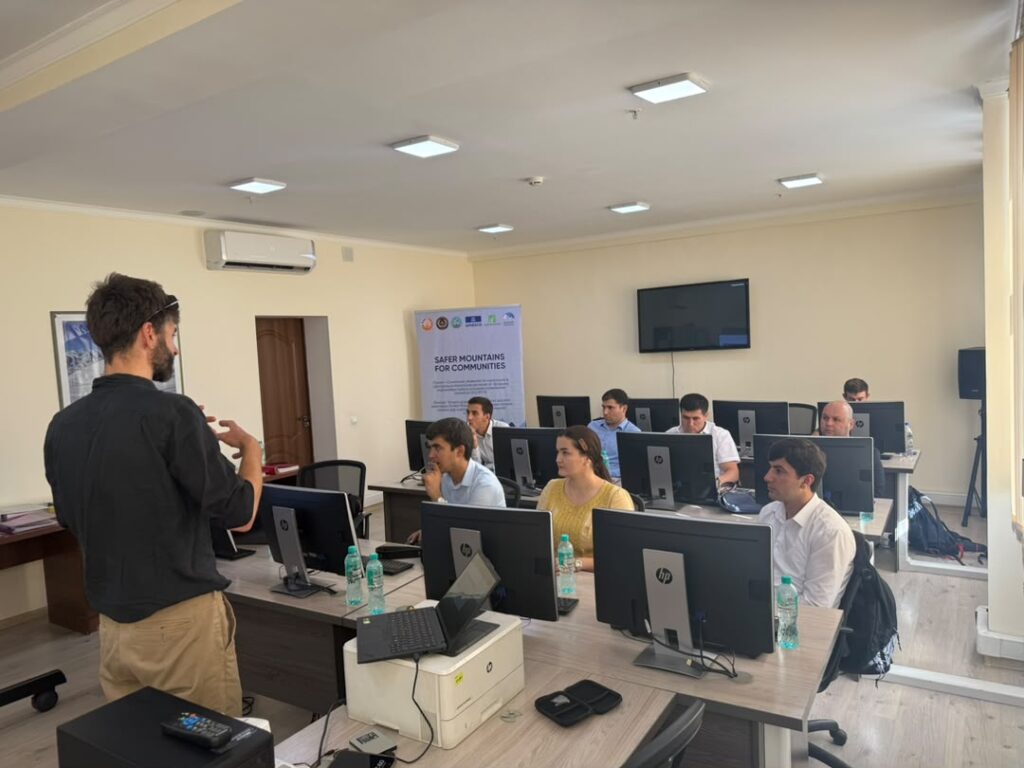
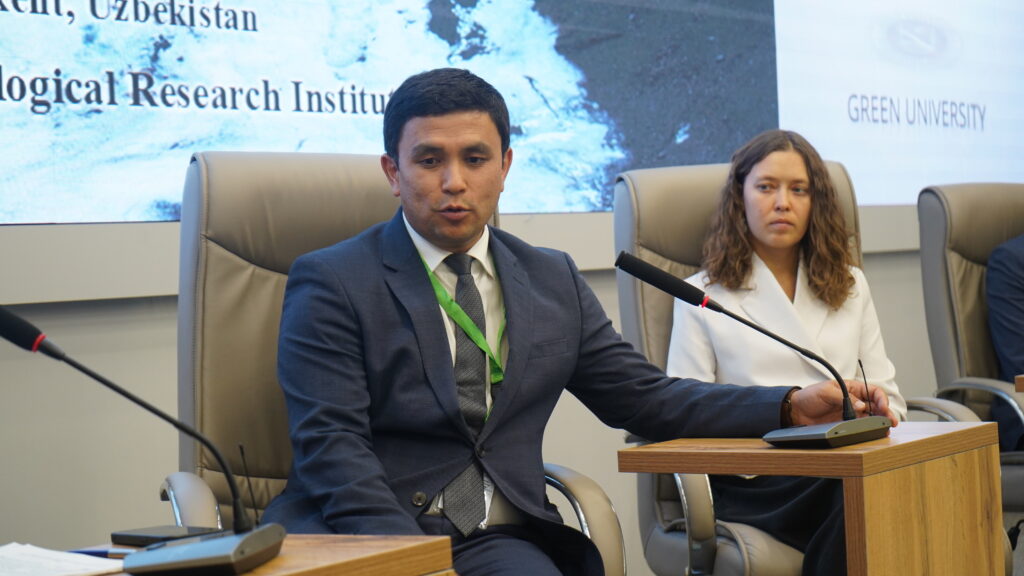
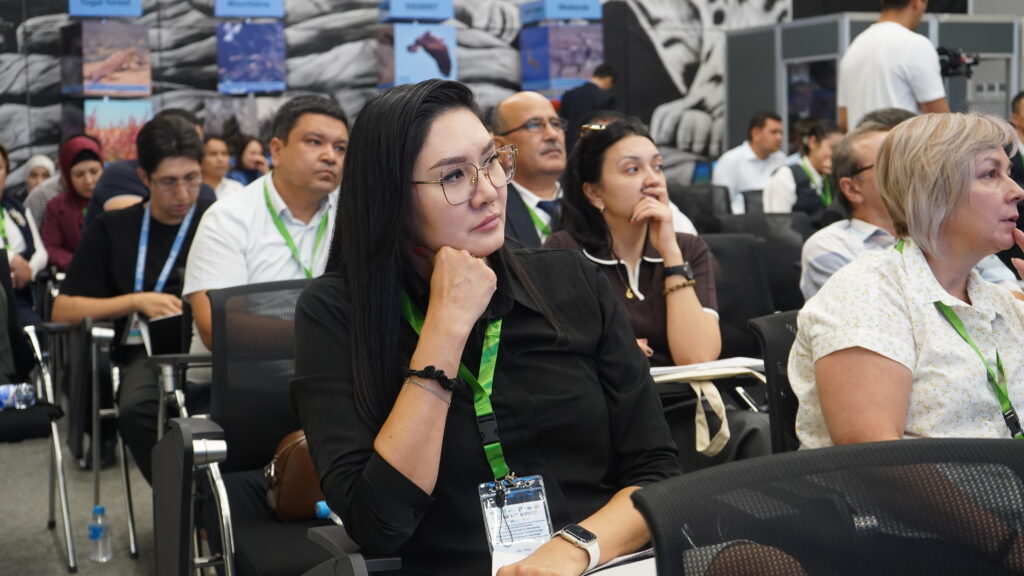
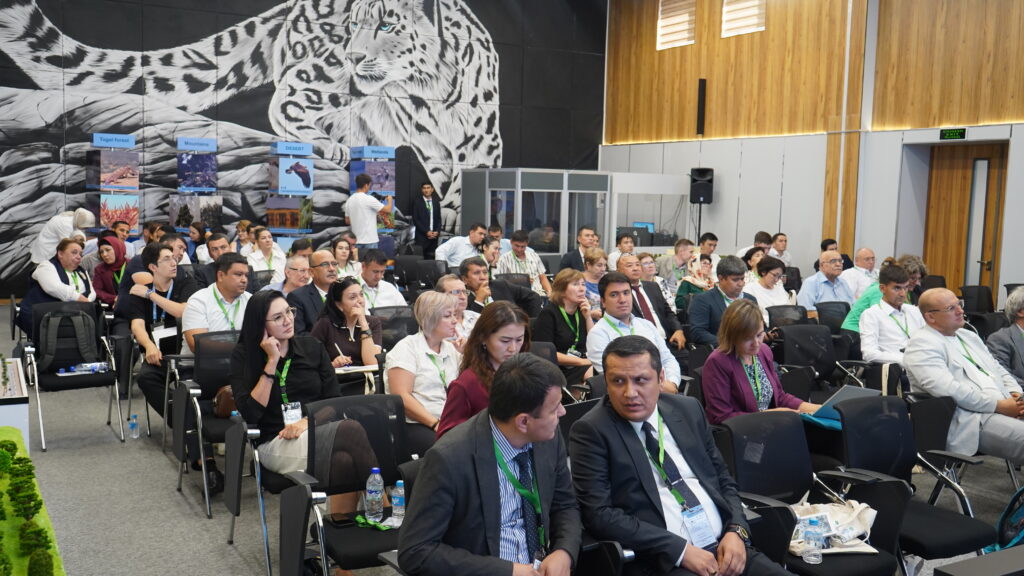
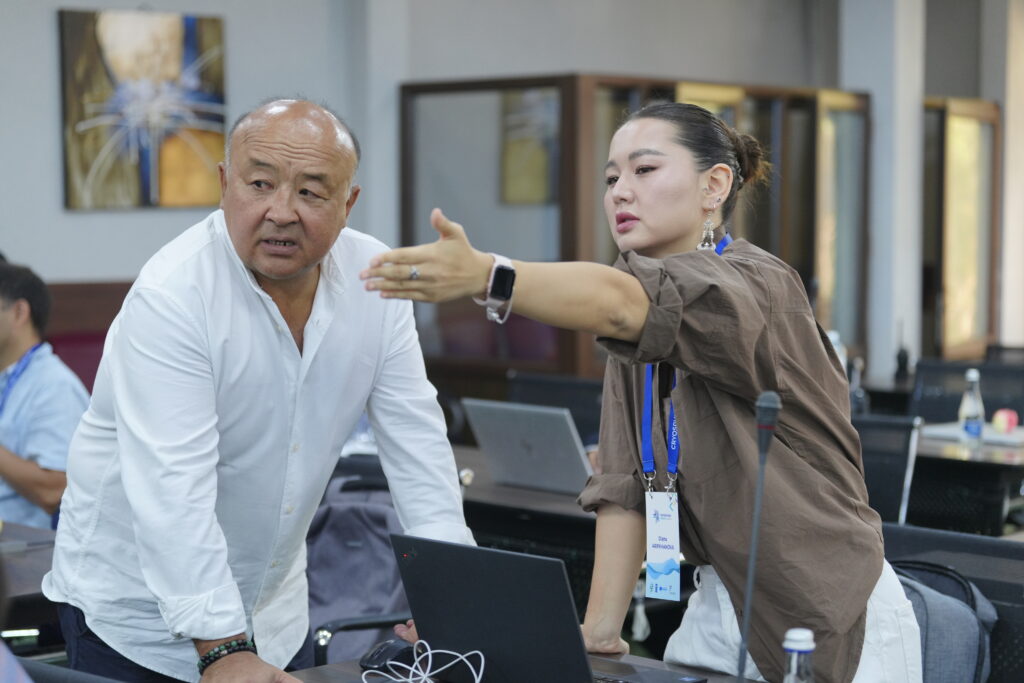
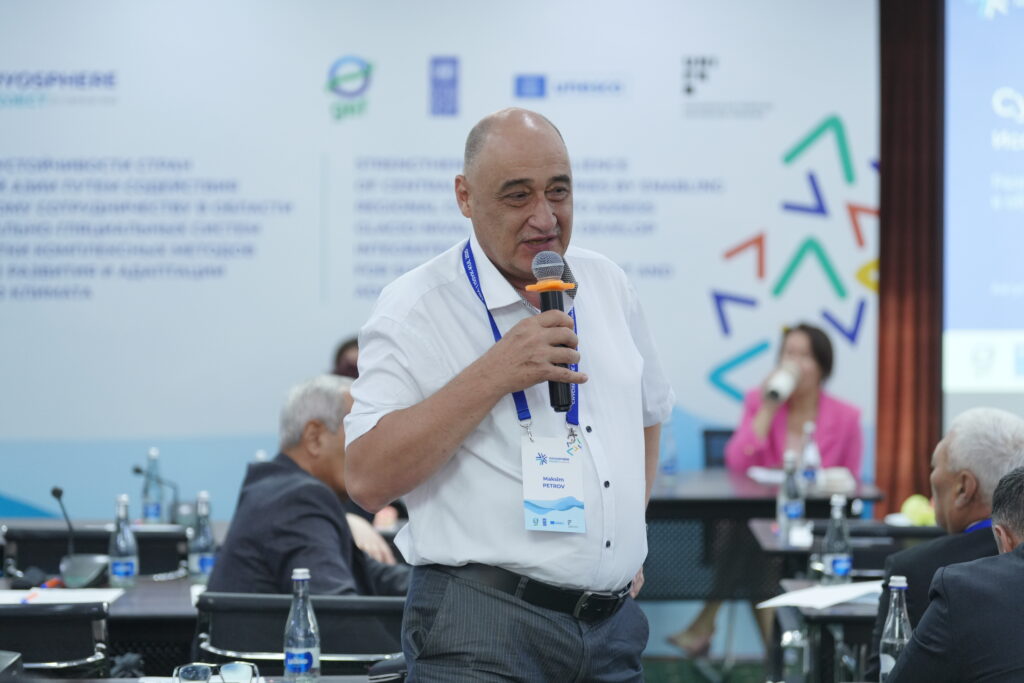
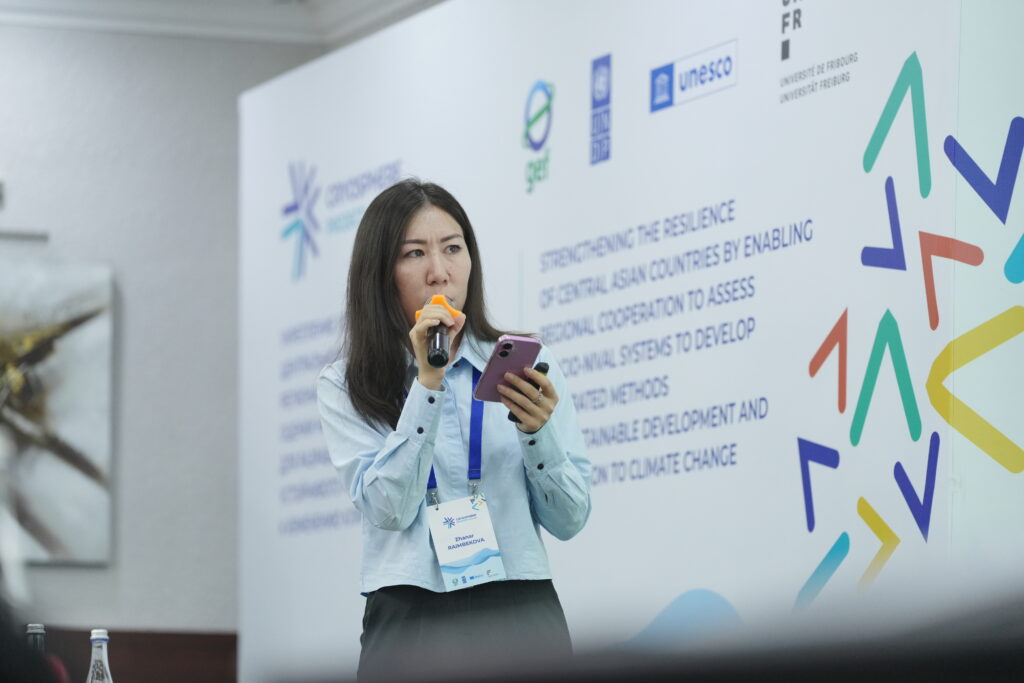
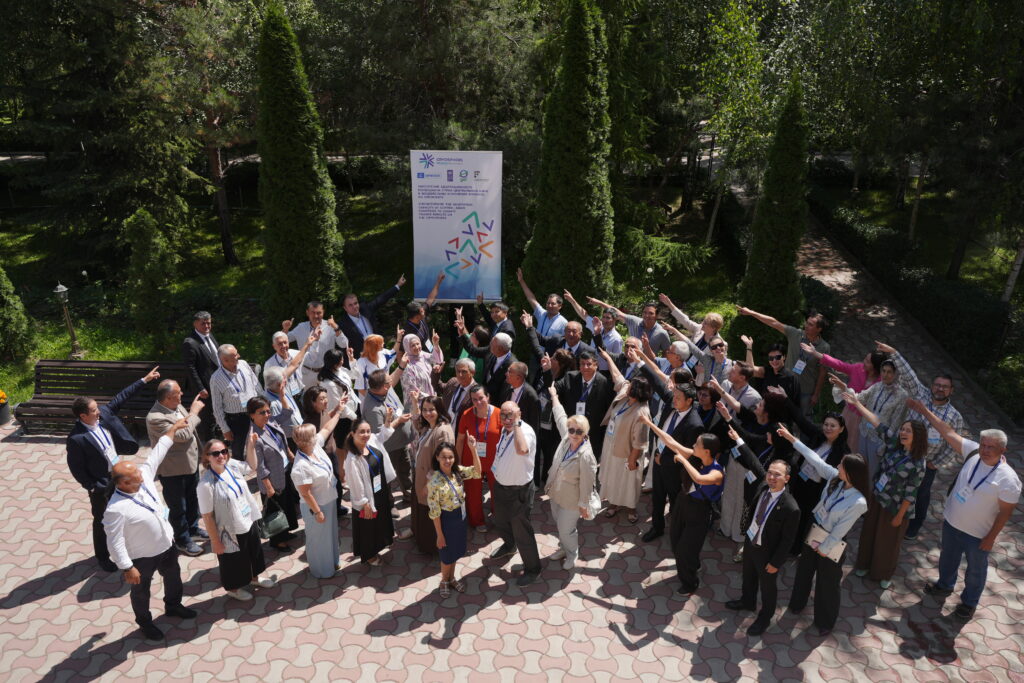
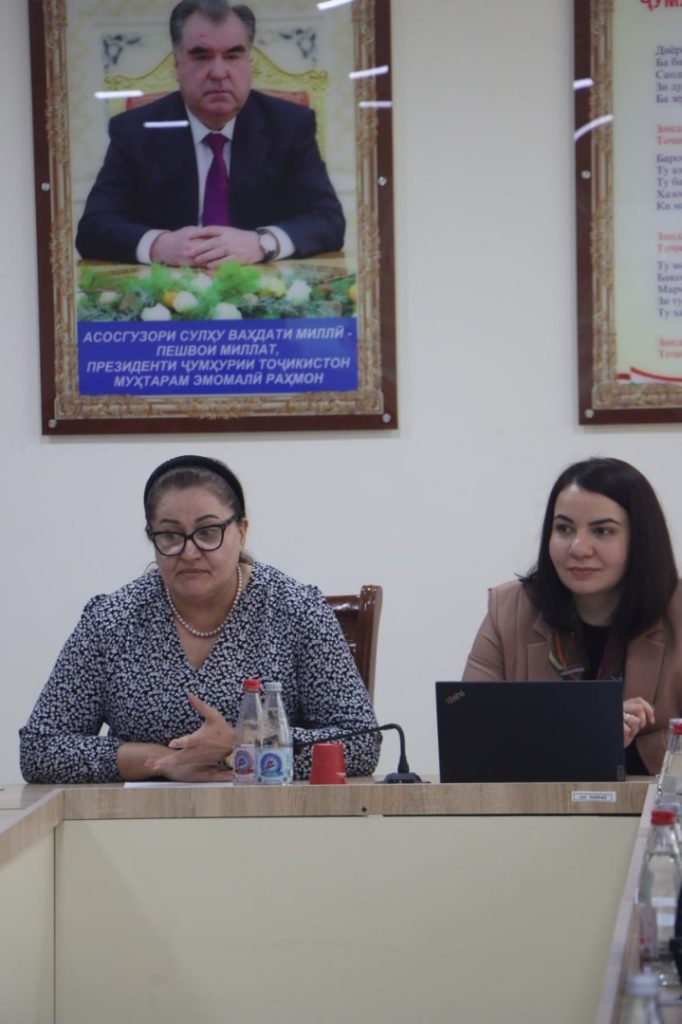
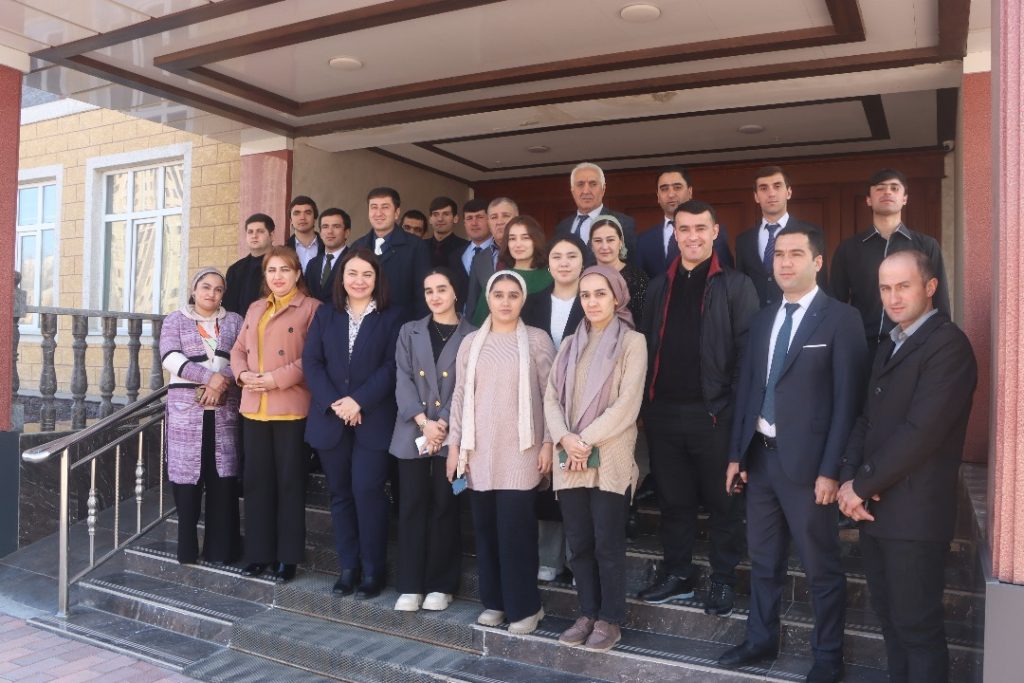
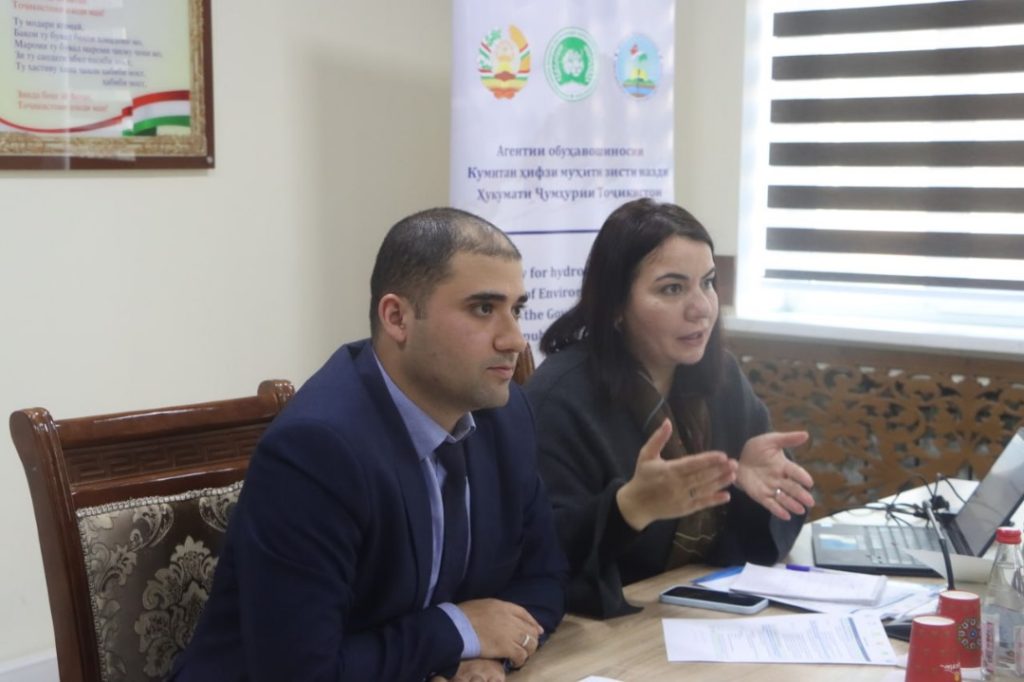
On 16 September 2025, an international conference titled “Innovative Methods for Monitoring Mountain Glaciers under Climate Change and Current Challenges in Glaciology” was held in Tashkent, Uzbekistan. The event was organized by the Hydrometeorological Research Institute (NIGMI) with the support of the UNESCO Regional Office in Almaty and its two flagship projects.
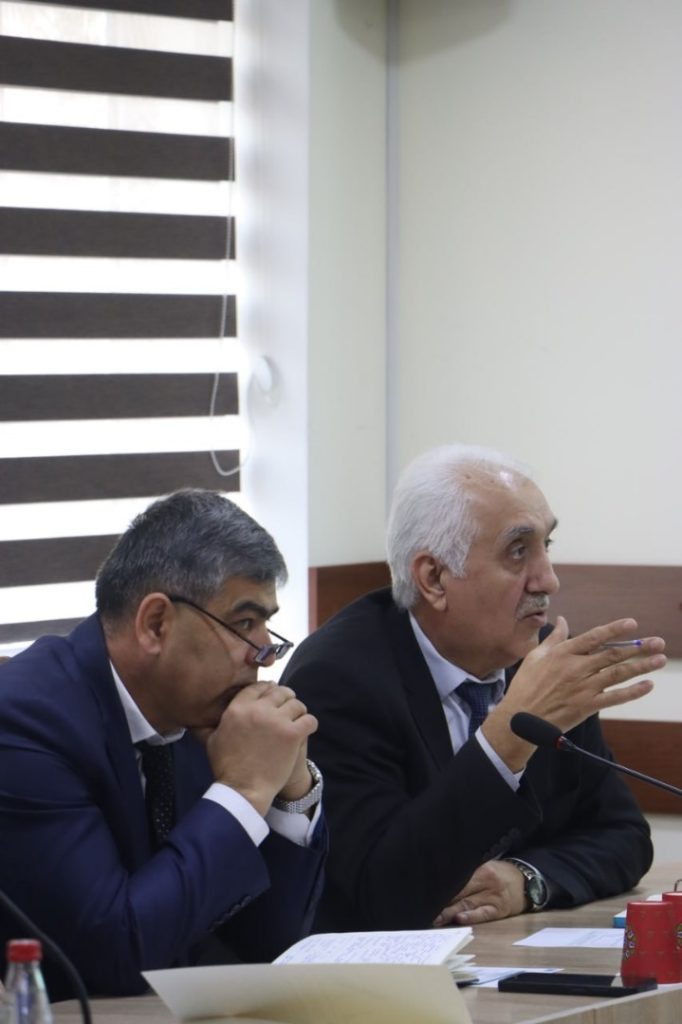
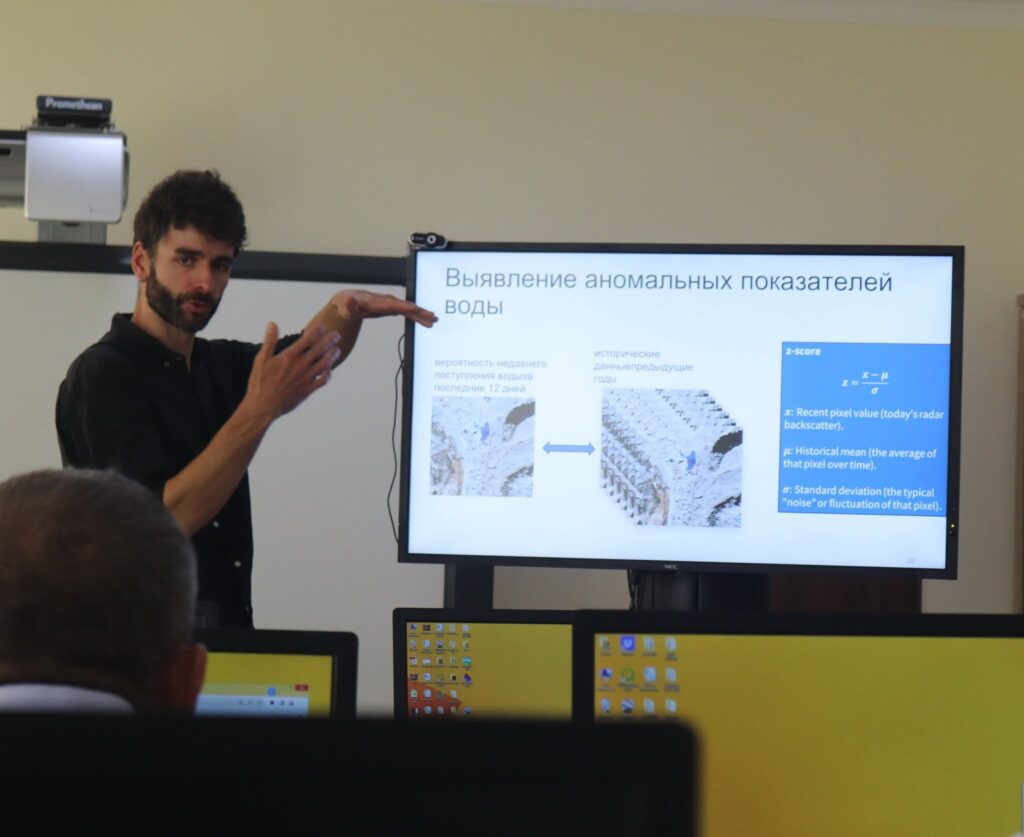
The conference brought together scientists, practitioners, and government representatives from Central Asia and beyond to exchange the latest research and practical experience in glaciology. Discussions focused on the importance of snow and glacier monitoring for water security, the risks of glacier lake outburst floods, and the use of modern digital tools, including MODSNOW. The GLOFCA project highlighted the development of early warning systems and work with local communities to reduce disaster risks.

The conference provided an important platform for strengthening regional cooperation and identifying practical, policy-relevant solutions for climate adaptation and disaster risk reduction.

GLOFCA Knowledge Platform Presented at World Library and Information Congress in Astana

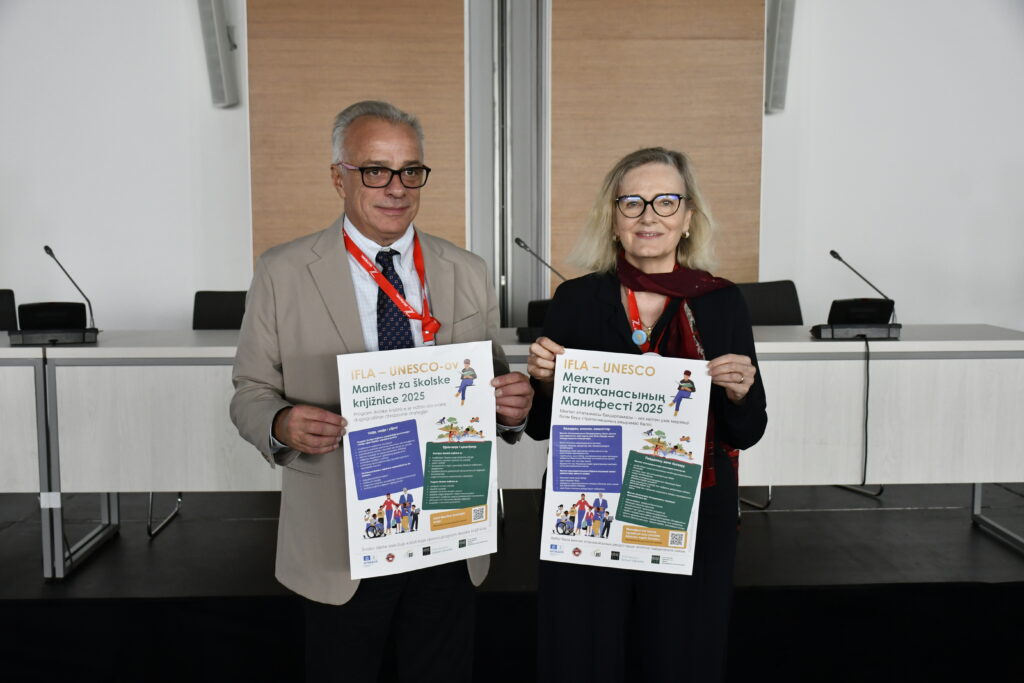
On 20 August 2025, the GLOFCA project was presented during the session “Regional Engagement, Global Impact: Connecting with UNESCO Regional Office in Almaty” at the 89th World Library and Information Congress (WLIC) in Astana, Kazakhstan.

The GLOFCA team highlighted the project’s online platform as a knowledge management tool linking science, policy, and communities in reducing glacial lake outburst flood risks. It was emphasized that the platform, containing information on early warning systems, technical tools such as manuals and atlases, as well as practical resources such as community brochures and school safety materials, contributes to the free flow of knowledge and information in the region between all stakeholders. It also enables direct feedback from local communities through a grievance mechanism.

By sharing GLOFCA at WLIC, UNESCO underlined the common mission of libraries and knowledge platforms: ensuring open access to information, supporting preparedness, and sustaining resources beyond project lifetimes. Lessons from GLOFCA’s work in Central Asia are also contributing to global knowledge on managing glacier-related hazards.

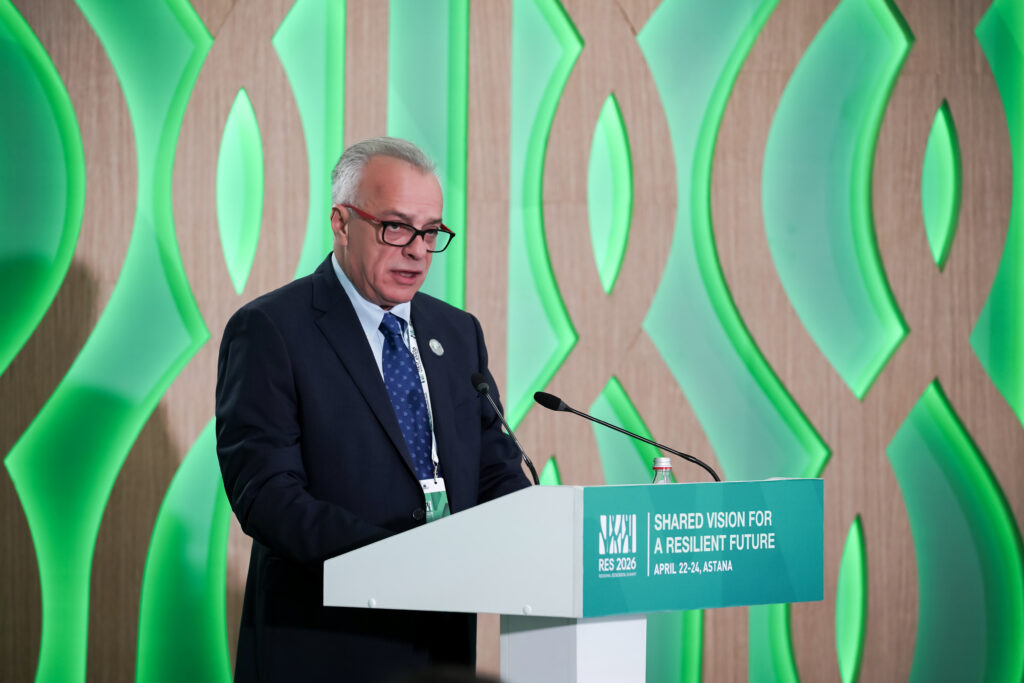
Director of the UNESCO Regional Office in Almaty at the WLIC session

GLOFCA Contributes to Regional Cryosphere Action Planning in Central Asia

From 6–8 August 2025, the GLOFCA team took part in a subregional workshop at Issyk-Kul, Kyrgyz Republic, dedicated to developing the Subregional Joint Action Programme (SJAP) for the cryosphere in Central Asia. The meeting, organized by the UNESCO Regional Office in Almaty under the GEF-UNDP-UNESCO Cryosphere Project, brought together government representatives, scientific institutions, and national experts to define priority measures for cryosphere monitoring, research, and climate adaptation.

As part of the process, GLOFCA contributed its expertise in disaster risk reduction, highlighting the role of Early Warning Systems and community preparedness in addressing glacier-related hazards. This input will help ensure that the SJAP and National Action Plans integrate practical measures for building resilience in mountain communities across the region.

Continuing Disaster Risk Education in Uzbekistan’s Mountain Villages

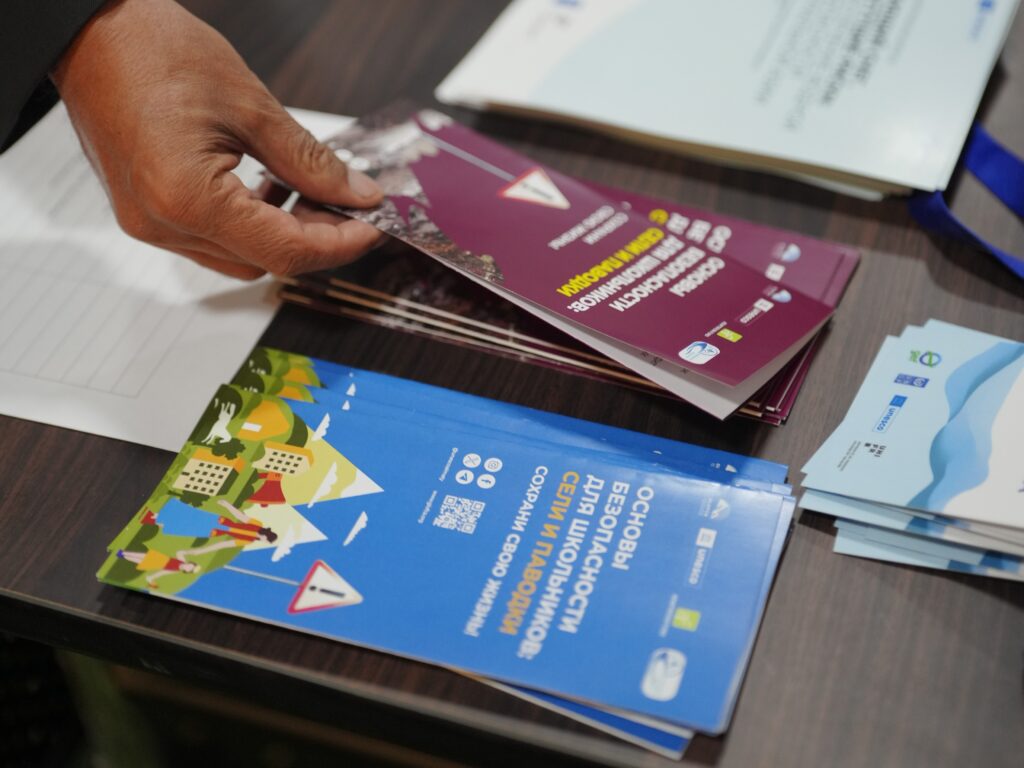
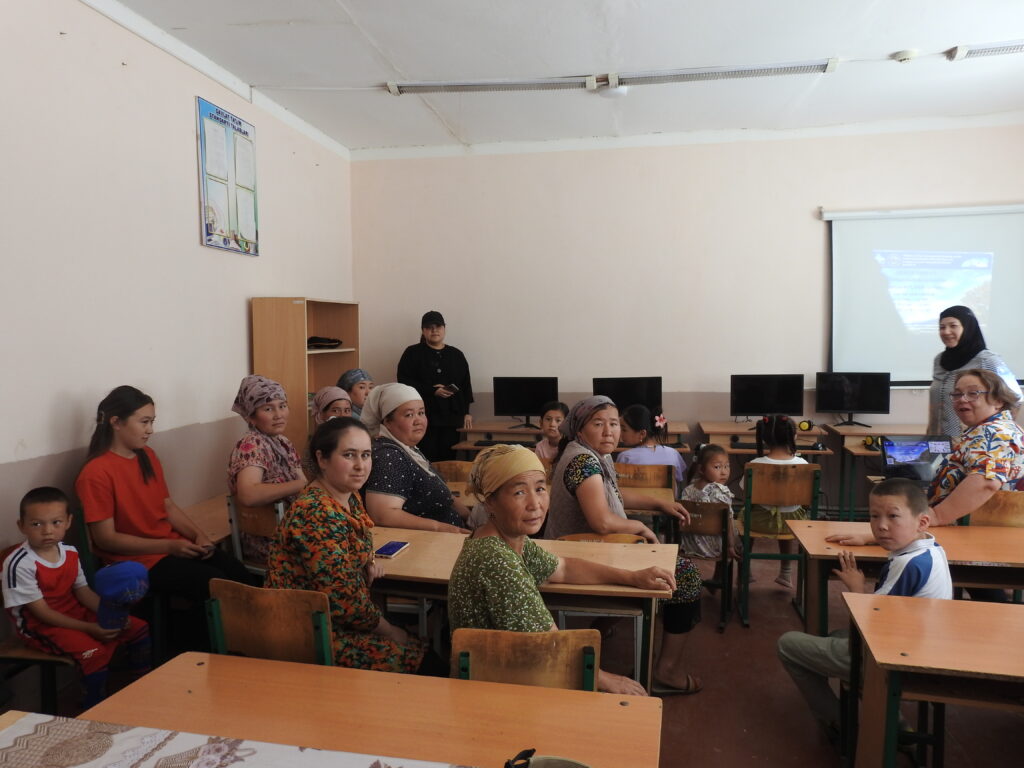
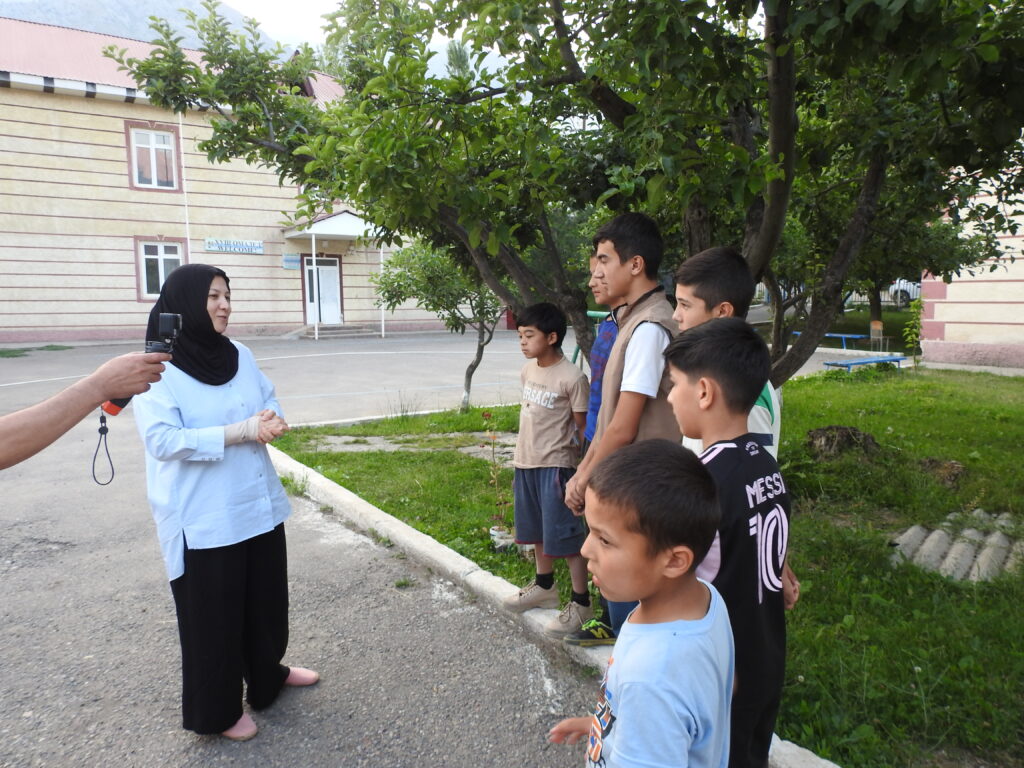
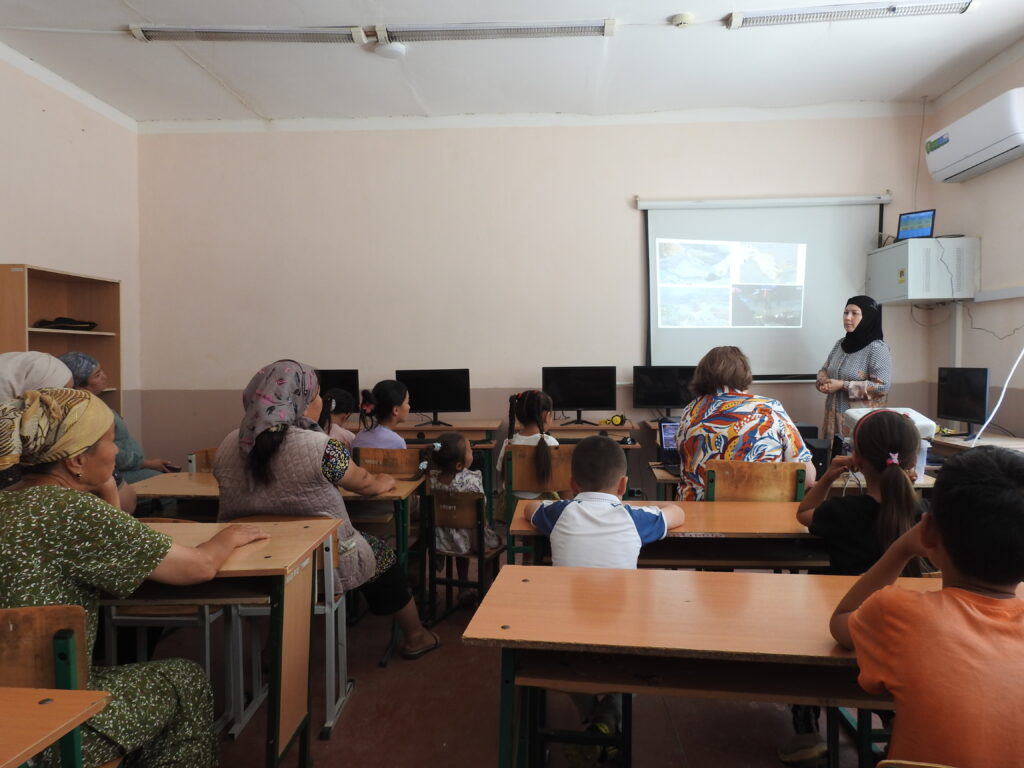
In the middle of July 2025, the GLOFCA project returned to the pilot villages of Pskem and Tepar in Uzbekistan’s Bostanlyk District to continue building local knowledge on glacier-related hazards. This visit is part of GLOFCA’s ongoing work in the region, following previous activities in 2024, including the installation of weather monitoring stations and a lesson on mudflow safety.

Organized in partnership with the Glacial Geology Centre under the Institute of Geology and Geophysics, the Hydrometeorological Scientific Research Institute (NIGMI), and the Ministry of Ecology, the July visit focused on strengthening disaster risk awareness in schools and communities.

Educational sessions were held in schools No. 45 (Pskem) and No. 50 (Tepar), bringing together students, teachers, and residents to learn about natural hazards such as debris flows, avalanches, and glacial lake outburst floods (GLOFs). The sessions included a multimedia presentation prepared by NIGMI, along with a documentary film on the 1998 Shakhimardan GLOF, a powerful example of the real impacts of such events. A drawing contest and online survey helped engage students in reflecting on disaster risks and preparedness.

The team also checked and adjusted the weather stations installed in both schools during the previous year, ensuring their continued functionality for local observation and learning.

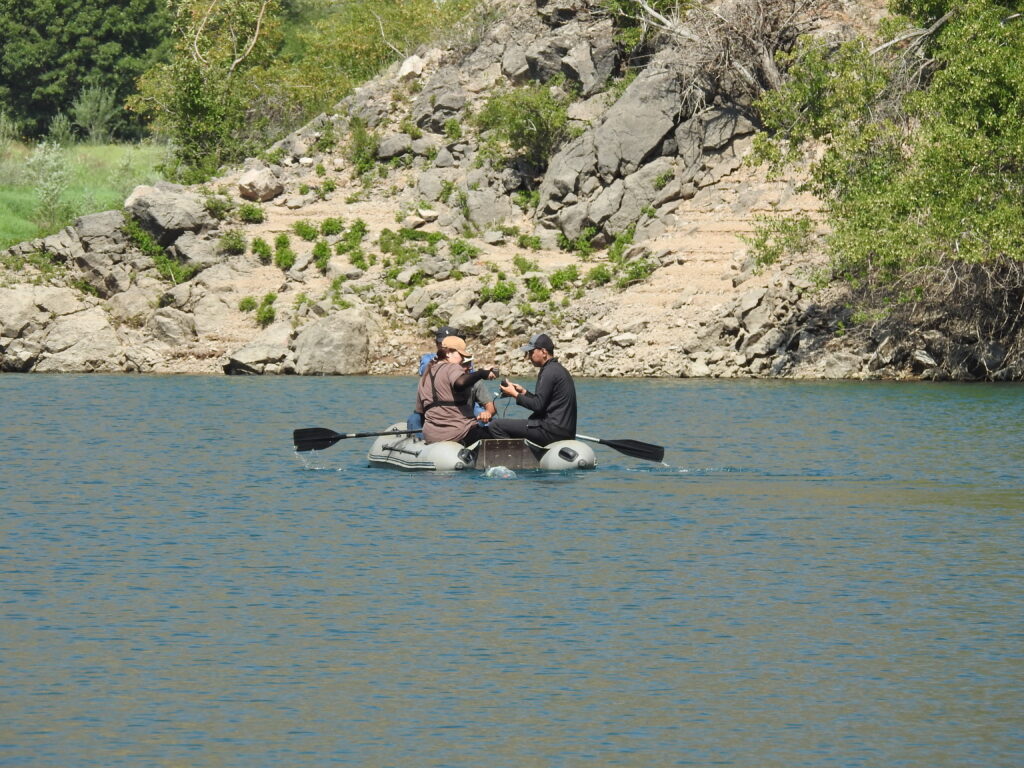
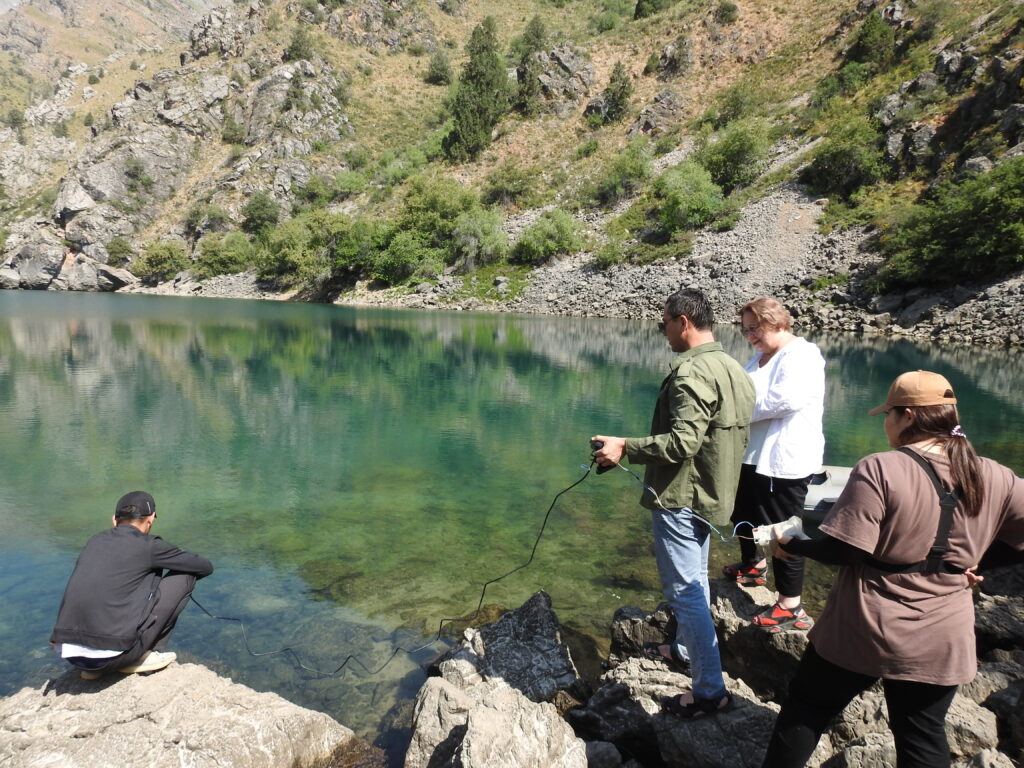
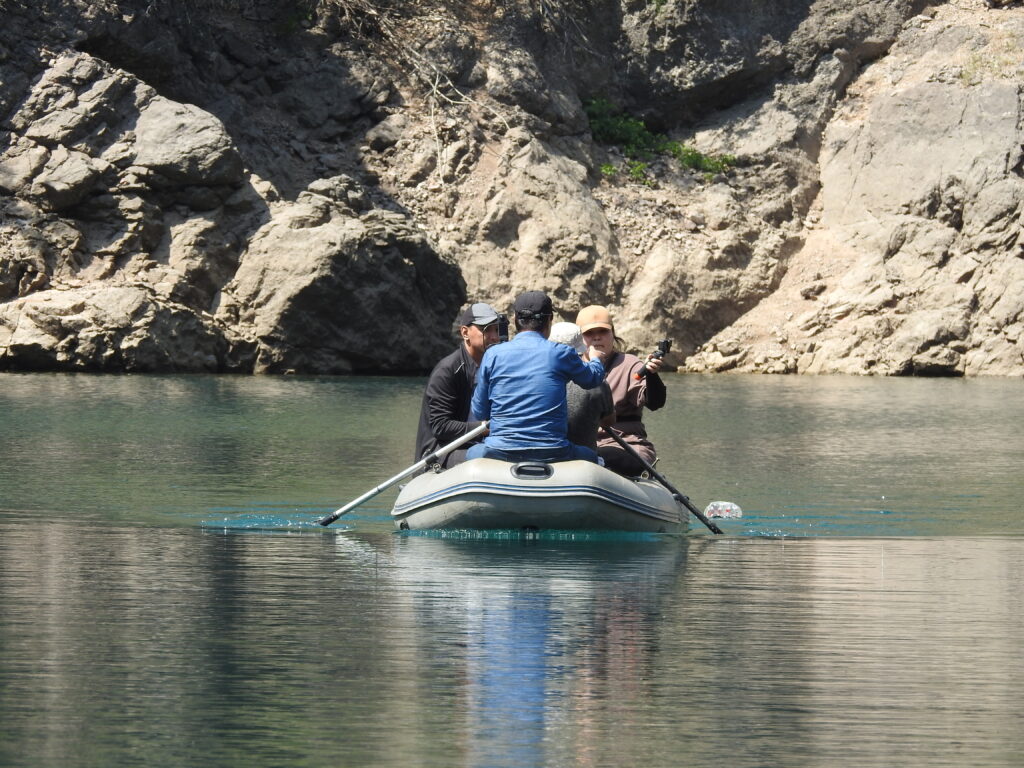
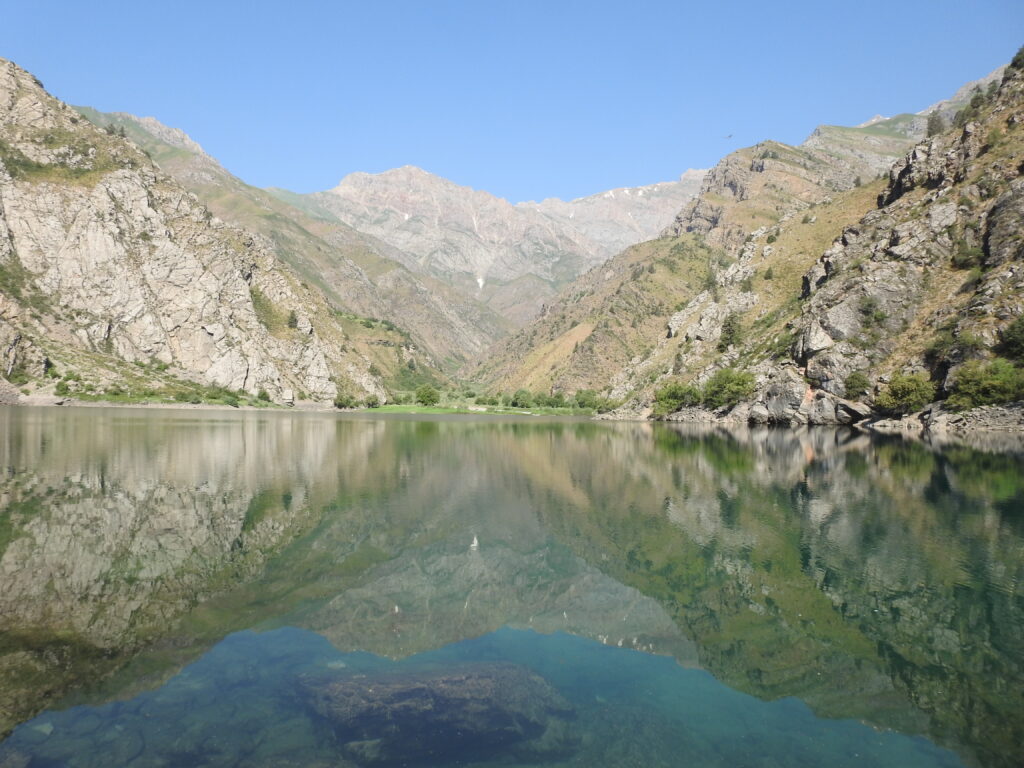
To conclude the visit, the group conducted hydrometric and bathymetric surveys at the Uzungach Lake system, which feeds into the Pskem River. These data will support future planning for hazard monitoring and early warning.

Through sustained outreach and practical engagement, GLOFCA continues to support climate resilience and disaster preparedness in Uzbekistan’s high mountain regions.

GLOFCA Participates in High-Level Glacier Preservation Conference in Tajikistan

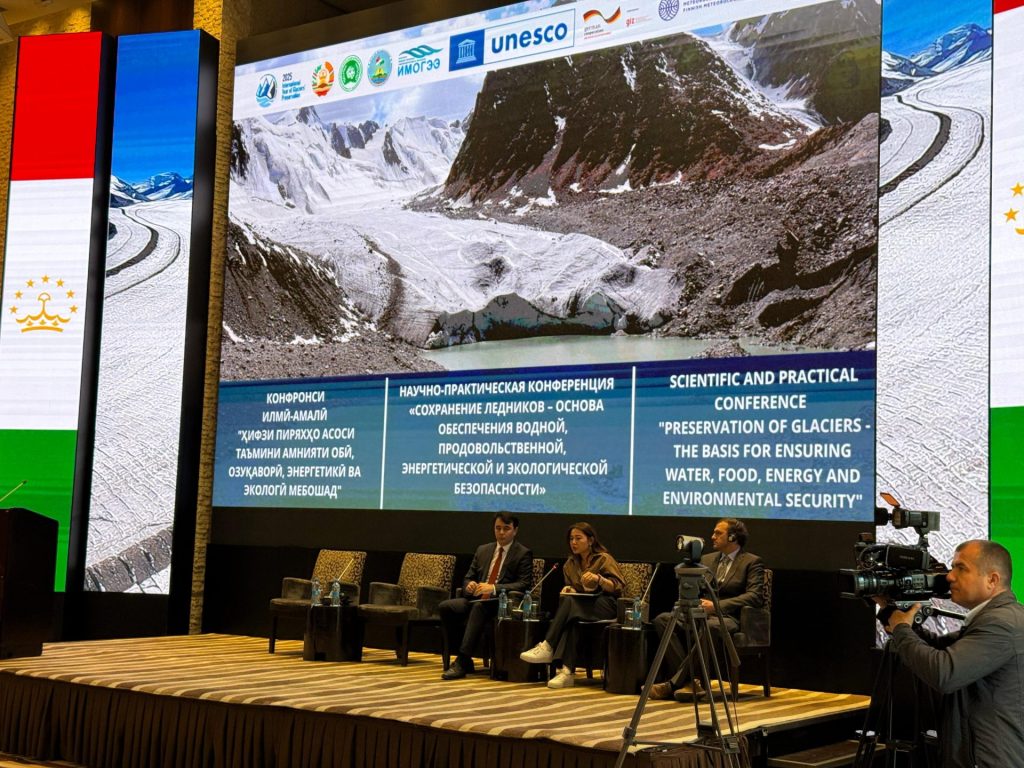
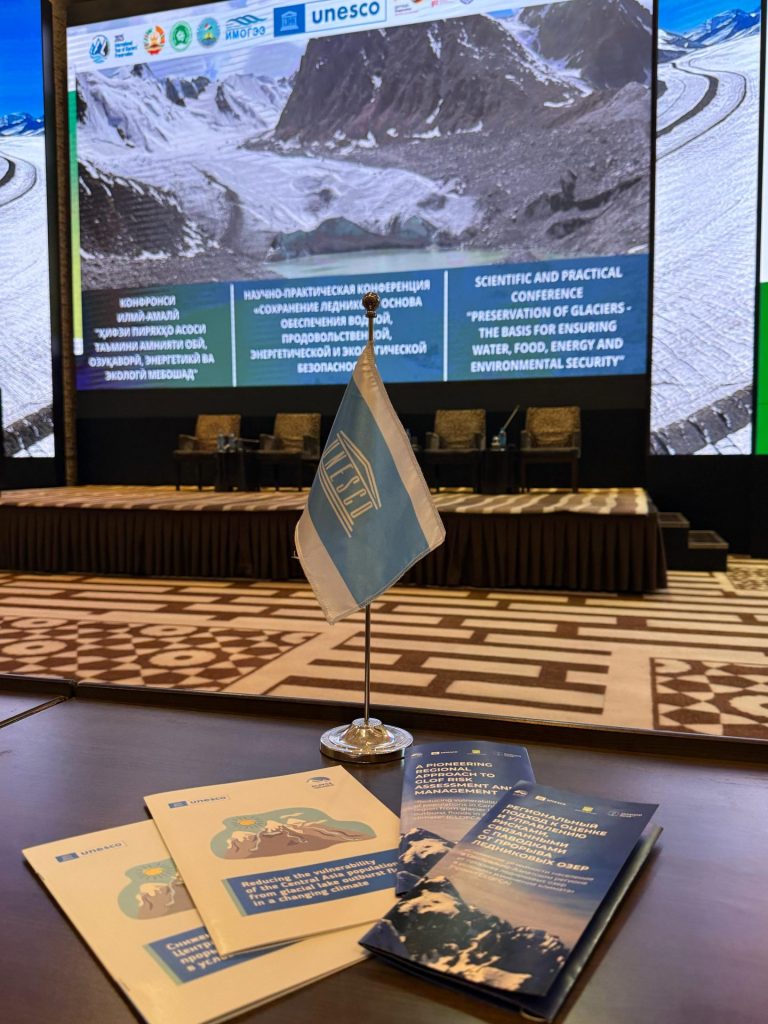
On 20–21 March 2025, the GLOFCA project was represented at the International Scientific and Practical Conference on “Preservation of Glaciers – The Basis for Ensuring Water, Food, Energy, and Environmental Security”, held in Dushanbe, Tajikistan. The event was organized in collaboration with the Agency of Hydrometeorology under the Committee for Environmental Protection of the Republic of Tajikistan and marked the celebration of the International Day of Glaciers.

The conference brought together researchers, government officials, environmental advocates, and international partners to discuss the importance of glacier preservation for water security and climate resilience. During the high-level plenary session, GLOFCA Project Manager Ms Diana Aripkhanova joined the open discussion with international organizations, emphasizing the relevance of the GLOFCA project in Tajikistan — particularly in addressing the growing threat of glacier lake outburst floods and in supporting regional cooperation to strengthen climate resilience.

The event served as a preparatory step for the High-Level International Conference on Glacier Preservation 2025, to be held in Dushanbe on 29–31 May 2025.

GLOFCA at the First World Day for Glaciers: Side Event in Paris

On 21 March 2025, the GLOFCA project was featured during a high-level side event at UNESCO Headquarters in Paris, held as part of the joint celebration of the first-ever World Day for Glaciers and World Water Day. The event, titled “Climate Change Impact on Cryosphere, from Glaciers to the Sea: Examples from the Regions,” brought together national representatives from Central Asia, regional project experts, representatives from key research institutions as well as representatives of cryosphere-related projects from Africa and Latin America.

Among the speakers were Mr. Ramazon Rahmonov (Agency for Hydrometeorology of the Committee for Environmental Protection under the Government of the Republic of Tajikistan), Dr. Bolot Moldobekov (Central Asian Institute for Applied Geosciences, the Kyrgyz Republic), and Dr. Christian Huggel (the University of Zurich). The session was co-organized by UNESCO’s Intergovernmental Oceanographic Commission (IOC) and the UNESCO Regional Office in Almaty.

The GLOFCA project was presented as a key regional initiative addressing glacier lake outburst floods through the installation of Early Warning Systems and low-cost adaptation measures. The event emphasized the importance of regional cooperation, data systems, and long-term strategies for cryosphere monitoring and climate adaptation.

Developing a Roadmap to Reduce the Risk of Glacier Lake Outburst Floods in Tajikistan

On January 13, 14, and 16, 2025, Dushanbe hosted a series of workshops focused on developing a roadmap to reduce the risk of glacier lake outburst floods (GLOFs) in the context of climate change. The event was organized by the Agency for Hydrometeorology of the Committee for Environmental Protection under the Government of the Republic of Tajikistan, in collaboration with the UNESCO Regional Office in Almaty, as part of the GLOFCA project funded by the Adaptation Fund.

The workshops aimed to develop practical recommendations for drafting the roadmap, taking into account priority areas outlined in National Strategy for Adaptation to Climate Change of the Republic of Tajikistan for the period up to 2030. The strategy identifies key sectors most vulnerable to climate change, which are energy, water resources, transport, and agriculture.

During the sessions experts, scientists, and government representatives discussed the current and potential threats associated with glacier lakes and their impact on the identified priority sectors. Participants analyzed climate change impact on the formation and outbursts of glacier lakes, reviewed real-life case studies and international best practices, and proposed measures to address these risks. The final recommendations will serve as a foundation for national planning efforts in climate change adaptation (CCA).

The GLOFCA project supports CCA efforts by implementing comprehensive measures to mitigate the risks associated with GLOFs in Central Asia. The project focuses on monitoring glacier lake conditions, developing and installing early warning systems, and enhancing disaster preparedness through specialist training and public awareness initiatives.

Insights into GLOF risk management shared at COP29 side event

As part of COP29, held this year in Baku, Azerbaijan, a side event titled “Glacial lake outburst floods and flows: responding to climate change risks related to the world’s glaciers” brought attention to the escalating risks posed by GLOFs. Organized by the Adaptation@Altitude Programme of the Swiss Agency for Development and Cooperation (SDC), the event explored innovative solutions for managing these hazards.

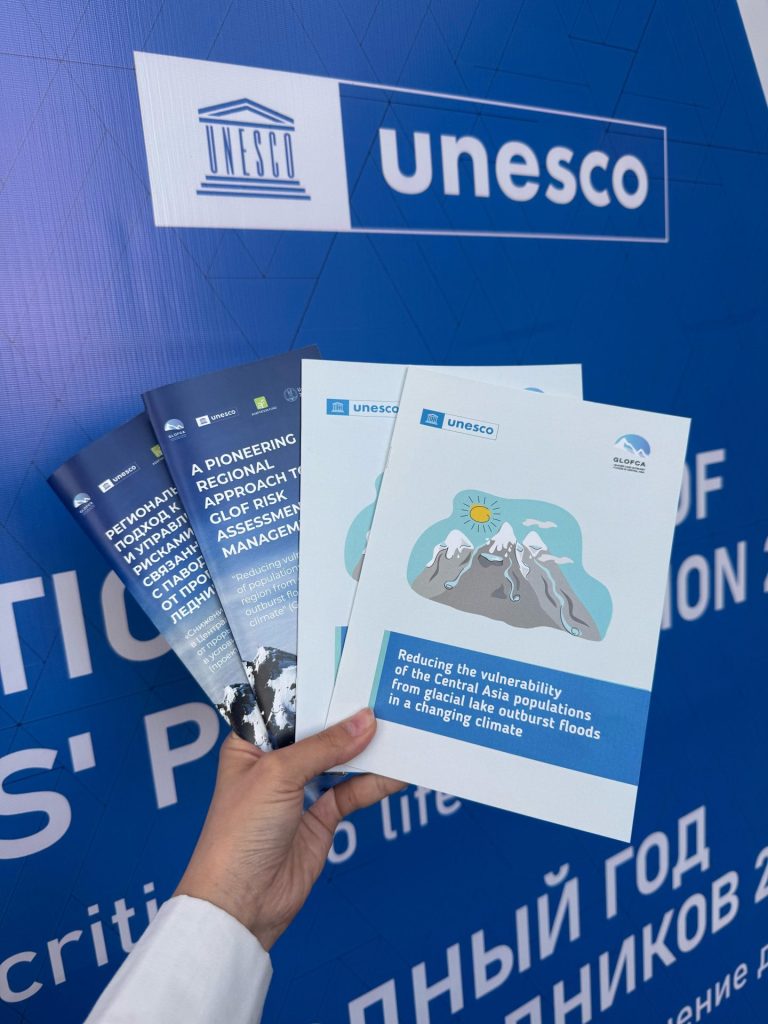
The GLOFCA project was represented at the event by Simon Allen, a project scientist from the University of Zurich. In his keynote presentation, Allen shared insights on GLOF risk management in rapidly changing mountain environments, drawing from a comprehensive review of over 100 global GLOF disaster risk management projects. This global review, led by Laura Niggli (also of the University of Zurich), has provided critical insights and best practices for disaster risk reduction strategies now being implemented in GLOFCA’s pilot regions. Key recommendations from the review have been elaborated through case studies and compiled into a brochure designed for decision-makers, civil society, and implementation agencies.

Watch the presentation and access the brochure below.

Regional Cooperation for Safer Future: Early Warning Systems for GLOFs

From October 22 to 24, 2024, Almaty hosted a seminar under the GLOFCA project titled ” Glacier Lake Outburst Flood Early Warning Systems: technical design, instrumentation and communication.” Organized by the UNESCO Regional Office in Almaty, the event gathered national experts, technical specialists, and representatives from the University of Zurich and SensAlpin.

Big Almaty Lake

Growing Risks of Glacier Lake Outbursts

The accelerating glacial melt in Central Asia increases the risk of glacier lake outbursts, posing serious threats to mountain communities, their settlements, and infrastructure.

“Our region is highly vulnerable to debris flows. Kazakhstan alone has around 2,600 glaciers and more than 300 hazardous basins. Among the most destructive flows are those triggered by seismic activity, as well as glacial-origin debris flows caused by moraine lake outbursts,” noted Murat Kasenov, Deputy Head of the state organization Kazselezashita. Kasenov added, “With global climate change, glaciers are becoming increasingly vulnerable, leading to the formation of new moraine lakes and the expansion of existing ones. For example, one lake in the Chilik River basin has grown by one million cubic meters over the past two years, creating a significant debris flow hazard.”

EWS Workshop presentation

Collaborative Efforts to Develop Early Warning Systems in the Region

The seminar aimed to develop and plan the implementation of early warning systems (EWS) for pilot sites in each project country. Dr. Andreas Hasler, a representative from SensAlpin, shared Switzerland’s experience in implementing EWS, followed by a discussion with country representatives on adapting this approach to the specific conditions in Central Asia.

“Early warning systems must be tailored to the unique hazards of each region. We need to combine approaches, integrating physical barriers such as dams with automated systems,” Dr. Hasler emphasized.

The seminar fostered collaborative planning of EWS installation, technical maintenance, and operation within each country. During group discussions, participants also considered low-cost risk mitigation measures.

Hands-On Learning and Practical Knowledge Exchange

As part of the seminar, participants visited Kazselezashita’s Emergency Monitoring and Early Warning Center, where they reviewed the automated monitoring system and the stages of emergency alerting. They also toured the Ayusay dam, the Kumbel hydropost, and the Big Almaty Lake meteorological station. This visit enriched discussions and further enhanced knowledge exchange among the participants.

Youth and Young Professionals Gain Practical Insights on Climate Adaptation

Women-Led Expedition Empowers and Educates in Central Asia’s High Mountains

In the recent ‘Adventure of Science: Women and Glaciers in Central Asia’ expedition, the focus on climate change adaptation empowered a new generation of young explorers, scientists, and leaders.

Hands-On Learning

Young participants explored the Kyrgyz Ala Archa National Park, learning about natural hazards like Glacier Lake Outburst Floods (GLOFs) directly from expert Laura Niggli.

Practical Knowledge

On-site evidence and hazard assessment skills were imparted, crucial for safe living in GLOF-prone regions.

Project Background

The program is part of ‘Cryospheric Observation and Modeling for Improved Adaptation in Central Asia (CROMO-ADAPT),’ supported by the Swiss Agency for Development and Cooperation (SDC) and executed by the University of Fribourg, in collaboration with UNESCO, Girls on Ice Switzerland, and Central-Asian Institute for Applied Geosciences ********(CAIAG).

Empowering Young Women

The program fosters critical thinking and curiosity, especially among young women, promoting gender diversity in science and leadership.

Impact

  • Youth and Young Professionals: Practical experience enhances their capacity in climate adaptation, disaster risk management, and environmental sciences.
  • Local Communities: Understanding landscape features is vital for safer living in hazard-prone areas.
  • Young Civil Servants: Insights and expertise gained contribute to their effectiveness in climate-related work.
  • Empowering Women: Promoting gender inclusivity in science and leadership is a step towards a more diverse and resilient future.
  • International Collaboration: Cooperation among organizations and agencies underscores the collective effort to address climate challenges.

This expedition marks a milestone in climate adaptation capacity building, inspiring a new generation to confront the pressing issues of our time.

Meeting Advances Early Warning System for GLOFs in Kyrgyzstan

Local Support and Technical Challenges Discussed in Key Stakeholder Meeting

In a recent meeting, members of the GLOFCA team, partners, and stakeholders gathered to discuss the development of an Early Warning System (EWS) for Glacial Lake Outburst Floods (GLOFs) in Kyrgyzstan’s Ala-Archa National Park.

EWS Progress Shared

Laura Niggli and Holger Frey from UZH presented the current status of EWS planning to local representatives, including community leaders and National Park members.

Input from Stakeholders

The meeting provided a platform for stakeholders to share their insights on how to best alert residents, tourists, and dacha owners about potential GLOFs and debris flows.

Local Support Evident

Local organizations expressed strong interest in the EWS and warmly welcomed plans for its establishment, emphasizing the need for improved disaster preparedness.

Challenges Identified

The meeting also revealed technical and administrative questions that require resolution in the finalization of the EWS design.

Implications for Stakeholders

  • Local Communities: Local communities are integral to the success of the EWS and should stay engaged in its development to ensure their safety.
  • Local Research Institutes: Their expertise is crucial in shaping the EWS, and their involvement ensures regional knowledge is leveraged effectively.
  • Governmental Agencies Responsible for GLOFs: Government agencies should capitalize on local support and address technical and administrative challenges to enhance disaster preparedness. Their commitment is key to addressing specific hazards and enhancing preparedness at a governmental level.

Overall, the meeting signifies progress in EWS development and underscores the need for collaboration and problem-solving to protect Kyrgyzstan’s communities from GLOFs.

Collaborative Research Explores Hazards in Pamir Region, Aims to Improve Disaster Preparedness

In a recent expedition to the Pamir region, a team of researchers and agencies explored the beauty and hazards of the area, shedding light on crucial findings that have far-reaching implications.

Collaborative Research Efforts

Collaborative efforts involving the Aga Khan Agency of Habitat (AKAH), Tajik Hydromet, local research institutes, governmental agencies responsible for GLOFs, and the University of Zurich (UZH) marked the expedition. This synergy allowed for a comprehensive approach to understanding and addressing environmental risks in the region.

Local Insights

The team engaged with local communities, gaining valuable insights into their traditions, living conditions, and perceptions of risk. This local knowledge forms a crucial foundation for disaster preparedness and response.

Field Campaign Objectives

The expedition focused on assessing the susceptibility of lakes above the village of Varshedz to glacial lake outburst floods (GLOFs). Activities included data collection, bathymetric surveys, and the placement of temperature loggers.

Early Warning Systems (EWS)

Discussions with AKAH, Tajik Hydromet, local research institutes, and governmental agencies responsible for GLOFs experts explored the concept of a future Early Warning System (EWS). These discussions encompassed logistics, administrative, political, and technical considerations, laying the groundwork for effective inter-institutional collaboration and EWS implementation.

The findings of expedition resonate with various stakeholders:

  • Local Communities: The importance of local engagement and community knowledge in disaster preparedness is evident, emphasizing the need for communities to stay informed and involved.
  • Local Research Institutes: Collaboration with local research institutes ensures that regional expertise is leveraged to tackle environmental risks effectively.
  • Governmental Agencies Responsible for GLOFs: Involvement of governmental agencies responsible for GLOFs underscores the commitment to address these specific hazards and enhance preparedness at a governmental level. This collaborative research provides critical data for disaster management and planning, informing decisions related to risk mitigation.

Overall, this collaborative research initiative underscores the significance of scientific cooperation, local engagement, and the pursuit of effective Early Warning Systems to mitigate hazards and safeguard communities in the Pamir region.