UNESCO Hands Over Equipment to Strengthen Early Warning Systems in Central Asia at RES-2026

A high-level session, “Cooperation on Early Warning and Disaster Risk Reduction in Central Asia,” was held at the Regional Ecological Summit (RES-2026), organized by the UNESCO Regional Office in Almaty in cooperation with the Ministry for Emergency Situations of the Republic of Kazakhstan under the GLOFCA project.
The session brought together representatives of government agencies, scientific institutions and international organizations to discuss practical approaches to reducing risks associated with glacial lake outburst floods and strengthening regional cooperation. The session also presented practical results of the GLOFCA project, including the implementation of early warning systems at pilot sites, advancements in glacier lake monitoring, and measures to enhance community preparedness.
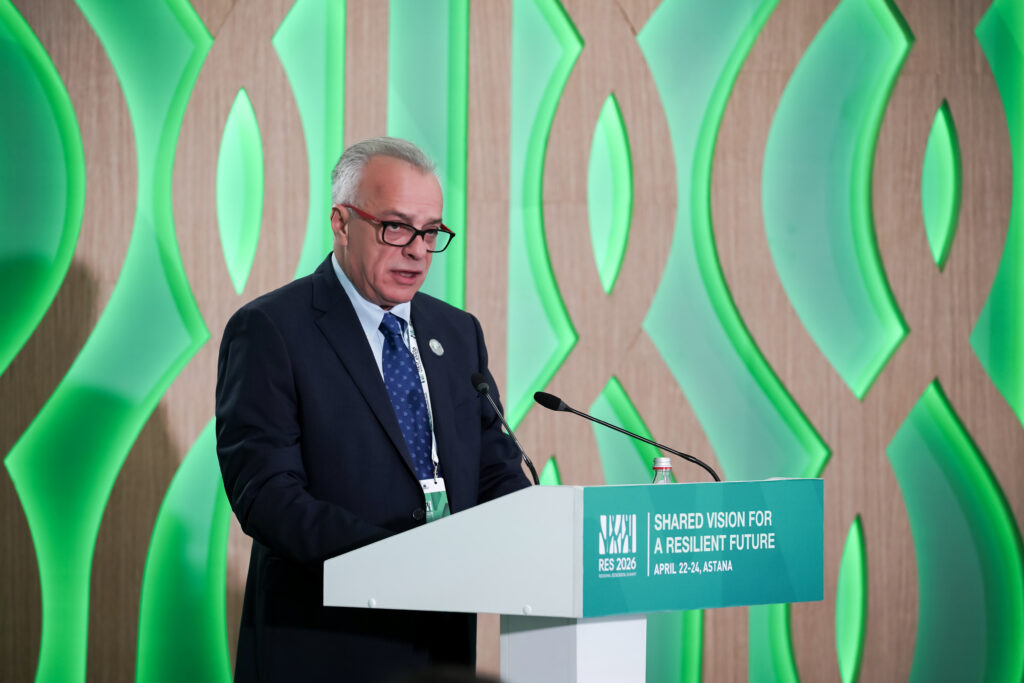
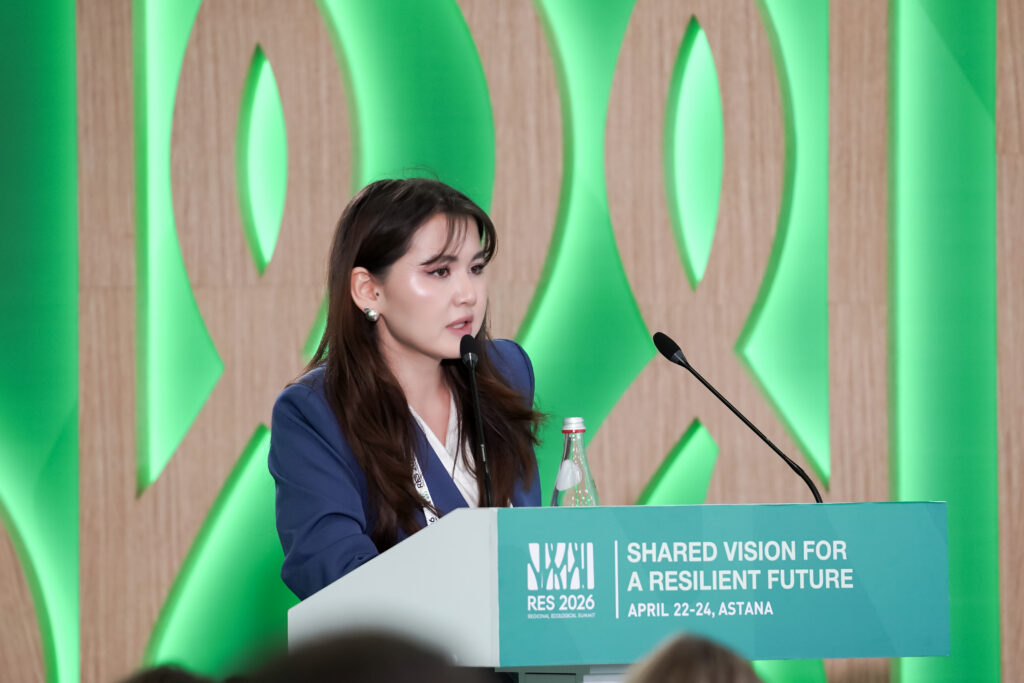
“This Summit provides an important platform to bring together experts from Central Asian countries to exchange experiences and strengthen cooperation in GLOF risk management. For UNESCO, it is also a valuable opportunity not only to share our experience, but to present the concrete results we have achieved together with our partners,” said Amir Piric, Director of the UNESCO Regional Office in Almaty.
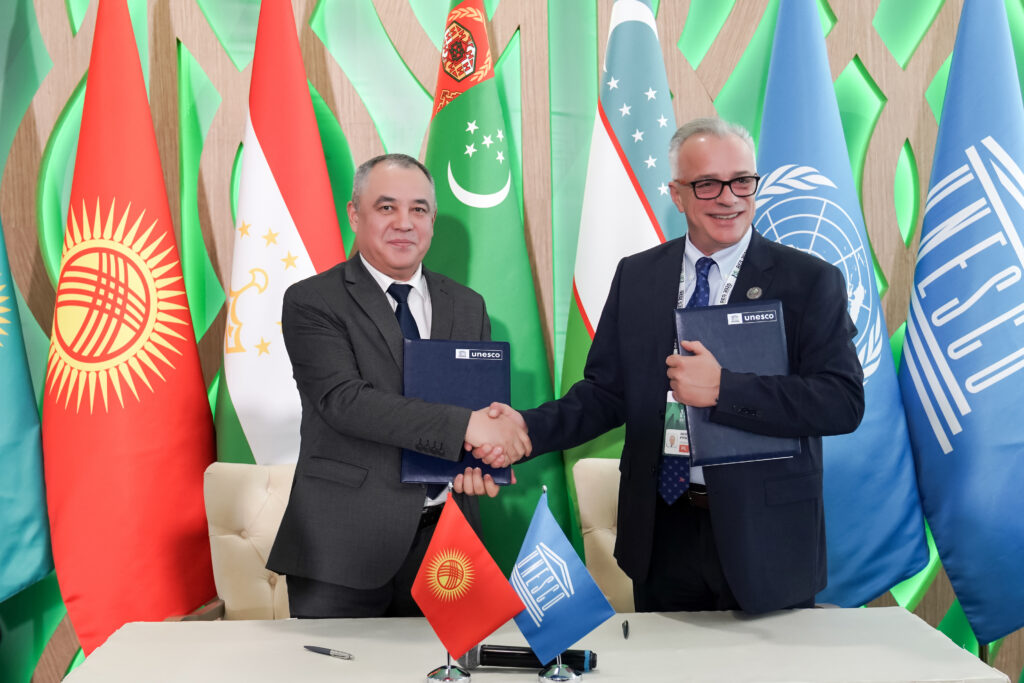
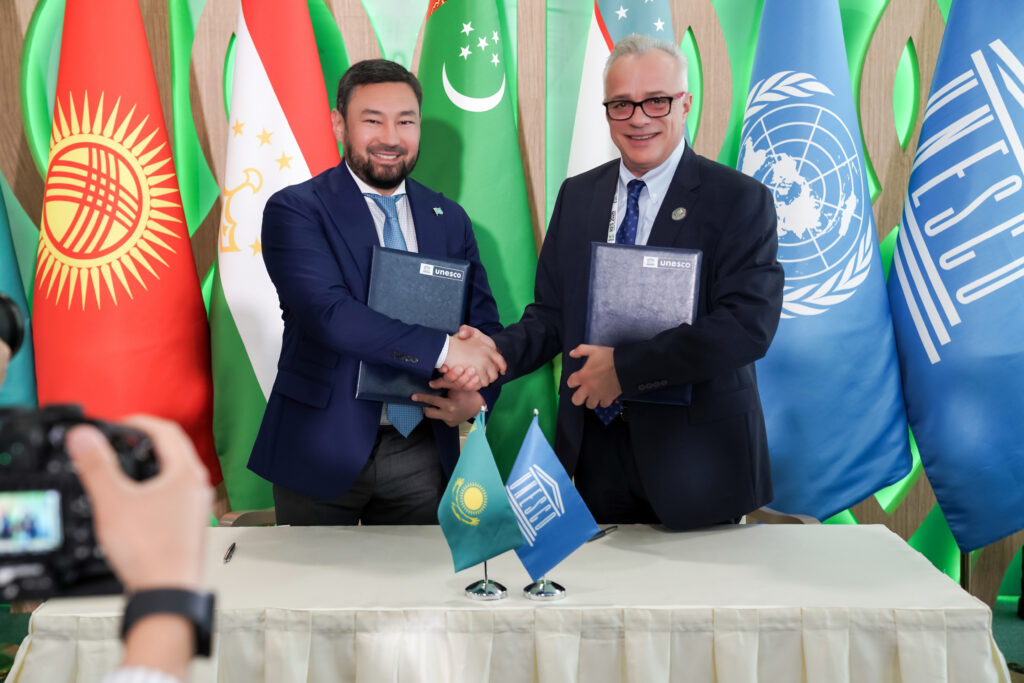
One of the key outcomes of the session was the official handover of equipment to national authorities of Kazakhstan, Kyrgyzstan, Tajikistan and Uzbekistan, including components for monitoring and early warning systems, supporting the long-term operation and sustainability of project results.
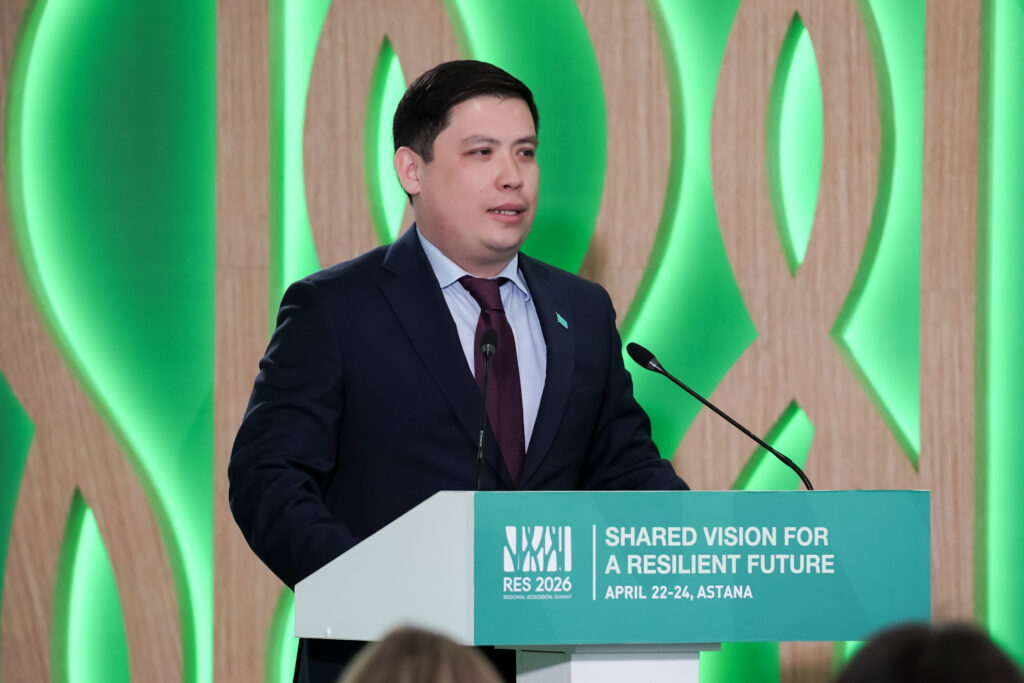
“For Central Asian countries exposed to a wide range of risks, protecting lives and ensuring sustainable development are key priorities. In Kazakhstan, the development of modern automated early warning systems and the introduction of advanced monitoring technologies are an important part of strengthening the civil protection system. Potentially dangerous moraine lakes are already under round-the-clock monitoring by Kazselezashchita specialists, while the transition to automated sensors will improve response efficiency. The equipment being handed over will reinforce this work and support the further development of national monitoring systems,” said Yerbolat Sadyrbayev, Vice Minister for Emergency Situations of the Republic of Kazakhstan.
The handover of monitoring and early warning equipment at the project’s pilot sites will contribute to further scaling up project results in disaster risk reduction and strengthening the resilience of mountain communities.
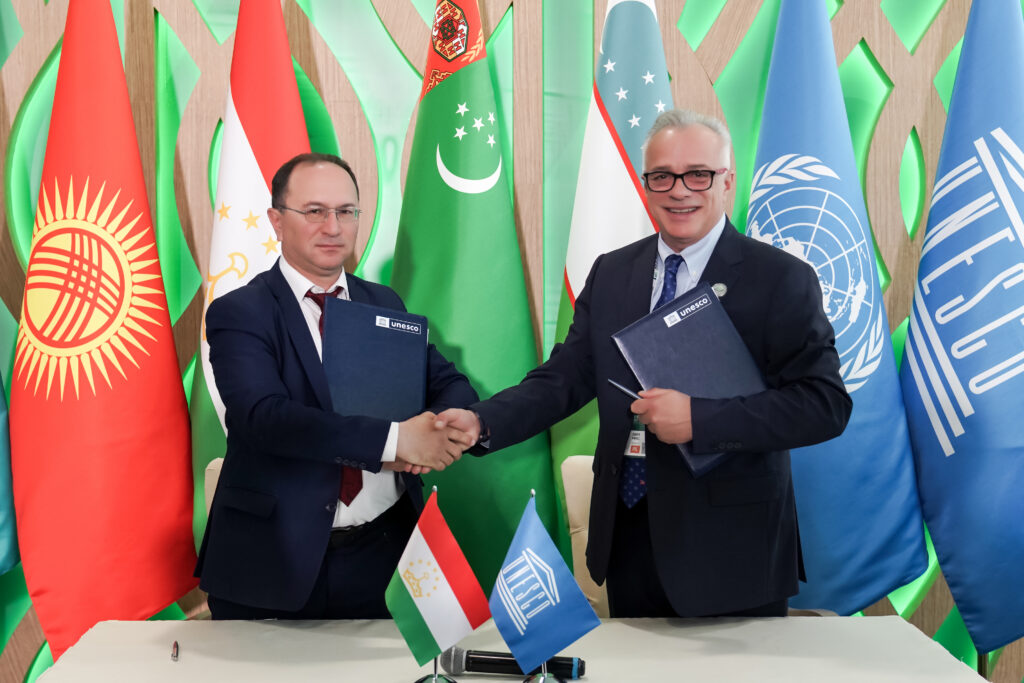
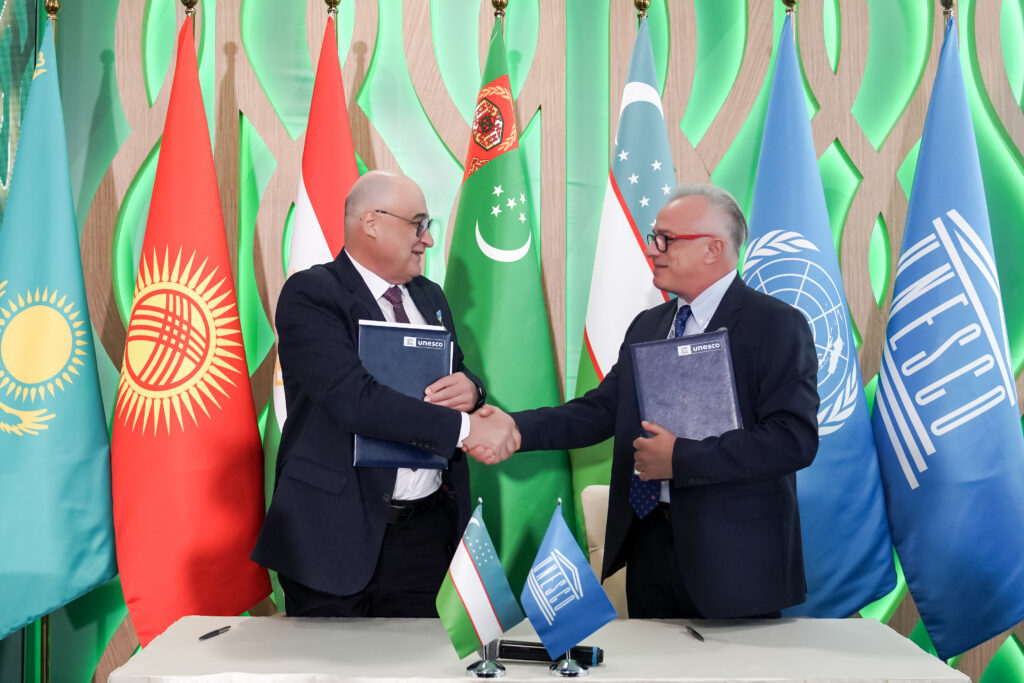
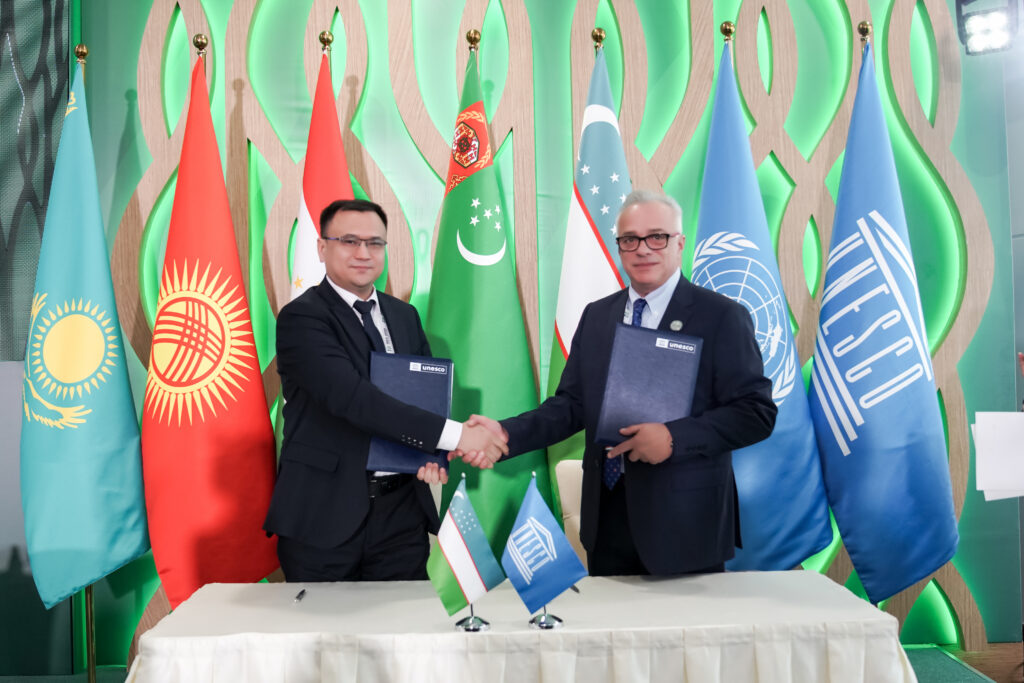
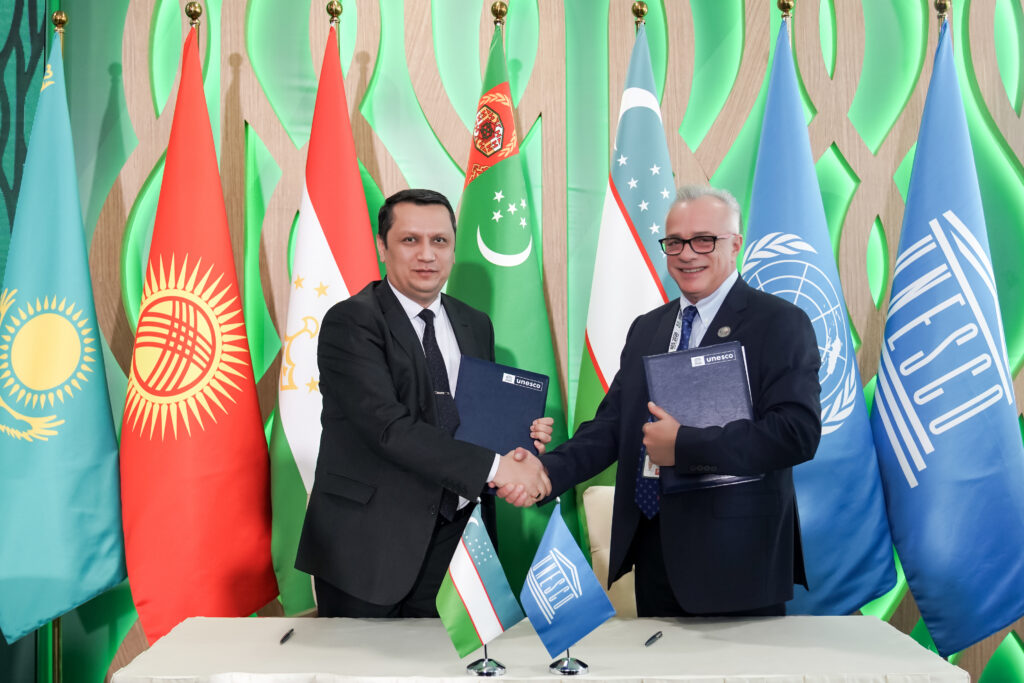
The GLOFCA project is implemented by the UNESCO Regional Office in Almaty with financial support from the Adaptation Fund and aims to reduce the vulnerability of populations in Central Asia to risks associated with glacial lake outburst floods.
Read more


