News Category: Event

UNESCO Hands Over Equipment to Strengthen Early Warning Systems in Central Asia at RES-2026

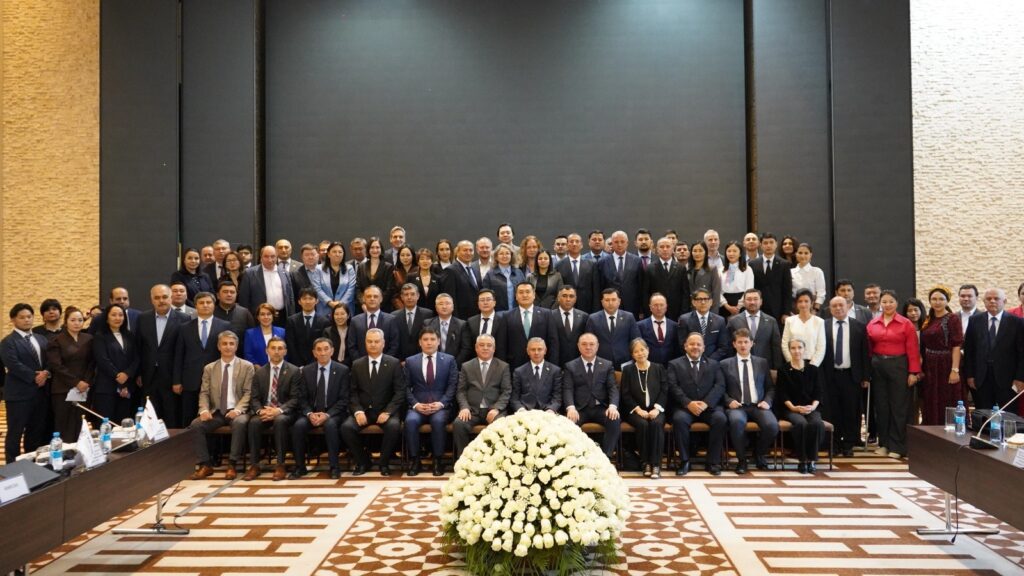
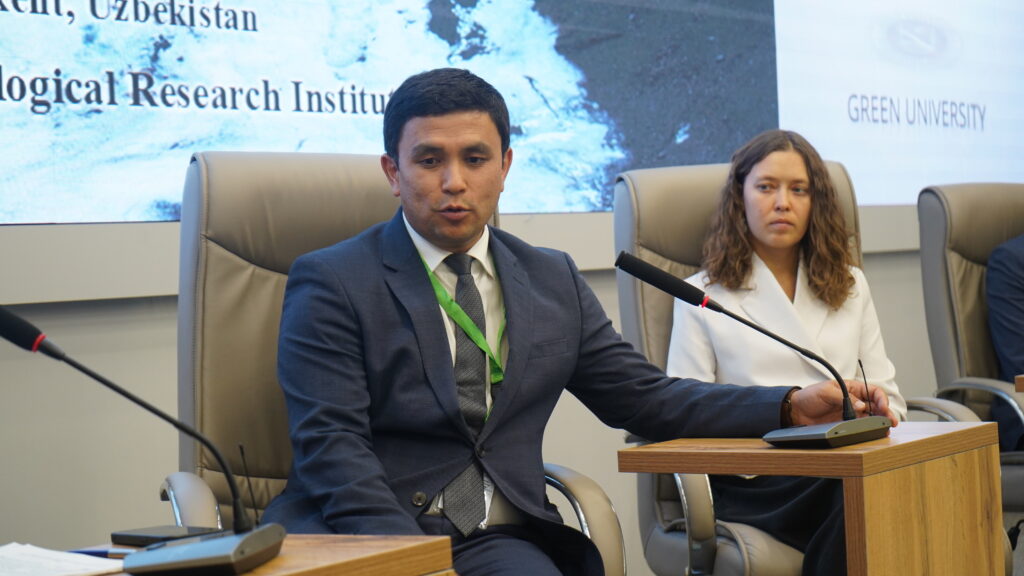
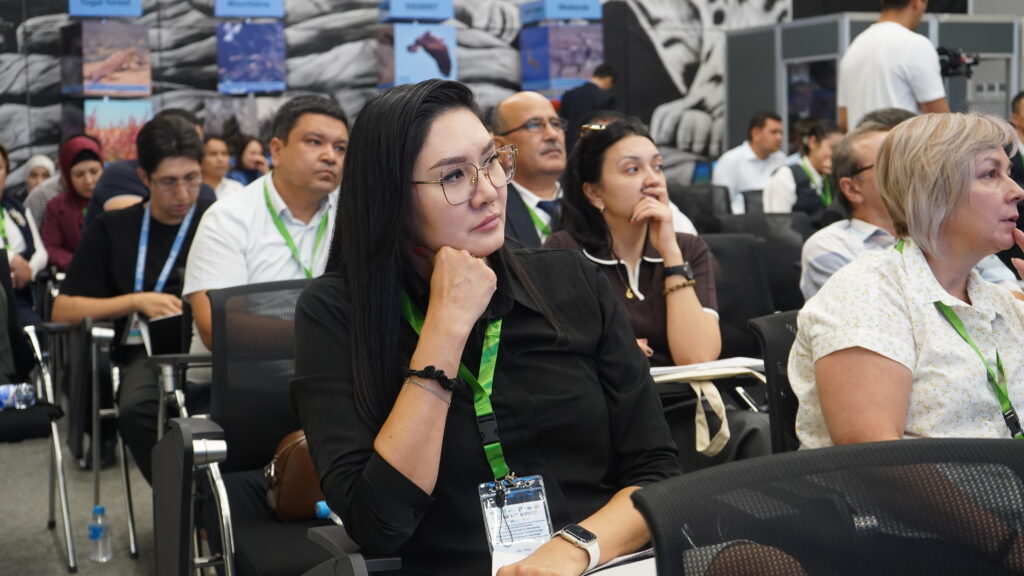
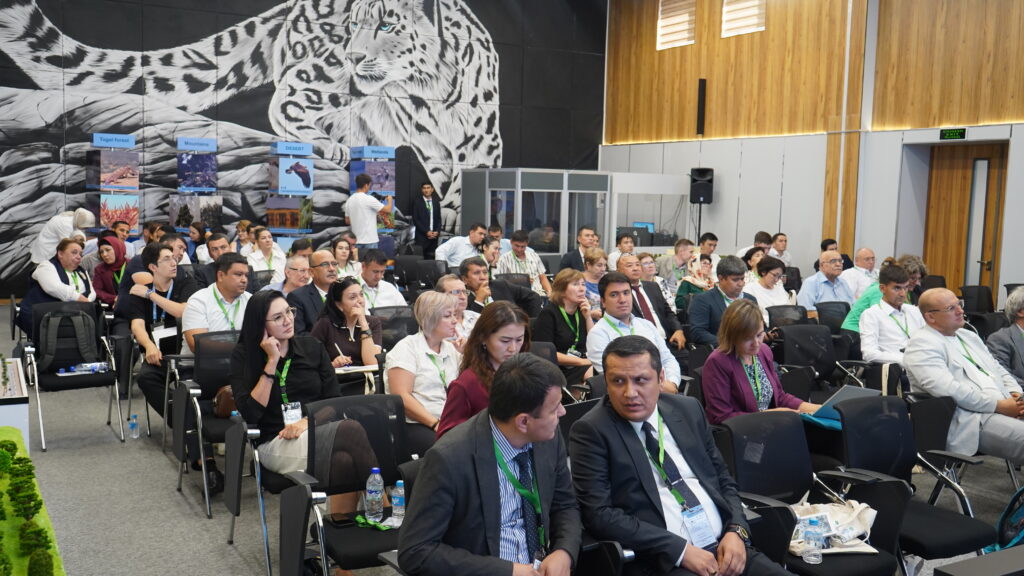
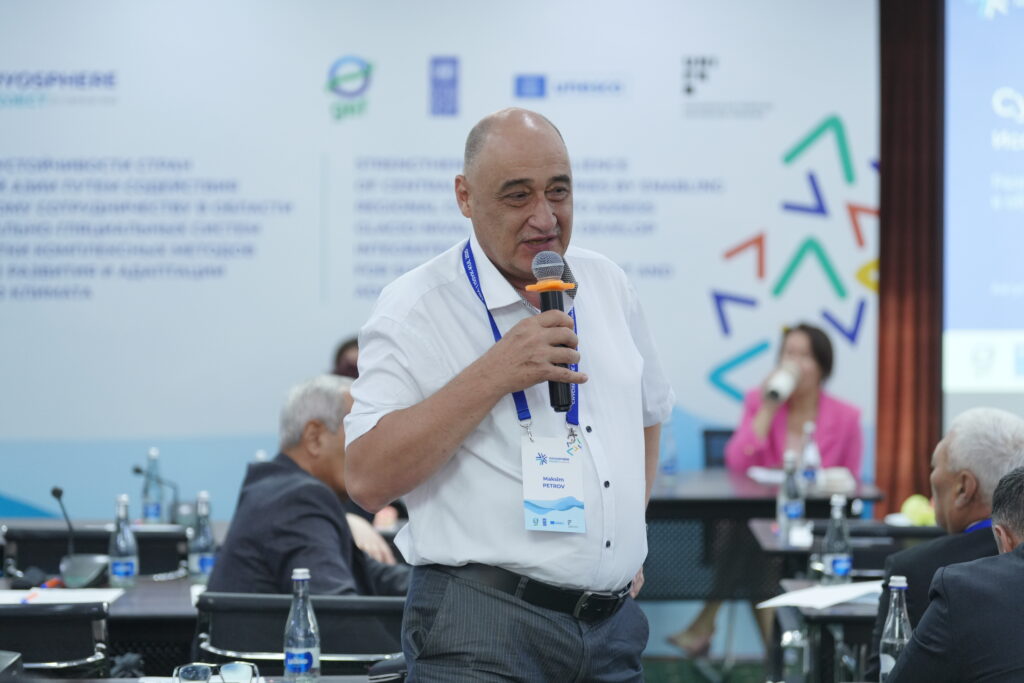
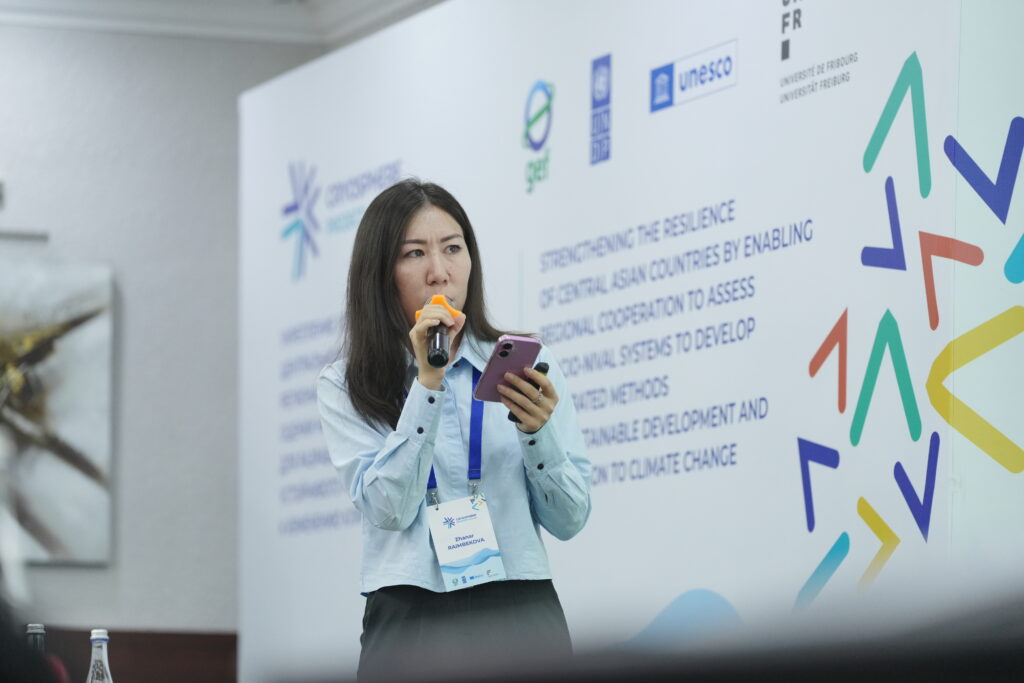
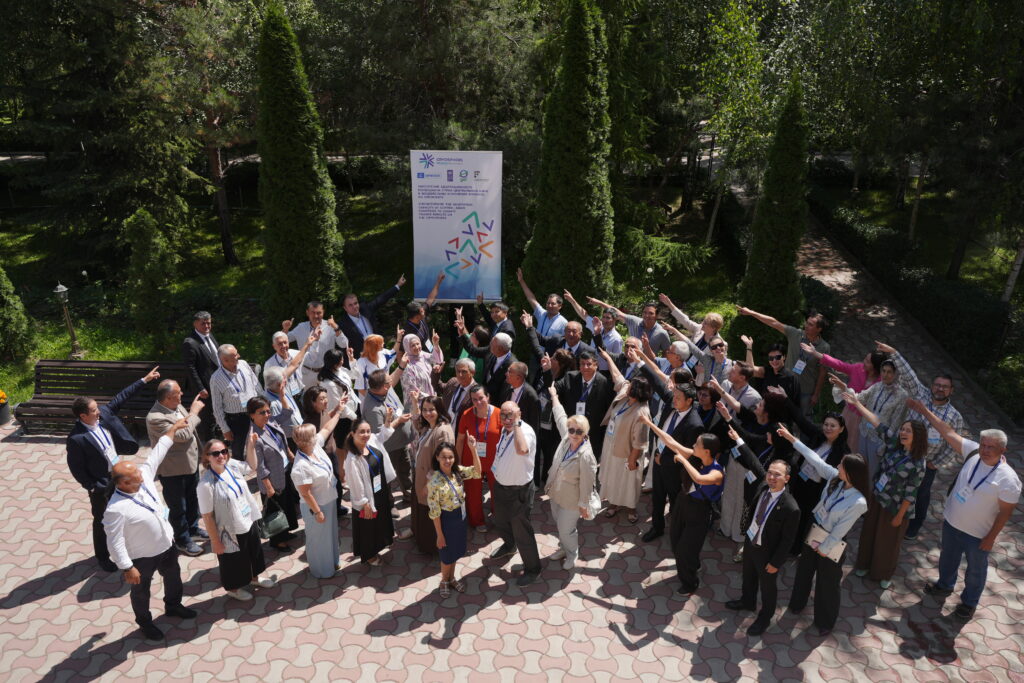
A high-level session, “Cooperation on Early Warning and Disaster Risk Reduction in Central Asia,” was held at the Regional Ecological Summit (RES-2026), organized by the UNESCO Regional Office in Almaty in cooperation with the Ministry for Emergency Situations of the Republic of Kazakhstan under the GLOFCA project.

The session brought together representatives of government agencies, scientific institutions and international organizations to discuss practical approaches to reducing risks associated with glacial lake outburst floods and strengthening regional cooperation. The session also presented practical results of the GLOFCA project, including the implementation of early warning systems at pilot sites, advancements in glacier lake monitoring, and measures to enhance community preparedness.
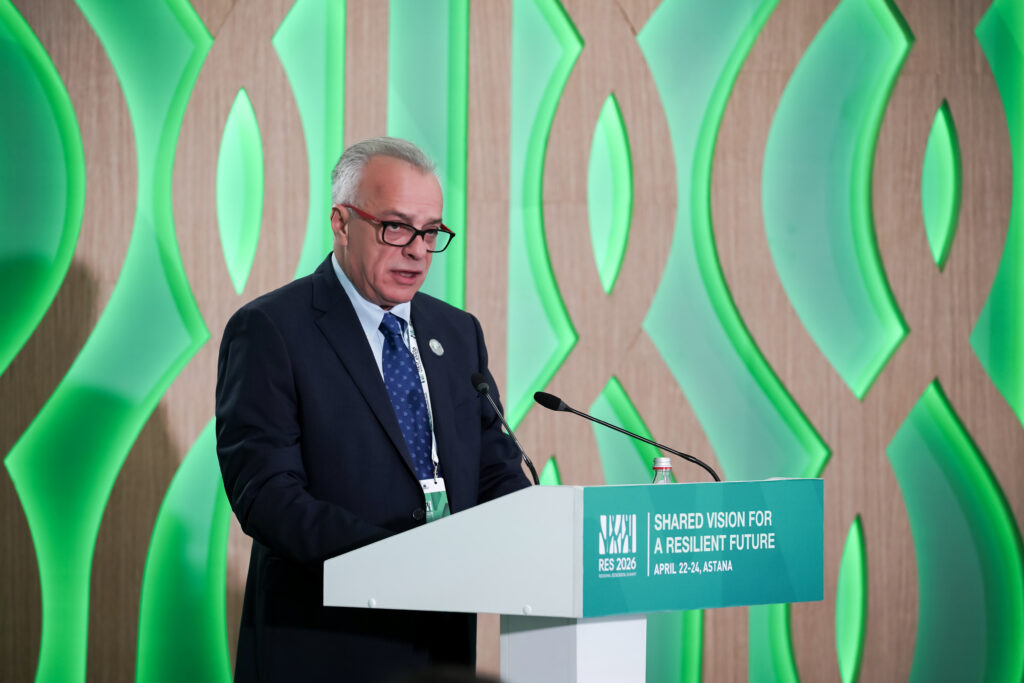
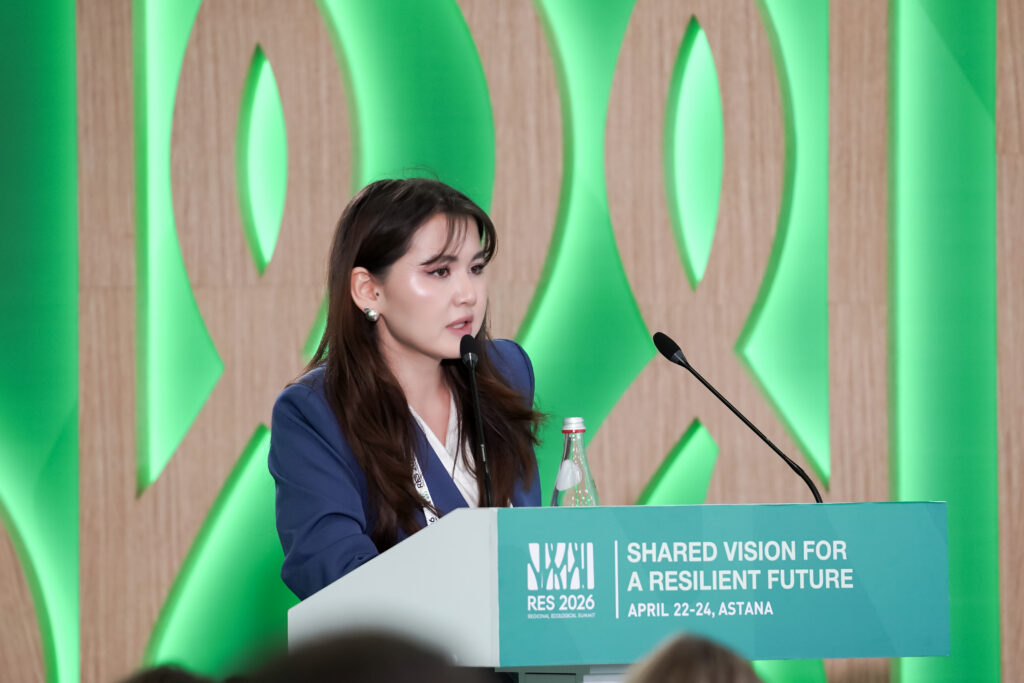
“This Summit provides an important platform to bring together experts from Central Asian countries to exchange experiences and strengthen cooperation in GLOF risk management. For UNESCO, it is also a valuable opportunity not only to share our experience, but to present the concrete results we have achieved together with our partners,” said Amir Piric, Director of the UNESCO Regional Office in Almaty.

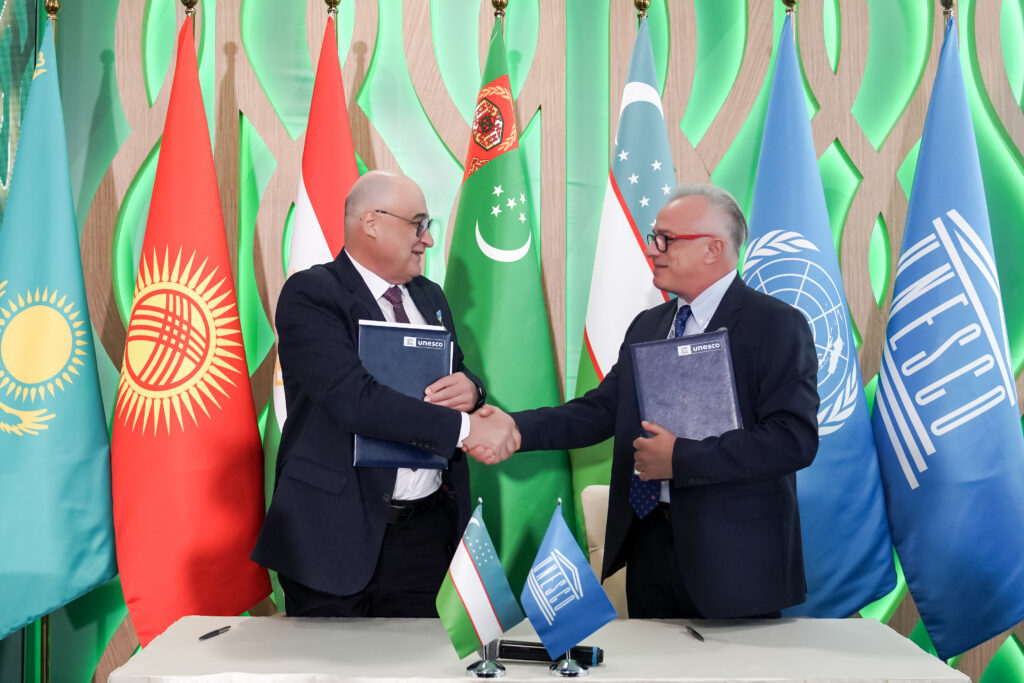
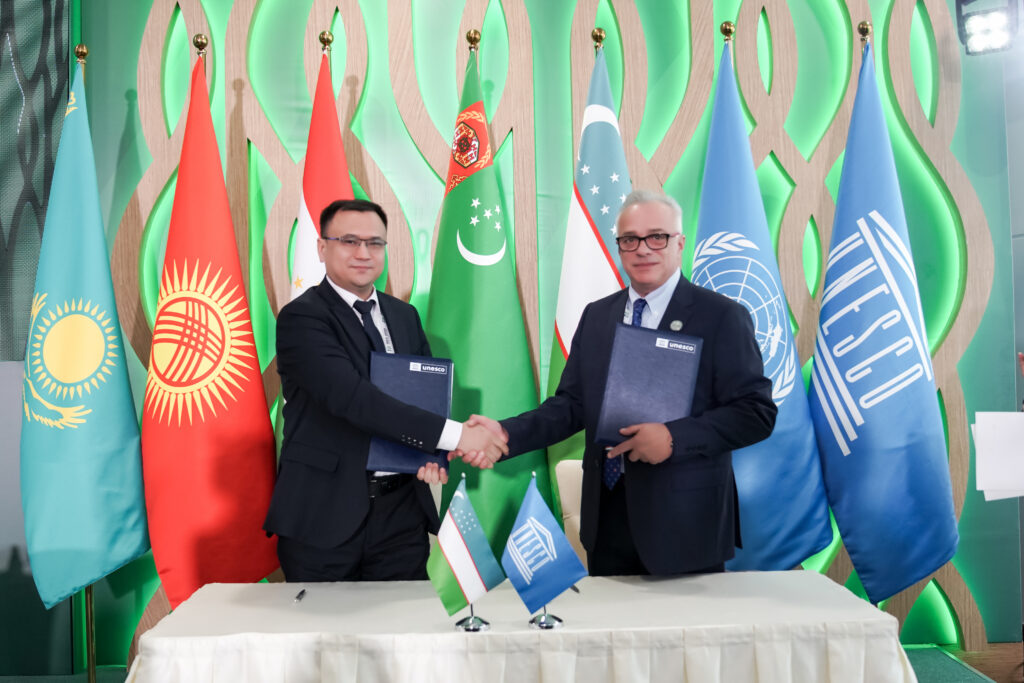
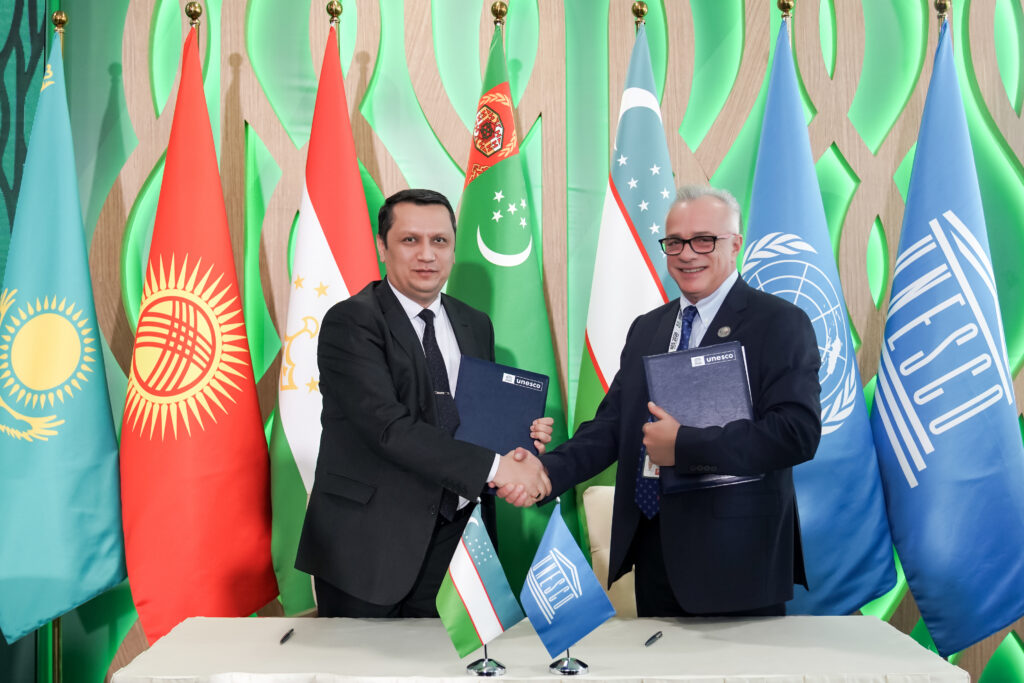
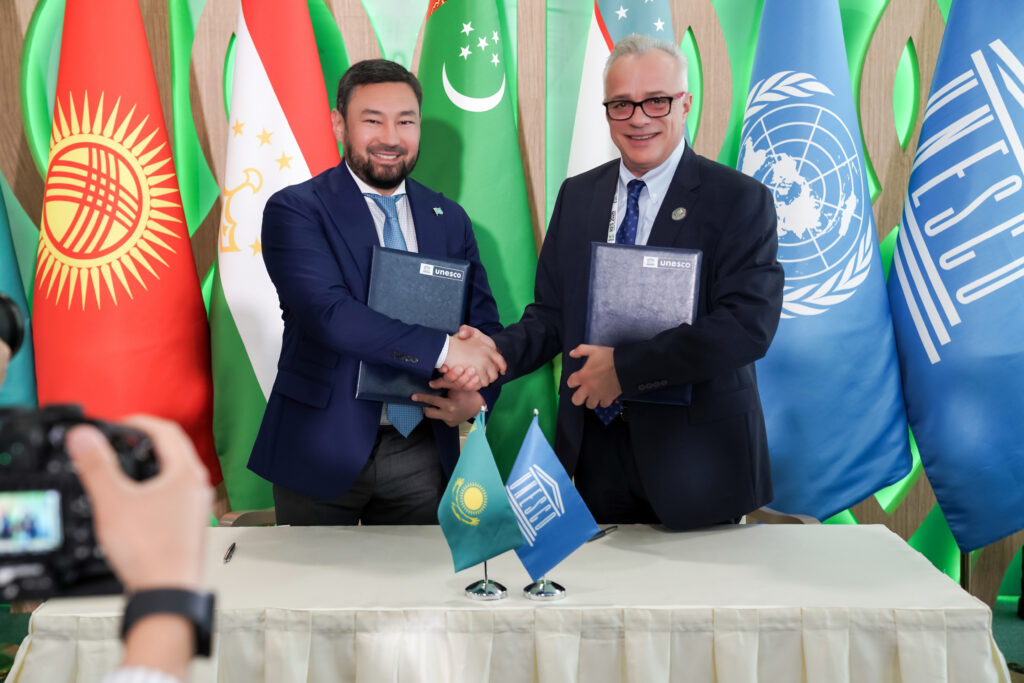
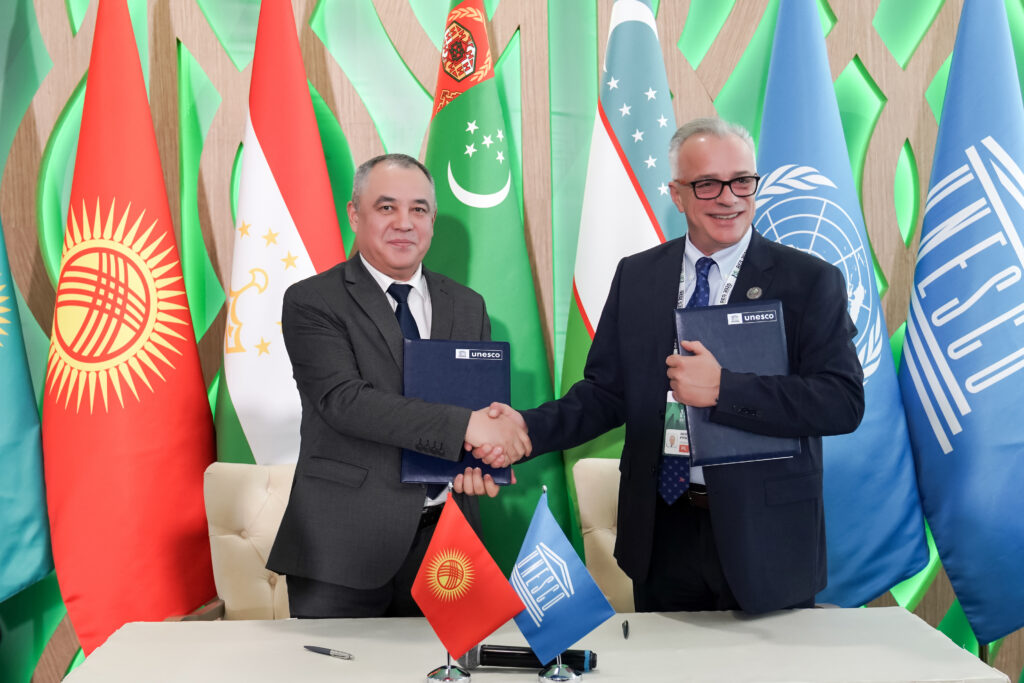
One of the key outcomes of the session was the official handover of equipment to national authorities of Kazakhstan, Kyrgyzstan, Tajikistan and Uzbekistan, including components for monitoring and early warning systems, supporting the long-term operation and sustainability of project results.
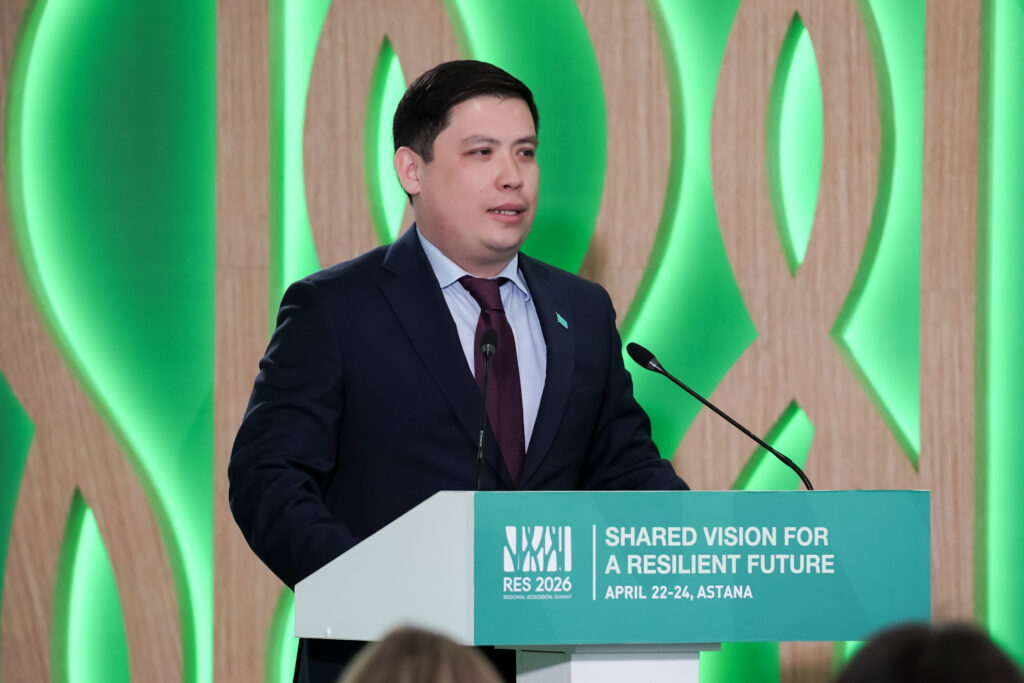
“For Central Asian countries exposed to a wide range of risks, protecting lives and ensuring sustainable development are key priorities. In Kazakhstan, the development of modern automated early warning systems and the introduction of advanced monitoring technologies are an important part of strengthening the civil protection system. Potentially dangerous moraine lakes are already under round-the-clock monitoring by Kazselezashchita specialists, while the transition to automated sensors will improve response efficiency. The equipment being handed over will reinforce this work and support the further development of national monitoring systems,” said Yerbolat Sadyrbayev, Vice Minister for Emergency Situations of the Republic of Kazakhstan.

The handover of monitoring and early warning equipment at the project’s pilot sites will contribute to further scaling up project results in disaster risk reduction and strengthening the resilience of mountain communities.
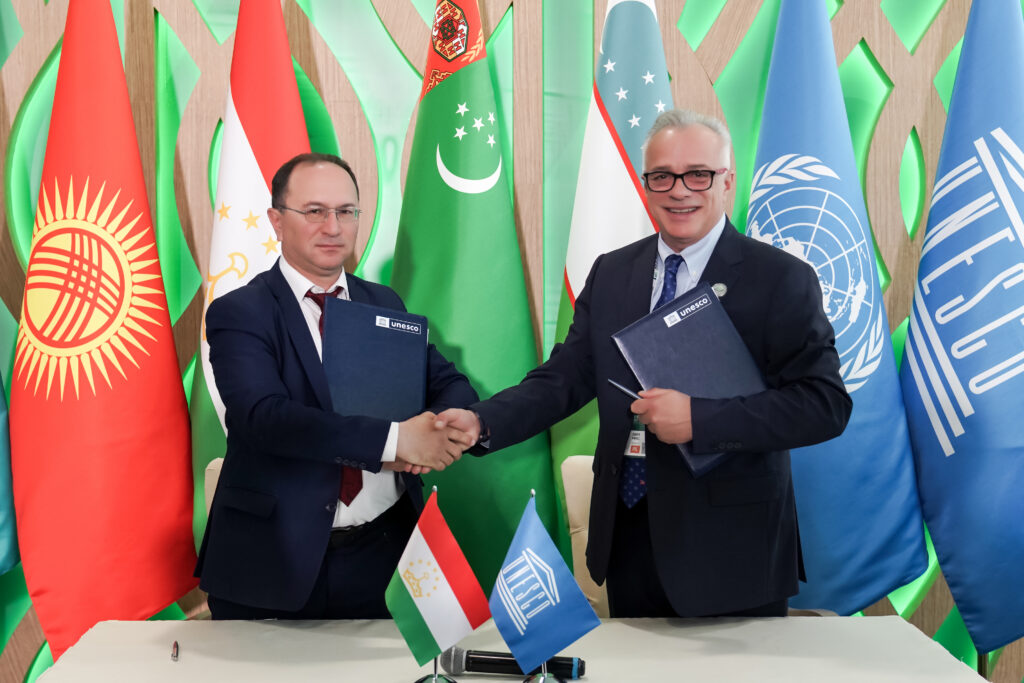
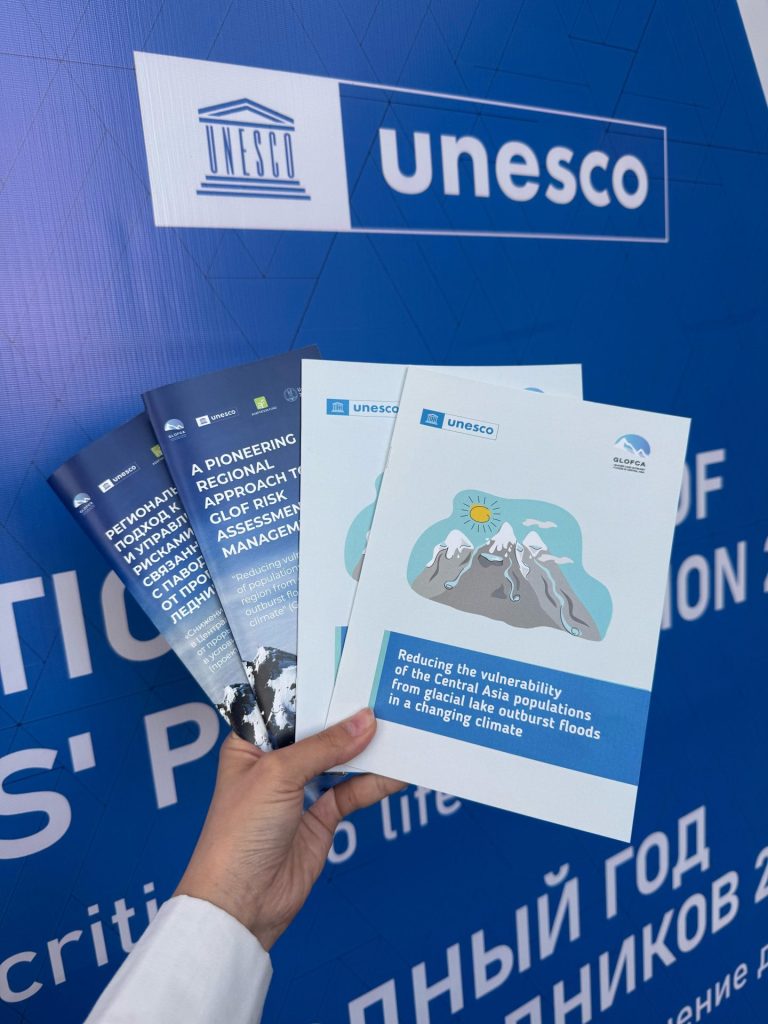
The GLOFCA project is implemented by the UNESCO Regional Office in Almaty with financial support from the Adaptation Fund and aims to reduce the vulnerability of populations in Central Asia to risks associated with glacial lake outburst floods.

RES 2026: Cooperation of Central Asian Countries on Disaster Risk Reduction and the Cryosphere

Central Asia is experiencing accelerated glacier melt. Under a high-emissions scenario (SSP5-8.5), the region could lose up to 85% of its glacier volume by 2100. This places increasing pressure on water resources, infrastructure and communities, while also heightening the risk of natural hazards, including glacier lake outburst floods. As these processes are transboundary in nature, they require coordinated responses at the regional level.
As part of the Regional Ecological Summit (RES), to be held on 22–24 April 2026, the UNESCO Regional Office in Almaty will organize three thematic events. These are implemented under the UNESCO–AF GLOFCA project and the GEF–UNDP–UNESCO Cryosphere Project and aim to strengthen regional cooperation and promote practical approaches to climate change adaptation.

23 April (09:00–10:45)

The session “The Cryosphere of Central Asia: From Scientific Assessment to Joint Climate Adaptation Action” will focus on the interlinkages between changes in high-mountain ecosystems and water availability in the region. Representatives of Central Asian countries will discuss the Joint Subregional Action Programme (JSAP), aimed at strengthening cooperation in monitoring and research of cryosphere components. The JSAP will be presented as a key framework for joint action, supporting enhanced intergovernmental cooperation and alignment of regional adaptation approaches. A Joint Statement by Central Asian countries in support of the JSAP is expected, which will serve as a basis for mobilizing resources, including support from donors, international financial institutions and national funding.

24 April (09:00–10:45)

The session “Cooperation in Early Warning and Disaster Risk Reduction in Central Asia” will present practical results of the GLOFCA project, including the implementation of early warning systems, glacier lake monitoring and community-based risk reduction measures. The session will also include the handover of equipment to national authorities, ensuring the continued operation and sustainability of the systems. The event will facilitate the exchange of practical experience among countries of the region and support the scaling up of effective disaster risk reduction solutions.

24 April (14:00–17:00)

The workshop “Cryosphere and Economy: Water Resources, Agriculture, and Emergencies” will focus on analysing the interlinkages between cryosphere change, water availability, agricultural production and economic development. Participants will explore scenarios of likely and preferred future developments across key areas: cryosphere and water resources, cryosphere and ecosystems, and cryosphere and emergencies. Based on these discussions, recommendations for the next 10–20 years will be developed to support the integration of cryosphere considerations into national and regional development strategies.

If you plan to attend RES in person, we would be pleased to welcome you to UNESCO sessions. It will also be possible to join via live Zoom streaming:

23 April (09:00–10:45) — Session “The Cryosphere of Central Asia: From Scientific Assessment to Joint Climate Adaptation Action”

24 April (09:00–10:45) — Session “Cooperation on Early Warning and Disaster Risk Reduction in Central Asia”

Online Side-Event: Regional Dialogue on Cryospheric Sciences in Central Asia

On 19 March 2026, the UNESCO Regional Office in Almaty will host an online side-event dedicated to advancing regional cooperation on cryospheric sciences in Central Asia.

The event will bring together representatives of Central Asian countries, scientific institutions, and international organizations to reflect on the outcomes of the International Year of Glaciers’ Preservation (2025) and discuss priority regional actions under the Decade of Action for Cryospheric Sciences (2025–2034).

The dialogue aims to strengthen cooperation in research, monitoring, and capacity-building, supporting informed decision-making on water security, climate adaptation, and disaster risk reduction in the region.

Date: 19 March 2026
Time: 15:00–16:30 (Almaty time)
Format: Online

More information

Connection link

GLOFCA Project at the Regional Disaster Risk Reduction Forum in Dushanbe

On 17 October 2025, in Dushanbe, Tajikistan, the UNESCO–Adaptation Fund project “Reducing vulnerabilities of populations in Central Asia regoin from glacier lake outburst floods in a changing climate” (GLOFCA) participated in the Regional Forum: Meeting of the Heads of Emergency Agencies of Central Asian Countries. The Forum was organized by the Committee for Emergency Situations and Civil Defence under the Government of the Republic of Tajikistan together with the Center for Emergency Situations and Disaster Risk Reduction (CESDRR), UNDP, GIZ and the United Nations Office for Disaster Risk Reduction (UNDRR), with support from the governments of Switzerland, Germany and Japan.

The event brought together heads of delegations of emergency agencies from five Central Asian countries, leaders of national hydrometeorological services, and representatives of UN agencies, international organizations and NGOs. Discussions focused on strengthening regional cooperation in disaster risk reduction within the framework of the Sendai Framework for Disaster Risk Reduction to 2030 and the UN global initiative “Early Warnings for All”.

The GLOFCA project presented the current progress in implementing complementary measures across Central Asia and the ongoing preparations for installing early warning systems. The project also contributed to the development of the Regional Strategy for Disaster Risk Reduction in Central Asia for 2022–2030, highlighting gaps in financing, the need to strengthen institutional continuity, and the importance of integrating local knowledge and practices into risk management systems.

The project further took part in shaping practical recommendations on the adoption of effective risk management tools, improving information exchange and developing early warning systems.

Author: CESDRR

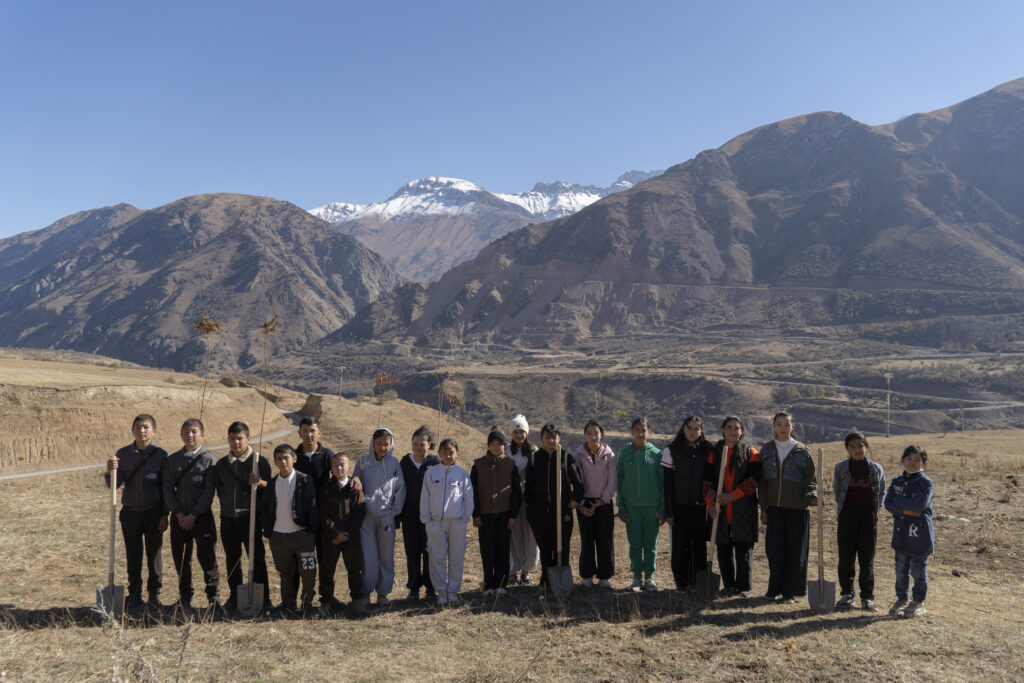
GLOFCA project and partners planted 800 trees in the Pskem Valley to protect against landslides and held a children’s drawing contest

This October, the team of the UNESCO–Adaptation Fund project “Reducing vulnerabilities of populations in the Central Asia region from glacier lake outburst floods in a changing climate” (GLOFCA) and the State Institution “Hydroingeo” organized a large-scale tree-planting campaign in the Pskem Valley of the Tashkent region, one of the project’s pilot sites. The initiative aimed to stabilize slopes and protect local communities from landslides – one of the most serious natural hazards in the area.

The Pskem Valley is prone to multiple natural hazards, with landslides posing the greatest threat. The most recent large-scale event occurred in 2017 in the Khirabulak area, when a landslide with a volume of around one million cubic metres destroyed a road and hundreds of trees. The valley is home to more than 2,000 residents, including in the villages of Pskem and Tepar, both pilot sites of the GLOFCA project.

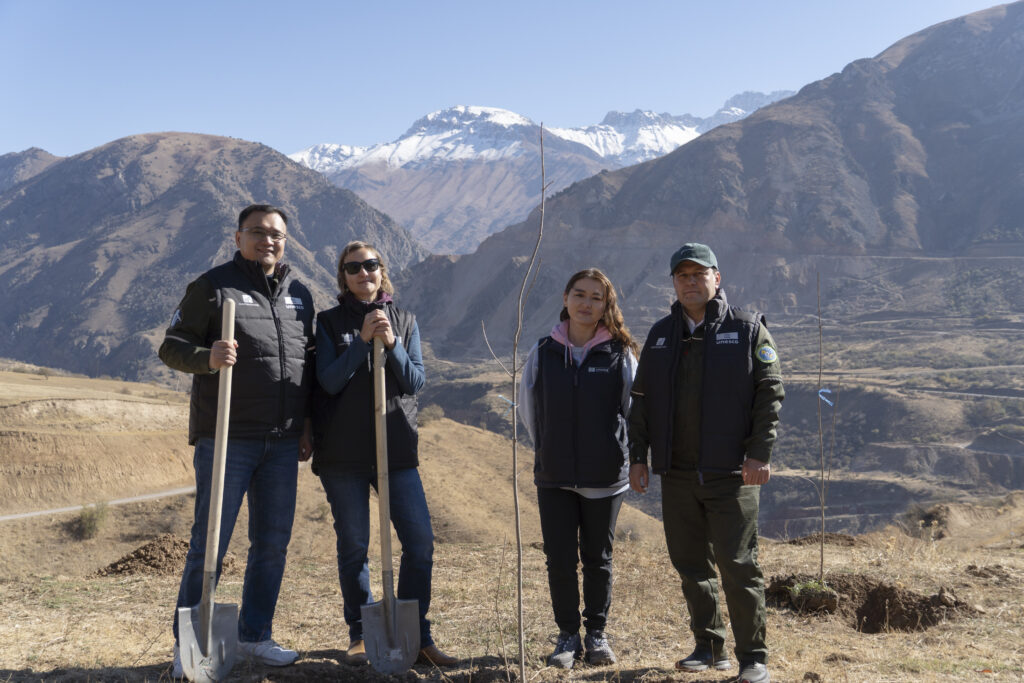
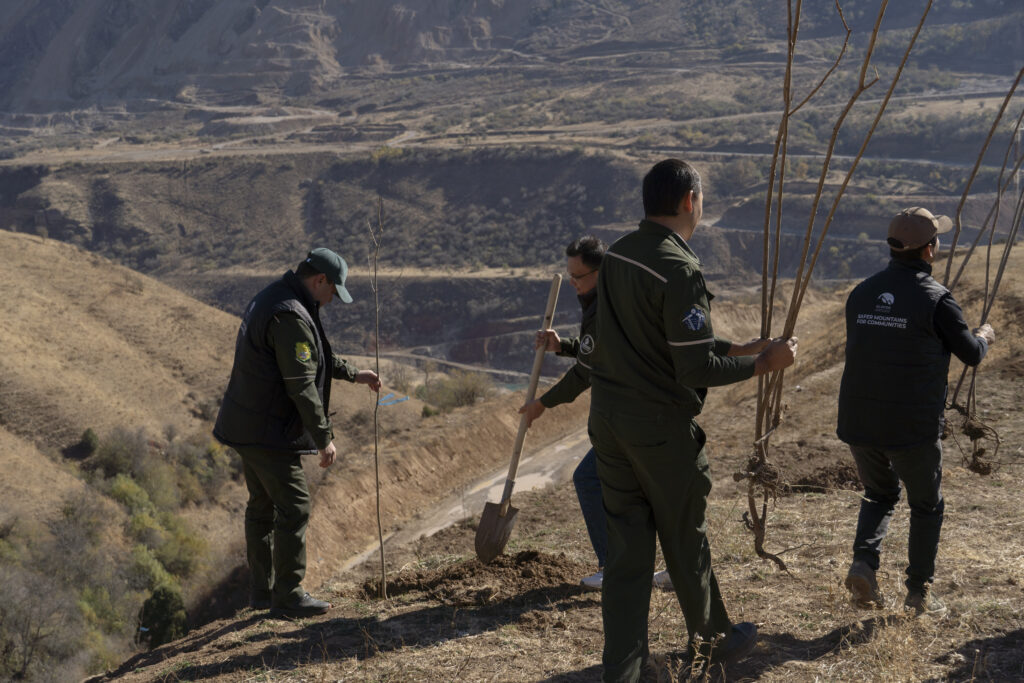
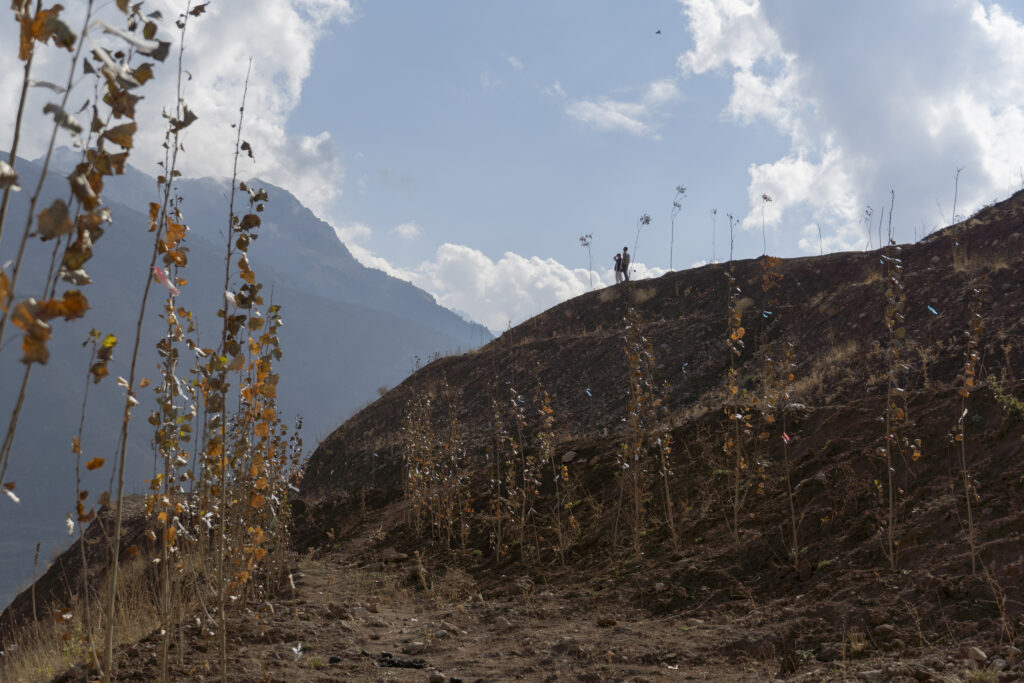
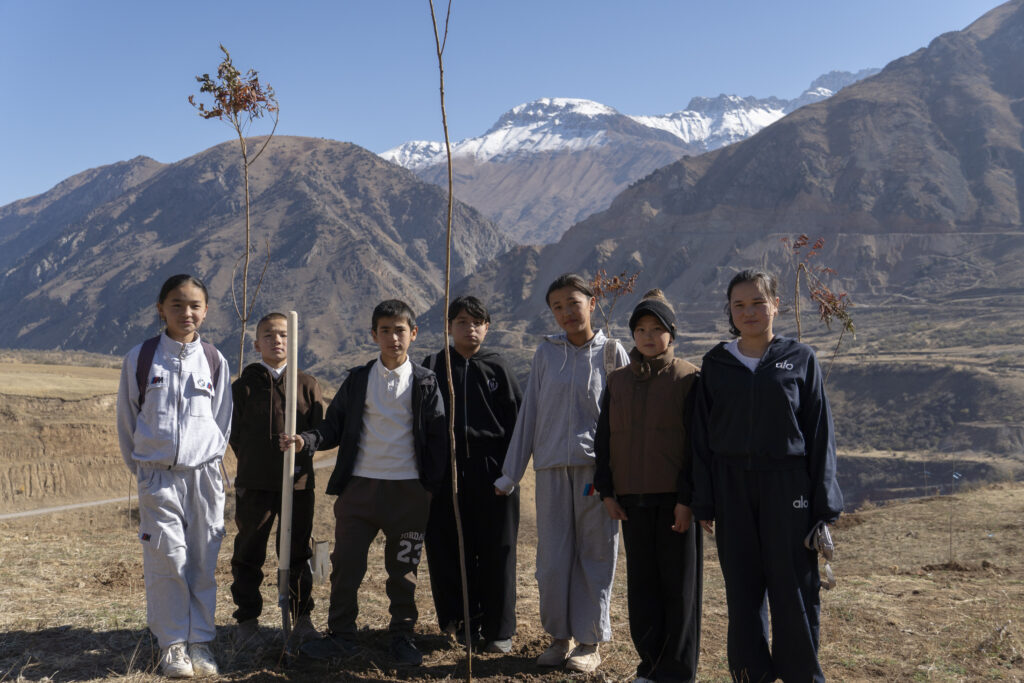
The GLOFCA project in collaboration with Hydroingeo carried out tree planting in two landslide-prone areas – Ispai-Tepar and Khirabulak – planting a total of 800 trees. Sumac and poplar species were selected for their deep root systems, which help strengthen the soil and prevent erosion. This campaign was part of the project’s complementary adaptation measures to enhance the resilience of local communities.

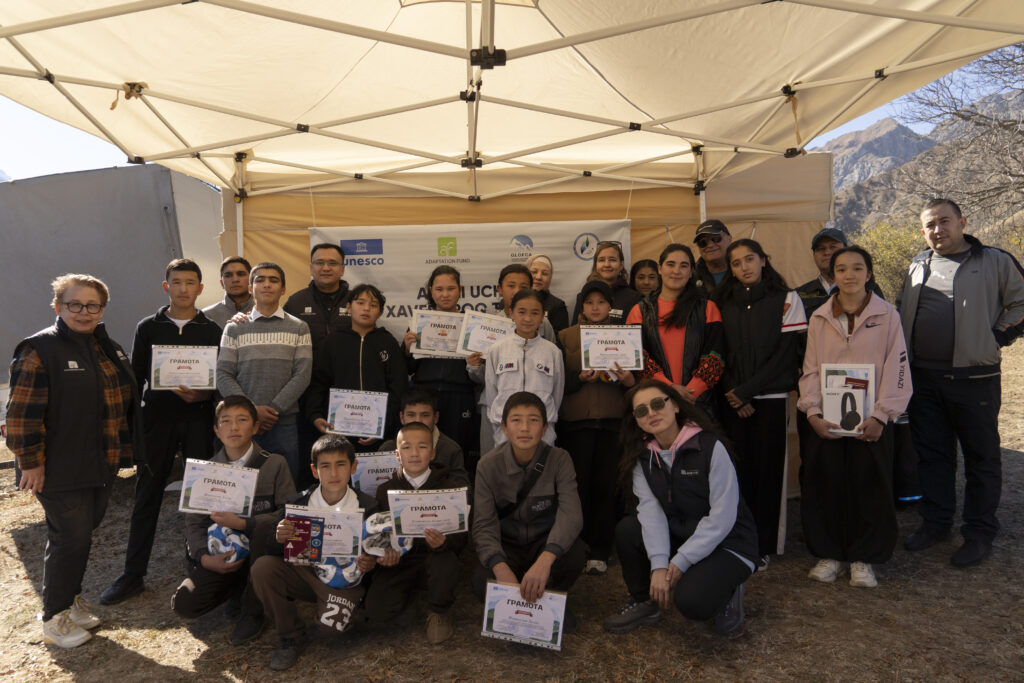
The closing event on 30 October brought together representatives of UNESCO, Hydroingeo, the Ministry of Mining Industry and Geology, the Research Hydrometeorological Institute (NIGMI), Institute of Geology and Geophysics named after Kh. M. Abdullaev, as well as residents and schoolchildren from the villages of Tepar and Pskem.

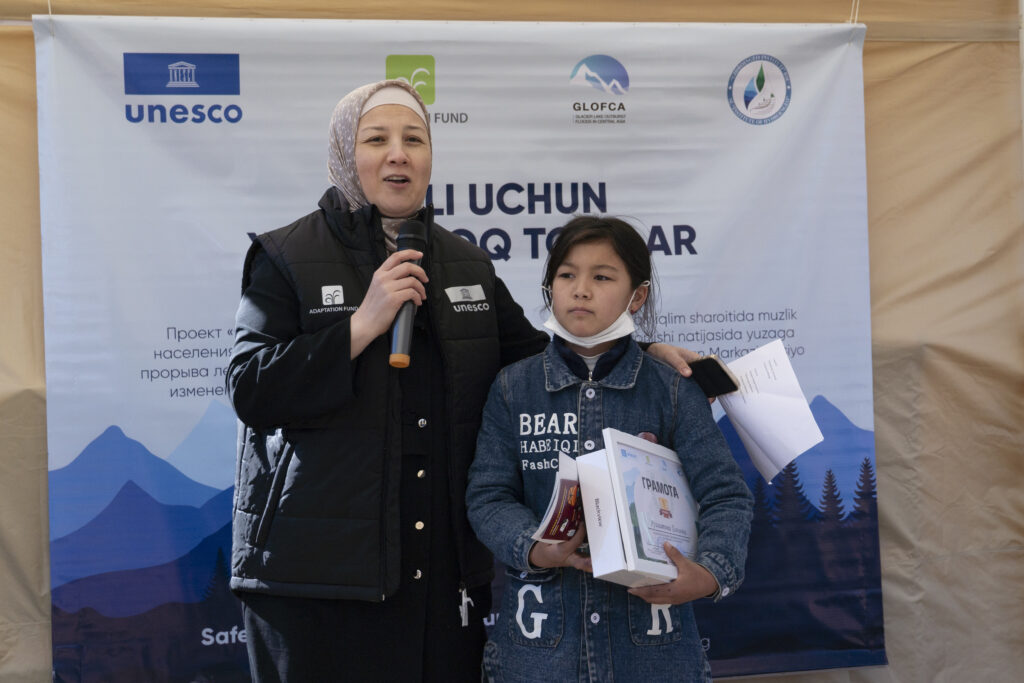
The campaign concluded with an award ceremony for students who participated in GLOFCA’s art contest on disaster risk reduction. One of the winners, fifth-grade student Usmonov Zhasur from School No. 45 in Pskem, presented a prototype of an automated excavator for clearing riverbeds after natural disasters such as mudflows, earning him first place in the competition.

The active involvement of students in the contest and tree planting reflected their growing awareness of natural hazards and their dedication to protecting their home communities.

Tree planting, slope monitoring, and community engagement form an integral part of the GLOFCA project’s efforts to reduce vulnerability to natural hazards and strengthen the resilience of mountain communities in Uzbekistan.

International conference in Tashkent on innovative methods for glacier monitoring

On 16 September 2025, an international conference titled “Innovative Methods for Monitoring Mountain Glaciers under Climate Change and Current Challenges in Glaciology” was held in Tashkent, Uzbekistan. The event was organized by the Hydrometeorological Research Institute (NIGMI) with the support of the UNESCO Regional Office in Almaty and its two flagship projects.

The conference brought together scientists, practitioners, and government representatives from Central Asia and beyond to exchange the latest research and practical experience in glaciology. Discussions focused on the importance of snow and glacier monitoring for water security, the risks of glacier lake outburst floods, and the use of modern digital tools, including MODSNOW. The GLOFCA project highlighted the development of early warning systems and work with local communities to reduce disaster risks.

The conference provided an important platform for strengthening regional cooperation and identifying practical, policy-relevant solutions for climate adaptation and disaster risk reduction.

GLOFCA Knowledge Platform Presented at World Library and Information Congress in Astana

On 20 August 2025, the GLOFCA project was presented during the session “Regional Engagement, Global Impact: Connecting with UNESCO Regional Office in Almaty” at the 89th World Library and Information Congress (WLIC) in Astana, Kazakhstan.

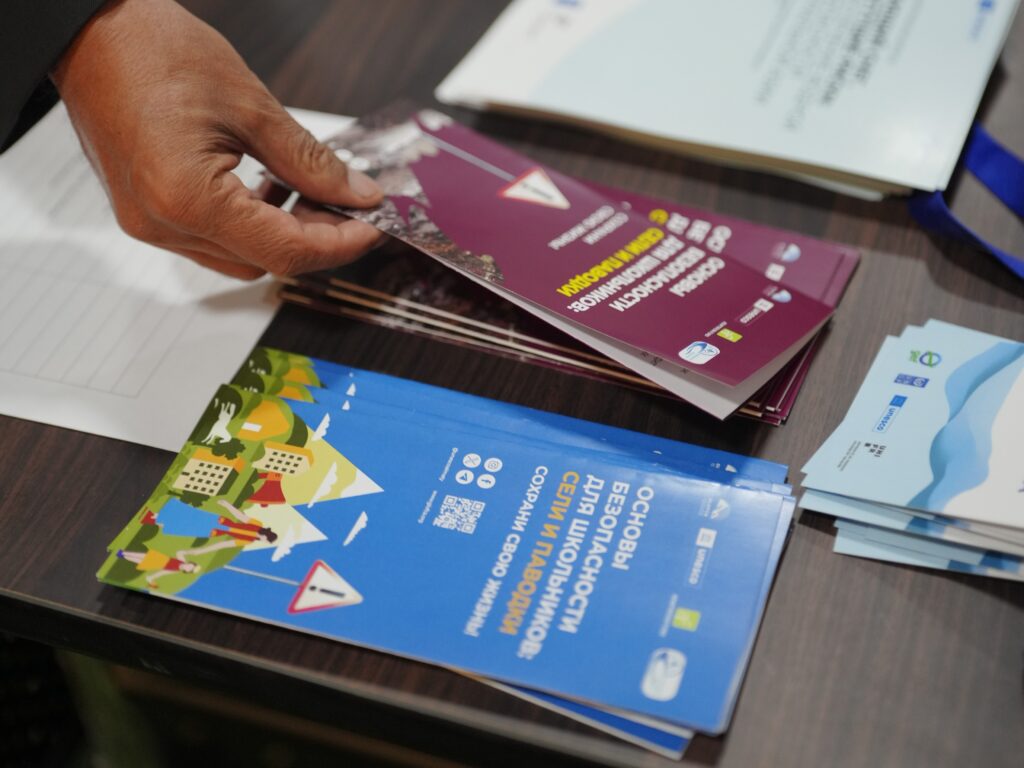
The GLOFCA team highlighted the project’s online platform as a knowledge management tool linking science, policy, and communities in reducing glacial lake outburst flood risks. It was emphasized that the platform, containing information on early warning systems, technical tools such as manuals and atlases, as well as practical resources such as community brochures and school safety materials, contributes to the free flow of knowledge and information in the region between all stakeholders. It also enables direct feedback from local communities through a grievance mechanism.

By sharing GLOFCA at WLIC, UNESCO underlined the common mission of libraries and knowledge platforms: ensuring open access to information, supporting preparedness, and sustaining resources beyond project lifetimes. Lessons from GLOFCA’s work in Central Asia are also contributing to global knowledge on managing glacier-related hazards.

Director of the UNESCO Regional Office in Almaty at the WLIC session

GLOFCA Contributes to Regional Cryosphere Action Planning in Central Asia

From 6–8 August 2025, the GLOFCA team took part in a subregional workshop at Issyk-Kul, Kyrgyz Republic, dedicated to developing the Subregional Joint Action Programme (SJAP) for the cryosphere in Central Asia. The meeting, organized by the UNESCO Regional Office in Almaty under the GEF-UNDP-UNESCO Cryosphere Project, brought together government representatives, scientific institutions, and national experts to define priority measures for cryosphere monitoring, research, and climate adaptation.

As part of the process, GLOFCA contributed its expertise in disaster risk reduction, highlighting the role of Early Warning Systems and community preparedness in addressing glacier-related hazards. This input will help ensure that the SJAP and National Action Plans integrate practical measures for building resilience in mountain communities across the region.

GLOFCA Showcases Regional Progress at High-Level Glacier Conference in Tajikistan

From 29 to 31 May 2025, the GLOFCA project participated in the High-Level International Conference on Glaciers’ Preservation in Dushanbe, Republic of Tajikistan, presenting its contributions to disaster risk reduction and regional resilience.

Adaptation and Resilience to Glacial Hazards

At the side event “Adaptation and Resilience to Glacial Hazards” on 29 May, co-organized by ESCAP, the Committee for Emergency Situations of Tajikistan, and the UN Resident Coordinator Office, UNESCO highlighted GLOFCA’s achievements in strengthening adaptation to glacial lake outburst floods (GLOFs). These included advancements in early warning systems, community preparedness, and regional cooperation. The session underscored the critical importance of science-based adaptation tools and cross-border collaboration in addressing glacial hazards in Central Asia.

GLOFCA Project and Early Warnings for All

The project was also featured in Thematic Session 3 on glacial hazards under the Early Warnings for All initiative. Representing GLOFCA on the expert panel, the Project Officer highlighted how the GLOFCA project combines scientific expertise with local knowledge to develop effective, community-based EWS for glacial lake outburst floods (GLOFs).

GLOFCA’s experience was further shared in sessions on adaptation and transboundary resilience. The project is now moving toward EWS installation in all four partner countries, followed by community training and drills to ensure long-term preparedness.

GLOFCA Participates in High-Level Glacier Preservation Conference in Tajikistan

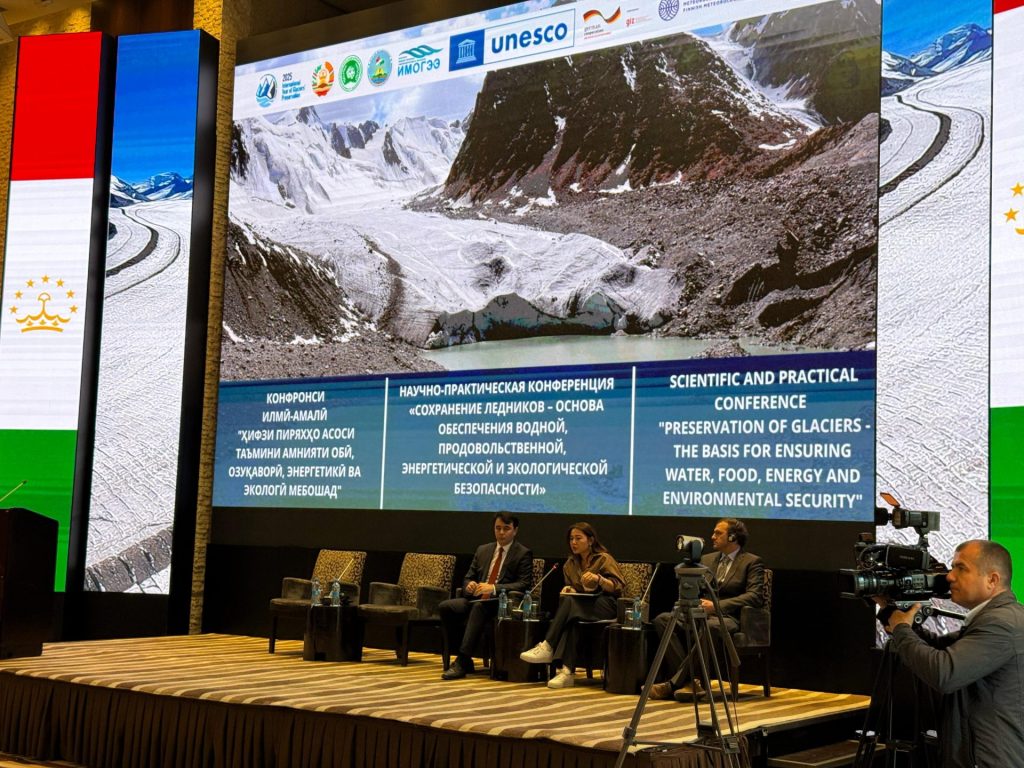
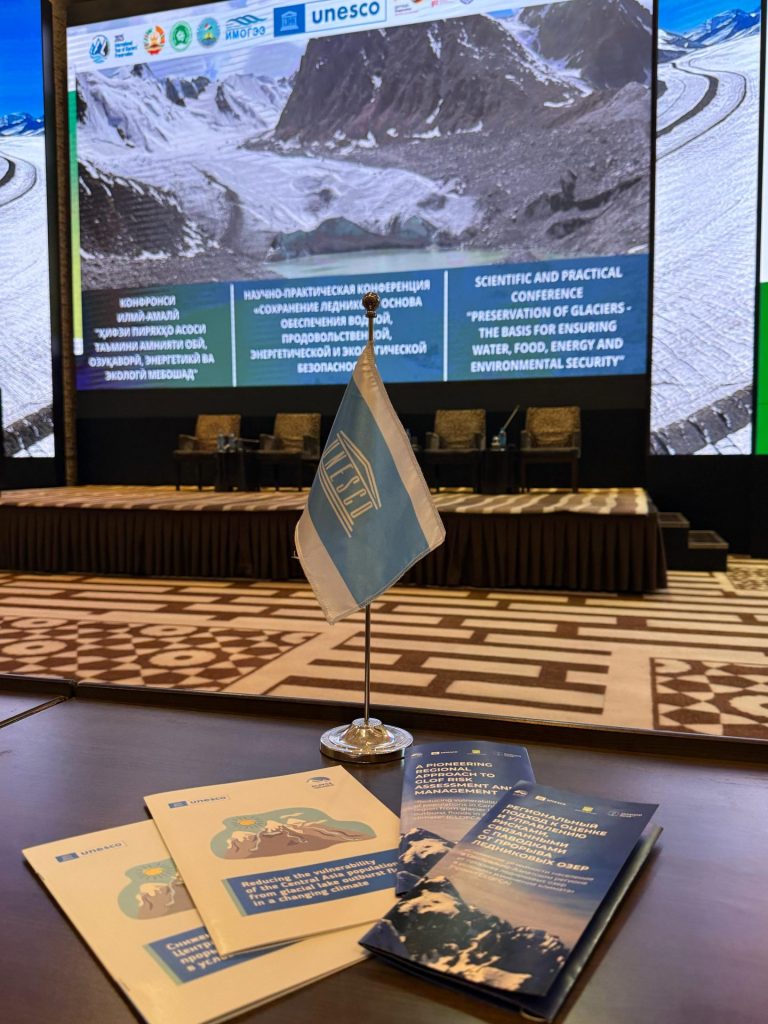
On 20–21 March 2025, the GLOFCA project was represented at the International Scientific and Practical Conference on “Preservation of Glaciers – The Basis for Ensuring Water, Food, Energy, and Environmental Security”, held in Dushanbe, Tajikistan. The event was organized in collaboration with the Agency of Hydrometeorology under the Committee for Environmental Protection of the Republic of Tajikistan and marked the celebration of the International Day of Glaciers.

The conference brought together researchers, government officials, environmental advocates, and international partners to discuss the importance of glacier preservation for water security and climate resilience. During the high-level plenary session, GLOFCA Project Manager Ms Diana Aripkhanova joined the open discussion with international organizations, emphasizing the relevance of the GLOFCA project in Tajikistan — particularly in addressing the growing threat of glacier lake outburst floods and in supporting regional cooperation to strengthen climate resilience.

The event served as a preparatory step for the High-Level International Conference on Glacier Preservation 2025, to be held in Dushanbe on 29–31 May 2025.

GLOFCA at the First World Day for Glaciers: Side Event in Paris

On 21 March 2025, the GLOFCA project was featured during a high-level side event at UNESCO Headquarters in Paris, held as part of the joint celebration of the first-ever World Day for Glaciers and World Water Day. The event, titled “Climate Change Impact on Cryosphere, from Glaciers to the Sea: Examples from the Regions,” brought together national representatives from Central Asia, regional project experts, representatives from key research institutions as well as representatives of cryosphere-related projects from Africa and Latin America.

Among the speakers were Mr. Ramazon Rahmonov (Agency for Hydrometeorology of the Committee for Environmental Protection under the Government of the Republic of Tajikistan), Dr. Bolot Moldobekov (Central Asian Institute for Applied Geosciences, the Kyrgyz Republic), and Dr. Christian Huggel (the University of Zurich). The session was co-organized by UNESCO’s Intergovernmental Oceanographic Commission (IOC) and the UNESCO Regional Office in Almaty.

The GLOFCA project was presented as a key regional initiative addressing glacier lake outburst floods through the installation of Early Warning Systems and low-cost adaptation measures. The event emphasized the importance of regional cooperation, data systems, and long-term strategies for cryosphere monitoring and climate adaptation.

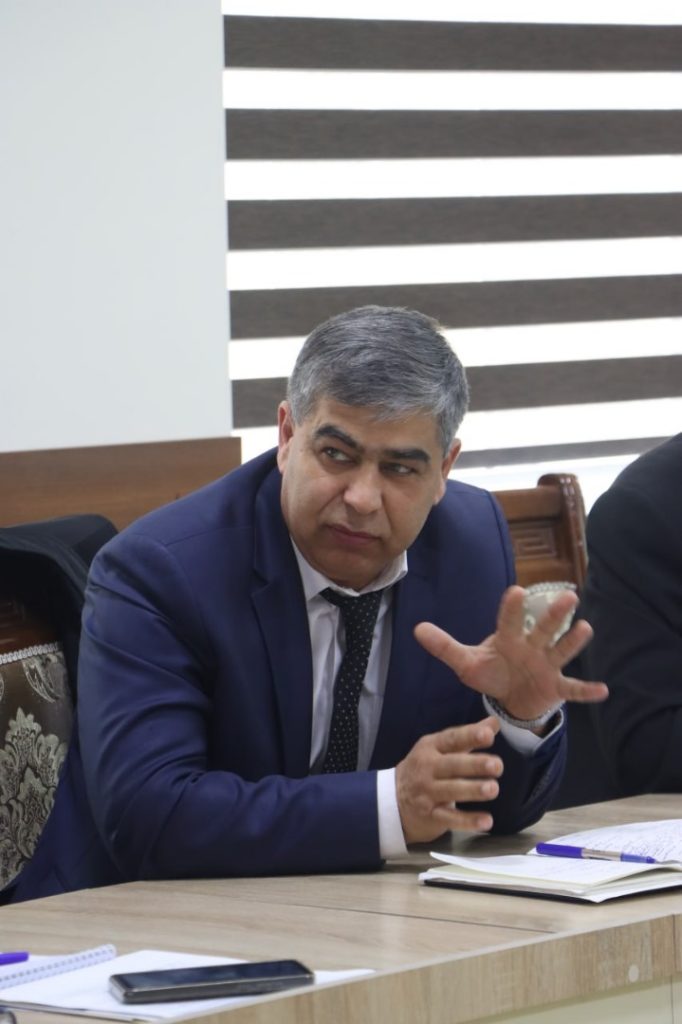
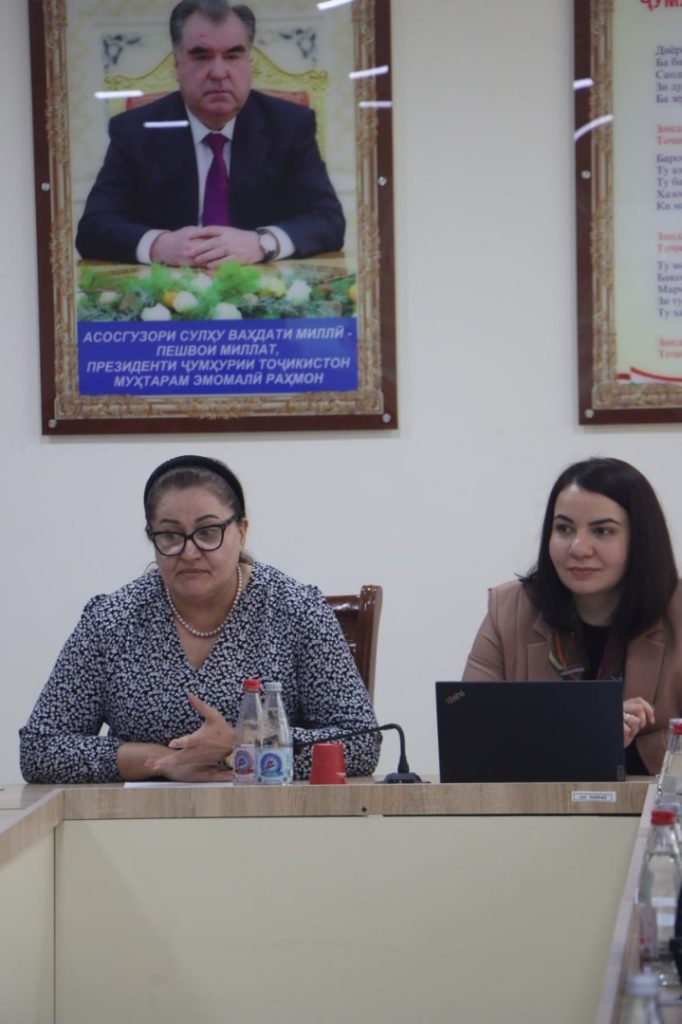
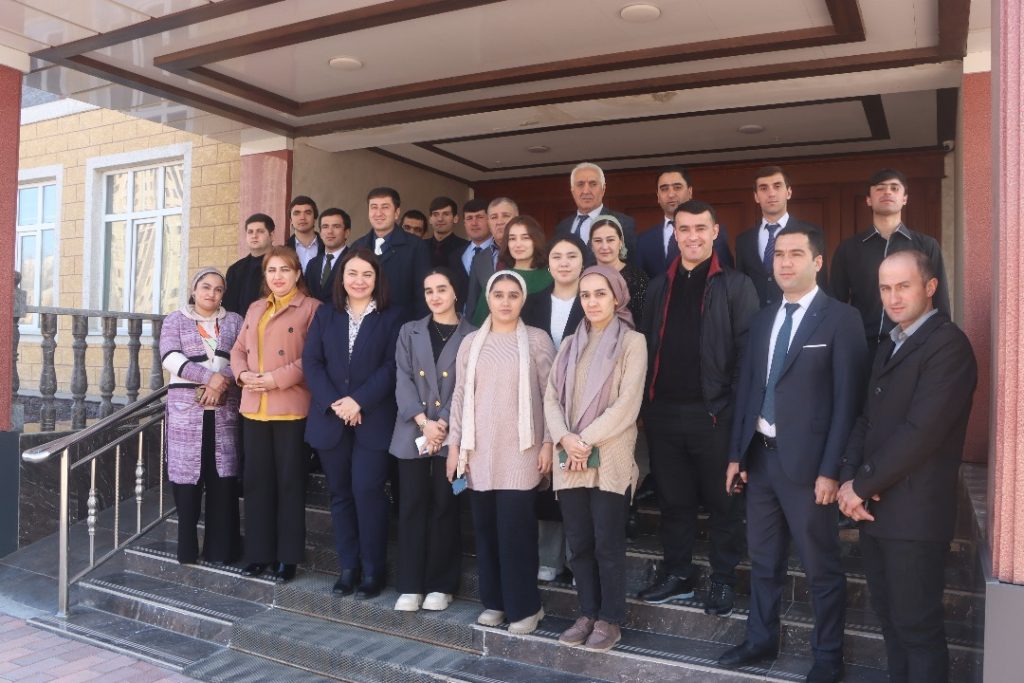
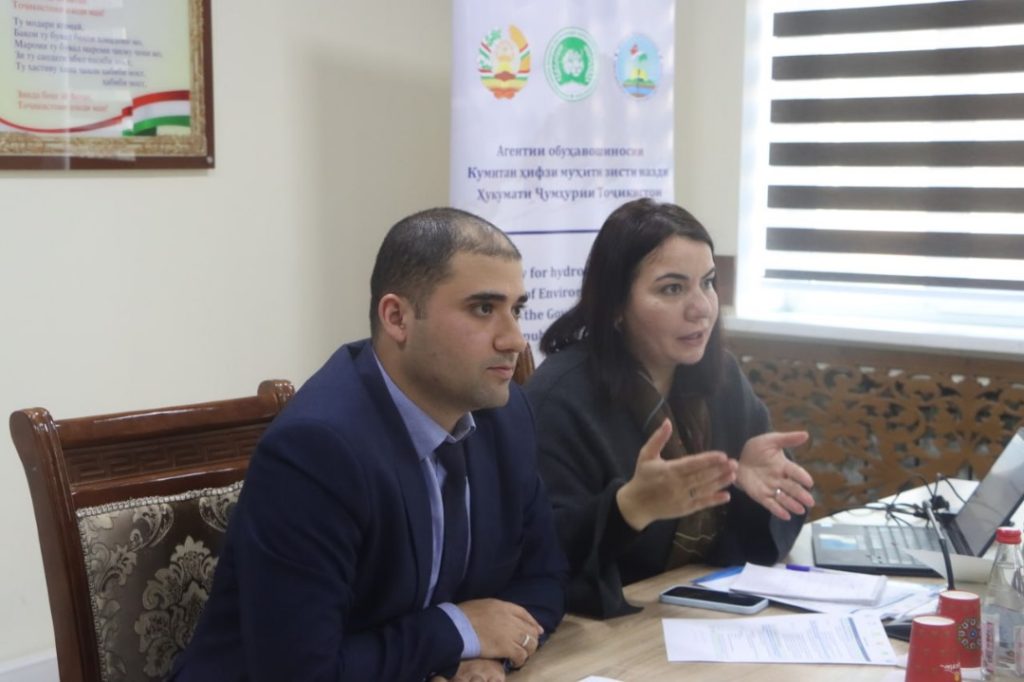
Developing a Roadmap to Reduce the Risk of Glacier Lake Outburst Floods in Tajikistan

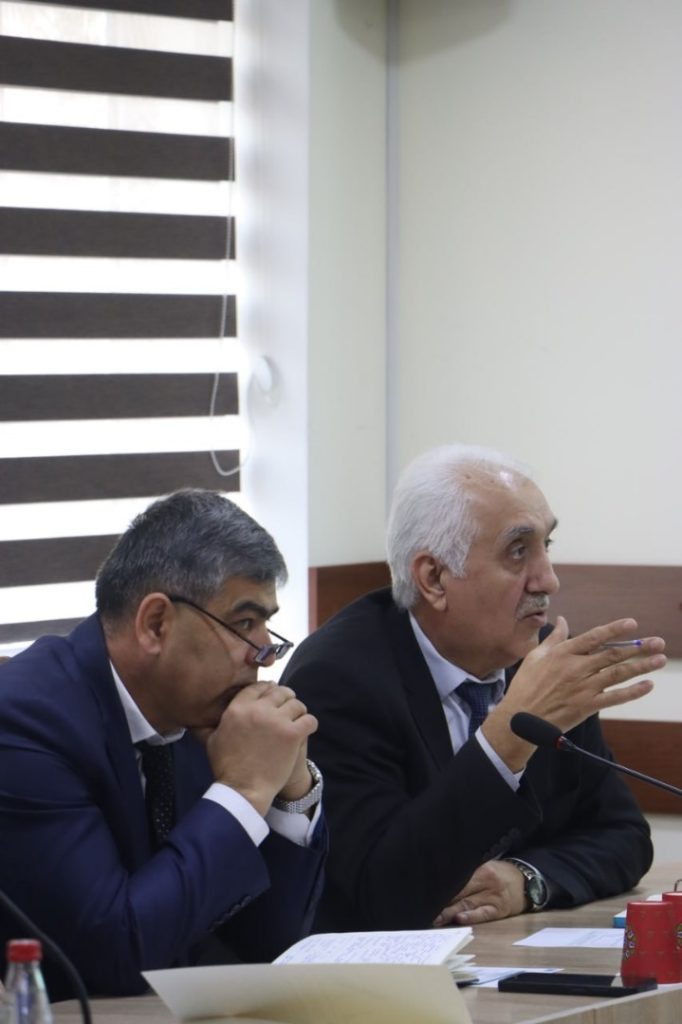
On January 13, 14, and 16, 2025, Dushanbe hosted a series of workshops focused on developing a roadmap to reduce the risk of glacier lake outburst floods (GLOFs) in the context of climate change. The event was organized by the Agency for Hydrometeorology of the Committee for Environmental Protection under the Government of the Republic of Tajikistan, in collaboration with the UNESCO Regional Office in Almaty, as part of the GLOFCA project funded by the Adaptation Fund.

The workshops aimed to develop practical recommendations for drafting the roadmap, taking into account priority areas outlined in National Strategy for Adaptation to Climate Change of the Republic of Tajikistan for the period up to 2030. The strategy identifies key sectors most vulnerable to climate change, which are energy, water resources, transport, and agriculture.

During the sessions experts, scientists, and government representatives discussed the current and potential threats associated with glacier lakes and their impact on the identified priority sectors. Participants analyzed climate change impact on the formation and outbursts of glacier lakes, reviewed real-life case studies and international best practices, and proposed measures to address these risks. The final recommendations will serve as a foundation for national planning efforts in climate change adaptation (CCA).

The GLOFCA project supports CCA efforts by implementing comprehensive measures to mitigate the risks associated with GLOFs in Central Asia. The project focuses on monitoring glacier lake conditions, developing and installing early warning systems, and enhancing disaster preparedness through specialist training and public awareness initiatives.