News Category: Event

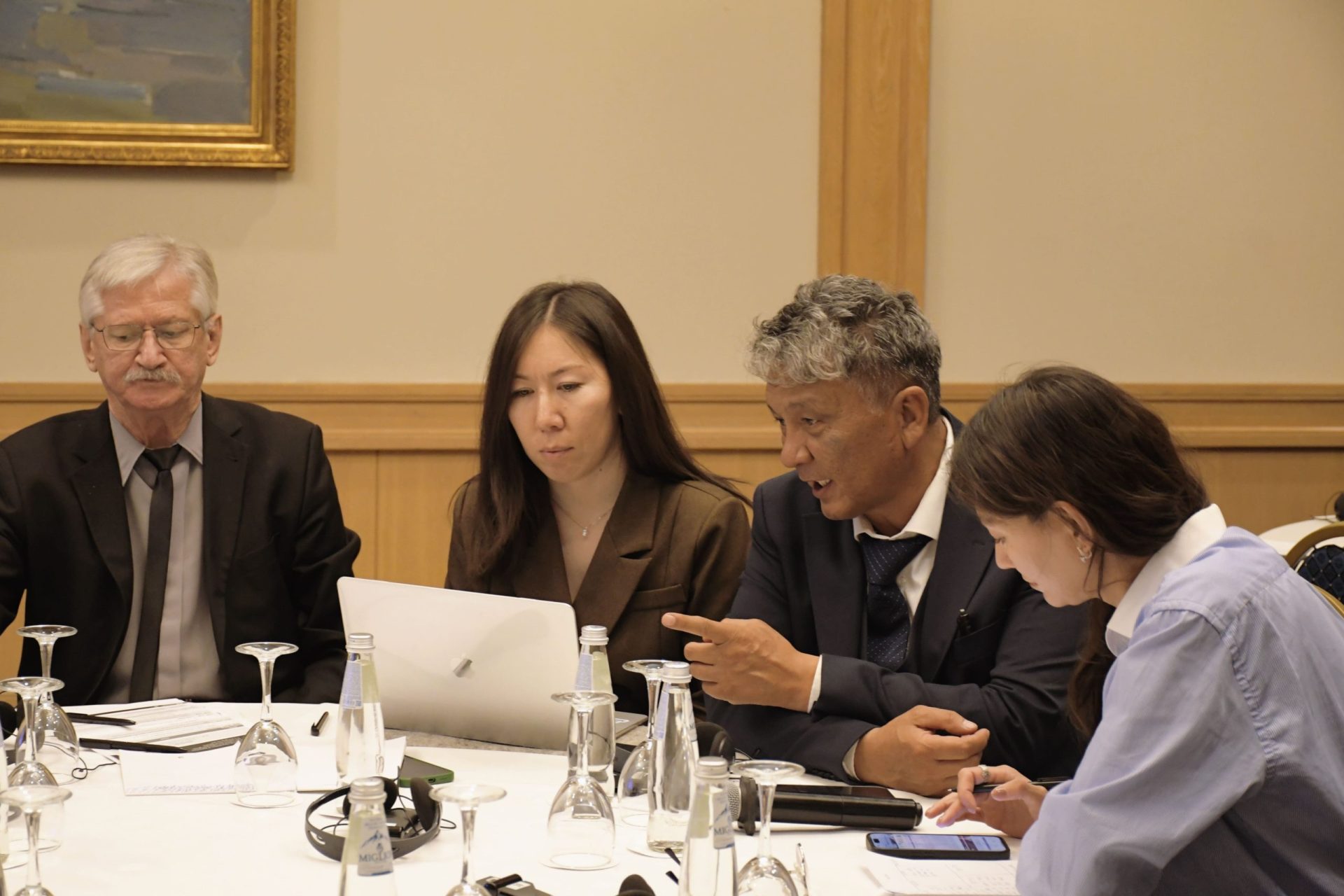
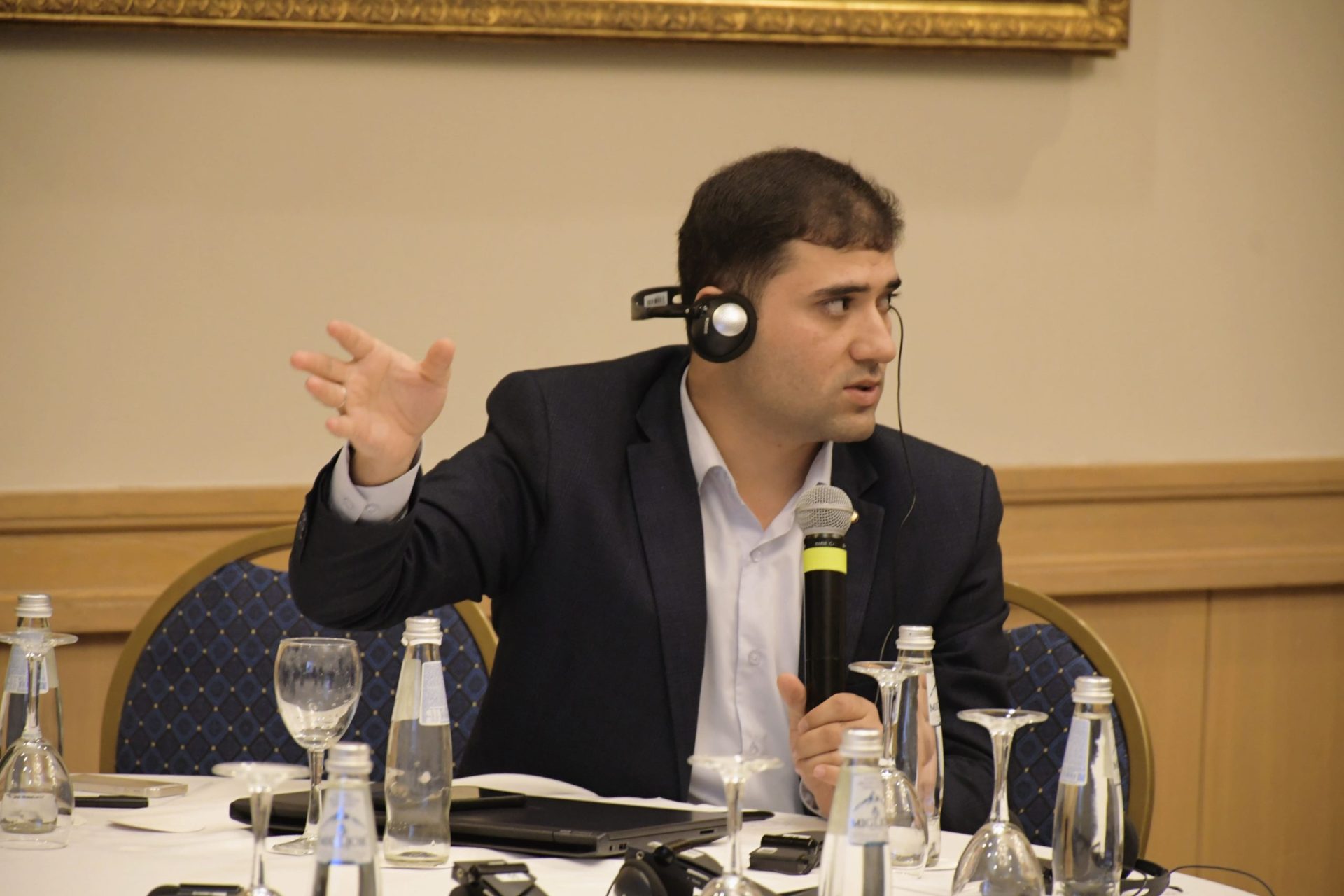
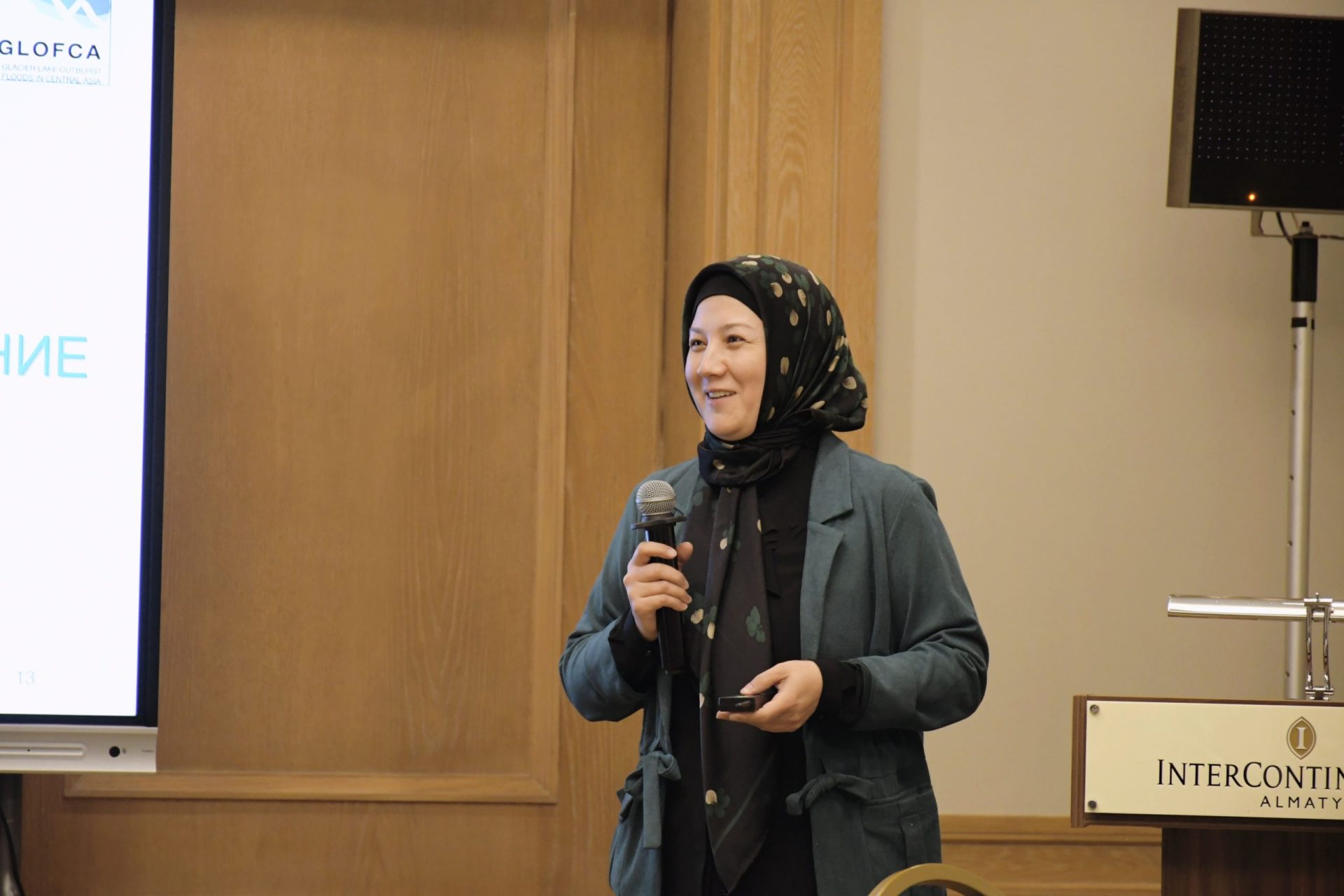
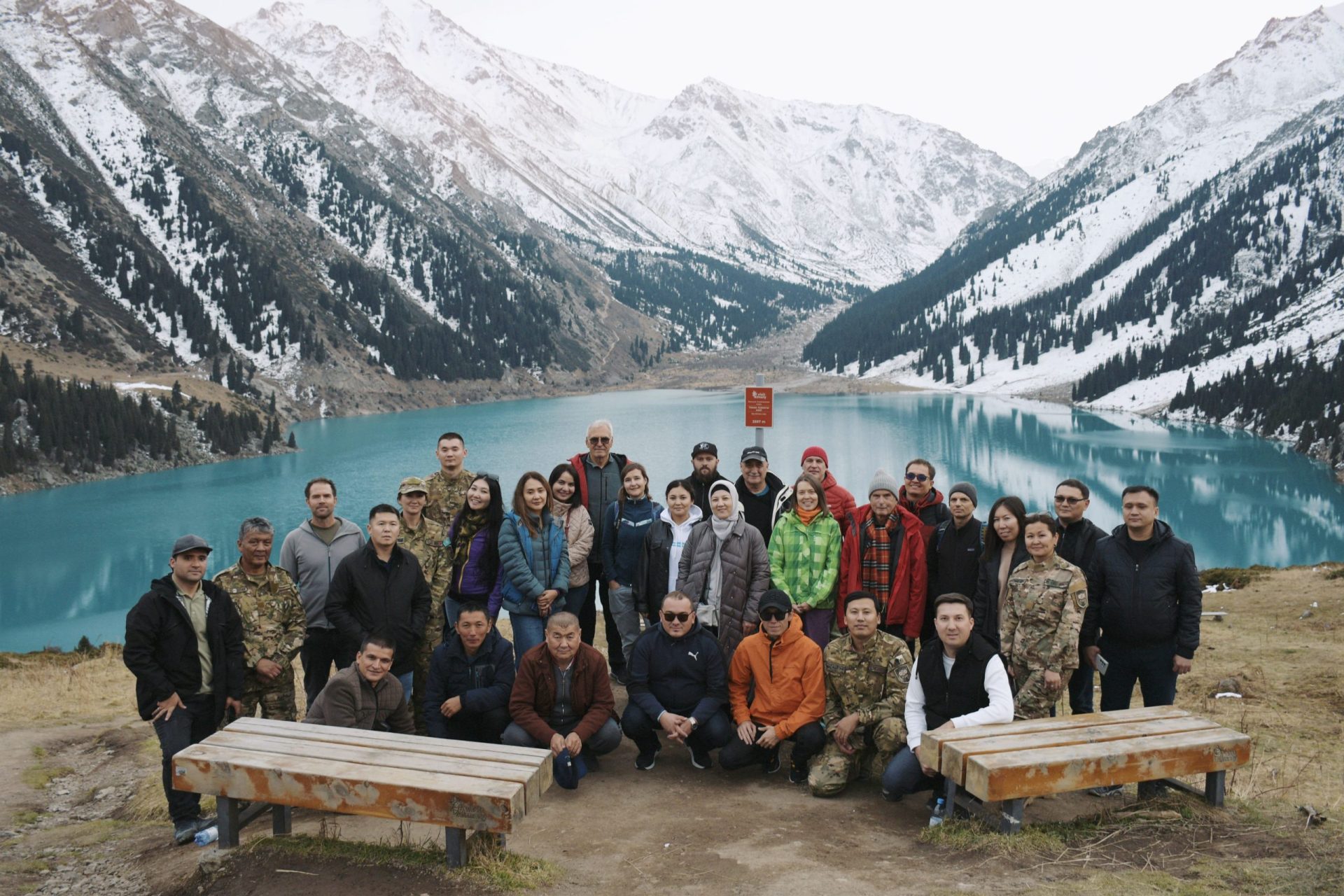
Upcoming Workshop: Enhancing Early Warning Systems for Glacier Lake Outburst Floods

Date: 23-24 October 2024
Location: Almaty, Kazakhstan
Organizers: UNESCO Office in Almaty, University of Zurich (UZH), and Sensalpin, Switzerland

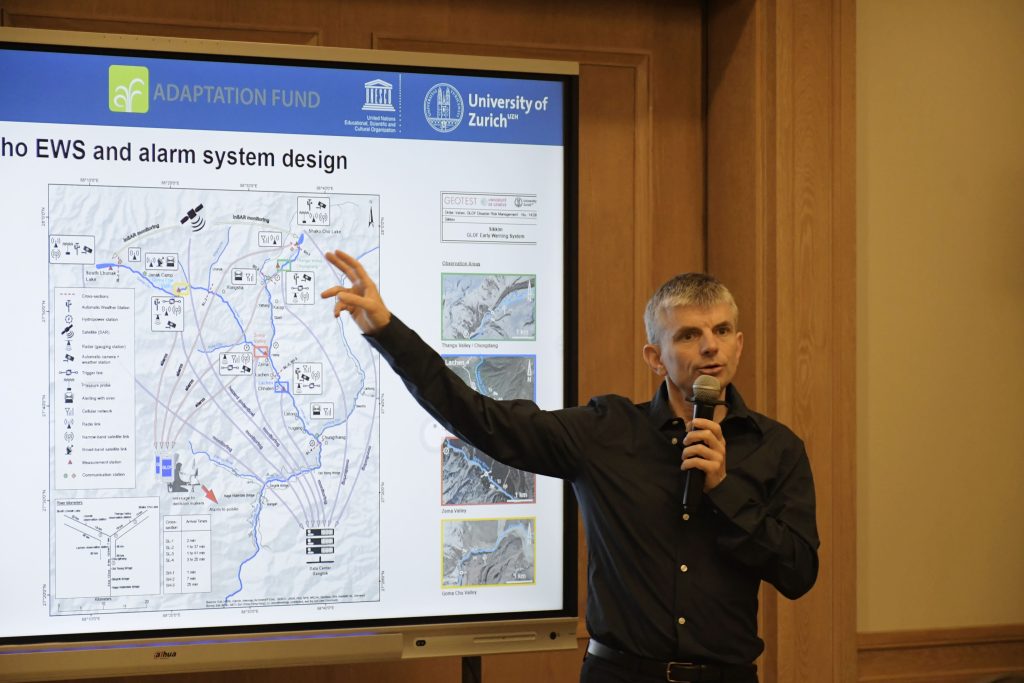
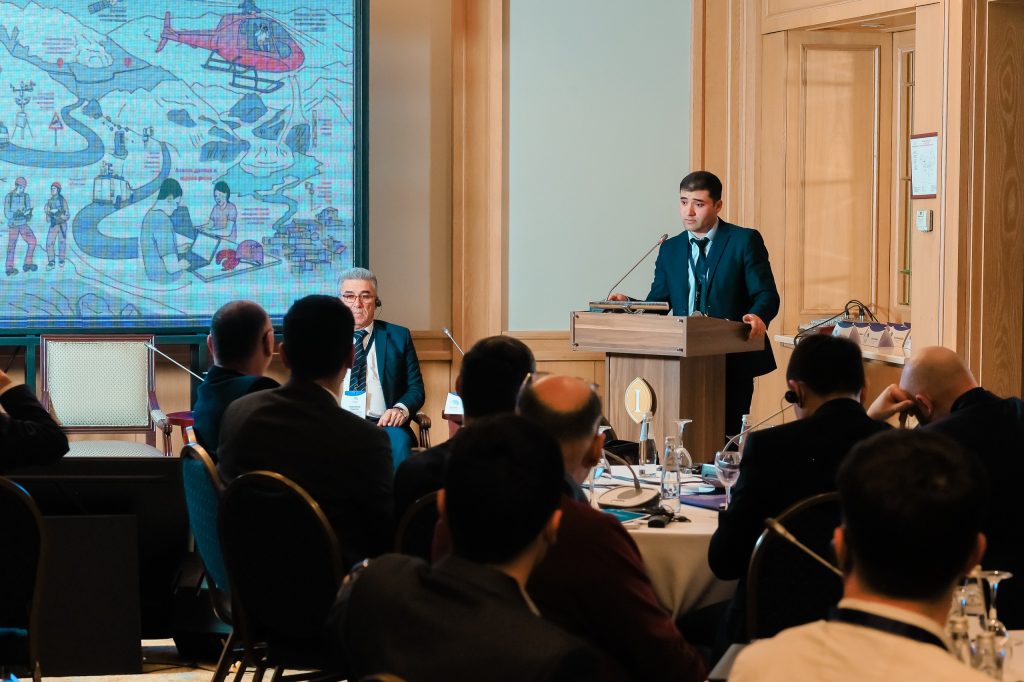
In response to the growing risk of Glacier Lake Outburst Floods (GLOFs) due to glacier melting and lake formation across Central Asia, a crucial workshop titled “Glacier Lake Outburst Flood Early Warning Systems: Technical Design, Instrumentation, and Communication” will be held on October 23-24, 2024, in Almaty, Kazakhstan.

Objectives of the Workshop

The primary goals of the workshop are to:

  1. Facilitate knowledge transfer and exchange from Sensalpin experts to national technical experts in the four Central Asian countries involved in the GLOFCA project.
  2. Introduce new expertise and know-how on the complete technical EWS chain to national responsible institutions.
  3. Review progress on EWS design and implementation in each country.
  4. Pave the way for successful EWS deployment, maintenance, and operation.

Key Discussions and Expected Outcomes

The workshop will bring together experts to address the technical aspects of designing and implementing effective Early Warning Systems (EWS) for GLOFs. Key discussions will focus on:

  • Technical Design: Understanding sensor specifications, measuring techniques, data logging, and alert systems.
  • Case Studies: Learning from successful examples of mass flow EWS implemented by Sensalpin.
  • National Progress: Reviewing and discussing the current state and progress of EWS design and implementation in Uzbekistan, Kyrgyzstan, Tajikistan, and Kazakhstan.
  • Knowledge Exchange: Facilitating individual national-level exchanges to tailor EWS solutions to specific country needs.

By the end of the workshop, participants will have gained new technical insights and practical knowledge to enhance the implementation and maintenance of EWS in their respective countries. This will significantly contribute to reducing the risks posed by GLOFs and improving the resilience of mountain communities in Central Asia.

Next Steps

Following the workshop, detailed reports and recommendations will be compiled and shared with all stakeholders. This will support the continuous improvement and deployment of EWS, ensuring that local and national institutions are better equipped to manage and mitigate the impacts of GLOFs.

For more information and updates on the workshop, please contact us though the Contacts.

GLOFCA Side Event highlights critical strategies for mitigating Glacier Lake Outburst Flood risks

As part of the 3rd High-Level International Conference on the International Decade for Action “Water for Sustainable Development” 2018-2028, a key side event organized by the GLOFCA project took place in Dushanbe, Tajikistan, on 12 June 2024. The event brought together experts, government representatives, and stakeholders to address the increasing risk of glacier lake outburst floods (GLOFs) in Central Asia, a pressing issue exacerbated by climate change.

Key Discussions and Outputs

Opening Ceremony. The event began with welcoming remarks from key dignitaries, including Mr. Abdukodir Mavlodod, Deputy Chairman of the Environmental Protection Committee of the Government of Tajikistan, Ms. Zulfiya Burkhon, Secretary General of the National Commission of the Republic of Tajikistan for UNESCO, and Ms. Natalia Alonso Cano, Head of the Regional Office for Europe and Central Asia at the United Nations Office for Disaster Risk Reduction (UNDRR).

Panel Session 1: Experience in Monitoring and Early Warning Systems for GLOFs. Moderated by Mr. Anvar Khomidov from the Agency for Hydrometeorology of Tajikistan, this session focused on sharing best practices in early warning systems for GLOFs. Speakers from Central Asian countries presented their strategies and approaches. Presentations provided a comprehensive understanding of the current early warning systems in place across the region, showcasing successful case studies from the GLOFCA project.

Panel Session 2: Promoting International Cooperation for GLOF Risk Reduction. The second session, moderated by Ms. Natalia Kim from UNESCO Almaty, highlighted the importance of international cooperation in mitigating GLOF risks. Expert speakers discussed how collaboration enhances resilience and promotes community engagement. The discussions underscored the necessity of international partnerships to develop and effectively use early warning systems, thereby reducing potential damage from GLOFs.

Closing Remarks and Conclusions. The event concluded with a summary of the key points discussed and closing remarks, emphasizing the critical need for continued cooperation and the implementation of advanced monitoring technologies to mitigate the risks associated with glacier lake outbursts.

Steps Forward

Participants agreed on several forward-looking steps:

  1. Enhance Regional Cooperation: Strengthening collaboration between Central Asian countries to share knowledge and resources for GLOF risk reduction.
  2. Integrate Advanced Technologies: Leveraging remote sensing, advanced modeling tools, and community-based monitoring to improve early warning systems.
  3. Increase Capacity Building: Conducting training programs and workshops to build local capacities in GLOF monitoring and risk management.
  4. Promote Community Engagement: Ensuring active participation of local communities in the development and implementation of risk reduction strategies.

The GLOFCA side event successfully highlighted the urgent need for collaborative efforts in Central Asia to address the risks posed by GLOFs. By sharing best practices and fostering international cooperation, the event laid the groundwork for more resilient and adaptive strategies to safeguard communities and support sustainable development in the region.

Glaciers Forum Highlights Strategic Actions and Collaboration for Cryosphere Preservation

The International Glaciers Forum, held on June 10, 2024, in Dushanbe, Tajikistan, marked a significant milestone in advancing the global effort to preserve glaciers amid a changing climate. This pivotal event was part of the 3rd High-Level International Conference on the International Decade for Action “Water for Sustainable Development” 2018-2028. The Forum, co-organized by UNESCO, UNRCCA, GIZ, and the Committee on Environmental Protection of Tajikistan, brought together over 180 participants, including high-level representatives, experts, and stakeholders from Central Asia and beyond.

Key Discussions and Outcomes

The Forum was dedicated to the International Year of Glaciers Preservation 2025 (IYGP 2025), an initiative by the Republic of Tajikistan under UN General Assembly resolution A/RES/77/158. The event aimed to raise global awareness about the critical role of glaciers in the climate system and hydrological cycle, and the economic, social, and environmental impacts of changes in the cryosphere.

Opening Remarks and High-Level Sessions

The Forum was inaugurated by Mr. Sulaimon Ziyozoda, Deputy Prime Minister of Tajikistan, and Mrs. Audrey Azoulay, Director-General of UNESCO. Keynote speakers from UNRCCA, GIZ, WMO, UNEP, and the European Commission highlighted the importance of international collaboration in addressing cryosphere-related challenges.

Roadmap and Technical Sessions

A central focus was the presentation of the Roadmap towards International Year of Glaciers Preservation (IYGP) 2025 and Glacier Day 2025 by UNESCO and WMO. The technical sessions showcased the impacts of climate change on glaciers, with case studies and lessons learned from projects implemented by UNESCO, GIZ, and other partners. Discussions emphasized integrating cryosphere-focused activities into broader water and climate initiatives.

Enhanced Collaboration and Technological Utilization

Participants underscored the need for enhanced collaboration at international, regional, and national levels to create synergies among ongoing and planned projects. The importance of leveraging advanced technologies such as remote sensing, community-based monitoring, and climate services was highlighted to improve cryosphere data quality and accessibility.

Key Messages and Future Steps

The Forum concluded with several key messages:

  1. International Collaboration: Strengthening coordination among cryosphere-relevant institutions to maximize resource efficiency and impact.
  2. Integration with Broader Initiatives: Embedding cryosphere monitoring within broader water and climate-related interventions.
  3. Adaptation Strategies: Developing science-based adaptation strategies and early warning systems for glacier-related hazards.
  4. Climate Services: Utilizing the Water-Energy-Food-Environment Nexus approach to complement cryosphere interventions.
  5. Awareness and Capacity Building: Enhancing educational programs, training, and public awareness campaigns about the cryosphere’s importance.
  6. Gender Perspectives: Promoting gender-sensitive policies and encouraging the active participation of women in decision-making processes.
  7. Innovative Technologies: Enhancing the use of remote sensing and advanced modeling tools for better data on cryosphere changes.

Contributions to the GLOFCA Project

The GLOFCA (Glacial Lake Outburst Floods in Central Asia) project was showcased as a crucial initiative contributing to the Forum’s objectives. It emphasizes the use of advanced technologies for monitoring glacial lakes and developing early warning systems to mitigate flood risks, aligning with the Forum’s call for science-based adaptation strategies and enhanced regional cooperation.

Way Forward

The Forum stressed the importance of fostering cooperation to successfully implement IYGP 2025, bridging the data-knowledge gap, and ensuring adequate support for glacier preservation initiatives. The outcomes of the Forum contributed significantly to the Declaration of the 3rd High-Level International Conference on the International Decade for Action “Water for Sustainable Development” 2018-2028, emphasizing the critical role of glaciers in sustaining ecosystems and livelihoods in Central Asia and beyond.

Central Asia Advances in GLOF Risk Reduction: Highlights from the GLOFCA Third Regional Exchange Workshop

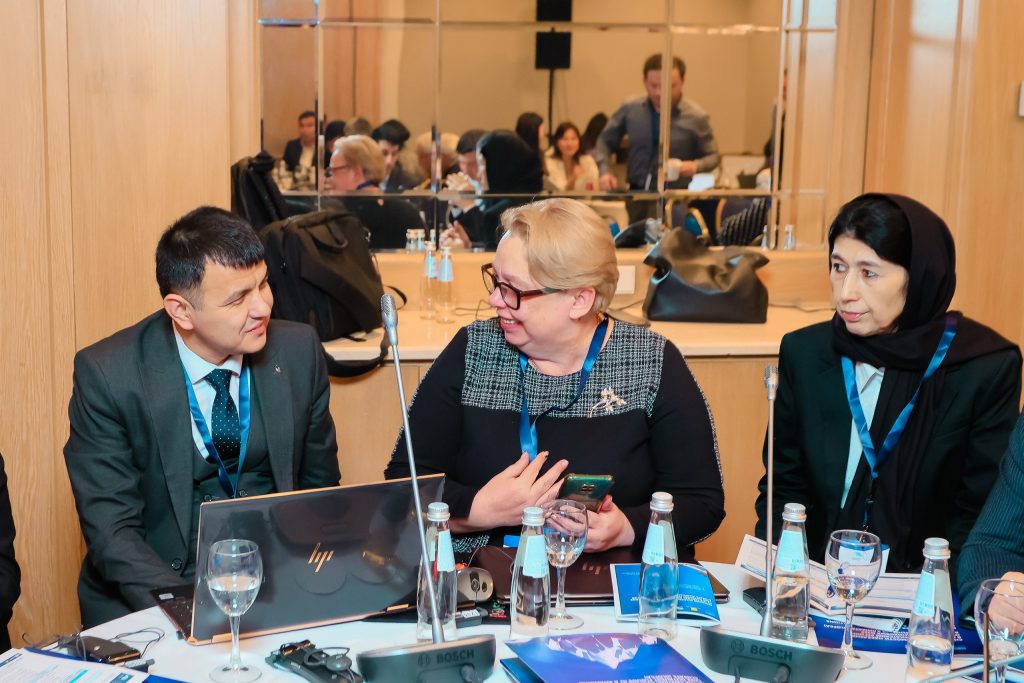
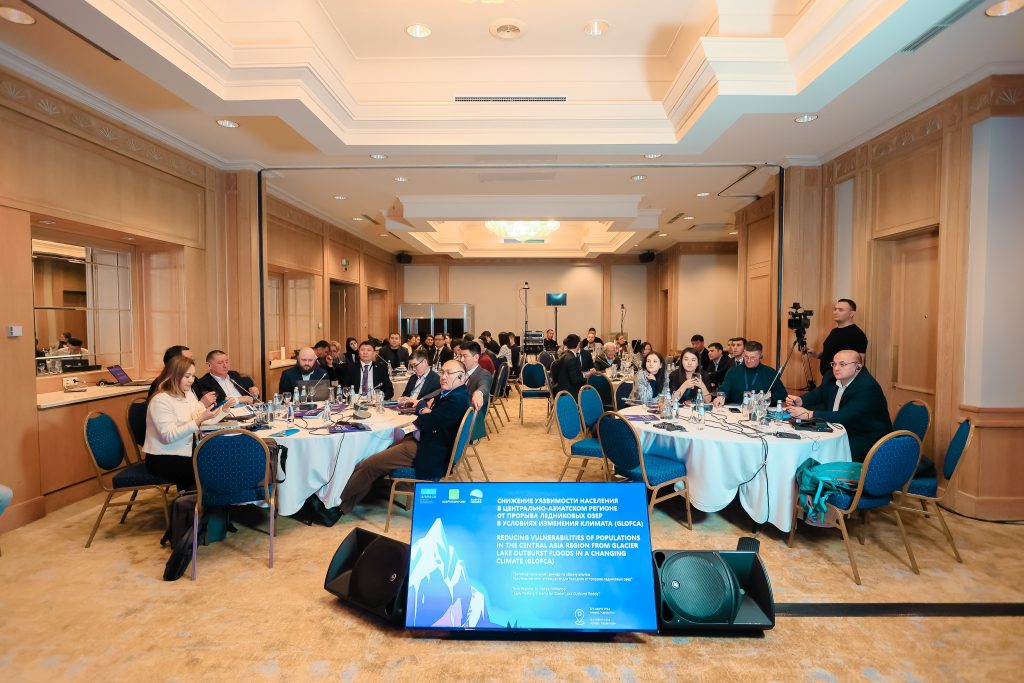
Almaty, Kazakhstan – The third Regional Exchange Workshop of the GLOFCA (Glacier Lake Outburst Floods in a Changing Climate) project, organized by UNESCO Almaty, marked a significant milestone in Central Asia’s efforts to combat the threats posed by glacier lake outburst floods (GLOFs). Held on March 6-7, 2024, in Almaty, Kazakhstan, this event brought together policy makers, governmental representatives, and professionals dedicated to disaster risk reduction and climate change adaptation from Kazakhstan, the Kyrgyz Republic, Tajikistan, and Uzbekistan.

The workshop focused on the progress made towards the installation of Early Warning Systems (EWS) and featured discussions on the latest developments and outputs. The gathering served as a crucial platform for sharing experiences, enhancing regional cooperation, and discussing innovative solutions to mitigate the impact of GLOFs on vulnerable communities and infrastructure in Central Asia.

Day One: Comprehensive Updates and Knowledge Exchange

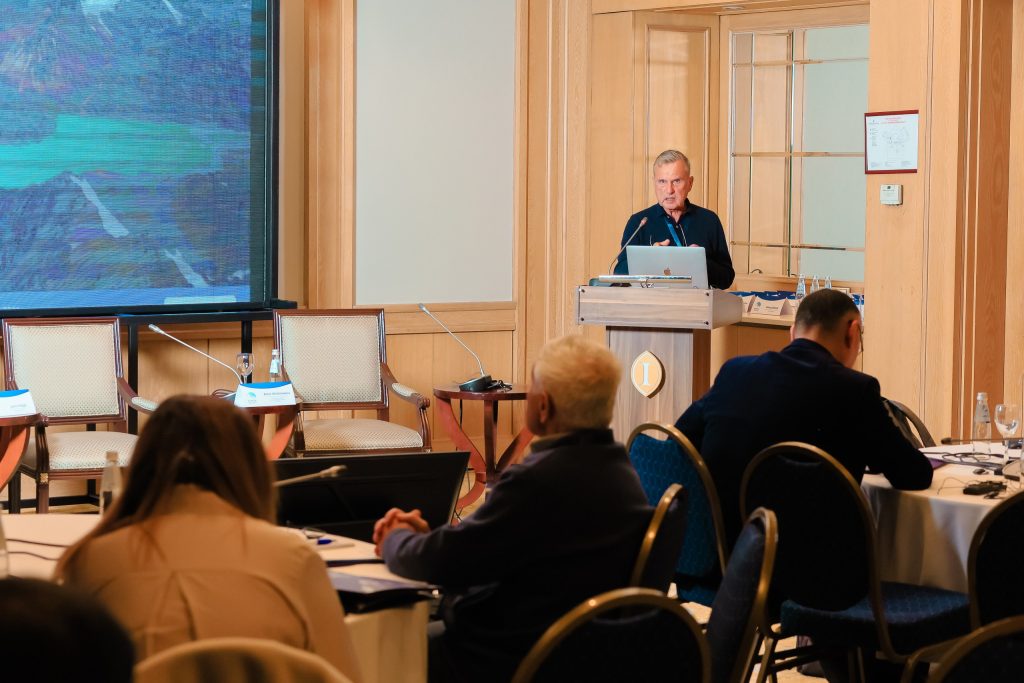
The first day of the workshop was characterized by plenary presentations and in-depth discussions on the status and objectives of the GLOFCA project. Simon Allen from the University of Zurich provided an overview, setting the stage for a day focused on national updates and collaborative strategies for disaster risk reduction.

In Kazakhstan, presentations highlighted engaging students in hazard assessment and modeling, adapting mudflow databases, and the development of EWS for mudflow-prone areas. The Kyrgyz Republic shared advances in geological studies, GLOF hazard modeling, and the determination of sensor positions for EWS.

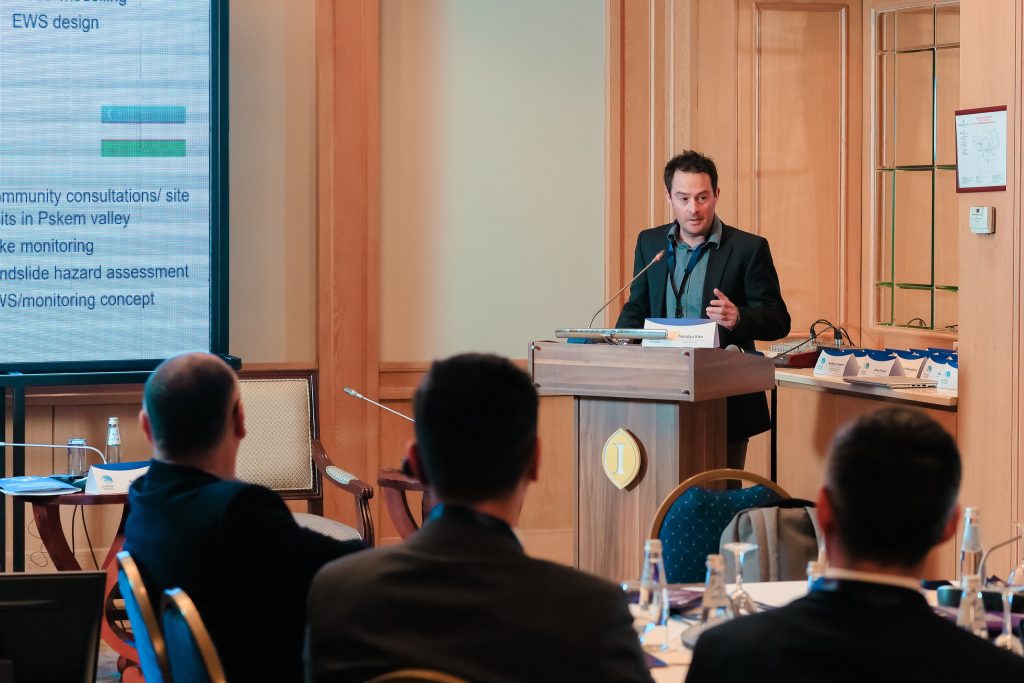
Tajikistan’s contributions included insights from glacier expeditions and the concept of an EWS for their pilot area. Uzbekistan focused on current state assessments of glacial and dam lakes, landslide hazard assessments, and integrated hazard monitoring concepts.

Day Two: Planning and Collaboration

The second day was dedicated to national level discussions, planning, and the presentation of working plans for each country. This facilitated a focused dialogue on specific challenges and strategies for implementing EWS and other GLOF risk reduction measures. The session underscored the importance of regional cooperation and the exchange of knowledge and experiences among the participating countries.

Outcomes and Forward Steps

The workshop concluded with a collective acknowledgment of the progress made and the challenges ahead. Key outputs included the formulation of national work plans, commitments to enhance gender and youth engagement in GLOF risk reduction projects, and the identification of best practices and learning modules to support capacity building across the region.

Implications for Policy Makers and Disaster Risk Reduction Professionals

For policy makers and professionals, the workshop’s outcomes emphasize the need for continued investment in early warning systems, community-based and gender-sensitive approaches to disaster risk reduction, and the importance of regional collaboration. The discussions highlighted the critical role of scientific research, technological innovation, and knowledge sharing in enhancing the resilience of Central Asian communities to the impacts of climate change and GLOF events.

As the GLOFCA project moves forward, the commitment demonstrated by the participating countries at the workshop provides a hopeful outlook for the region’s ability to mitigate the risks associated with glacier lake outburst floods, ensuring the safety and well-being of vulnerable populations and protecting vital infrastructure.

The UNESCO Almaty Office, along with its partners and stakeholders, remains dedicated to supporting these efforts, reinforcing the importance of adaptive strategies and proactive measures in the face of a changing climate.

Field visits in Ala Archa, Kyrgyzstan

In the end of August 2022, a four days joint field visit was conducted to the various lakes close to the Adygene research station in the valley of Adygene, a western tributary to the Ala Archa river and valley. A team of scientists from the Kyrgyz Academy of Science’s Institute of Water Problems and Hydroenergy, the Swiss University of Zurich and visiting female students from various Kyrgyz universities spent three nights at Adygene research station. The team conducted bathymetrical surveys for the upper and lower Adygene lakes.

GLOFCA is present in ‘Adventure of Science: Women and Glaciers in Central Asia’

GLOFCA member Laura Niggli joined this year’s ‘Adventure of Science: Women and Glaciers in Central Asia’ (https://www.inspiringgirls.org/central-asia-en) expedition as visiting scientific instructor with expertise on Glacier Lake Outburst Floods.

The project ‘Adventure of Science’ empowers young women through science, art and wilderness exploration.

This year’s successful expedition took place from 16.-25. August 2022 in the adventurous Ala Archa National Park in Kyrgyzstan where the young women made their first steps in and around Golubin glacier located in the beautiful high mountain regions the Kyrgyz range.

The female led team trained the participants in scientific methods and supports them in the development and presentation of their own scientific projects. The participants learnt about climate and environmental changes as well as natural hazards and Disaster Risk Management (DRM) in high mountain regions.

Besides the focus on thematic capacity building, the program is designed to encourage critical thinking, curiosity, and expression with the goal to empower a new generation of strong, aware and educated female explorers, scientists and leaders.

Modelling Workshop with Project Partners and Zurich University in May and July 2022

The University of Zurich (UZH), in its role as lead implementing partner to the Executing Entity of UNESCO within the GLOFCA Project, organizes a technical training addressed to experts in the field of natural hazards management for the numerical modelling of rapid mass movements and glacier lake outburst floods in particular.A detailed prediction of the height, the velocity and the impact pressure of mass movements are the basis for natural hazard assessment.The software RAMMS was specially designed to provide practitioners with a tool that can be applied to analyze problems that cannot be solved with one-dimensional models.RAMMS is a reliable numerical simulation tool yielding runout distance, flow heights, flow velocities and impact pressure of dense flow snow avalanches, hillslope landslides, glacier lake outburst floods (GLOFs) and debris flows.link: httpss://ramms.slf.ch/ramms/

The course is divided in two introductory webinars and a face-to-face workshop, which will be held in Almaty. 

On the 16th of Mai 2022, the first webinar took place.The four panelist, Prof. Christian Huggel, Dr. Perry Bartelt, Dr. Holger Frey and Dr. Alessandro Cicoira introduced general topics from disaster risk reduction and numerical modelling of rapid mass movements. 
Examples from different continents and different types of mass movements were covered, including snow avalanches, rockfalls, and GLOFs.

A large audience of almost 50 experts from the four Republic in Central Asia participated to the training.

On the 1st of June, the second webinar took place.The participants heard about the challanges and the assumptions used in the model from Dr. Brian McArdel.Also, two examples of mass movements from the Swiss Alps were examined in detail to illustrate the functionality and the potential of the model.The participants had the chance to get training on how to deal with highly relevant objects and obstacles such as houses, but also with low friction areas, such as roads.

Thanks to all the organizers from the UNESCO Almaty, the University of Zurich, the WSL-SLF institute, the translators, and all the interested participants, the two events were a success.These two webinars pave the road for the upcoming workshop that will be held in Almaty from the 27th to the 30th of June.There, the participants will have the opportunity to work with international experts on GLOFs modelling, follow hands-on exercises, and autonomously develop their own study cases. 

​​​​On the last week of July 2022, 23 participants from the four Central Asia Republics participated in a training on numerical modelling of Glacier Lake Outburst Floods (GLOF). 

The event was organized by the University of Zurich (Alessandro Cicoira), the Snow and Avalanche Research Centre SLF in Davos (Perry Barlet, Jessica Munch, Olga Gorynina) and the UNESCO office in Almaty (Natalia Kim and Gulnaz Abdaliyeva), with additional help of the State Institute Kazselezashita under Ministry of Emergency Situations of the Republic of Kazakhstan (Murat Kassenov).

The participants were accurately selected amongst national authorities, research centers and universities, where professional personnel is currently working for mitigating GLOF risk.

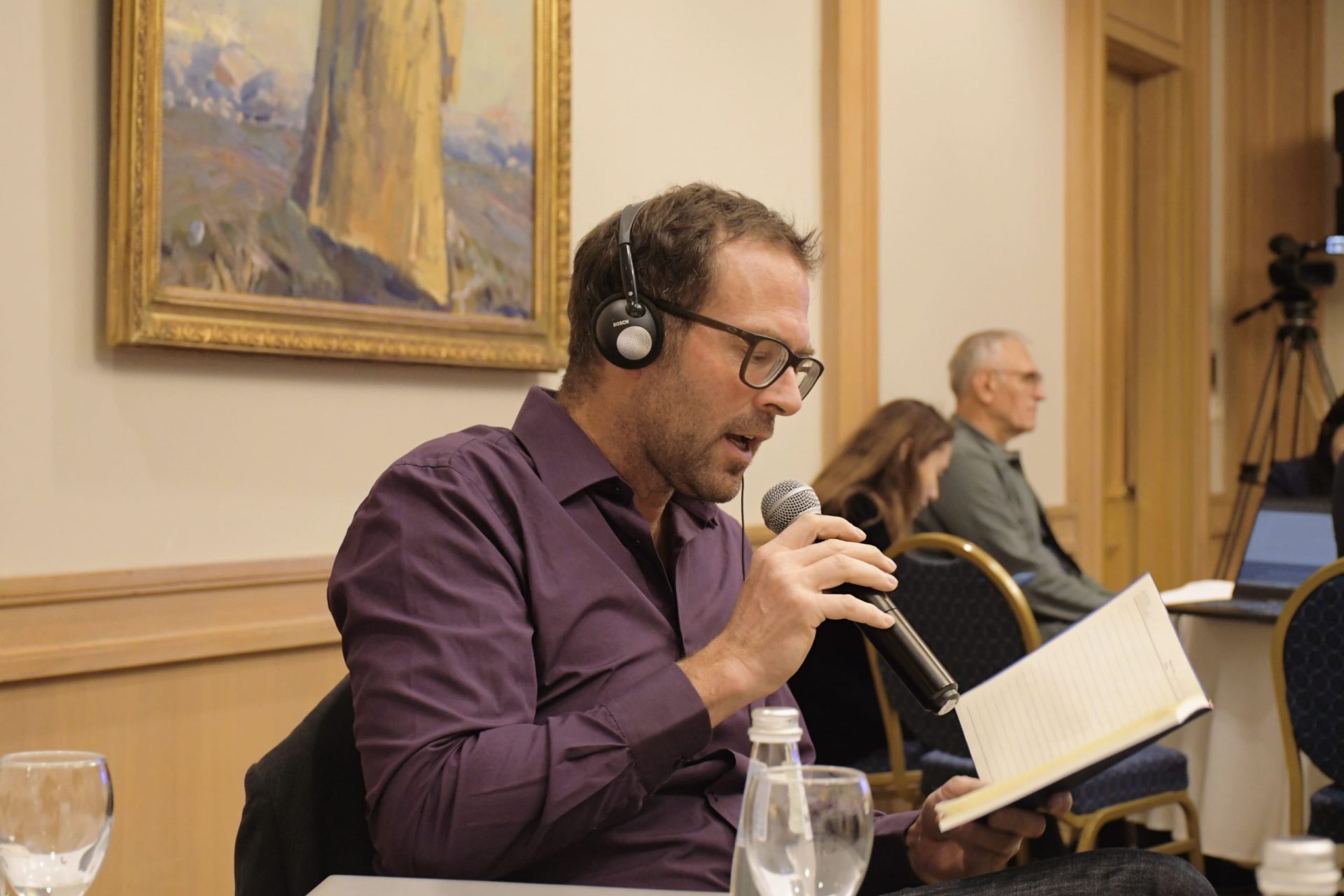
The participants had the opportunity to learn how to use the software RAMMS. During the first day, several lectures about flow dynamics, GLOF breaching and open access data provided the basis for the rest of the training. All the participants learnt how to simulate rapid mass movements. Despite some theory being indispensable, the workshop room got warmer up quickly due to the heat generated by the computers. By the morning of the second day, everybody knew how to obtain its own data and independently run a numerical simulation.

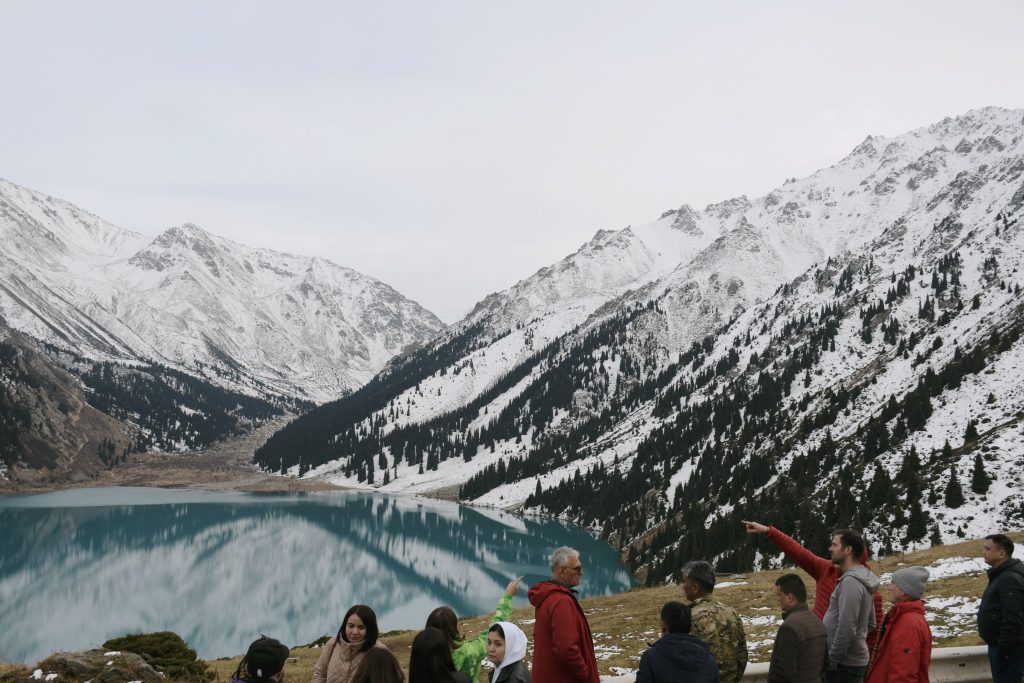
The second day of the training an interesting field visit led by Mr Murat Kassenov brought the participants to the catchment of Talgar. There, the experts from the State Institute Kazselezashita and from the University of Zurich discussed mitigation measures, GLOF dynamics and numerical modelling keeping in mind the potential and the limitations of the software used in the course. 

The following two days were very busy, with the participants working briskly in order to obtain the maximum out of this block course. Many simulations have been performed, including the four pilot sites of the GLOFCA Project. The participants also simulated successfully with the help of the teachers some other case studies relevant for their work. 

During the last day of the training, in a conference fashion, each country presented their own study cases, the success and the problems that they encountered during the course. Finally, official learning certificates were endorsed to the participants, who will continue to work with the software in their professional and academic life. The institutions participating to the course are now equipped with 4 years licenses and ongoing support for their work. 

The course served at providing the fundamental basis for numerical simulations of GLOFS, but it also worked as a very effective international networking platform, both on a professional and personal level. Many collaborations have been discussed already and more will likely follow, in the best interest of capacity building, development and cooperation.

В последнюю неделю июля 2022 года 23 участника из четырех республик Центральной Азии приняли участие в тренинге по численному моделированию паводков от прорыва ледниковых озер (ППЛО). 

Мероприятие было организовано Цюрихским университетом (Алессандро Чикойра), Центром исследований снега и лавин SLF в Давосе (Перри Барлет, Джессика Мунк, Ольга Горынина) и Кластерным бюро ЮНЕСКО в Алматы (Наталья Ким и Гульназ Абдалиева) при дополнительной помощи Государственного учреждения “Казселезащита” при Министерстве Чрезвычайных ситуаций Республики Казахстан.

Участники были тщательно отобраны среди национальных органов власти, исследовательских центров и университетов, где в настоящее время работают профессиональные кадры по снижению риска ППЛО.

Участники имели возможность научиться пользоваться программным обеспечением RAMMS. В течение первого дня лекции о динамике потока, ППЛО и данных открытого доступа послужили основой для остальной части тренинга. Все участники научились моделировать быстрые движения масс. Несмотря на то, что без теории было не обойтись, помещение семинара быстро нагревалось из-за тепла, выделяемого компьютерами. К утру второго дня все знали, как получить собственные данные и самостоятельно запустить численное моделирование.

На второй день тренинга состоялся интересный полевой выезд участников на водосборный бассейн Талгара под руководством г-на Мурата Касенова. Там эксперты из Государственного учреждения “Казселезащита” и Цюрихского университета обсудили меры по смягчению последствий, динамику ППЛО и численное моделирование, учитывая потенциал и ограничения программного обеспечения, используемого в курсе. 

Последующие два дня были очень насыщенными, участники работали в напряженном режиме, чтобы получить максимум от этого курса. Было проведено много симуляций, включая четыре пилотных территории проекта GLOFCA. Участники также успешно смоделировали с помощью преподавателей некоторые другие тематические исследования, имеющие отношение к их работе. 

В последний день тренинга, который прошел в форме конференции, каждая страна представила свои учебные примеры, успехи и проблемы, с которыми они столкнулись во время курса. Наконец, были вручены официальные сертификаты об обучении участникам, которые будут продолжать работать с программным обеспечением в своей профессиональной и академической жизни. Учреждения, участвовавшие в курсе, теперь обеспечены лицензиями на 4 года и постоянной поддержкой их работы. 

Курс послужил фундаментальной основой для численного моделирования ППЛО, а также стал очень эффективной платформой для налаживания международных связей, как на профессиональном, так и на межличностном уровне. Уже обсуждались многие вопросы сотрудничества, и, скорее всего, их станет еще больше, в интересах наращивания потенциала, развития и сотрудничества.


GLOFCA Project presented at Regional Forum on Sustainable Development

On the 7th of April 2022 the GLOFCA Project was presented at the Regional Forum on sustainable development for the UNECE Region, where partnerships to address climate change, extreme events and disaster risk reduction towards sustainable development goals have been discussed.

https://regionalforum.unece.org/events/regional-forum-2022

The event was organized by the Regional Office for Europe of the World Meteorological Organization (WMO) and the United Nations Distaster Risk Reduction (UNDRR) Regional Office for Europe and Central Asia. Contributors came from UNICEF, UNDP, UNECE, UNESCO and other members of the Task Team on Climate Change and DRR of the Issue Based Coalition on Environment and Climate.

Amongst the five panelist, Alessandro Cicoira, a scientist from the University of Zurich, discussed the GLOFCA project and its philosophy. During his presentation, he addressed the strategy to reduce the vulnerabilities of communities affected by Glacier Lake Outburst Floods. Special attention was payed to the regional scale of the Project and to the integrated approach in the design of Early Warning Systems. An important discussion point has also been the financial and operational sustainability of the mitigation measures developed under the project. With this regard, capacity building and knowledge transfer have been highlighted as some of the fundamental components of GLOFCA.


Other panelists presented their experience related to resilience journey for cities (https://mcr2030.undrr.org/), the  National Platform of the Kyrgyz Republic for Disaster Risk Reduction, the joint expert group on water and industrial accidents (https://unece.org/joint-expert-group-water-and-industrial-accidents), and finally the Strategic Partnership for the South-East European Multi-Hazard Early Warning Advisory Syste.
The event has been concluded by a vivid discussion with many questions and suggestions for further partnerships and cooperation. Cyrille Honoré, in his role of moderator, summarized the event by stressing that you cannot simply declare cooperation. This needs time, energy and commitment. It is important that science advances are translated in practical results and sustained over time by policies and governance. He reminded that the secretary general just called for a wide effort to ensure that EWS are always more applied to protect vulnerable communities on our planet. With this important message, we concluded the event proud to contribute to a common effort.


The Silk Road of Knowledge: Science Meets Green Policy Conference

From February 23-35, 2022 an international online conference organized by the Kazakh-German University within the framework of the Green Central Asia Initiative. The main objective of the conference was to provide innovative solutions to the five Central Asian economies (Kazakhstan, Kyrgyzstan, Tajikistan, Turkmenistan, and Uzbekistan) by:

  • Informing on decision-making processes based on scientific research in the field of integrated water and land resources management, food security, infrastructure development, water, and climate security, and energy efficiency practices in Central Asia;
    • Presenting innovation for development;
    • Involving youth in scientific research and decision-making processes

    The online conference covered a wide range of issues and was divided into pre-sessions, panel discussions, and thematic sessions each discussing the impact of climate change on the Central Asian countries and presenting proposals including necessary adaptation measures. Mr. Bakhtibek Otambekzoda represented the “Reducing the vulnerabilities of populations in the Central Asia region from glacier lake outburst floods in a changing climate” (GLOFCA) project as a national coordinator for Tajikistan during one of the sessions named “Climate Security: Disaster Risk Reduction and Adaptation” as a discussant and shared his views and recommendations on the presented policy-brief as well as briefly informing the participants about the GLOFCA project aims and components. 

  • First GLOFCA Regional Exchange Workshop Held in Tashkent, Uzbekistan

    The first regional exchange workshop under the GLOFCA project took place in Tashkent, Uzbekistan, from November 18–19, 2021, bringing together experts and officials from Central Asia to address the growing risks of Glacier Lake Outburst Floods (GLOFs).

    Organized by the UNESCO Regional Office in Almaty, the event focused on lake mapping, monitoring, and hazard assessment. Participants from Kazakhstan, Kyrgyzstan, Tajikistan, and Uzbekistan shared experiences, identified gaps, and discussed strategies to enhance regional cooperation and capacities in GLOF risk management. This collaborative effort marks a significant step toward improving resilience and protecting vulnerable communities in Central Asia. For more information about each workshop session, visit this page.