News Category: Early Warning

Early warning system for Talgar River basin successfully tested ahead of installation

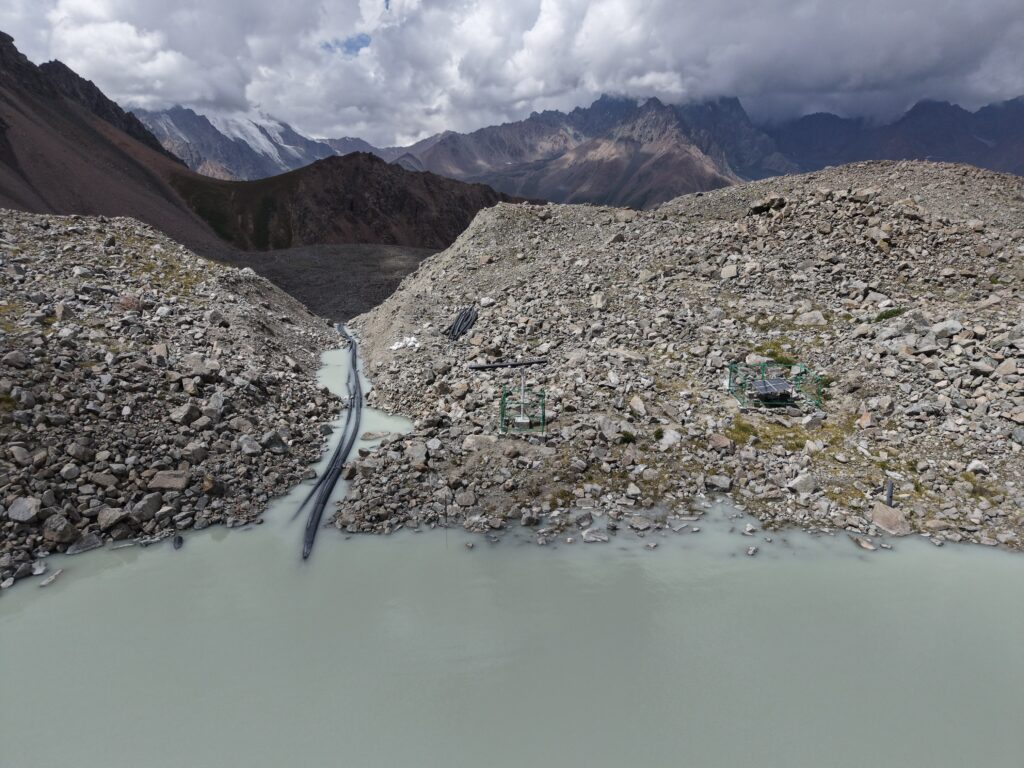
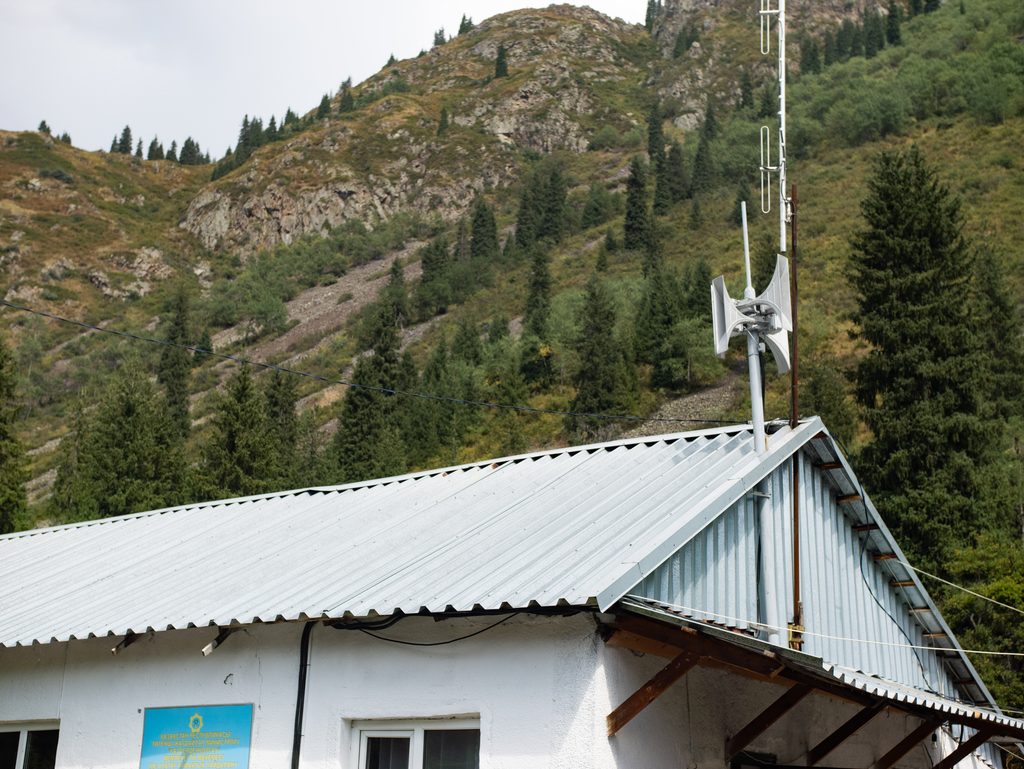
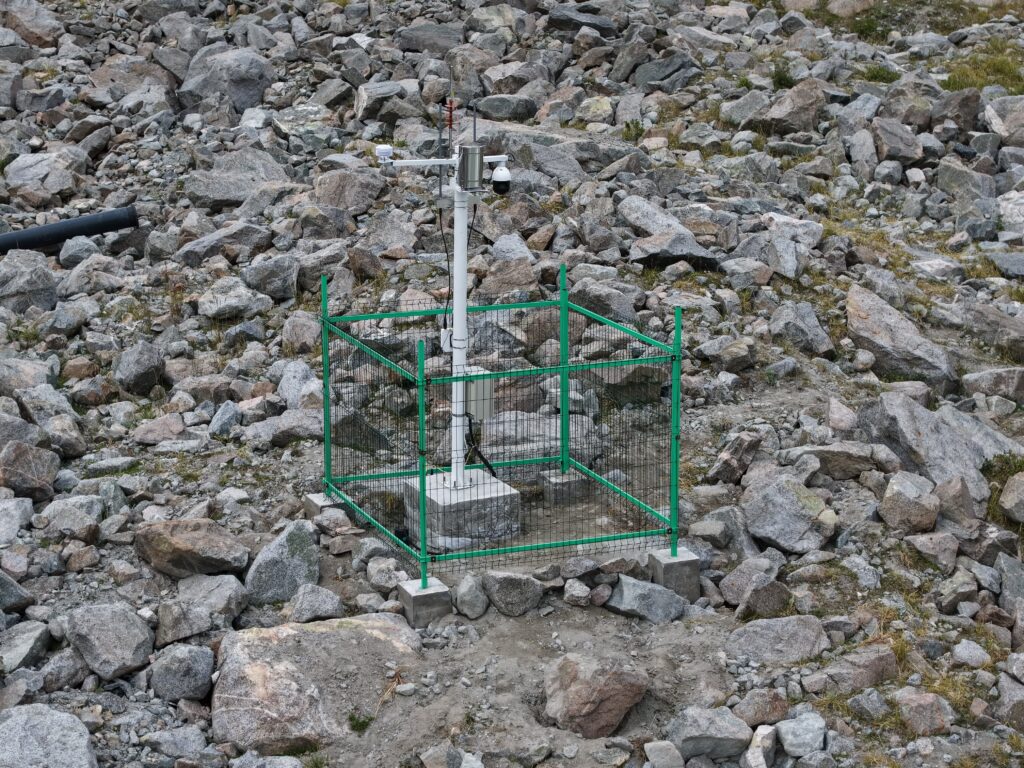
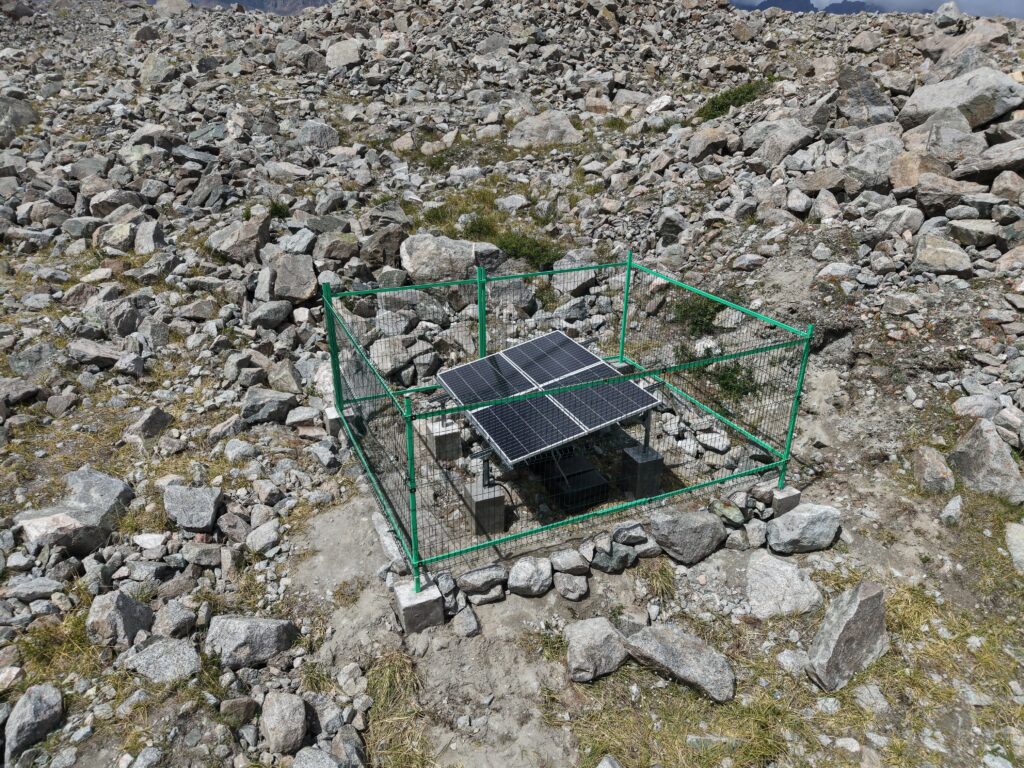
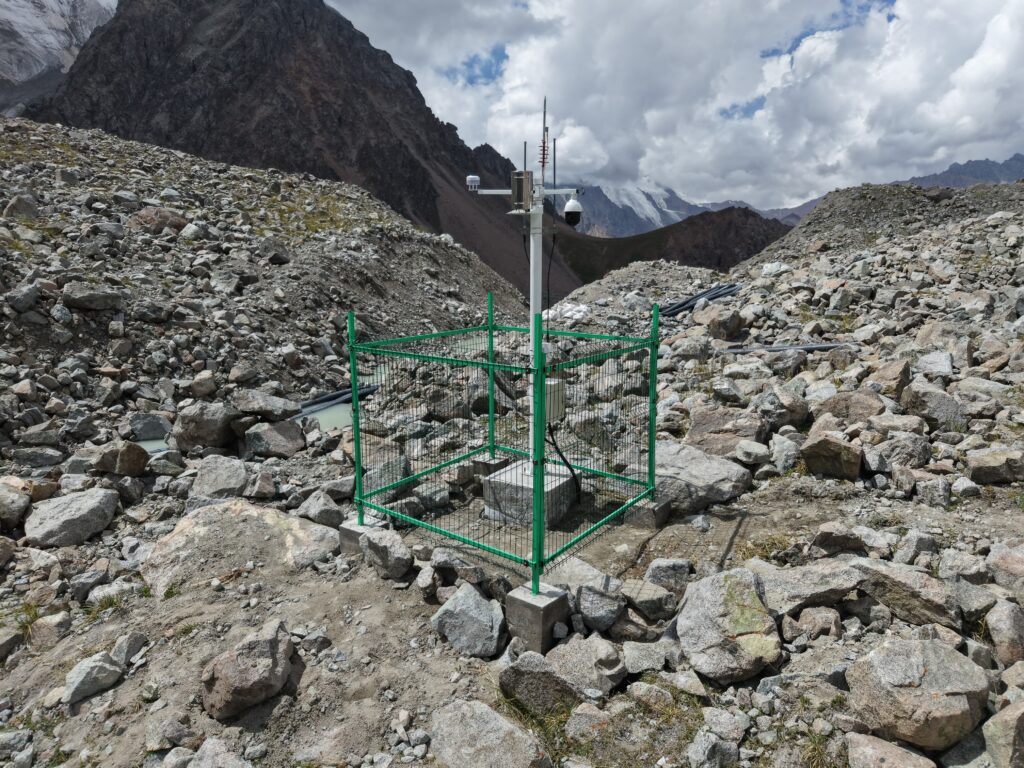
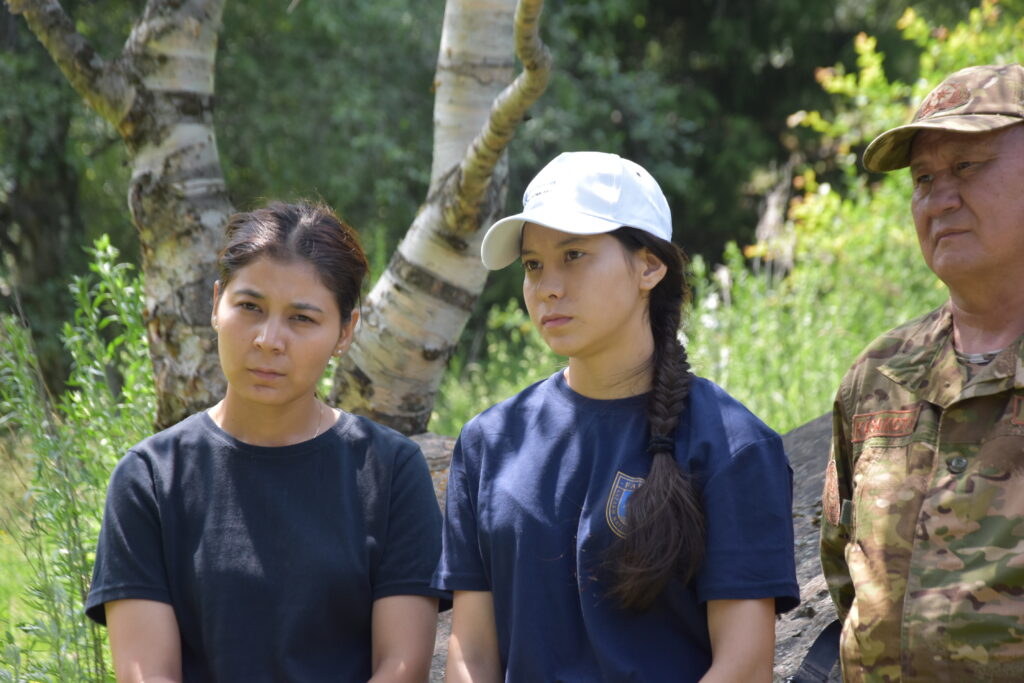
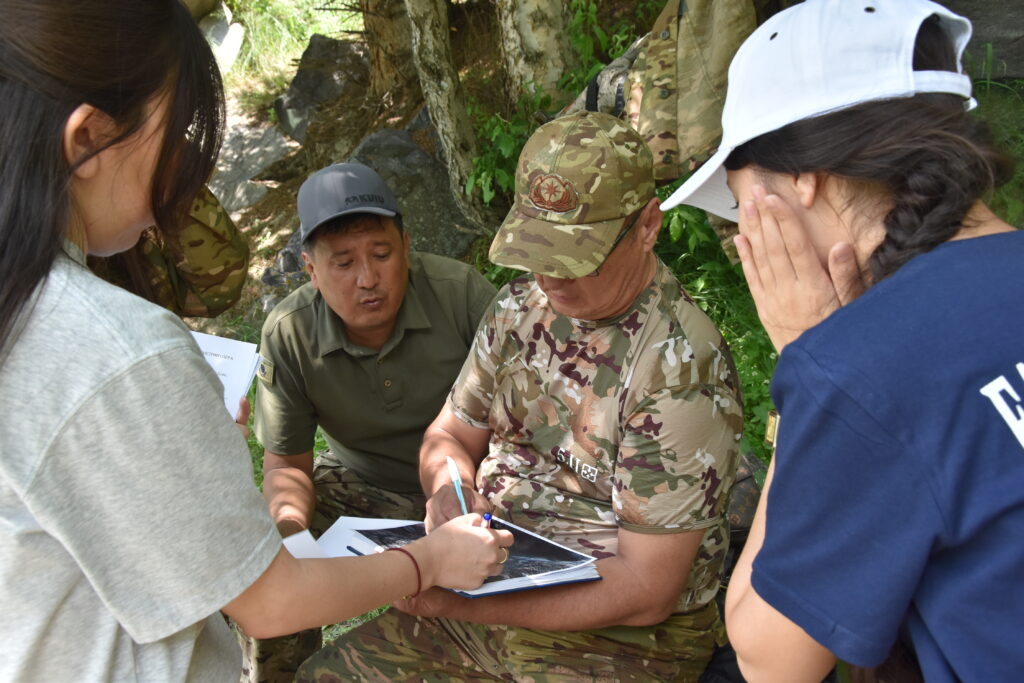
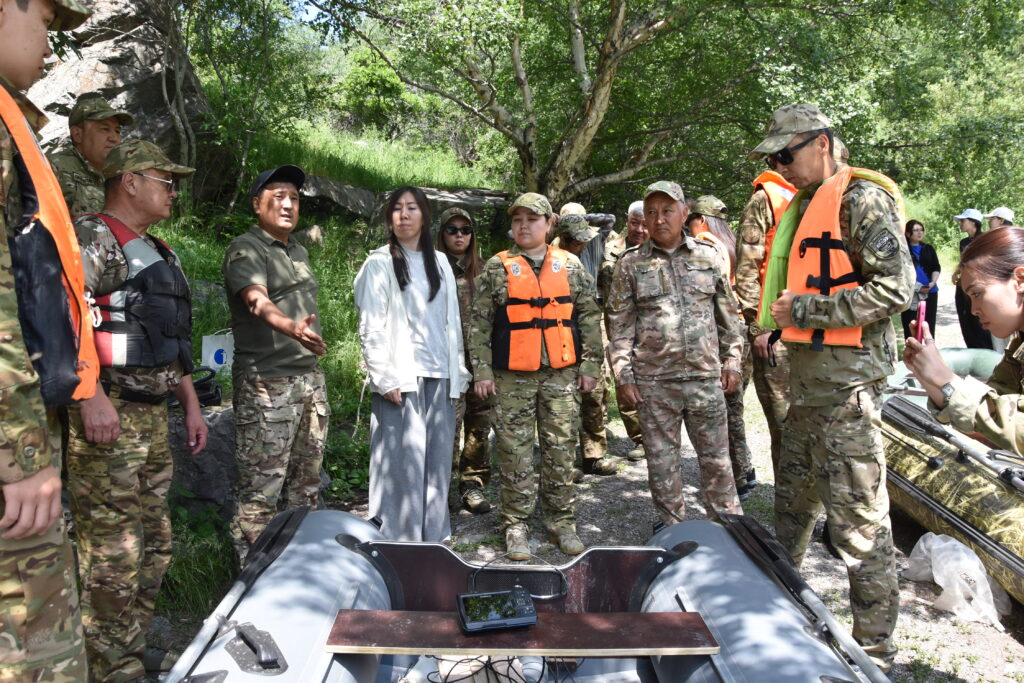
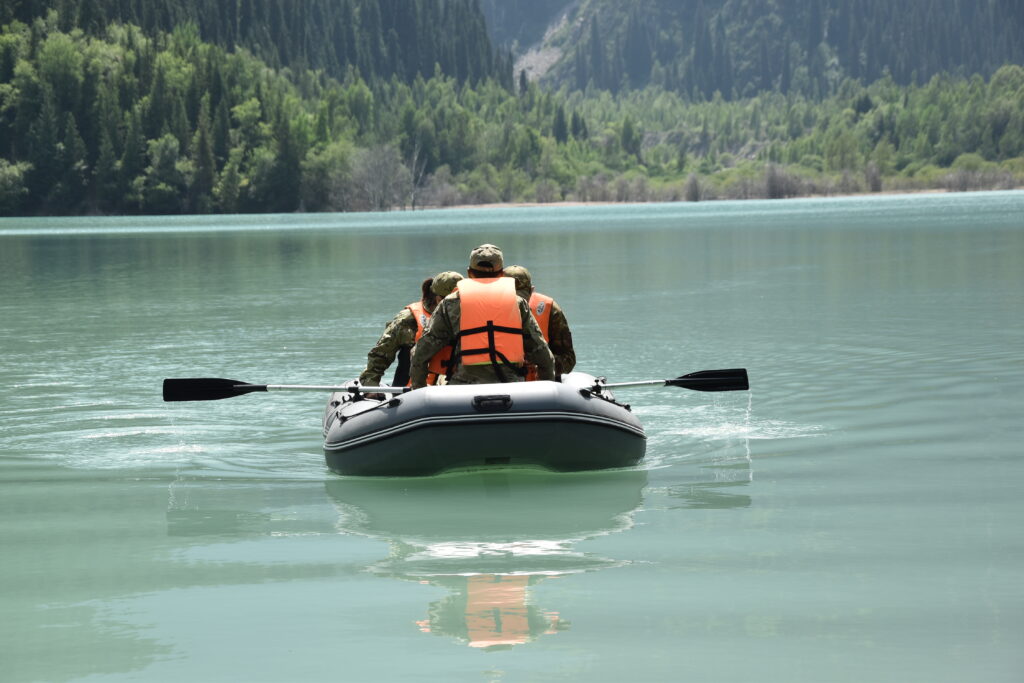
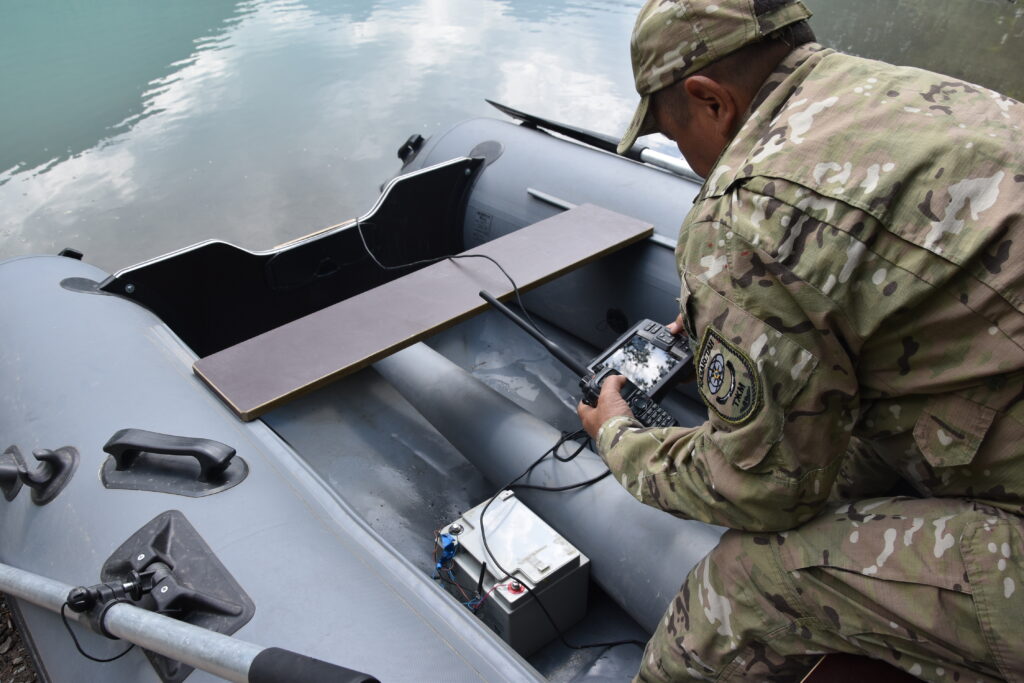
The test was carried out to check whether the system can operate in real conditions where electricity supply and mobile network coverage are limited or unavailable. Particular attention was given to the stability of data transmission via a hybrid network, the operation of the solar power supply system, and the system’s performance under conditions expected in remote mountain areas.

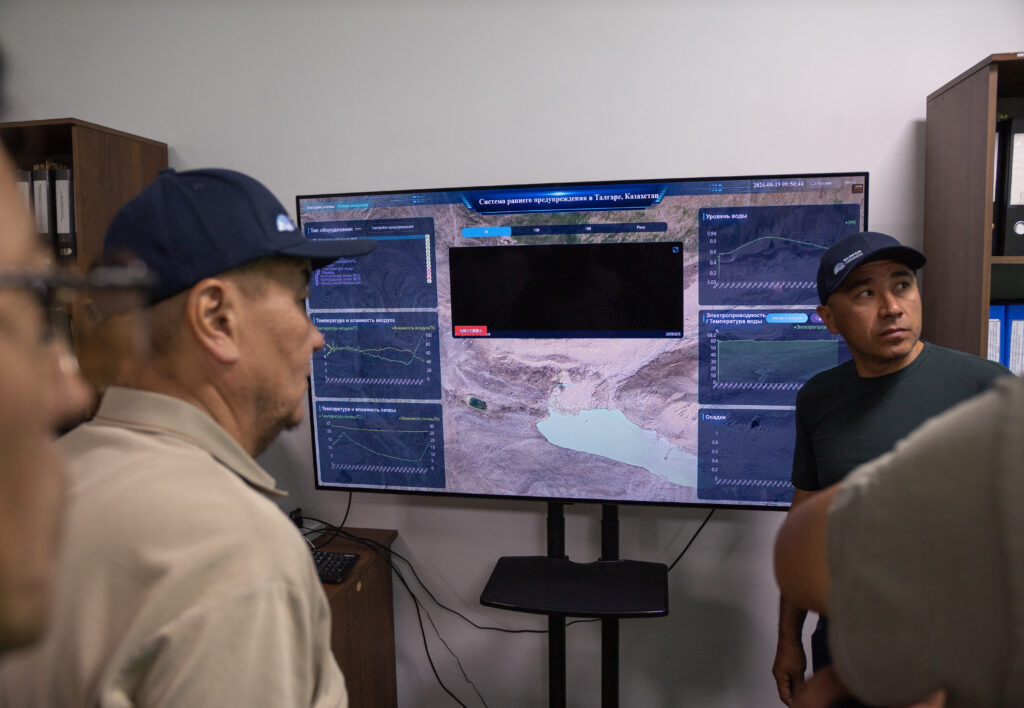
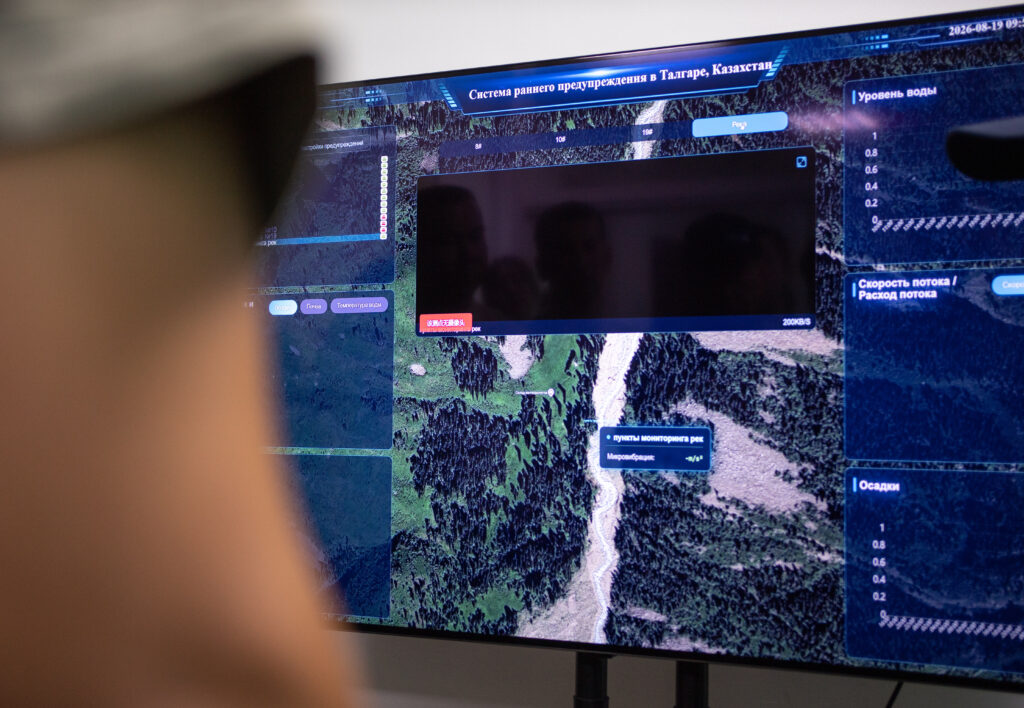
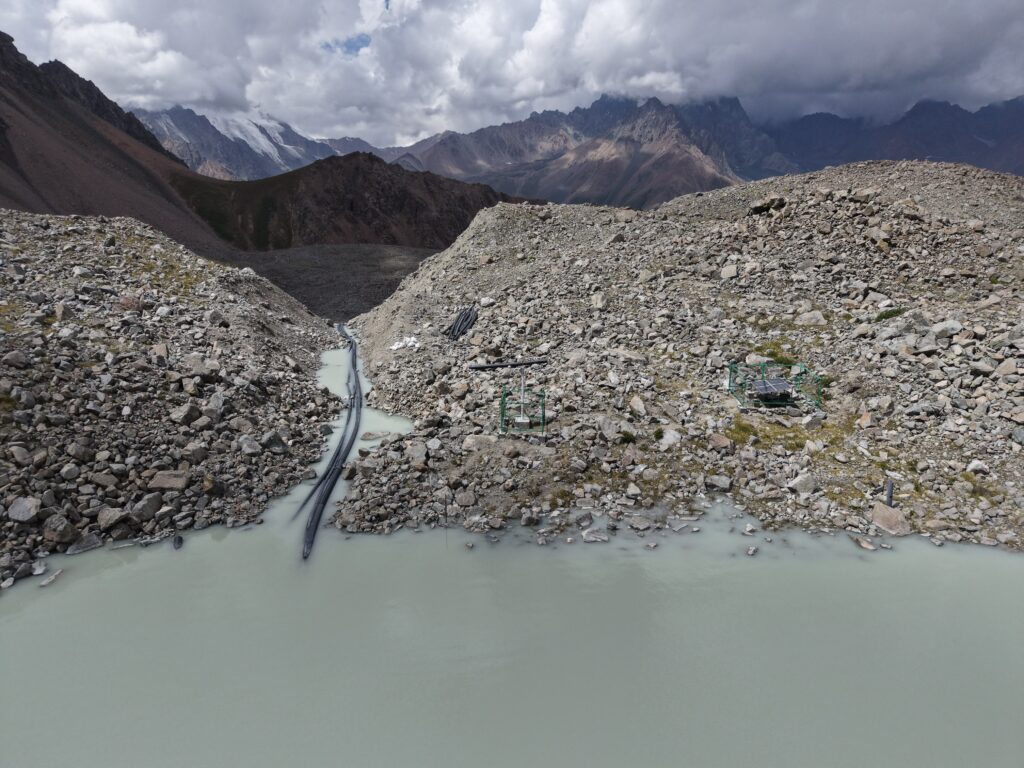
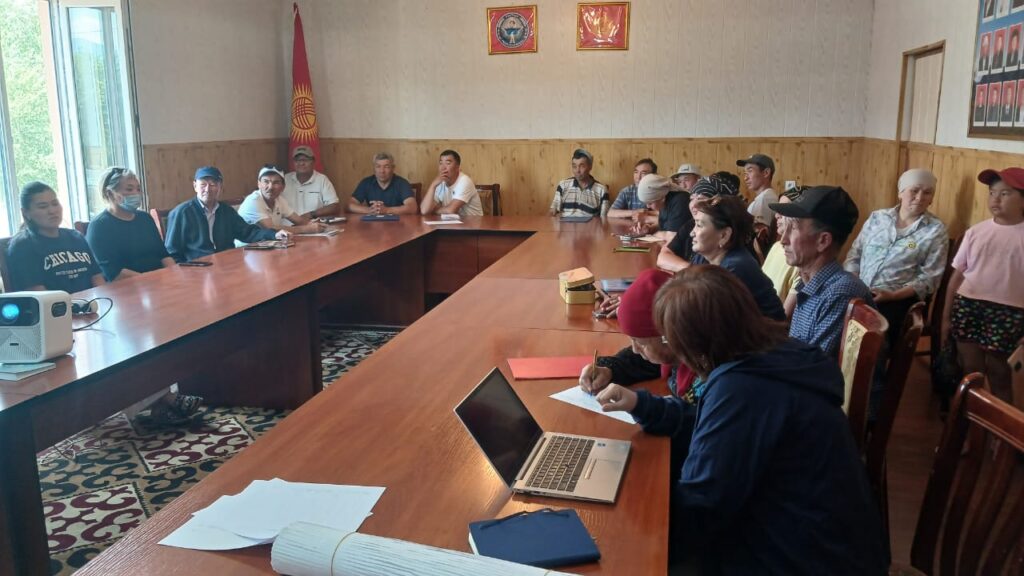
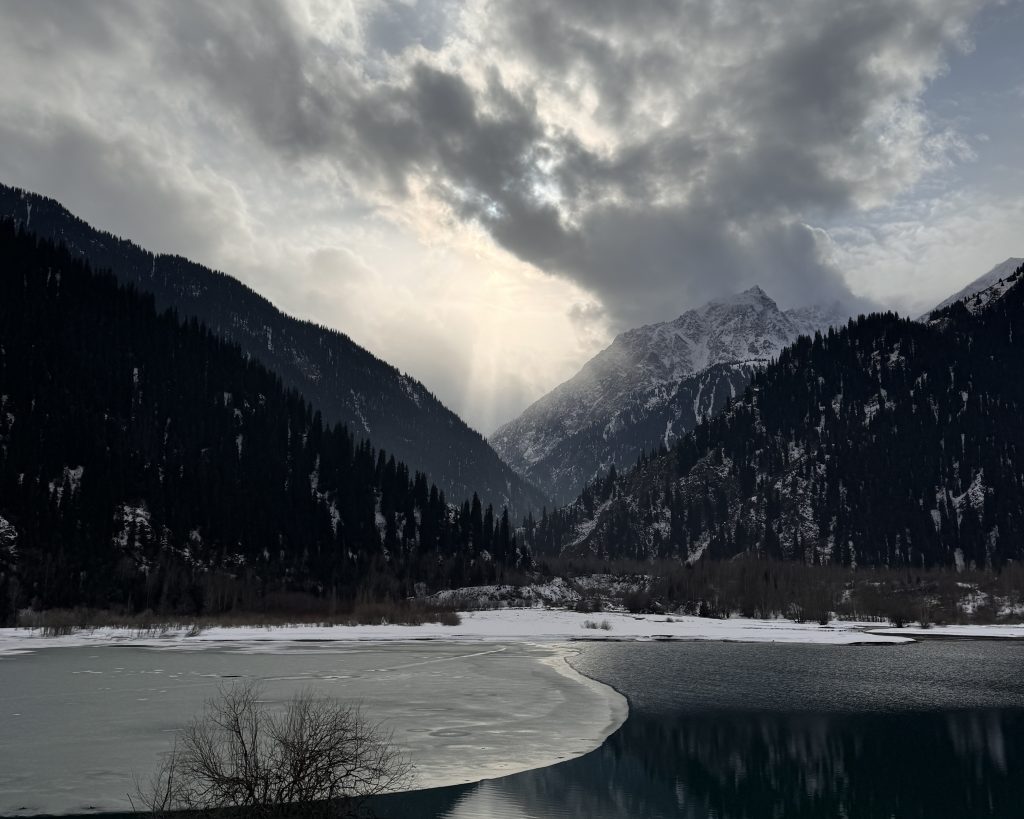
For the test run, the equipment was temporarily deployed in the Esik (Issyk) river basin area, where there is no mobile network coverage. The site was selected because the Talgar pilot site is currently inaccessible due to seasonal conditions, while the Esik River basin offers similar operating conditions. The Control Room at “Kazselezashchita” office (monitoring centre) in Almaty was also fully integrated into the process, where servers, data storage and the sensor service interface were successfully installed, configured, and tested for continuous data synchronization. All tests were completed successfully. Following the test run, work has now begun on the actual installation of the EWS in the Talgar River basin.

About the pilot area

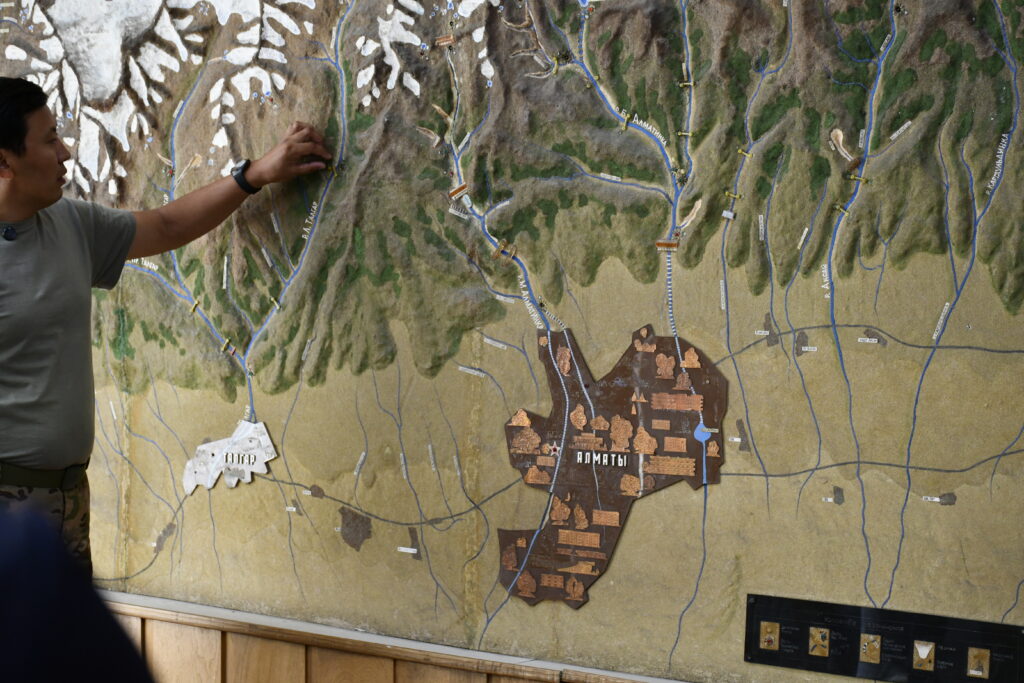
The Talgar River basin, located in the Ile Alatau mountains, is one of the GLOFCA project pilot sites. It contains 22 moraine-glacial lakes, seven of which are classified as first-category mudflow hazards. Within the framework of the GLOFCA project, a modern early warning system has been designed to monitor three glacial lakes and an observation station in the middle section of the riverbed. Once installed, the system will help promptly inform SI “Kazselezashchita” in the event of a glacial lake outburst, supporting faster response and improved risk reduction for downstream areas.

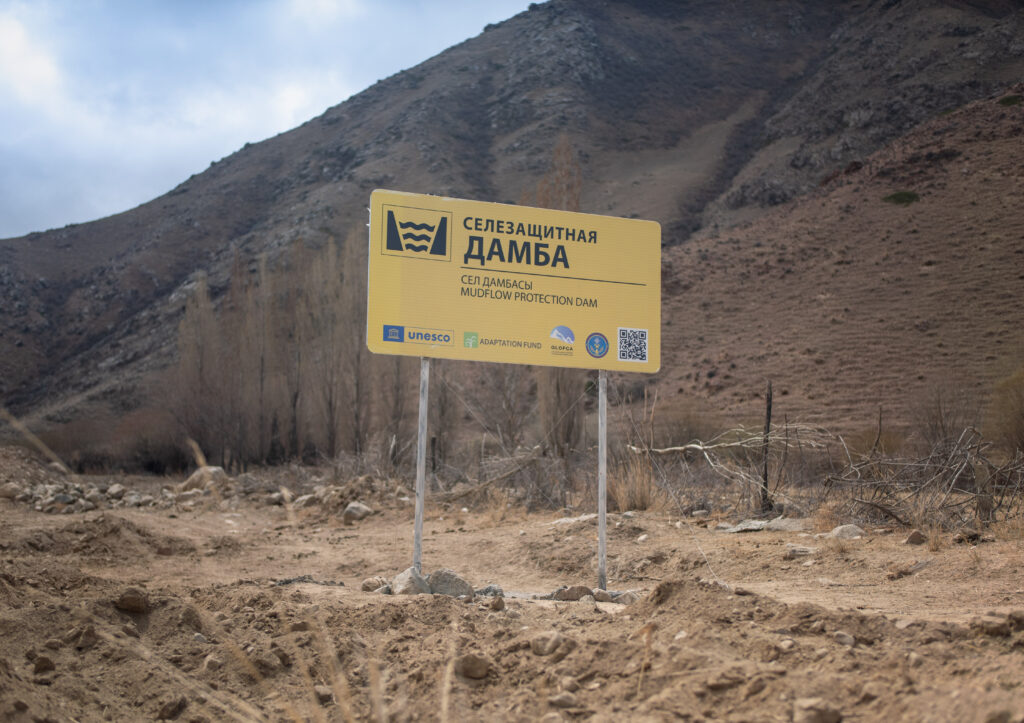
Mudflow protection dam handed over in Tuura-Suu to protect communities from debris flows

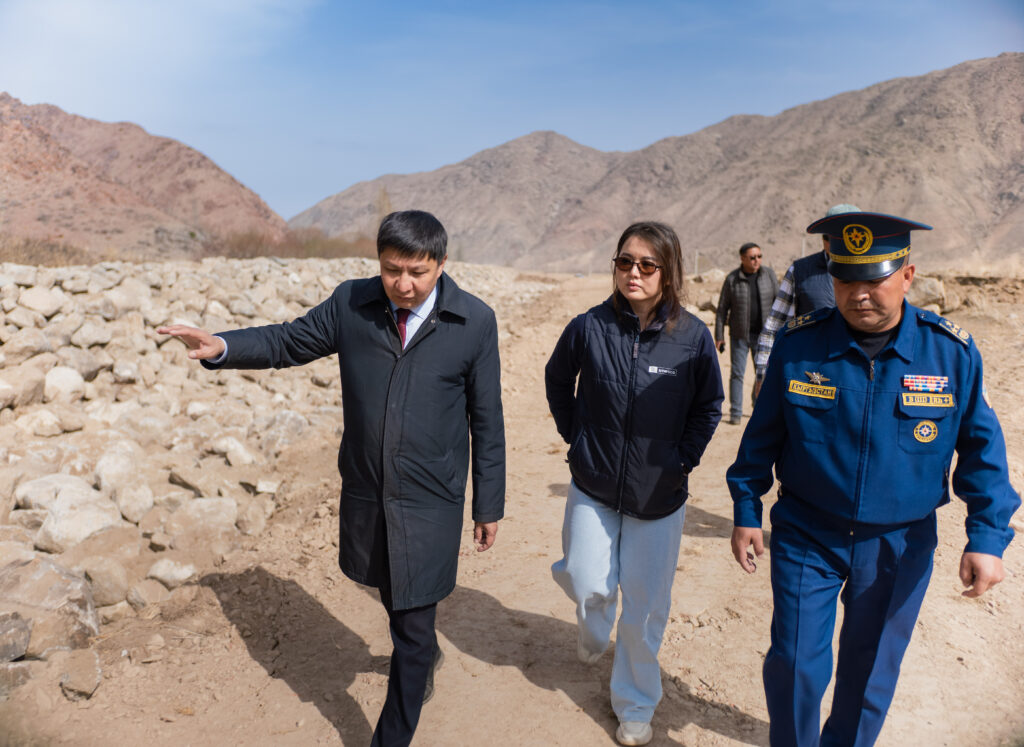
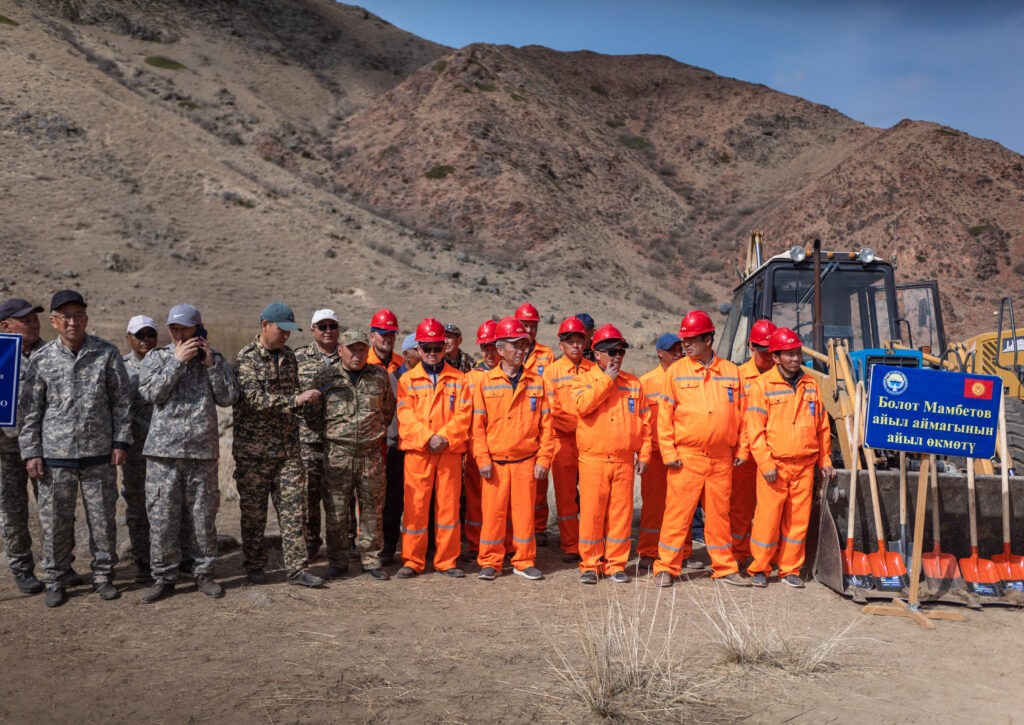
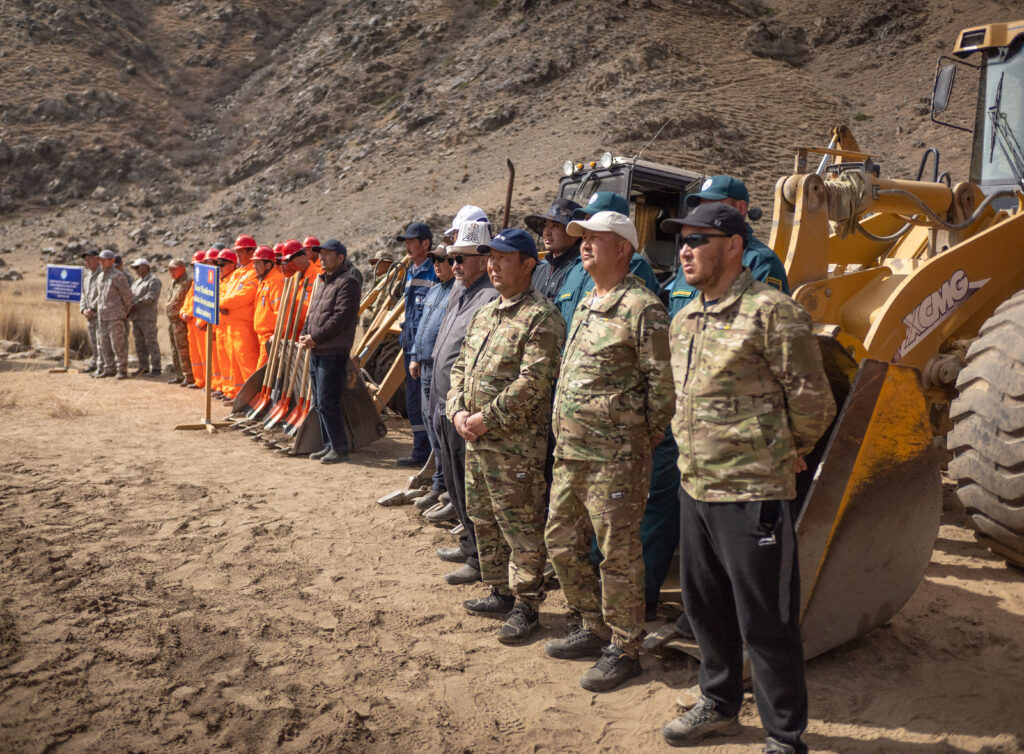
On 9 April, an official presentation and handover of a mudflow protection dam took place in the village of Tuura-Suu, Ton District, Issyk-Kul region, to a national partner to ensure its continued operation and sustainability. The event was held within the framework of the project “Reducing the vulnerability of populations in Central Asia to glacial lake outburst floods under changing climate conditions” (GLOFCA), implemented by the UNESCO Regional Office in Almaty with financial support from the Adaptation Fund.

Context

The village of Tuura-Suu is located in the Ton River basin, one of the pilot areas of the GLOFCA project, which is exposed to mudflow risks due to potentially dangerous high-mountain lakes and intense precipitation. The most recent major event occurred in August 2024, creating a risk of flooding to residential areas and infrastructure.

Handover and training activities

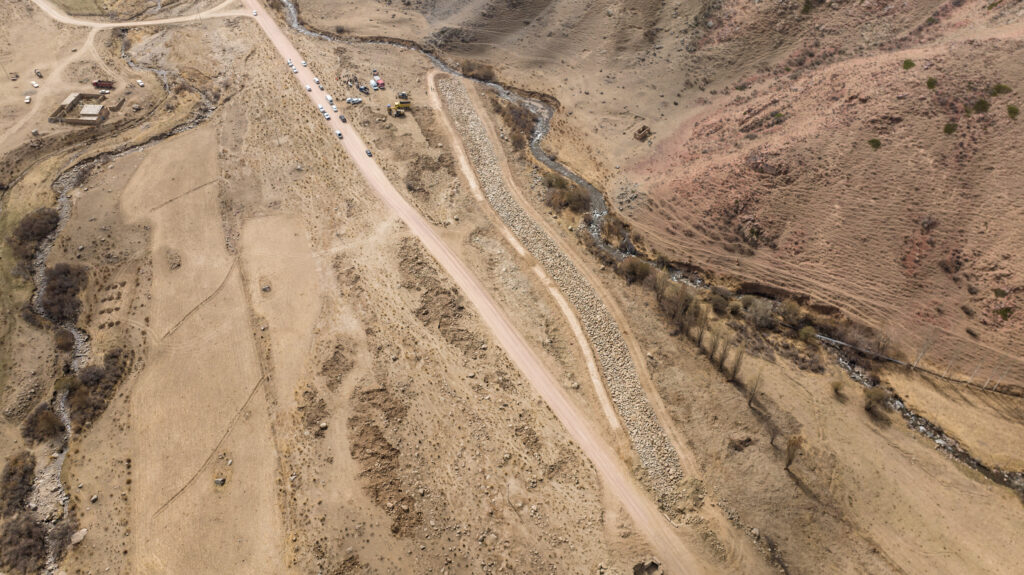
In response to these risks, the GLOFCA project, in cooperation with the Ministry of Emergency Situations of the Kyrgyz Republic, initiated construction of a mudflow-protection dam upstream of Tuura-Suu.

The structure diverts mudflows away from the settlement, reducing the risk to residential areas and protecting key infrastructure, including the Bishkek–Karakol highway.

The construction was carried out with the active support of locals and the involvement of the local administration. The handover of the dam to the national partner marks an important step in ensuring its long-term operation and sustainability.

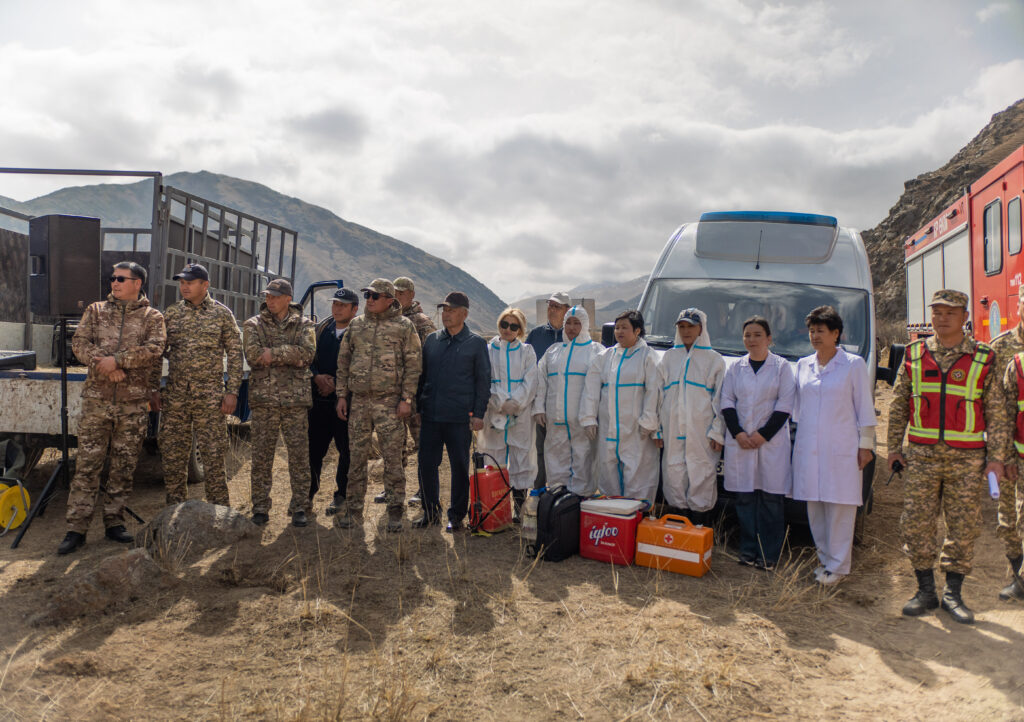
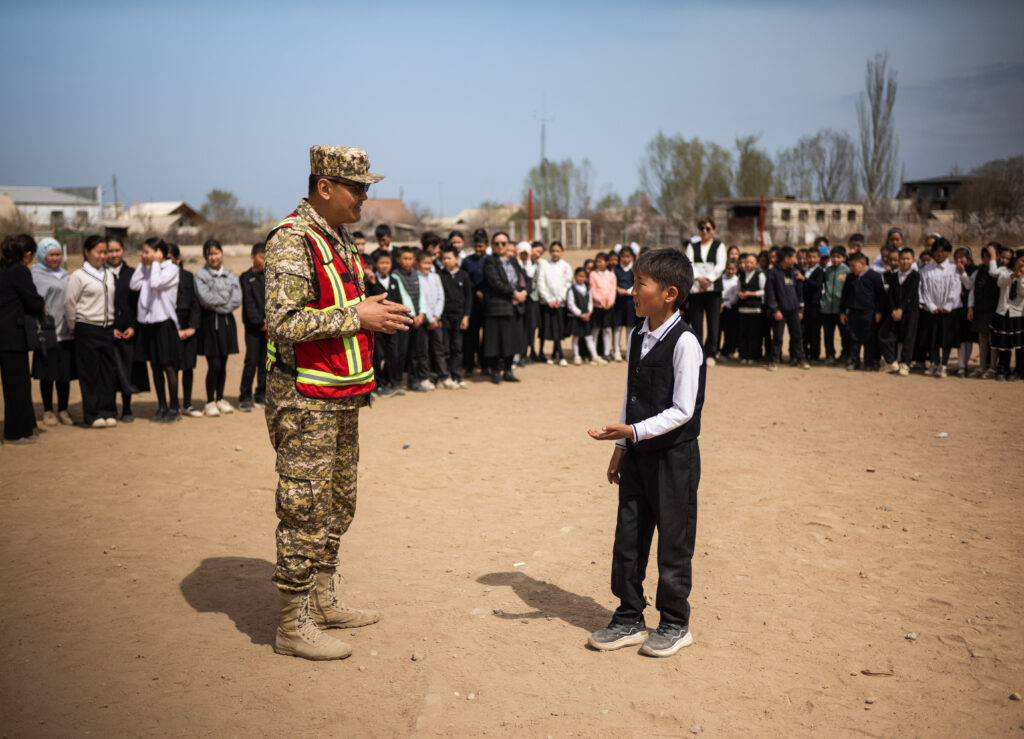
As part of the event, a demonstration exercise by civil protection services of the Ton District was also held, involving medical, transport and other relevant services. During the exercise, each service demonstrated its actions in the event of a debris-flow-related emergency.

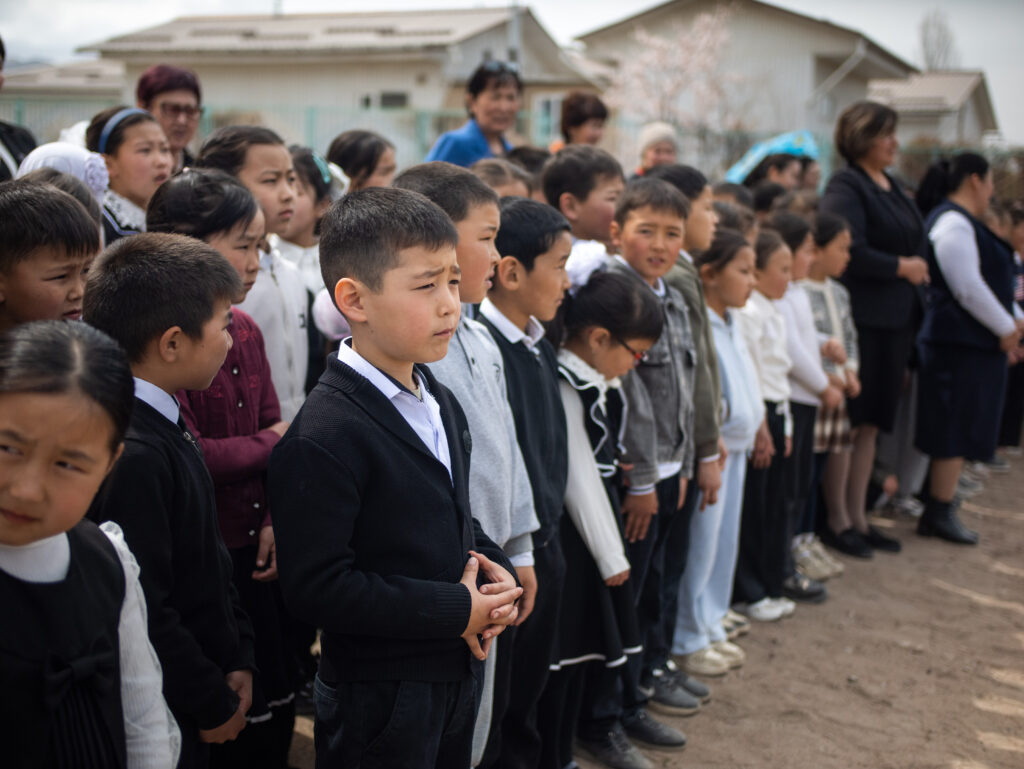
In addition, a training exercise was held at the Z. Altymyshbaev School in the village of Bokonbaevo, involving 413 students. During the exercise, an evacuation was carried out in response to a siren signal, after which an MES specialist conducted a briefing for the students.

The measures implemented in Tuura-Suu demonstrate a comprehensive approach that combines engineering solutions and community preparedness, contributing to enhanced safety and resilience for local communities.

UNESCO Hands Over Equipment to Strengthen Early Warning Systems in Central Asia at RES-2026

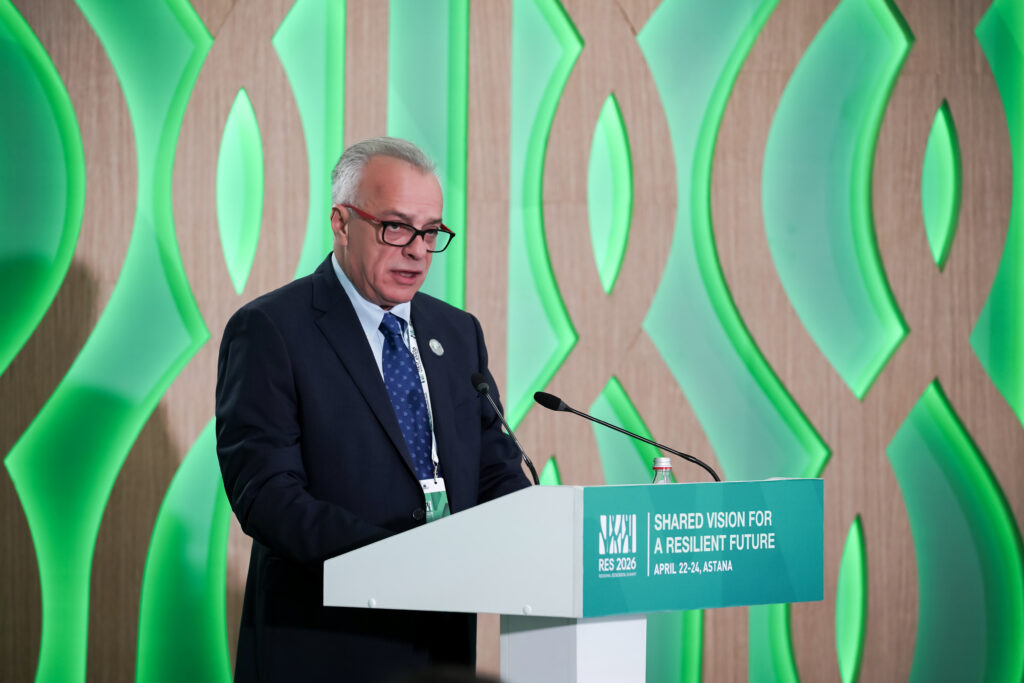
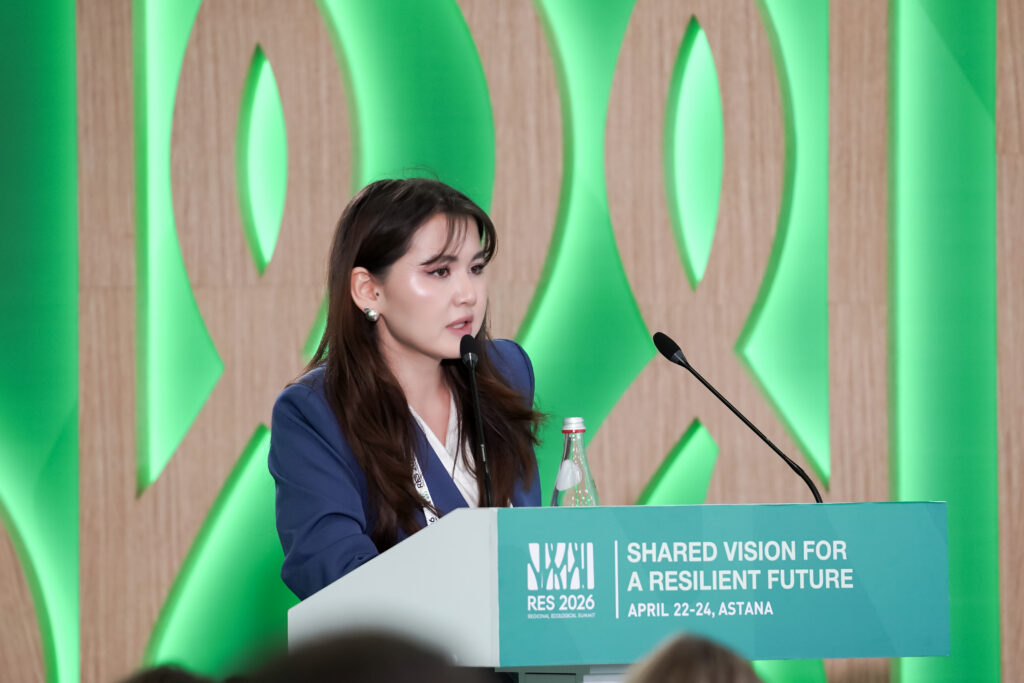
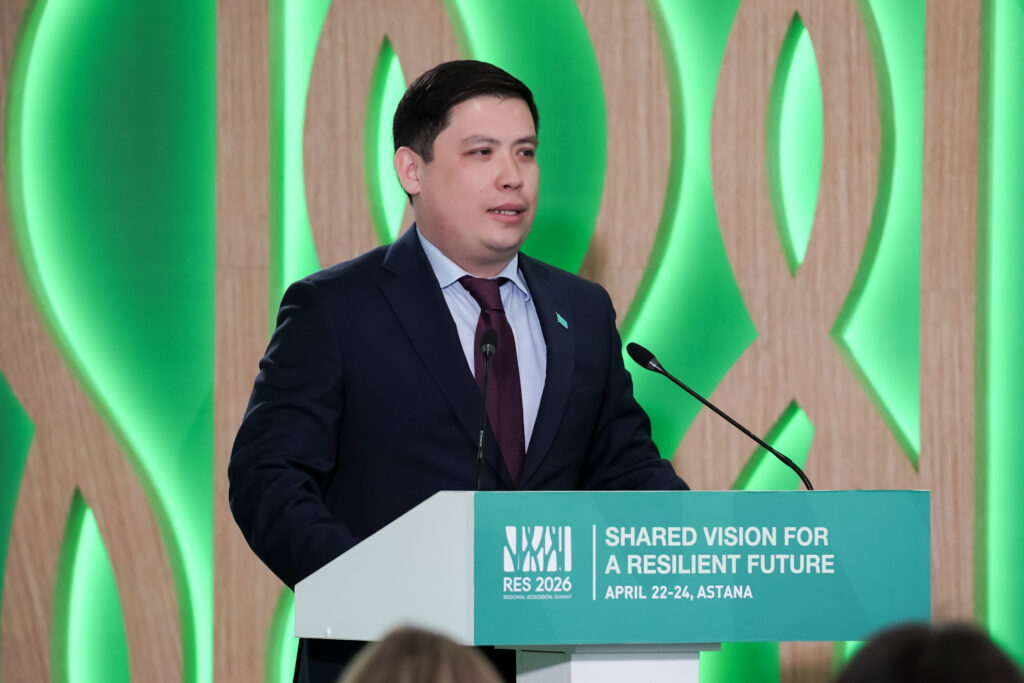
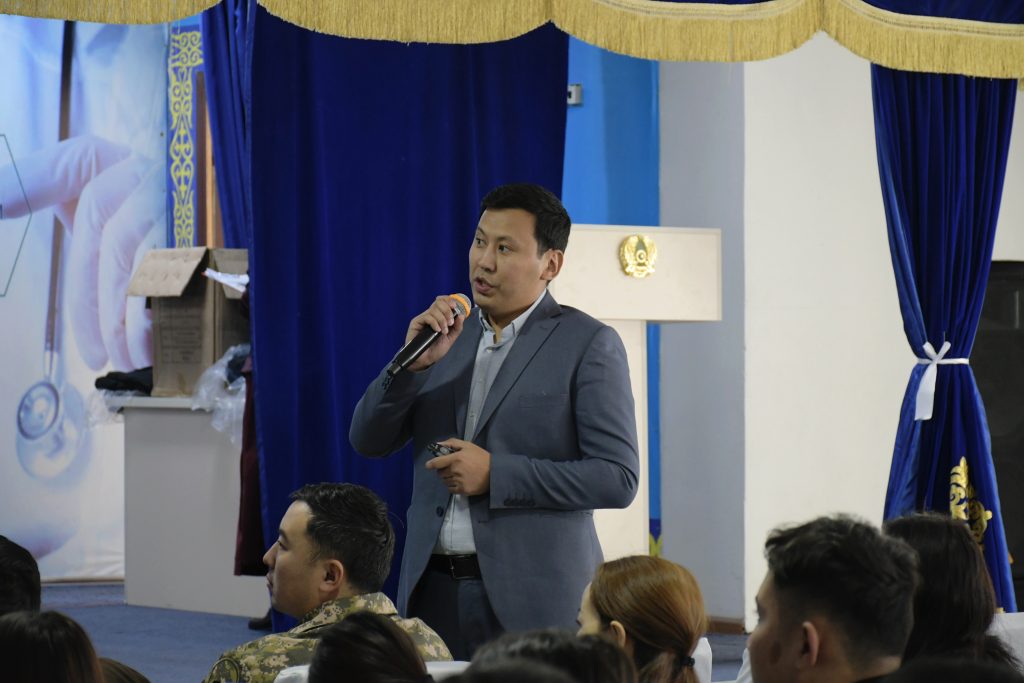
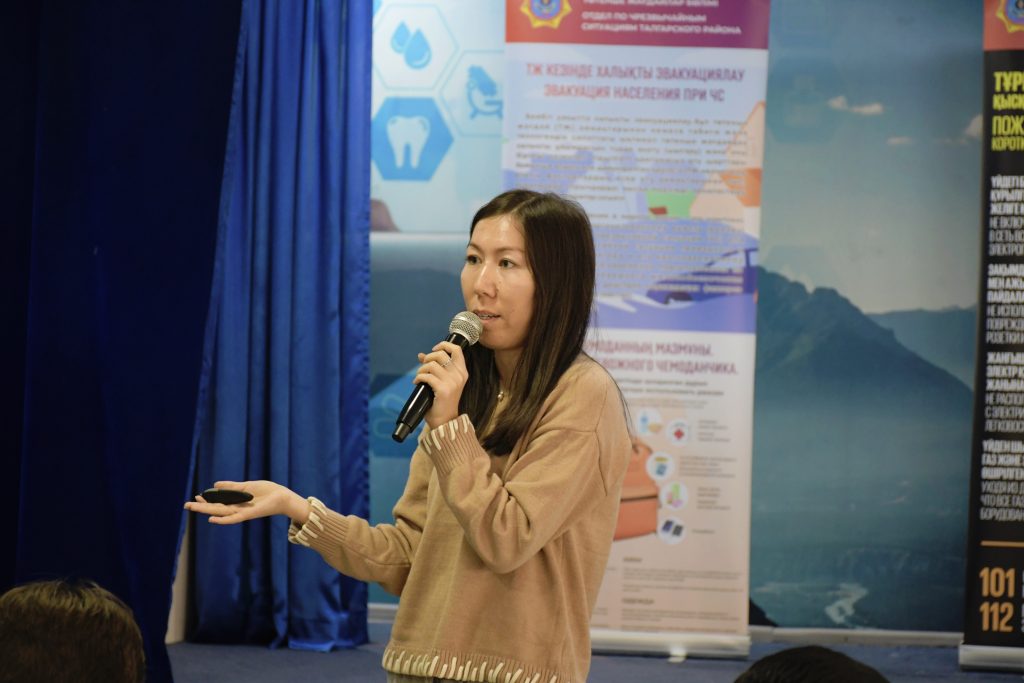
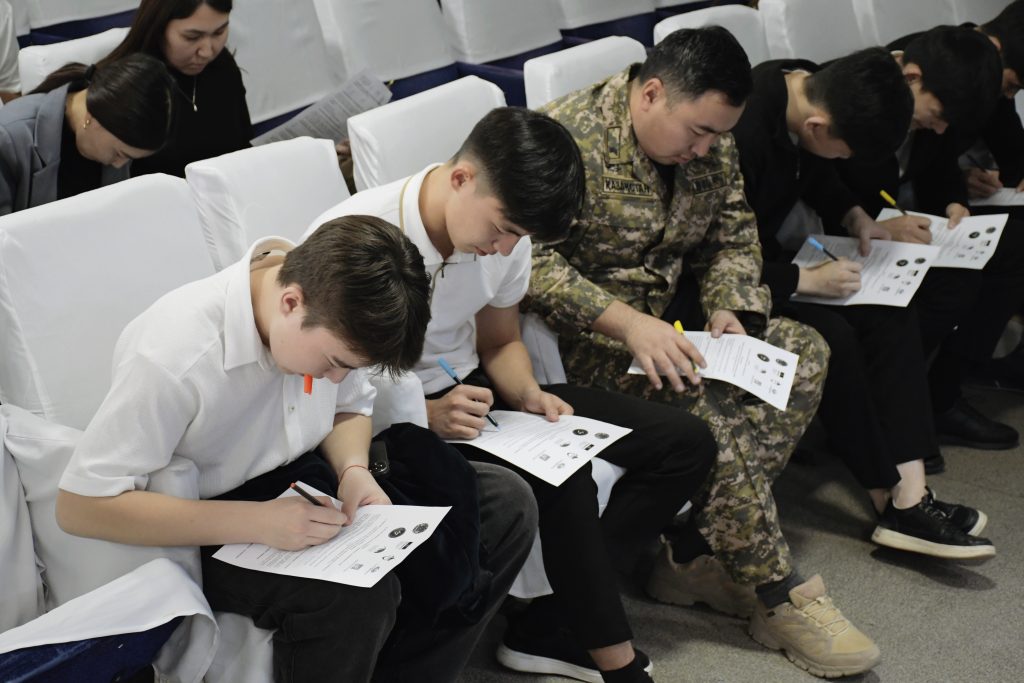
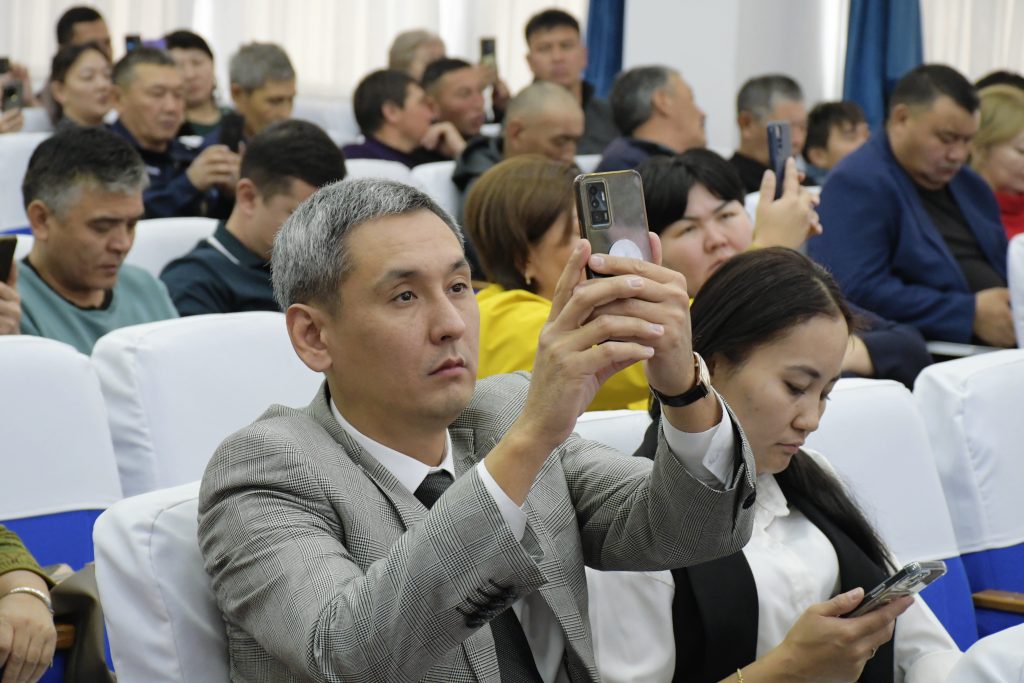
A high-level session, “Cooperation on Early Warning and Disaster Risk Reduction in Central Asia,” was held at the Regional Ecological Summit (RES-2026), organized by the UNESCO Regional Office in Almaty in cooperation with the Ministry for Emergency Situations of the Republic of Kazakhstan under the GLOFCA project.

The session brought together representatives of government agencies, scientific institutions and international organizations to discuss practical approaches to reducing risks associated with glacial lake outburst floods and strengthening regional cooperation. The session also presented practical results of the GLOFCA project, including the implementation of early warning systems at pilot sites, advancements in glacier lake monitoring, and measures to enhance community preparedness.

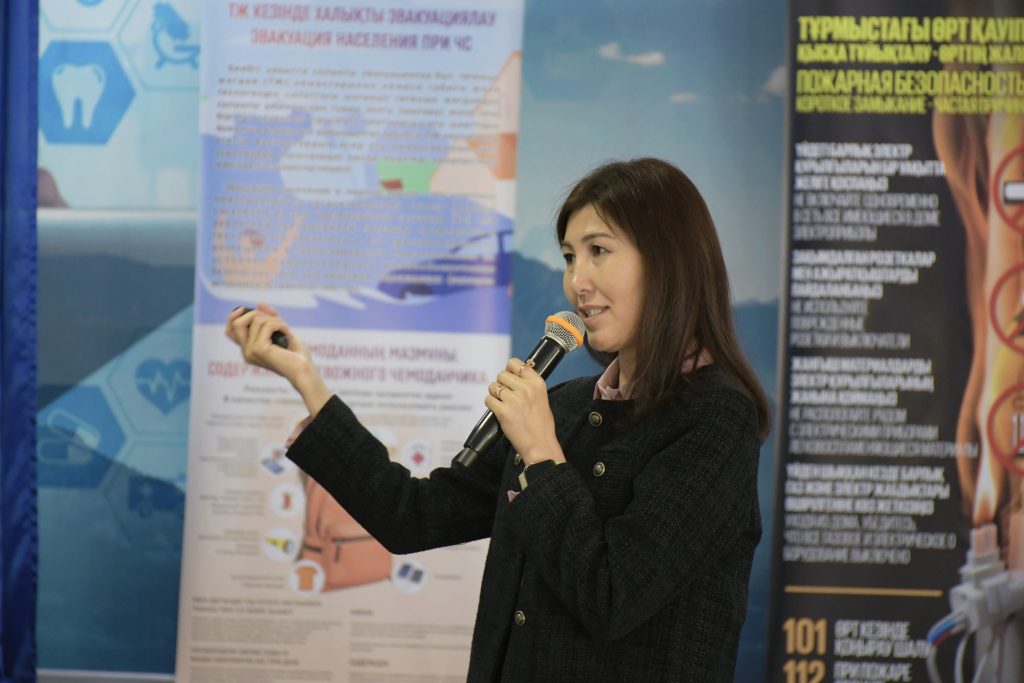
“This Summit provides an important platform to bring together experts from Central Asian countries to exchange experiences and strengthen cooperation in GLOF risk management. For UNESCO, it is also a valuable opportunity not only to share our experience, but to present the concrete results we have achieved together with our partners,” said Amir Piric, Director of the UNESCO Regional Office in Almaty.
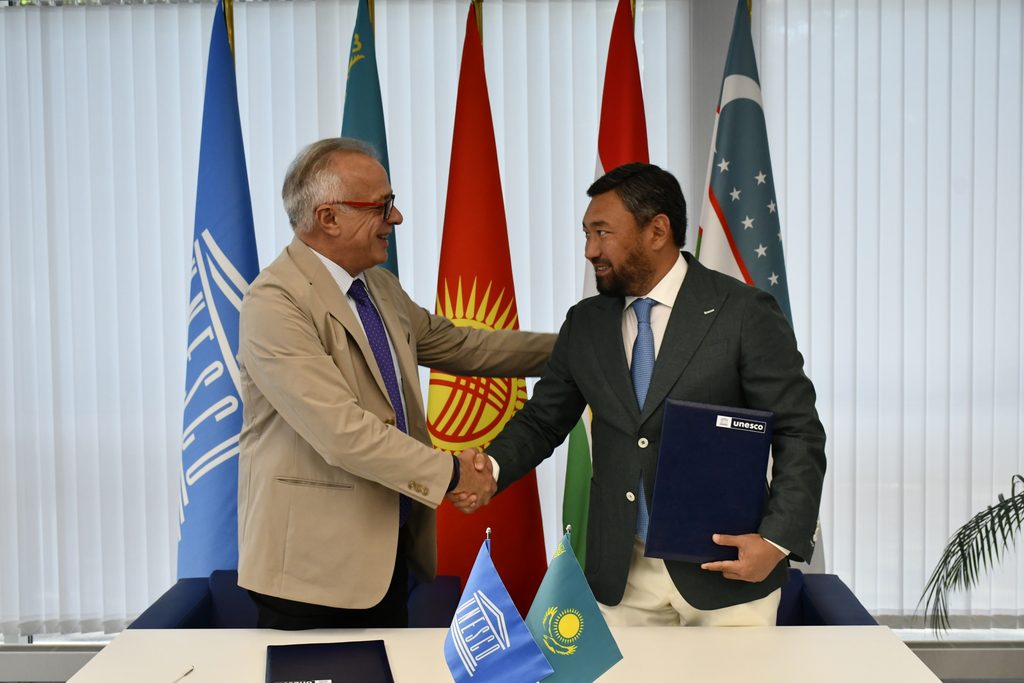
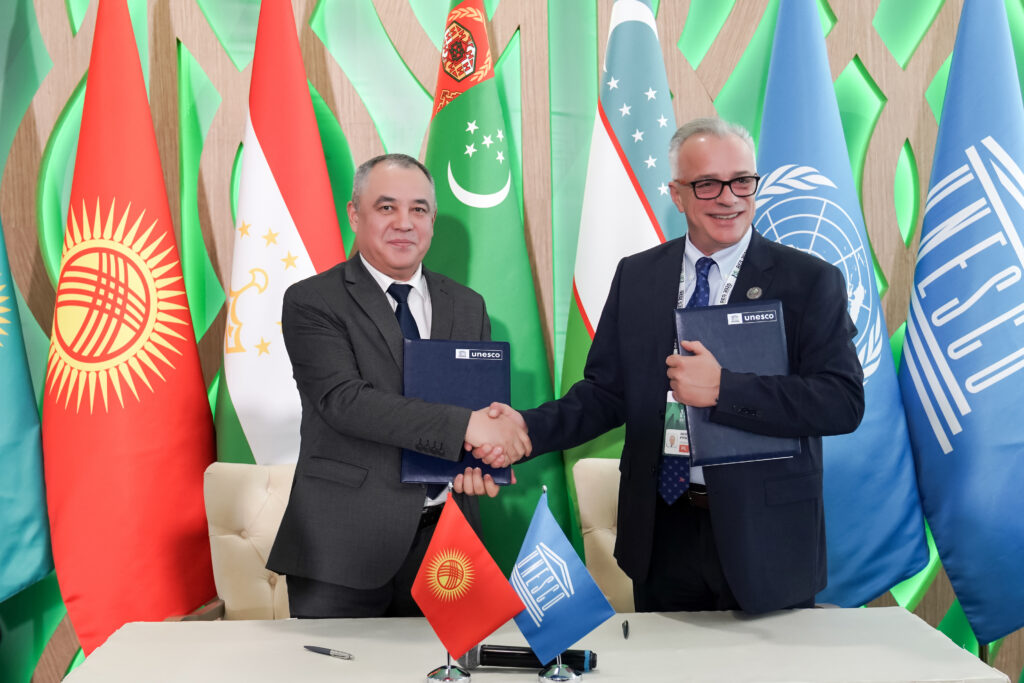
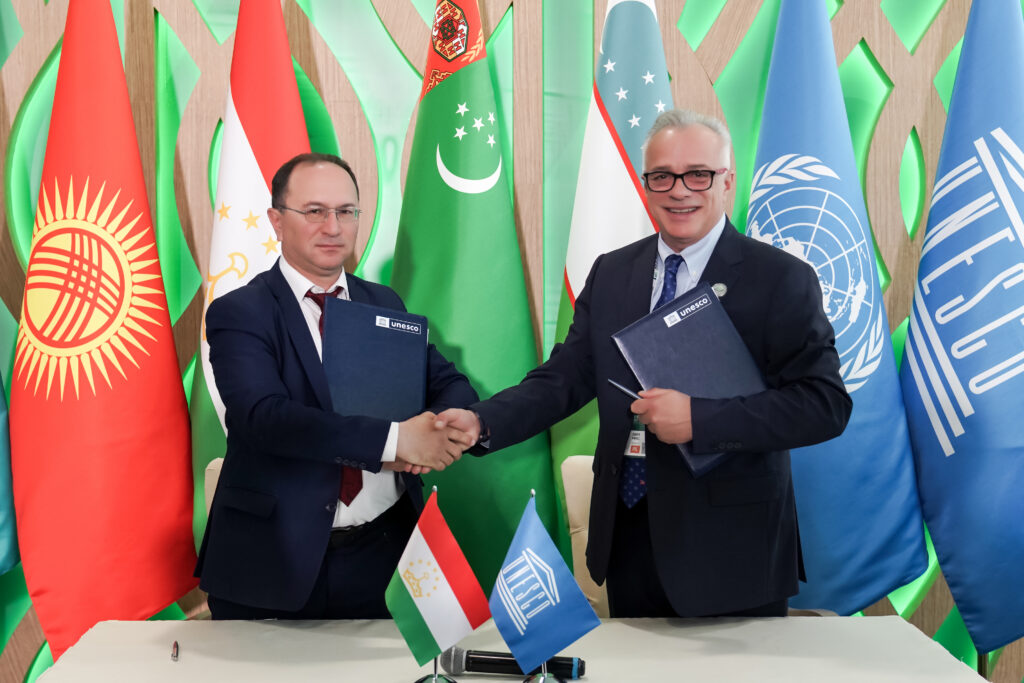
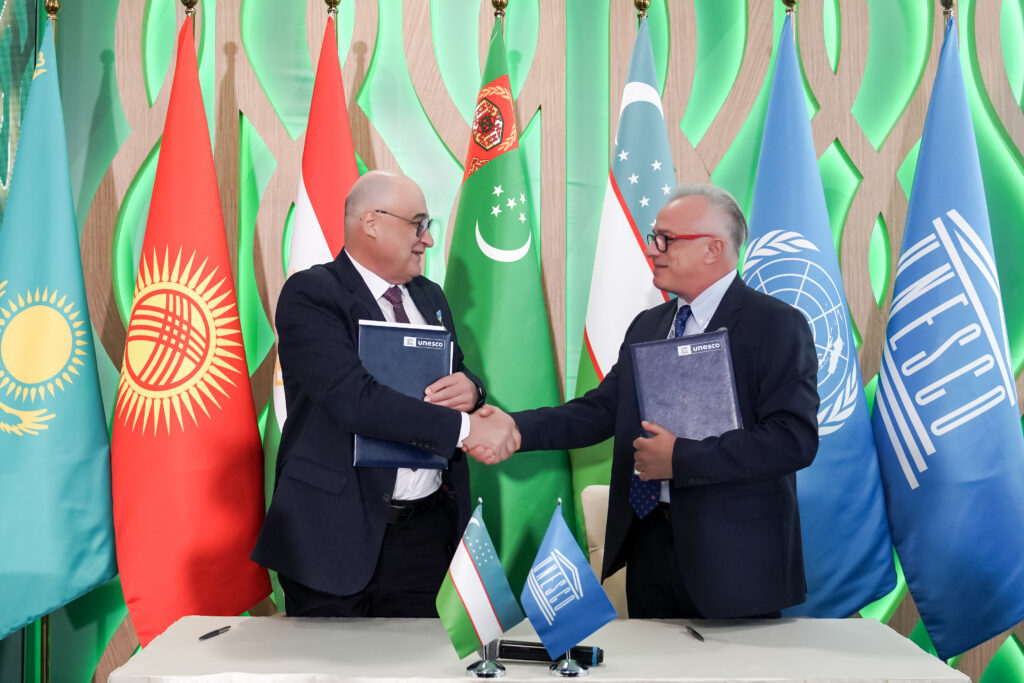
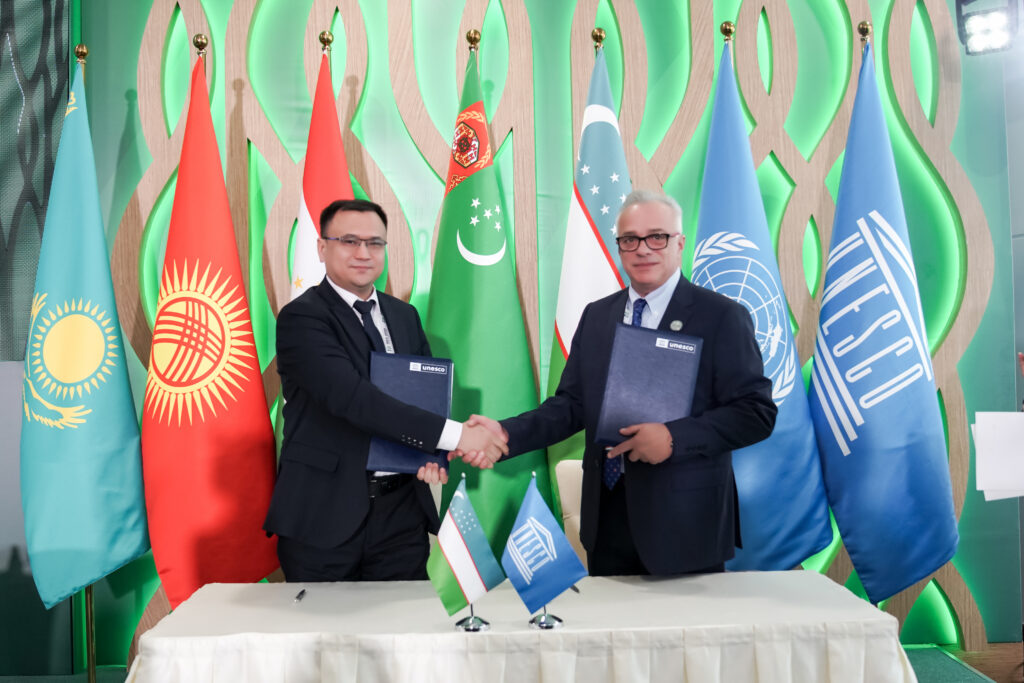
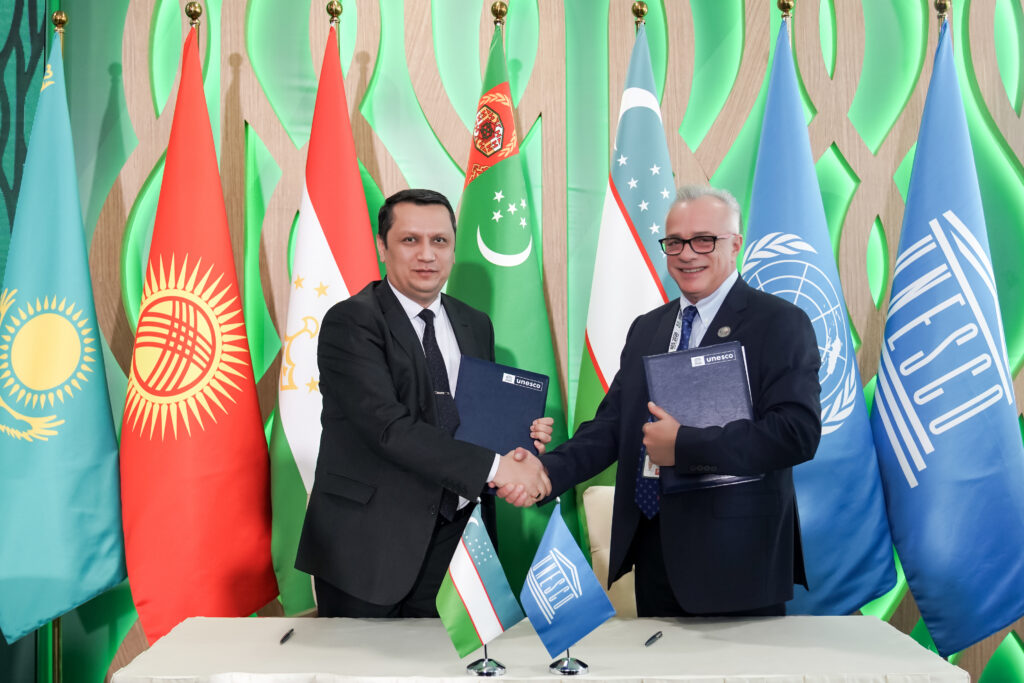
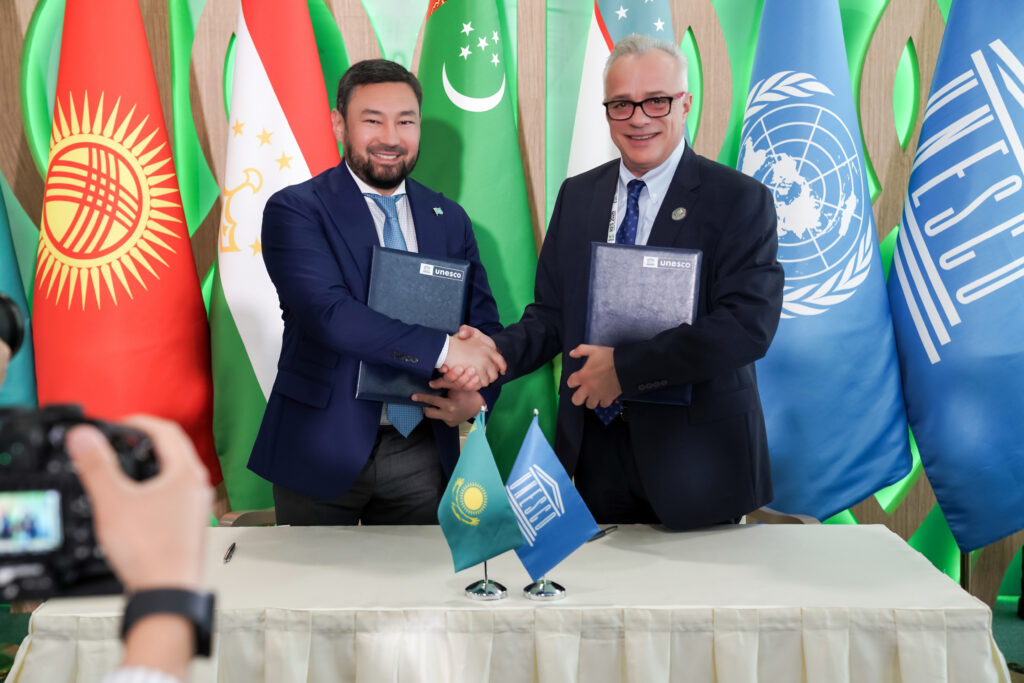
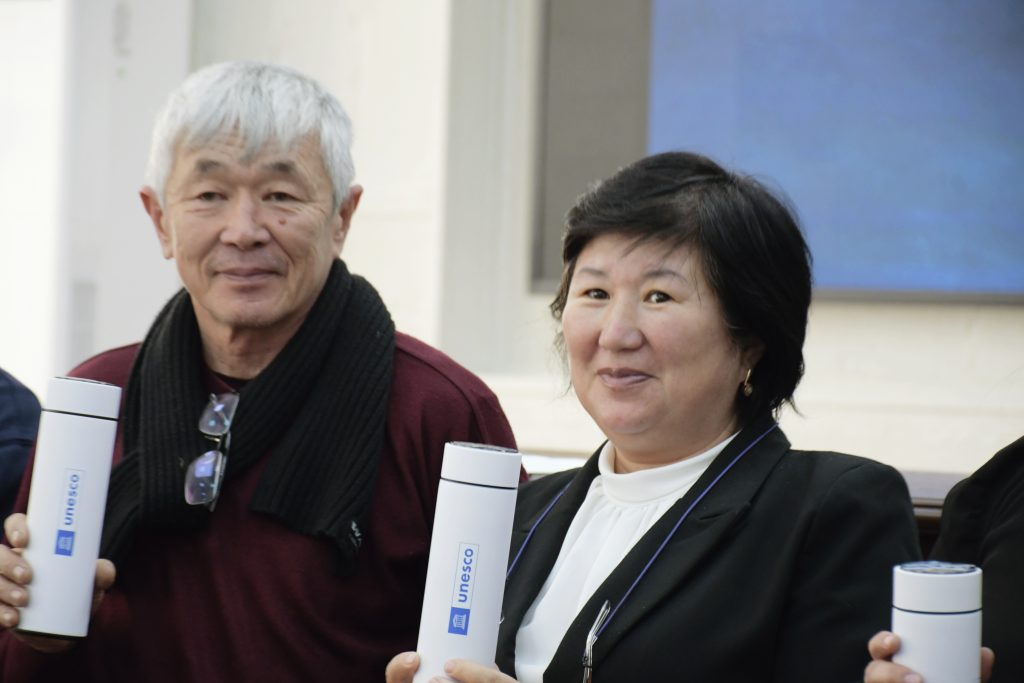
One of the key outcomes of the session was the official handover of equipment to national authorities of Kazakhstan, Kyrgyzstan, Tajikistan and Uzbekistan, including components for monitoring and early warning systems, supporting the long-term operation and sustainability of project results.

“For Central Asian countries exposed to a wide range of risks, protecting lives and ensuring sustainable development are key priorities. In Kazakhstan, the development of modern automated early warning systems and the introduction of advanced monitoring technologies are an important part of strengthening the civil protection system. Potentially dangerous moraine lakes are already under round-the-clock monitoring by Kazselezashchita specialists, while the transition to automated sensors will improve response efficiency. The equipment being handed over will reinforce this work and support the further development of national monitoring systems,” said Yerbolat Sadyrbayev, Vice Minister for Emergency Situations of the Republic of Kazakhstan.

The handover of monitoring and early warning equipment at the project’s pilot sites will contribute to further scaling up project results in disaster risk reduction and strengthening the resilience of mountain communities.

The GLOFCA project is implemented by the UNESCO Regional Office in Almaty with financial support from the Adaptation Fund and aims to reduce the vulnerability of populations in Central Asia to risks associated with glacial lake outburst floods.

RES 2026: Cooperation of Central Asian Countries on Disaster Risk Reduction and the Cryosphere

Central Asia is experiencing accelerated glacier melt. Under a high-emissions scenario (SSP5-8.5), the region could lose up to 85% of its glacier volume by 2100. This places increasing pressure on water resources, infrastructure and communities, while also heightening the risk of natural hazards, including glacier lake outburst floods. As these processes are transboundary in nature, they require coordinated responses at the regional level.

As part of the Regional Ecological Summit (RES), to be held on 22–24 April 2026, the UNESCO Regional Office in Almaty will organize three thematic events. These are implemented under the UNESCO–AF GLOFCA project and the GEF–UNDP–UNESCO Cryosphere Project and aim to strengthen regional cooperation and promote practical approaches to climate change adaptation.

23 April (09:00–10:45)

The session “The Cryosphere of Central Asia: From Scientific Assessment to Joint Climate Adaptation Action” will focus on the interlinkages between changes in high-mountain ecosystems and water availability in the region. Representatives of Central Asian countries will discuss the Joint Subregional Action Programme (JSAP), aimed at strengthening cooperation in monitoring and research of cryosphere components. The JSAP will be presented as a key framework for joint action, supporting enhanced intergovernmental cooperation and alignment of regional adaptation approaches. A Joint Statement by Central Asian countries in support of the JSAP is expected, which will serve as a basis for mobilizing resources, including support from donors, international financial institutions and national funding.

24 April (09:00–10:45)

The session “Cooperation in Early Warning and Disaster Risk Reduction in Central Asia” will present practical results of the GLOFCA project, including the implementation of early warning systems, glacier lake monitoring and community-based risk reduction measures. The session will also include the handover of equipment to national authorities, ensuring the continued operation and sustainability of the systems. The event will facilitate the exchange of practical experience among countries of the region and support the scaling up of effective disaster risk reduction solutions.

24 April (14:00–17:00)

The workshop “Cryosphere and Economy: Water Resources, Agriculture, and Emergencies” will focus on analysing the interlinkages between cryosphere change, water availability, agricultural production and economic development. Participants will explore scenarios of likely and preferred future developments across key areas: cryosphere and water resources, cryosphere and ecosystems, and cryosphere and emergencies. Based on these discussions, recommendations for the next 10–20 years will be developed to support the integration of cryosphere considerations into national and regional development strategies.

If you plan to attend RES in person, we would be pleased to welcome you to UNESCO sessions. It will also be possible to join via live Zoom streaming:

23 April (09:00–10:45) — Session “The Cryosphere of Central Asia: From Scientific Assessment to Joint Climate Adaptation Action”

24 April (09:00–10:45) — Session “Cooperation on Early Warning and Disaster Risk Reduction in Central Asia”

Study on the effectiveness of GLOF DRM measures in the Ala-Archa valley, Kyrgyz Republic

Originating high in the Tien Shan mountains, the Ala-Archa River flows through Ala-Archa National Park before reaching Bishkek, Kyrgyz Republic’s capital. The park was established to protect the unique wildlife of the Northern Tien Shan and today is one of the country’s most popular destinations for hiking and tourism.

The valley is also among the most debris-flow-prone areas in the region. Outbursts from glacial lakes such as Aksai and Teztor have repeatedly triggered destructive debris flows. The most recent major event, recorded in 2024, destroyed more than 25 houses and caused one fatality.

Against this backdrop, a new scientific article published in «Natural Hazards and Earth System Sciences» evaluates how different disaster risk reduction measures can reduce the impacts of glacial lake outburst floods (GLOFs) and debris flows using Ala-Archa National Park as a case study. Utilizing numerical mass movement models, the study assessed three measures: the artificial lowering of lake levels, a deflection dam, and a retention basin. It presents a comparison of the impact of such measures on the exposure of people and infrastructure to the risk of GLOFs and debris flows.

The study, led by Laura Niggli and co-authored by scientists from the University of Zurich, the Central Asian Institute for Applied Geosciences (CAIAG) and the University of Central Asia (UCA), was conducted within the framework of the GLOFCA project. Funded by the Adaptation Fund and implemented by the UNESCO Regional Office in Almaty in partnership with the University of Zurich, the project supports regional efforts to reduce vulnerability to GLOFs across Central Asia.

The installation of GLOF Early Warning Systems is a key component of the GLOFCA project. The findings of this study provide a quantitative basis for evaluating structural measures that can complement Early Warning Systems and strengthen overall risk reduction strategies. The results show that although artificial lowering of lake levels offers the best cost-to-benefit ratio, it is important to also consider the relatively high maintenance costs of such measures.

Holger Frey from the University of Zurich, co-author of the study, emphasises that “The most effective, cheapest and most sustainable approach to disaster risk management is still long-term spatial planning, based on systematic hazard maps.”

The link to the study: https://nhess.copernicus.org/articles/26/733/2026/


GLOFCA installs risk information boards in Talgar and Esik, Kazakhstan

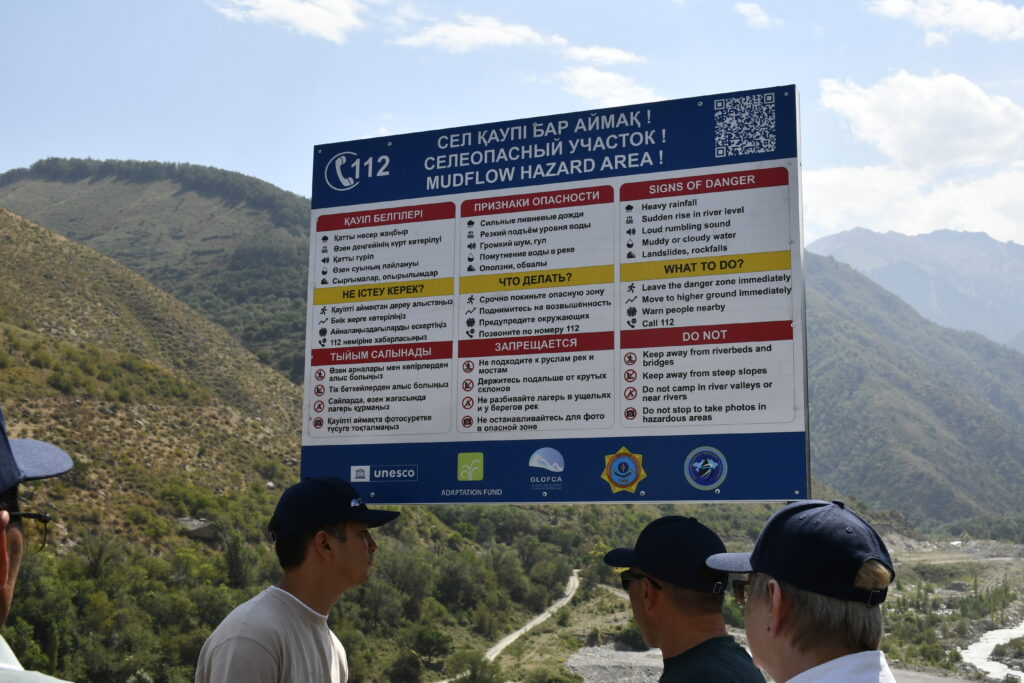
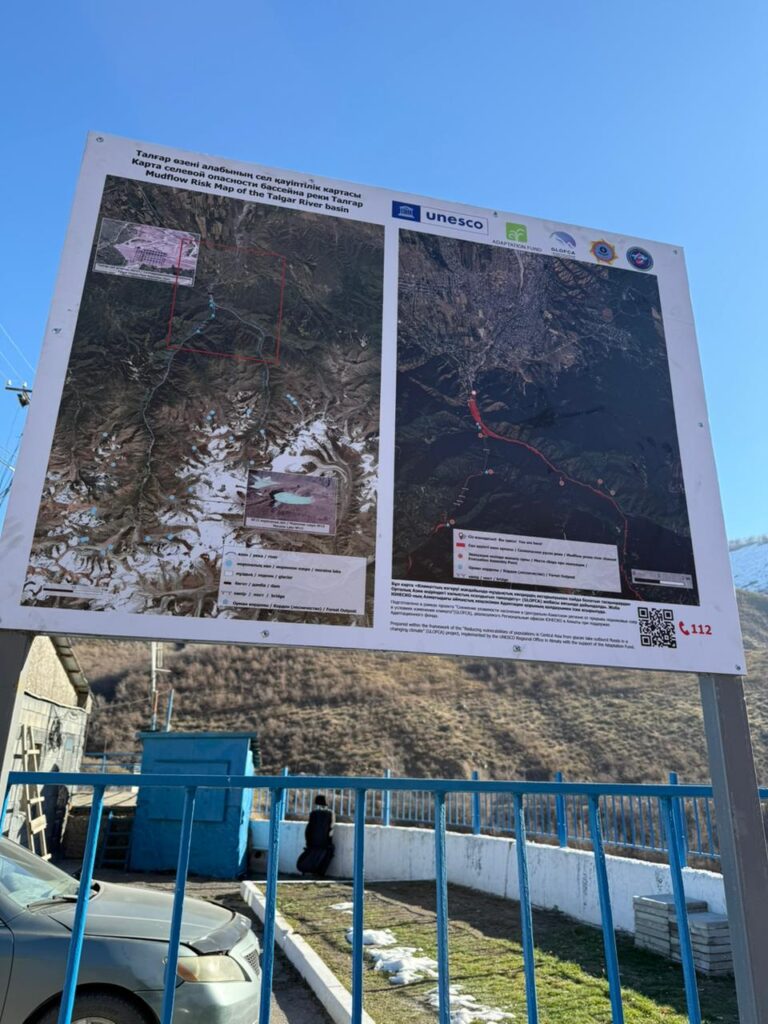
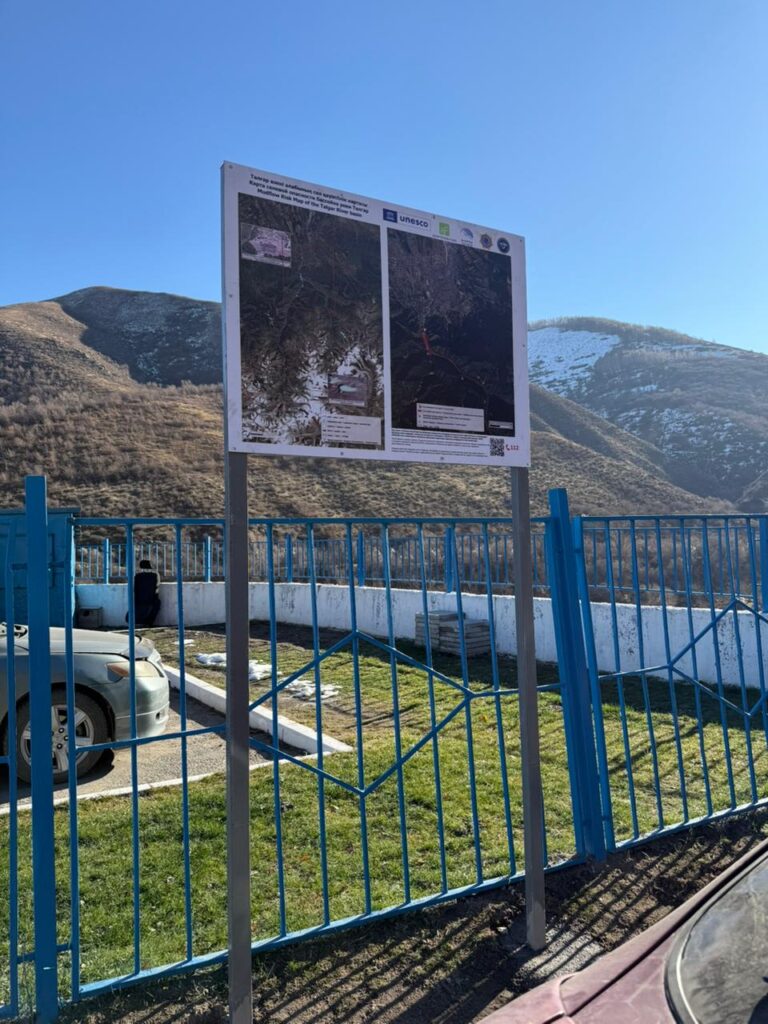
In Almaty Region, the project “Reducing vulnerabilities of populations in Central Asia region from glacier lake outburst floods in a changing climate” (GLOFCA), implemented by UNESCO with support from the Adaptation Fund, has completed the installation of risk information boards and hazard maps in the Talgar and Esik river basins, two of the project’s pilot sites.

Both rivers originate from the Ile-Alatau mountains and flow through several settlements, serving as important recreational and tourism areas. These territories are classified as high-risk zones due to the presence of moraine lakes, steep terrain, and frequent debris-flow activity.

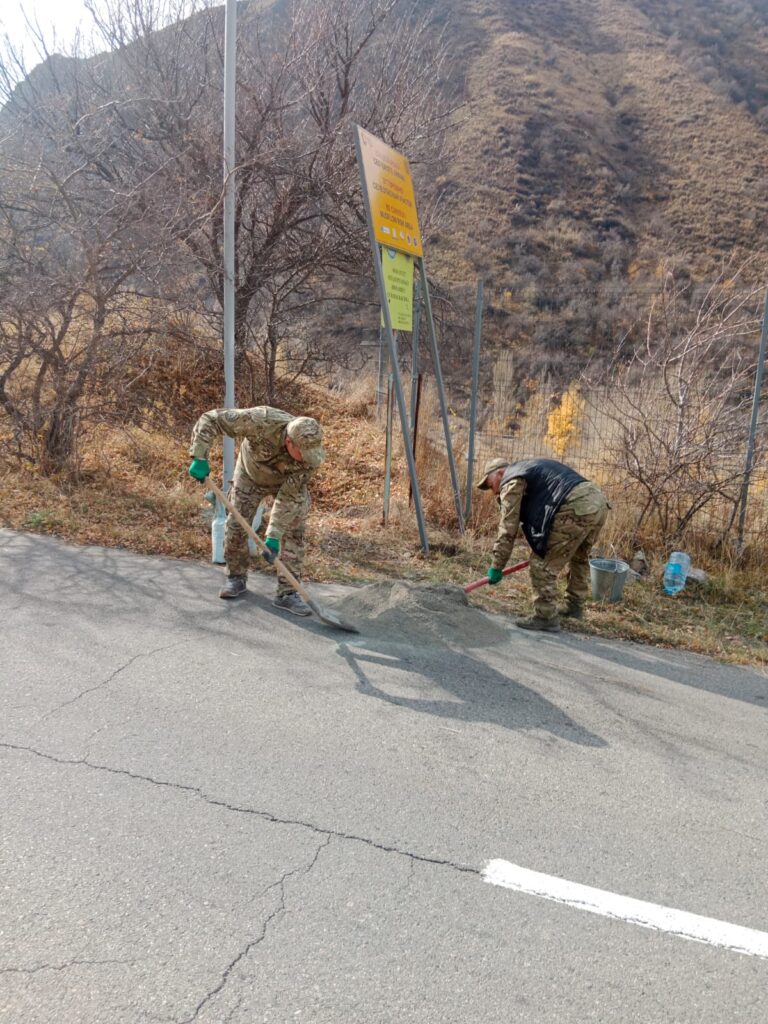
To enhance public awareness and improve preparedness, GLOFCA installed warning signs and risk-map boards at each pilot site. The signs provide clear and accessible guidance for residents, hikers, and tourists on local natural hazards and recommended safety measures.

The glacier lake outburst flood (GLOF) risk maps were developed by experts from the University of Zurich. They modelled the potential impact zones under several scenarios. These maps serve as an important tool for local authorities, emergency services, and visitors to better understand and manage the risks.

The installation of the boards complements recent engineering and risk-reduction measures carried out under the GLOFCA project in Talgar and Esik, contributing to stronger community resilience and improved risk communication in the region.

Continuing Disaster Risk Education in Uzbekistan’s Mountain Villages

In the middle of July 2025, the GLOFCA project returned to the pilot villages of Pskem and Tepar in Uzbekistan’s Bostanlyk District to continue building local knowledge on glacier-related hazards. This visit is part of GLOFCA’s ongoing work in the region, following previous activities in 2024, including the installation of weather monitoring stations and a lesson on mudflow safety.

Organized in partnership with the Glacial Geology Centre under the Institute of Geology and Geophysics, the Hydrometeorological Scientific Research Institute (NIGMI), and the Ministry of Ecology, the July visit focused on strengthening disaster risk awareness in schools and communities.

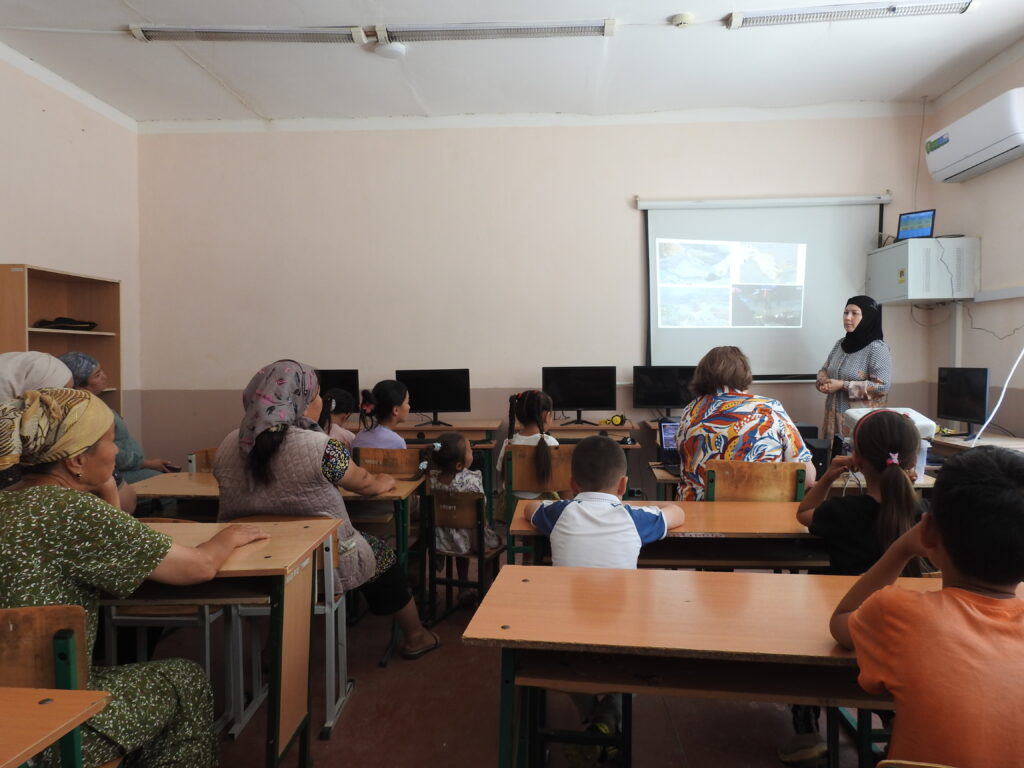
Educational sessions were held in schools No. 45 (Pskem) and No. 50 (Tepar), bringing together students, teachers, and residents to learn about natural hazards such as debris flows, avalanches, and glacial lake outburst floods (GLOFs). The sessions included a multimedia presentation prepared by NIGMI, along with a documentary film on the 1998 Shakhimardan GLOF, a powerful example of the real impacts of such events. A drawing contest and online survey helped engage students in reflecting on disaster risks and preparedness.

The team also checked and adjusted the weather stations installed in both schools during the previous year, ensuring their continued functionality for local observation and learning.

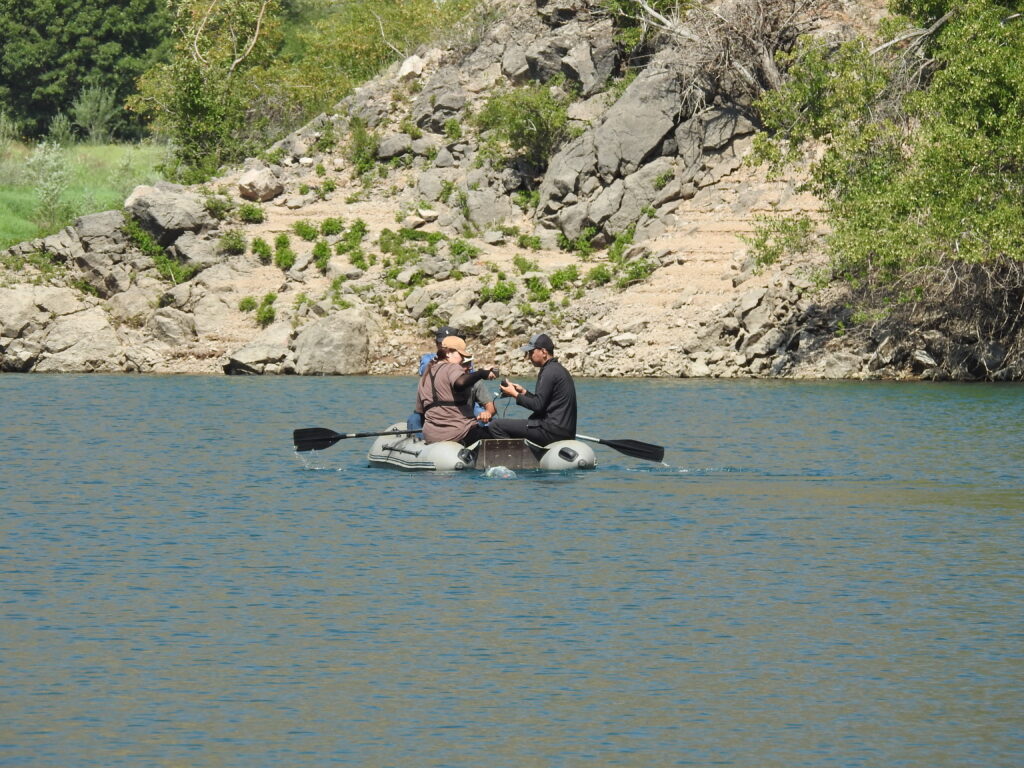
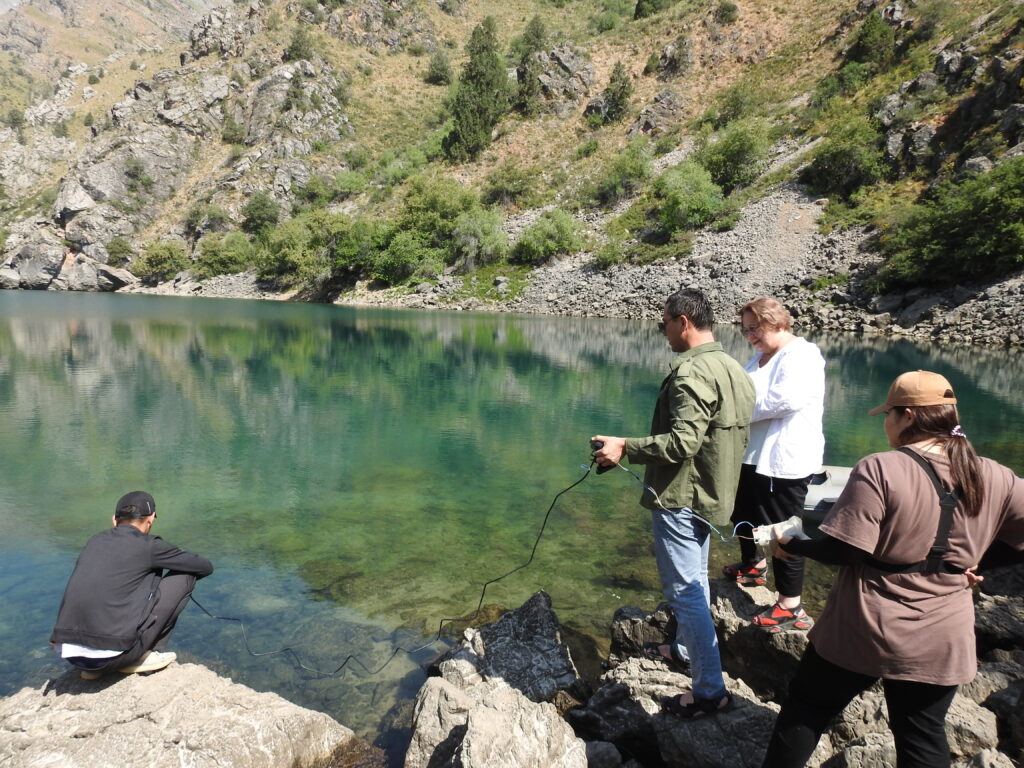
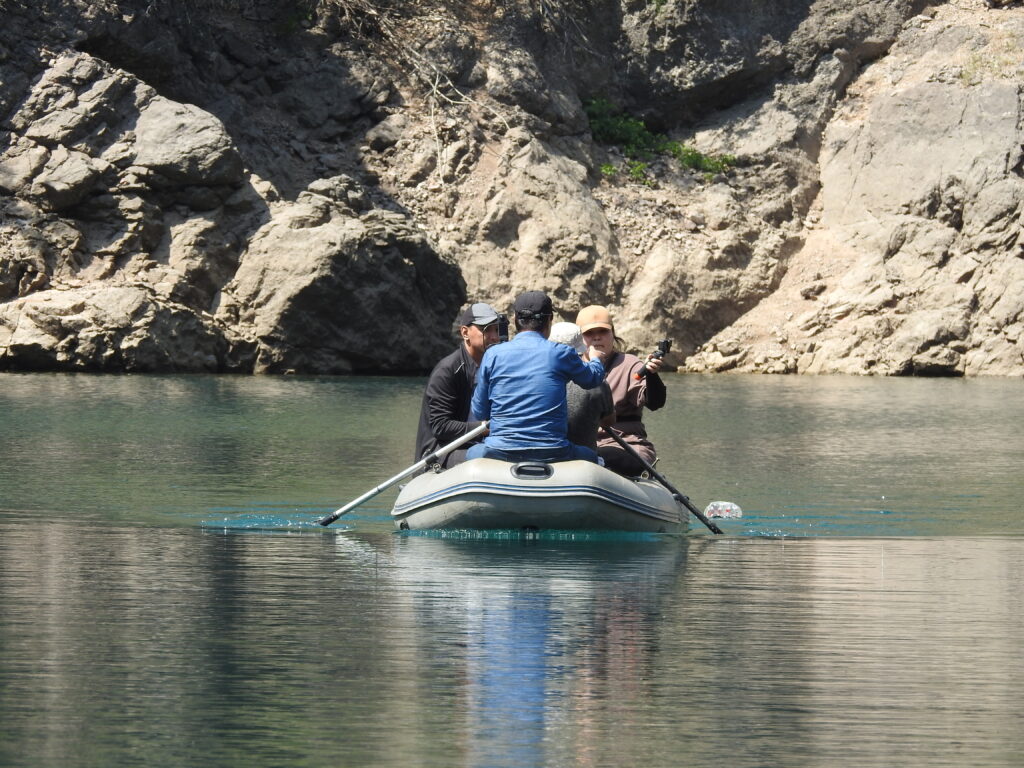
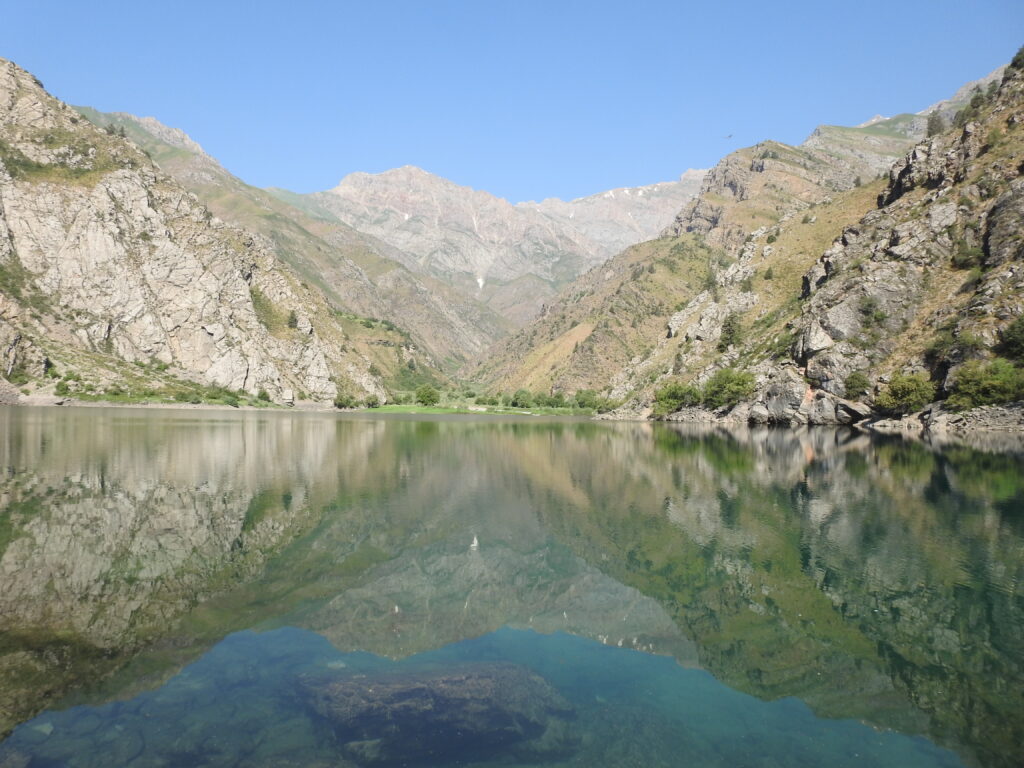
To conclude the visit, the group conducted hydrometric and bathymetric surveys at the Uzungach Lake system, which feeds into the Pskem River. These data will support future planning for hazard monitoring and early warning.

Through sustained outreach and practical engagement, GLOFCA continues to support climate resilience and disaster preparedness in Uzbekistan’s high mountain regions.

GLOF seminars: Engaging communities in Issyk and Talgar

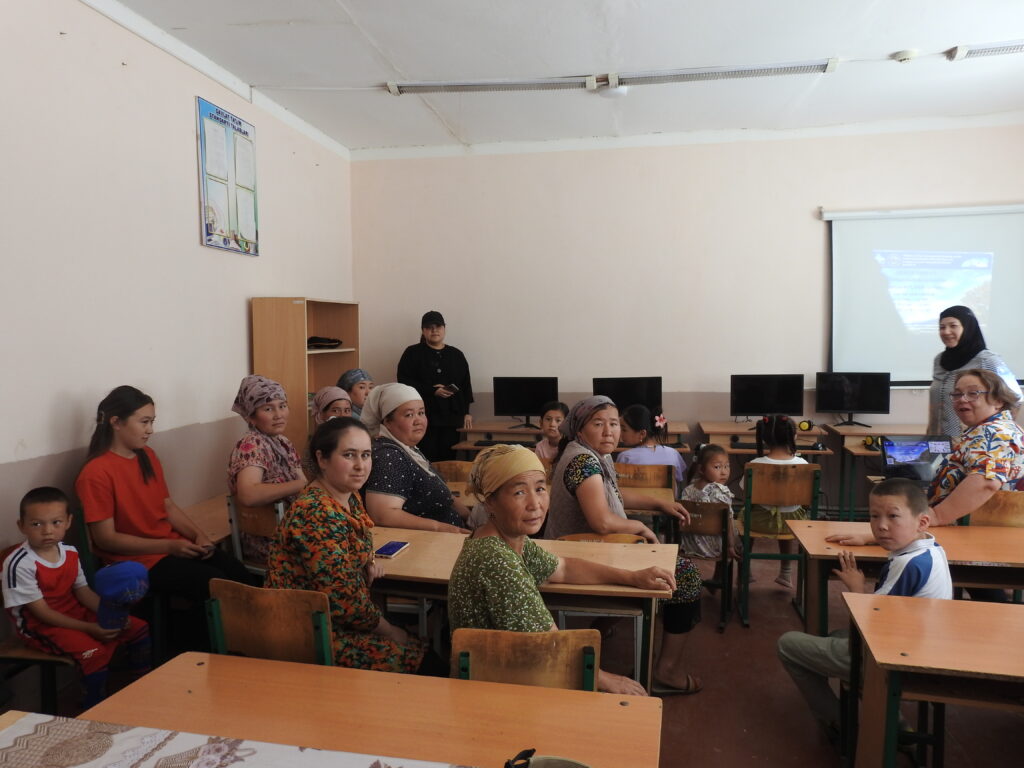
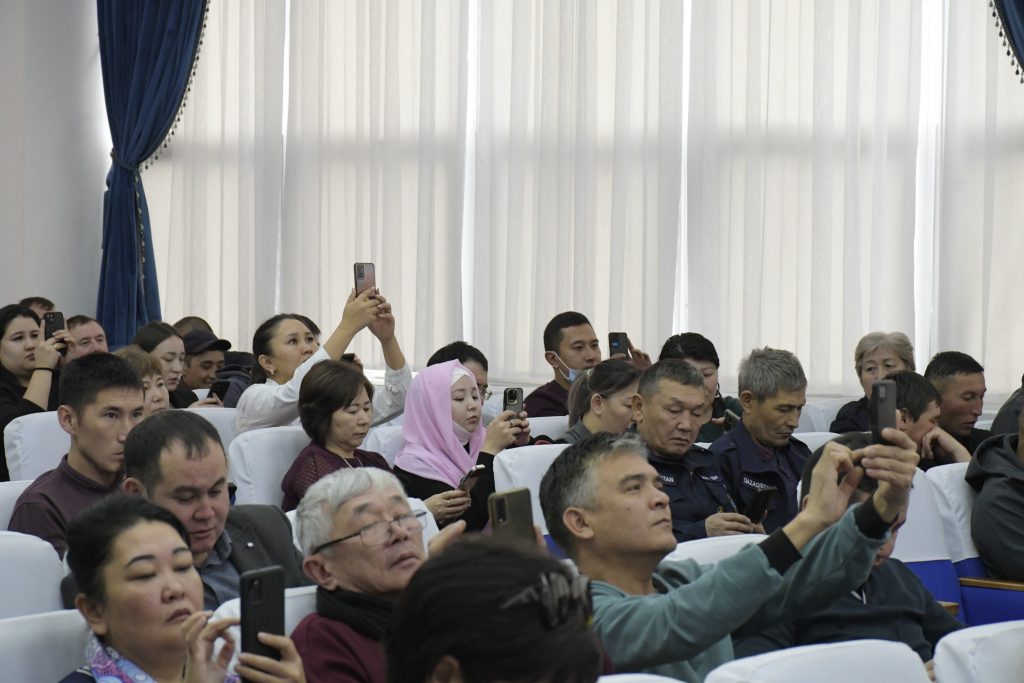
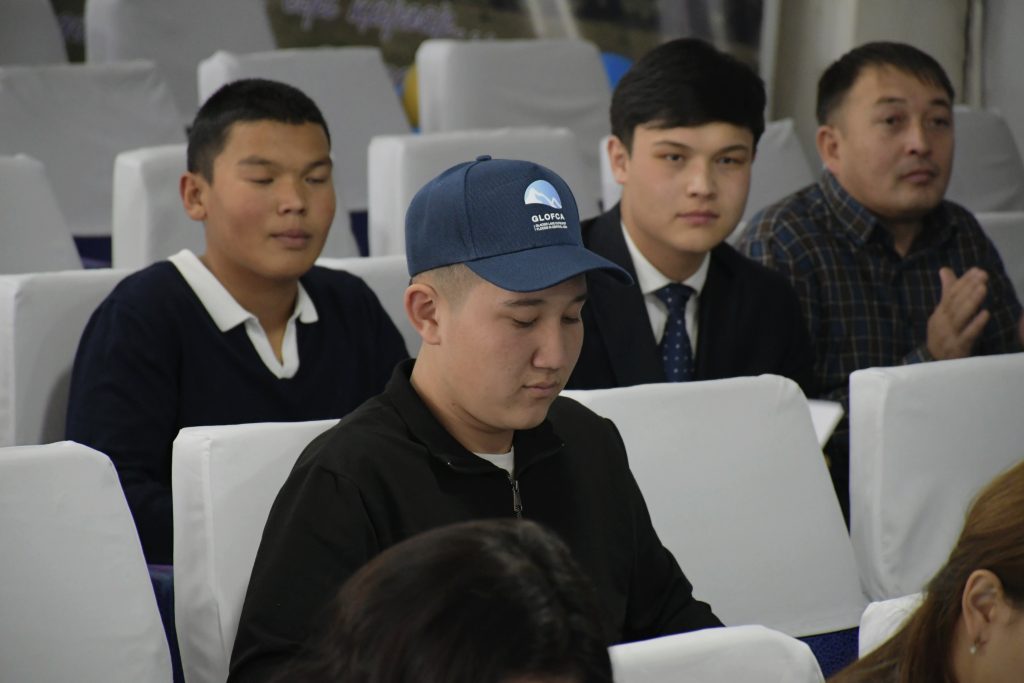
On November 21 and 26, the GLOFCA team conducted seminars in Issyk and Talgar to improve local awareness and preparedness for glacier lake outburst floods (GLOFs). In the city of Issyk, 87 participants took part, of whom 67% were men and 33% were women. In the city of Talgar, there were 33 participants, with 64% men and 36% women.

Why Focus on Issyk and Talgar?

Both Issyk and Talgar are high-risk areas for GLOFs. Data from the “Kazselezashchita” reveals that the Talgar River basin is home to 21 moraine-dammed glacial lakes, seven of which pose severe risks. Annual debris flows linked to GLOFs often damage infrastructure and threaten lives. Similarly, the Issyk River basin has 25 moraine-dammed glacial lakes, with five considered highly hazardous.

As pilot locations for the GLOFCA project in Kazakhstan, these areas will benefit from targeted interventions. Early warning systems are planned for Talgar, while adaptive measures will be introduced in Issyk. A primary goal of the seminars was to involve locals in discussions about existing risks and proposed solutions.

Expert Contributions

Specialists from Al-Farabi Kazakh National University (KazNU), “Kazselezashchita,” the University of Zurich, and emergency services of Yenbekshikazakh and Talgar districts shared their expertise:

  • Ainur Mussina, professor at the Department of Meteorology and Hydrology, KazNU, outlined the mechanisms and impacts of glacier lake outburst floods.
  • Baurzhan Abishev, Head of the Emergency Prevention Department at “Kazselezashchita,” detailed measures to mitigate GLOF risks in the region.
  • In Issyk, Zhanar Raimbekova, a researcher from the University of Zurich, presented affordable and effective adaptation strategies.
  • In Talgar, Amirkhan Temirbayev, Director of KazNU’s Center for Remote Sensing of the Earth, introduced the project’s planned early warning system.

Community Involvement and Practical Sessions

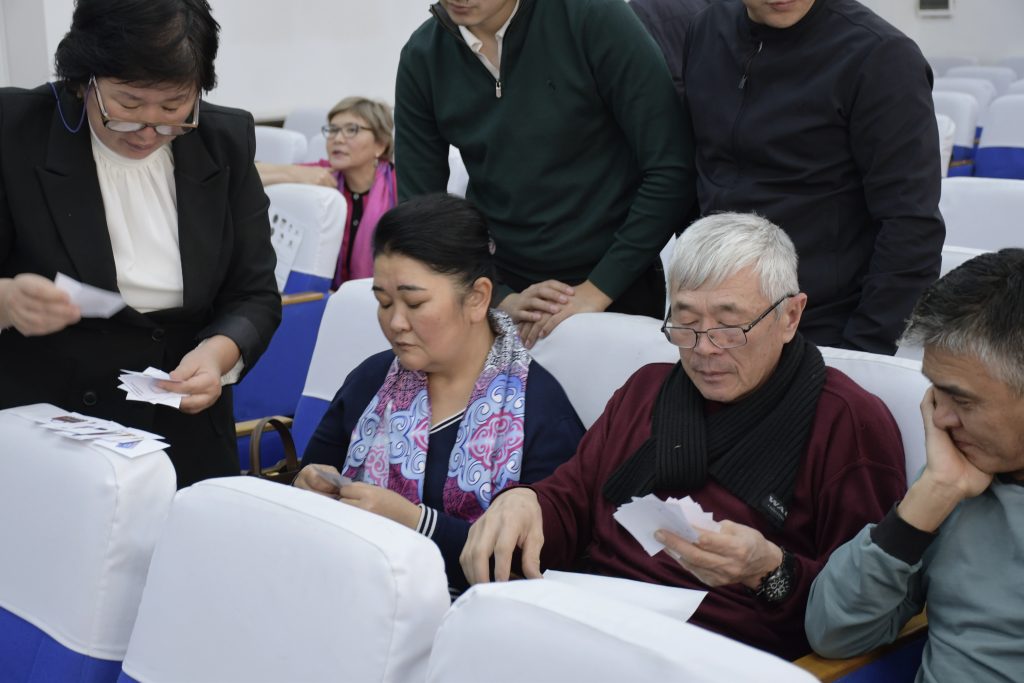
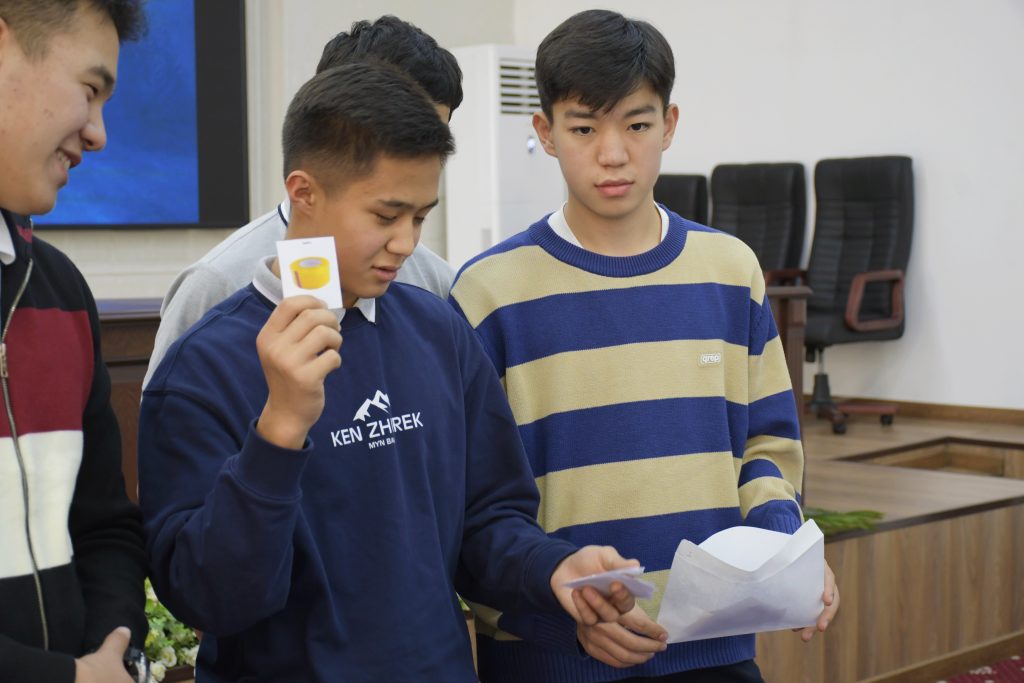
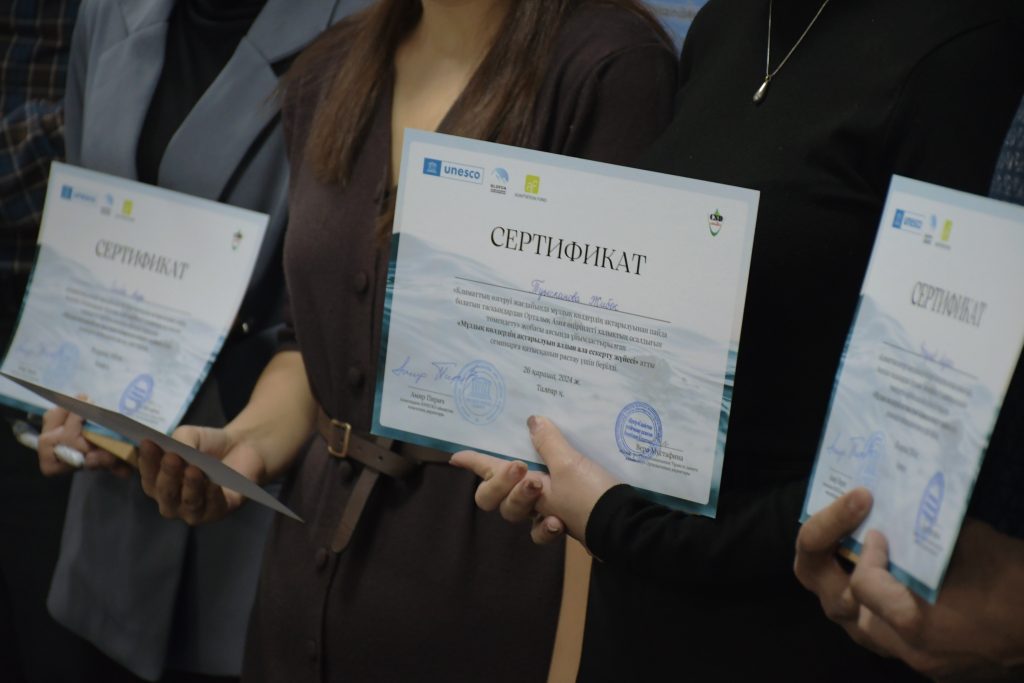
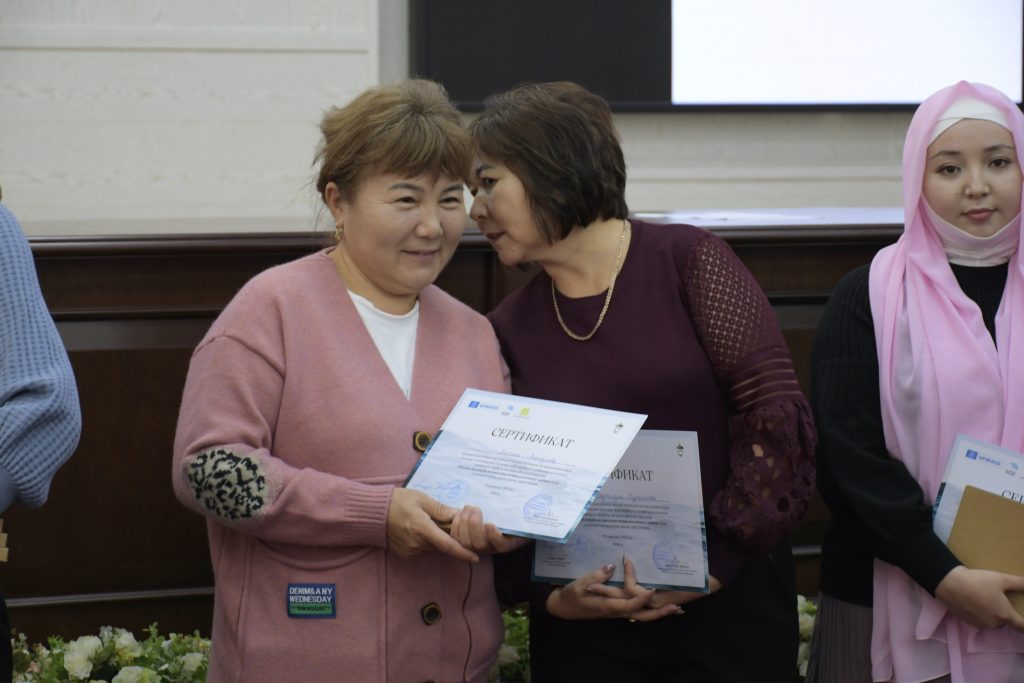
The seminars encouraged active participation from local residents, who shared their observations and provided feedback on the proposed initiatives. A hands-on activity, “Pack Your Emergency Kit,” helped participants better understand preparedness for emergencies. Participants received certificates upon completion.

Strengthening Resilience

The seminars represented a crucial step in raising awareness and involving communities in building resilience against glacier lake outburst floods. Feedback and suggestions from residents will play a key role in shaping the next phases of the GLOFCA project in Kazakhstan.

GLOFCA Project Enhances Disaster Preparedness in Uzbekistan’s Pskem and Tepar Villages

Rural communities across Central Asia face high risks from natural disasters like floods and landslides. Children and youth are especially vulnerable to these threats, which can severely impact mental health, leading to conditions like depression and anxiety. This highlights the importance of disaster preparedness in building resilience for future generations.

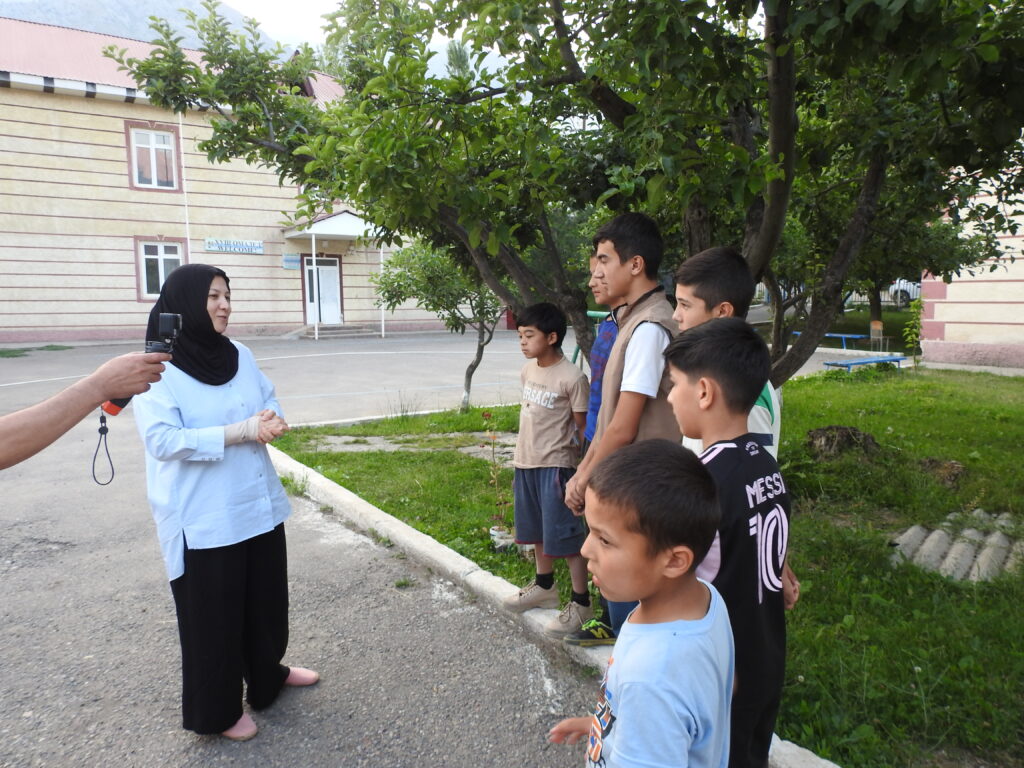
To address these needs, on October 28–29 the GLOFCA project team visited schools in the villages of Pskem and Tepar, Uzbekistan, which are the project pilot sites. The team included experts from the University of Zurich, Scientific Research Hydrometeorological Institute (NIGMI), the Institute of Geology and Geophysics, and SE “Uzbekhydrogeology.” These visits aimed to enhance disaster preparedness through interactive lessons and the installation of automated meteorological stations.

At Pskem School, the largest in the area with 113 students, the GLOFCA team delivered an open class on natural disaster risks. Leading hydrogeologist Ganisher Abdullaev from SE “Uzbekhydrogeology” introduced landslide science, helping students understand why and where these events occur, and which actions can help prevent or mitigate their effects. Following this, Zukhra Tillyakhodjaeva, Scientific Secretary at the NIGMI, led an engaging session on mudflows, distributing child-friendly booklets that outlined what to do before, during, and after a catastrophic event. Students eagerly participated, discussing which items are essential to carry in an emergency and the correct ways to act. To reinforce these concepts, they watched an animated video tailored to Uzbekistan’s most common disasters, such as landslides and floods.

Dr. Simon Allen from the University of Zurich then introduced the students to an automated meteorological station. He explained how weather data—particularly on rainfall, temperature, and humidity—can help predict and respond to landslides, which often occur after heavy rains in their region. He encouraged students to take part in maintaining the equipment by clearing it of snow and ensuring it stays connected to the internet, making them active stewards of local climate monitoring.

A similar session was held at Tepar School, reaching more students in the community with these essential lessons.

The new meteorological stations installed in each village allow students to monitor real-time data on temperature, humidity, wind speed, and other climate indicators, all accessible via an online platform. This data enables students to observe environmental changes that could affect natural disaster risks, enhancing their awareness and preparedness.

GLOFs Research Mission in Tajikistan

From August 19 to 30, 2024, a field visit was conducted in Tajikistan to advance our understanding of glacier lake outburst floods (GLOFs). This mission, led by Dr. Evan Miles from the University of Zurich, involved collaboration with scientists from the Centre for Glacier Research of the National Academy of Sciences of Tajikistan. The visit aimed to assess the Baralmos Glacier and its associated lakes, introduce new monitoring equipment and enhance local scientific capacity.

The Baralmos Glacier: Importance and Challenges

The Baralmos Glacier in the Lakhsh district of eastern Tajikistan is a key site for studying GLOFs. The glacier’s lakes have a history of generating significant mudflows that impact downstream areas. These floods have caused severe disruptions to local infrastructure, including roads and settlements along the Surhob River. Understanding and monitoring this glacier is crucial for developing effective hazard mitigation strategies.

{"type":"elementor","siteurl":"https://glofca.org/wp-json/","elements":[{"id":"403d3ec","elType":"widget","isInner":false,"isLocked":false,"settings":{"content_width":"full","image":{"url":"https://glofca.org/wp-content/plugins/elementor/assets/images/placeholder.png","id":"","size":""},"image_size":"large","image_custom_dimension":{"width":"","height":""},"caption_source":"none","caption":"","link_to":"none","link":{"url":"","is_external":"","nofollow":"","custom_attributes":""},"open_lightbox":"default","align":"","align_tablet":"","align_mobile":"","width":{"unit":"%","size":"","sizes":[]},"width_tablet":{"unit":"%","size":"","sizes":[]},"width_mobile":{"unit":"%","size":"","sizes":[]},"space":{"unit":"%","size":"","sizes":[]},"space_tablet":{"unit":"%","size":"","sizes":[]},"space_mobile":{"unit":"%","size":"","sizes":[]},"height":{"unit":"px","size":"","sizes":[]},"height_tablet":{"unit":"px","size":"","sizes":[]},"height_mobile":{"unit":"px","size":"","sizes":[]},"object-fit":"","object-fit_tablet":"","object-fit_mobile":"","object-position":"center center","object-position_tablet":"","object-position_mobile":"","opacity":{"unit":"px","size":"","sizes":[]},"css_filters_css_filter":"","css_filters_blur":{"unit":"px","size":0,"sizes":[]},"css_filters_brightness":{"unit":"px","size":100,"sizes":[]},"css_filters_contrast":{"unit":"px","size":100,"sizes":[]},"css_filters_saturate":{"unit":"px","size":100,"sizes":[]},"css_filters_hue":{"unit":"px","size":0,"sizes":[]},"opacity_hover":{"unit":"px","size":"","sizes":[]},"css_filters_hover_css_filter":"","css_filters_hover_blur":{"unit":"px","size":0,"sizes":[]},"css_filters_hover_brightness":{"unit":"px","size":100,"sizes":[]},"css_filters_hover_contrast":{"unit":"px","size":100,"sizes":[]},"css_filters_hover_saturate":{"unit":"px","size":100,"sizes":[]},"css_filters_hover_hue":{"unit":"px","size":0,"sizes":[]},"background_hover_transition":{"unit":"px","size":"","sizes":[]},"hover_animation":"","image_border_border":"","image_border_width":{"unit":"px","top":"","right":"","bottom":"","left":"","isLinked":true},"image_border_width_tablet":{"unit":"px","top":"","right":"","bottom":"","left":"","isLinked":true},"image_border_width_mobile":{"unit":"px","top":"","right":"","bottom":"","left":"","isLinked":true},"image_border_color":"","image_border_radius":{"unit":"px","top":"","right":"","bottom":"","left":"","isLinked":true},"image_border_radius_tablet":{"unit":"px","top":"","right":"","bottom":"","left":"","isLinked":true},"image_border_radius_mobile":{"unit":"px","top":"","right":"","bottom":"","left":"","isLinked":true},"image_box_shadow_box_shadow_type":"","image_box_shadow_box_shadow":{"horizontal":0,"vertical":0,"blur":10,"spread":0,"color":"rgba(0,0,0,0.5)"},"caption_align":"","caption_align_tablet":"","caption_align_mobile":"","text_color":"","caption_background_color":"","caption_typography_typography":"","caption_typography_font_family":"","caption_typography_font_size":{"unit":"px","size":"","sizes":[]},"caption_typography_font_size_tablet":{"unit":"px","size":"","sizes":[]},"caption_typography_font_size_mobile":{"unit":"px","size":"","sizes":[]},"caption_typography_font_weight":"","caption_typography_text_transform":"","caption_typography_font_style":"","caption_typography_text_decoration":"","caption_typography_line_height":{"unit":"px","size":"","sizes":[]},"caption_typography_line_height_tablet":{"unit":"em","size":"","sizes":[]},"caption_typography_line_height_mobile":{"unit":"em","size":"","sizes":[]},"caption_typography_letter_spacing":{"unit":"px","size":"","sizes":[]},"caption_typography_letter_spacing_tablet":{"unit":"px","size":"","sizes":[]},"caption_typography_letter_spacing_mobile":{"unit":"px","size":"","sizes":[]},"caption_typography_word_spacing":{"unit":"px","size":"","sizes":[]},"caption_typography_word_spacing_tablet":{"unit":"em","size":"","sizes":[]},"caption_typography_word_spacing_mobile":{"unit":"em","size":"","sizes":[]},"caption_text_shadow_text_shadow_type":"","caption_text_shadow_text_shadow":{"horizontal":0,"vertical":0,"blur":10,"color":"rgba(0,0,0,0.3)"},"caption_space":{"unit":"px","size":"","sizes":[]},"caption_space_tablet":{"unit":"px","size":"","sizes":[]},"caption_space_mobile":{"unit":"px","size":"","sizes":[]},"_title":"","_margin":{"unit":"px","top":"","right":"","bottom":"","left":"","isLinked":true},"_margin_tablet":{"unit":"px","top":"","right":"","bottom":"","left":"","isLinked":true},"_margin_mobile":{"unit":"px","top":"","right":"","bottom":"","left":"","isLinked":true},"_padding":{"unit":"px","top":"","right":"","bottom":"","left":"","isLinked":true},"_padding_tablet":{"unit":"px","top":"","right":"","bottom":"","left":"","isLinked":true},"_padding_mobile":{"unit":"px","top":"","right":"","bottom":"","left":"","isLinked":true},"_element_width":"","_element_width_tablet":"","_element_width_mobile":"","_element_custom_width":{"unit":"%","size":"","sizes":[]},"_element_custom_width_tablet":{"unit":"px","size":"","sizes":[]},"_element_custom_width_mobile":{"unit":"px","size":"","sizes":[]},"_flex_align_self":"","_flex_align_self_tablet":"","_flex_align_self_mobile":"","_flex_order":"","_flex_order_tablet":"","_flex_order_mobile":"","_flex_order_custom":"","_flex_order_custom_tablet":"","_flex_order_custom_mobile":"","_flex_size":"","_flex_size_tablet":"","_flex_size_mobile":"","_flex_grow":1,"_flex_grow_tablet":"","_flex_grow_mobile":"","_flex_shrink":1,"_flex_shrink_tablet":"","_flex_shrink_mobile":"","_element_vertical_align":"","_element_vertical_align_tablet":"","_element_vertical_align_mobile":"","_position":"","_offset_orientation_h":"start","_offset_x":{"unit":"px","size":0,"sizes":[]},"_offset_x_tablet":{"unit":"px","size":"","sizes":[]},"_offset_x_mobile":{"unit":"px","size":"","sizes":[]},"_offset_x_end":{"unit":"px","size":0,"sizes":[]},"_offset_x_end_tablet":{"unit":"px","size":"","sizes":[]},"_offset_x_end_mobile":{"unit":"px","size":"","sizes":[]},"_offset_orientation_v":"start","_offset_y":{"unit":"px","size":0,"sizes":[]},"_offset_y_tablet":{"unit":"px","size":"","sizes":[]},"_offset_y_mobile":{"unit":"px","size":"","sizes":[]},"_offset_y_end":{"unit":"px","size":0,"sizes":[]},"_offset_y_end_tablet":{"unit":"px","size":"","sizes":[]},"_offset_y_end_mobile":{"unit":"px","size":"","sizes":[]},"_z_index":"","_z_index_tablet":"","_z_index_mobile":"","_element_id":"","_css_classes":"","e_display_conditions":"","trp_language_restriction":"","trp_language_restriction_automatic_translation":"","trp_restricted_languages":"","trp_exclude_handler":"","trp_excluded_languages":"","motion_fx_motion_fx_scrolling":"","motion_fx_translateY_effect":"","motion_fx_translateY_direction":"","motion_fx_translateY_speed":{"unit":"px","size":4,"sizes":[]},"motion_fx_translateY_affectedRange":{"unit":"%","size":"","sizes":{"start":0,"end":100}},"motion_fx_translateX_effect":"","motion_fx_translateX_direction":"","motion_fx_translateX_speed":{"unit":"px","size":4,"sizes":[]},"motion_fx_translateX_affectedRange":{"unit":"%","size":"","sizes":{"start":0,"end":100}},"motion_fx_opacity_effect":"","motion_fx_opacity_direction":"out-in","motion_fx_opacity_level":{"unit":"px","size":10,"sizes":[]},"motion_fx_opacity_range":{"unit":"%","size":"","sizes":{"start":20,"end":80}},"motion_fx_blur_effect":"","motion_fx_blur_direction":"out-in","motion_fx_blur_level":{"unit":"px","size":7,"sizes":[]},"motion_fx_blur_range":{"unit":"%","size":"","sizes":{"start":20,"end":80}},"motion_fx_rotateZ_effect":"","motion_fx_rotateZ_direction":"","motion_fx_rotateZ_speed":{"unit":"px","size":1,"sizes":[]},"motion_fx_rotateZ_affectedRange":{"unit":"%","size":"","sizes":{"start":0,"end":100}},"motion_fx_scale_effect":"","motion_fx_scale_direction":"out-in","motion_fx_scale_speed":{"unit":"px","size":4,"sizes":[]},"motion_fx_scale_range":{"unit":"%","size":"","sizes":{"start":20,"end":80}},"motion_fx_transform_origin_x":"center","motion_fx_transform_origin_y":"center","motion_fx_devices":["desktop","tablet","mobile"],"motion_fx_range":"","motion_fx_motion_fx_mouse":"","motion_fx_mouseTrack_effect":"","motion_fx_mouseTrack_direction":"","motion_fx_mouseTrack_speed":{"unit":"px","size":1,"sizes":[]},"motion_fx_tilt_effect":"","motion_fx_tilt_direction":"","motion_fx_tilt_speed":{"unit":"px","size":4,"sizes":[]},"sticky":"","sticky_on":["desktop","tablet","mobile"],"sticky_offset":0,"sticky_offset_tablet":"","sticky_offset_mobile":"","sticky_effects_offset":0,"sticky_effects_offset_tablet":"","sticky_effects_offset_mobile":"","sticky_parent":"","_animation":"","_animation_tablet":"","_animation_mobile":"","animation_duration":"","_animation_delay":"","_transform_rotate_popover":"","_transform_rotateZ_effect":{"unit":"px","size":"","sizes":[]},"_transform_rotateZ_effect_tablet":{"unit":"deg","size":"","sizes":[]},"_transform_rotateZ_effect_mobile":{"unit":"deg","size":"","sizes":[]},"_transform_rotate_3d":"","_transform_rotateX_effect":{"unit":"px","size":"","sizes":[]},"_transform_rotateX_effect_tablet":{"unit":"deg","size":"","sizes":[]},"_transform_rotateX_effect_mobile":{"unit":"deg","size":"","sizes":[]},"_transform_rotateY_effect":{"unit":"px","size":"","sizes":[]},"_transform_rotateY_effect_tablet":{"unit":"deg","size":"","sizes":[]},"_transform_rotateY_effect_mobile":{"unit":"deg","size":"","sizes":[]},"_transform_perspective_effect":{"unit":"px","size":"","sizes":[]},"_transform_perspective_effect_tablet":{"unit":"px","size":"","sizes":[]},"_transform_perspective_effect_mobile":{"unit":"px","size":"","sizes":[]},"_transform_translate_popover":"","_transform_translateX_effect":{"unit":"px","size":"","sizes":[]},"_transform_translateX_effect_tablet":{"unit":"px","size":"","sizes":[]},"_transform_translateX_effect_mobile":{"unit":"px","size":"","sizes":[]},"_transform_translateY_effect":{"unit":"px","size":"","sizes":[]},"_transform_translateY_effect_tablet":{"unit":"px","size":"","sizes":[]},"_transform_translateY_effect_mobile":{"unit":"px","size":"","sizes":[]},"_transform_scale_popover":"","_transform_keep_proportions":"yes","_transform_scale_effect":{"unit":"px","size":"","sizes":[]},"_transform_scale_effect_tablet":{"unit":"px","size":"","sizes":[]},"_transform_scale_effect_mobile":{"unit":"px","size":"","sizes":[]},"_transform_scaleX_effect":{"unit":"px","size":"","sizes":[]},"_transform_scaleX_effect_tablet":{"unit":"px","size":"","sizes":[]},"_transform_scaleX_effect_mobile":{"unit":"px","size":"","sizes":[]},"_transform_scaleY_effect":{"unit":"px","size":"","sizes":[]},"_transform_scaleY_effect_tablet":{"unit":"px","size":"","sizes":[]},"_transform_scaleY_effect_mobile":{"unit":"px","size":"","sizes":[]},"_transform_skew_popover":"","_transform_skewX_effect":{"unit":"px","size":"","sizes":[]},"_transform_skewX_effect_tablet":{"unit":"deg","size":"","sizes":[]},"_transform_skewX_effect_mobile":{"unit":"deg","size":"","sizes":[]},"_transform_skewY_effect":{"unit":"px","size":"","sizes":[]},"_transform_skewY_effect_tablet":{"unit":"deg","size":"","sizes":[]},"_transform_skewY_effect_mobile":{"unit":"deg","size":"","sizes":[]},"_transform_flipX_effect":"","_transform_flipY_effect":"","_transform_rotate_popover_hover":"","_transform_rotateZ_effect_hover":{"unit":"px","size":"","sizes":[]},"_transform_rotateZ_effect_hover_tablet":{"unit":"deg","size":"","sizes":[]},"_transform_rotateZ_effect_hover_mobile":{"unit":"deg","size":"","sizes":[]},"_transform_rotate_3d_hover":"","_transform_rotateX_effect_hover":{"unit":"px","size":"","sizes":[]},"_transform_rotateX_effect_hover_tablet":{"unit":"deg","size":"","sizes":[]},"_transform_rotateX_effect_hover_mobile":{"unit":"deg","size":"","sizes":[]},"_transform_rotateY_effect_hover":{"unit":"px","size":"","sizes":[]},"_transform_rotateY_effect_hover_tablet":{"unit":"deg","size":"","sizes":[]},"_transform_rotateY_effect_hover_mobile":{"unit":"deg","size":"","sizes":[]},"_transform_perspective_effect_hover":{"unit":"px","size":"","sizes":[]},"_transform_perspective_effect_hover_tablet":{"unit":"px","size":"","sizes":[]},"_transform_perspective_effect_hover_mobile":{"unit":"px","size":"","sizes":[]},"_transform_translate_popover_hover":"","_transform_translateX_effect_hover":{"unit":"px","size":"","sizes":[]},"_transform_translateX_effect_hover_tablet":{"unit":"px","size":"","sizes":[]},"_transform_translateX_effect_hover_mobile":{"unit":"px","size":"","sizes":[]},"_transform_translateY_effect_hover":{"unit":"px","size":"","sizes":[]},"_transform_translateY_effect_hover_tablet":{"unit":"px","size":"","sizes":[]},"_transform_translateY_effect_hover_mobile":{"unit":"px","size":"","sizes":[]},"_transform_scale_popover_hover":"","_transform_keep_proportions_hover":"yes","_transform_scale_effect_hover":{"unit":"px","size":"","sizes":[]},"_transform_scale_effect_hover_tablet":{"unit":"px","size":"","sizes":[]},"_transform_scale_effect_hover_mobile":{"unit":"px","size":"","sizes":[]},"_transform_scaleX_effect_hover":{"unit":"px","size":"","sizes":[]},"_transform_scaleX_effect_hover_tablet":{"unit":"px","size":"","sizes":[]},"_transform_scaleX_effect_hover_mobile":{"unit":"px","size":"","sizes":[]},"_transform_scaleY_effect_hover":{"unit":"px","size":"","sizes":[]},"_transform_scaleY_effect_hover_tablet":{"unit":"px","size":"","sizes":[]},"_transform_scaleY_effect_hover_mobile":{"unit":"px","size":"","sizes":[]},"_transform_skew_popover_hover":"","_transform_skewX_effect_hover":{"unit":"px","size":"","sizes":[]},"_transform_skewX_effect_hover_tablet":{"unit":"deg","size":"","sizes":[]},"_transform_skewX_effect_hover_mobile":{"unit":"deg","size":"","sizes":[]},"_transform_skewY_effect_hover":{"unit":"px","size":"","sizes":[]},"_transform_skewY_effect_hover_tablet":{"unit":"deg","size":"","sizes":[]},"_transform_skewY_effect_hover_mobile":{"unit":"deg","size":"","sizes":[]},"_transform_flipX_effect_hover":"","_transform_flipY_effect_hover":"","_transform_transition_hover":{"unit":"px","size":"","sizes":[]},"motion_fx_transform_x_anchor_point":"","motion_fx_transform_x_anchor_point_tablet":"","motion_fx_transform_x_anchor_point_mobile":"","motion_fx_transform_y_anchor_point":"","motion_fx_transform_y_anchor_point_tablet":"","motion_fx_transform_y_anchor_point_mobile":"","_background_background":"","_background_color":"","_background_color_stop":{"unit":"%","size":0,"sizes":[]},"_background_color_stop_tablet":{"unit":"%"},"_background_color_stop_mobile":{"unit":"%"},"_background_color_b":"#f2295b","_background_color_b_stop":{"unit":"%","size":100,"sizes":[]},"_background_color_b_stop_tablet":{"unit":"%"},"_background_color_b_stop_mobile":{"unit":"%"},"_background_gradient_type":"linear","_background_gradient_angle":{"unit":"deg","size":180,"sizes":[]},"_background_gradient_angle_tablet":{"unit":"deg"},"_background_gradient_angle_mobile":{"unit":"deg"},"_background_gradient_position":"center center","_background_gradient_position_tablet":"","_background_gradient_position_mobile":"","_background_image":{"url":"","id":"","size":""},"_background_image_tablet":{"url":"","id":"","size":""},"_background_image_mobile":{"url":"","id":"","size":""},"_background_position":"","_background_position_tablet":"","_background_position_mobile":"","_background_xpos":{"unit":"px","size":0,"sizes":[]},"_background_xpos_tablet":{"unit":"px","size":0,"sizes":[]},"_background_xpos_mobile":{"unit":"px","size":0,"sizes":[]},"_background_ypos":{"unit":"px","size":0,"sizes":[]},"_background_ypos_tablet":{"unit":"px","size":0,"sizes":[]},"_background_ypos_mobile":{"unit":"px","size":0,"sizes":[]},"_background_attachment":"","_background_repeat":"","_background_repeat_tablet":"","_background_repeat_mobile":"","_background_size":"","_background_size_tablet":"","_background_size_mobile":"","_background_bg_width":{"unit":"%","size":100,"sizes":[]},"_background_bg_width_tablet":{"unit":"px","size":"","sizes":[]},"_background_bg_width_mobile":{"unit":"px","size":"","sizes":[]},"_background_video_link":"","_background_video_start":"","_background_video_end":"","_background_play_once":"","_background_play_on_mobile":"","_background_privacy_mode":"","_background_video_fallback":{"url":"","id":"","size":""},"_background_slideshow_gallery":[],"_background_slideshow_loop":"yes","_background_slideshow_slide_duration":5000,"_background_slideshow_slide_transition":"fade","_background_slideshow_transition_duration":500,"_background_slideshow_background_size":"","_background_slideshow_background_size_tablet":"","_background_slideshow_background_size_mobile":"","_background_slideshow_background_position":"","_background_slideshow_background_position_tablet":"","_background_slideshow_background_position_mobile":"","_background_slideshow_lazyload":"","_background_slideshow_ken_burns":"","_background_slideshow_ken_burns_zoom_direction":"in","_background_hover_background":"","_background_hover_color":"","_background_hover_color_stop":{"unit":"%","size":0,"sizes":[]},"_background_hover_color_stop_tablet":{"unit":"%"},"_background_hover_color_stop_mobile":{"unit":"%"},"_background_hover_color_b":"#f2295b","_background_hover_color_b_stop":{"unit":"%","size":100,"sizes":[]},"_background_hover_color_b_stop_tablet":{"unit":"%"},"_background_hover_color_b_stop_mobile":{"unit":"%"},"_background_hover_gradient_type":"linear","_background_hover_gradient_angle":{"unit":"deg","size":180,"sizes":[]},"_background_hover_gradient_angle_tablet":{"unit":"deg"},"_background_hover_gradient_angle_mobile":{"unit":"deg"},"_background_hover_gradient_position":"center center","_background_hover_gradient_position_tablet":"","_background_hover_gradient_position_mobile":"","_background_hover_image":{"url":"","id":"","size":""},"_background_hover_image_tablet":{"url":"","id":"","size":""},"_background_hover_image_mobile":{"url":"","id":"","size":""},"_background_hover_position":"","_background_hover_position_tablet":"","_background_hover_position_mobile":"","_background_hover_xpos":{"unit":"px","size":0,"sizes":[]},"_background_hover_xpos_tablet":{"unit":"px","size":0,"sizes":[]},"_background_hover_xpos_mobile":{"unit":"px","size":0,"sizes":[]},"_background_hover_ypos":{"unit":"px","size":0,"sizes":[]},"_background_hover_ypos_tablet":{"unit":"px","size":0,"sizes":[]},"_background_hover_ypos_mobile":{"unit":"px","size":0,"sizes":[]},"_background_hover_attachment":"","_background_hover_repeat":"","_background_hover_repeat_tablet":"","_background_hover_repeat_mobile":"","_background_hover_size":"","_background_hover_size_tablet":"","_background_hover_size_mobile":"","_background_hover_bg_width":{"unit":"%","size":100,"sizes":[]},"_background_hover_bg_width_tablet":{"unit":"px","size":"","sizes":[]},"_background_hover_bg_width_mobile":{"unit":"px","size":"","sizes":[]},"_background_hover_video_link":"","_background_hover_video_start":"","_background_hover_video_end":"","_background_hover_play_once":"","_background_hover_play_on_mobile":"","_background_hover_privacy_mode":"","_background_hover_video_fallback":{"url":"","id":"","size":""},"_background_hover_slideshow_gallery":[],"_background_hover_slideshow_loop":"yes","_background_hover_slideshow_slide_duration":5000,"_background_hover_slideshow_slide_transition":"fade","_background_hover_slideshow_transition_duration":500,"_background_hover_slideshow_background_size":"","_background_hover_slideshow_background_size_tablet":"","_background_hover_slideshow_background_size_mobile":"","_background_hover_slideshow_background_position":"","_background_hover_slideshow_background_position_tablet":"","_background_hover_slideshow_background_position_mobile":"","_background_hover_slideshow_lazyload":"","_background_hover_slideshow_ken_burns":"","_background_hover_slideshow_ken_burns_zoom_direction":"in","_background_hover_transition":{"unit":"px","size":"","sizes":[]},"_border_border":"","_border_width":{"unit":"px","top":"","right":"","bottom":"","left":"","isLinked":true},"_border_width_tablet":{"unit":"px","top":"","right":"","bottom":"","left":"","isLinked":true},"_border_width_mobile":{"unit":"px","top":"","right":"","bottom":"","left":"","isLinked":true},"_border_color":"","_border_radius":{"unit":"px","top":"","right":"","bottom":"","left":"","isLinked":true},"_border_radius_tablet":{"unit":"px","top":"","right":"","bottom":"","left":"","isLinked":true},"_border_radius_mobile":{"unit":"px","top":"","right":"","bottom":"","left":"","isLinked":true},"_box_shadow_box_shadow_type":"","_box_shadow_box_shadow":{"horizontal":0,"vertical":0,"blur":10,"spread":0,"color":"rgba(0,0,0,0.5)"},"_box_shadow_box_shadow_position":" ","_border_hover_border":"","_border_hover_width":{"unit":"px","top":"","right":"","bottom":"","left":"","isLinked":true},"_border_hover_width_tablet":{"unit":"px","top":"","right":"","bottom":"","left":"","isLinked":true},"_border_hover_width_mobile":{"unit":"px","top":"","right":"","bottom":"","left":"","isLinked":true},"_border_hover_color":"","_border_radius_hover":{"unit":"px","top":"","right":"","bottom":"","left":"","isLinked":true},"_border_radius_hover_tablet":{"unit":"px","top":"","right":"","bottom":"","left":"","isLinked":true},"_border_radius_hover_mobile":{"unit":"px","top":"","right":"","bottom":"","left":"","isLinked":true},"_box_shadow_hover_box_shadow_type":"","_box_shadow_hover_box_shadow":{"horizontal":0,"vertical":0,"blur":10,"spread":0,"color":"rgba(0,0,0,0.5)"},"_box_shadow_hover_box_shadow_position":" ","_border_hover_transition":{"unit":"px","size":"","sizes":[]},"_mask_switch":"","_mask_shape":"circle","_mask_image":{"url":"","id":"","size":""},"_mask_notice":"","_mask_size":"contain","_mask_size_tablet":"","_mask_size_mobile":"","_mask_size_scale":{"unit":"%","size":100,"sizes":[]},"_mask_size_scale_tablet":{"unit":"px","size":"","sizes":[]},"_mask_size_scale_mobile":{"unit":"px","size":"","sizes":[]},"_mask_position":"center center","_mask_position_tablet":"","_mask_position_mobile":"","_mask_position_x":{"unit":"%","size":0,"sizes":[]},"_mask_position_x_tablet":{"unit":"px","size":"","sizes":[]},"_mask_position_x_mobile":{"unit":"px","size":"","sizes":[]},"_mask_position_y":{"unit":"%","size":0,"sizes":[]},"_mask_position_y_tablet":{"unit":"px","size":"","sizes":[]},"_mask_position_y_mobile":{"unit":"px","size":"","sizes":[]},"_mask_repeat":"no-repeat","_mask_repeat_tablet":"","_mask_repeat_mobile":"","hide_desktop":"","hide_tablet":"","hide_mobile":"","_attributes":"","custom_css":""},"defaultEditSettings":{"defaultEditRoute":"content"},"elements":[],"title":"Image","categories":["basic"],"keywords":["image","photo","visual"],"icon":"eicon-image","widgetType":"image","hideOnSearch":false,"editSettings":{"defaultEditRoute":"content","panel":{"activeTab":"content","activeSection":"section_image"}},"htmlCache":""}]}


Work During the Field Visit

Assessment and Monitoring

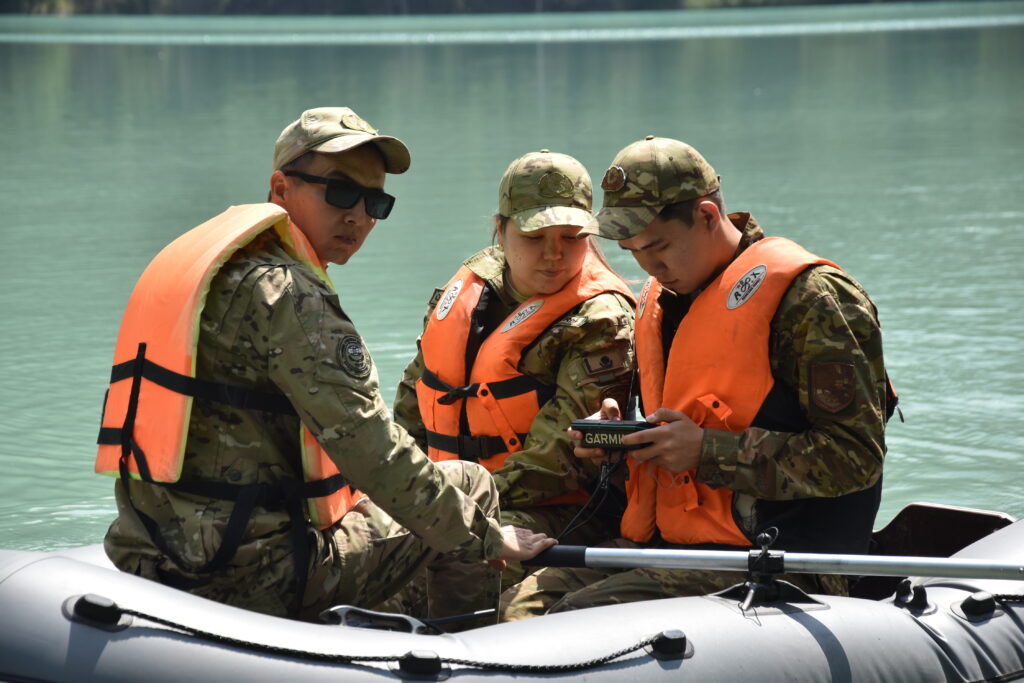
During the mission, the team focused on evaluating previously established monitoring sites. They utilized two new pieces of equipment: a bathymetric surveying boat and ground-penetrating radar. The remotely operated boat with a sonar was used to measure glacier lakes’ depth. The team successfully surveyed 2 lakes 43 and 45 meters deep, providing essential data on water volume and lake dynamics. Ground-Penetrating Radar was employed to measure the thickness of the glacier ice. Accurate ice thickness data is vital for predicting the potential growth of glacier lakes and their associated flood risks.

The fieldwork also included a capacity-building component, where Dr. Miles trained local scientists from the Centre for Glacier Research of the National Academy of Sciences of Tajikistan on the operation and applications of these new tools. This training ensures that the local team will be able to conduct future assessments and contribute to ongoing monitoring efforts.

Scouting for Early Warning System (EWS) Implementation

In addition to the assessment activities, the team scouted potential locations for implementing an EWS. This system aims to detect and provide timely alerts for impending floods. The scouting process involved evaluating geographical and technical factors to identify optimal sensor placement and communication infrastructure.

Baralmos glacier

Impact and Future Directions

The insights gained from this field visit will significantly contribute to the GLOFCA project. By enhancing our understanding of the Baralmos Glacier and its lakes, we can improve hazard prediction models and develop more effective mitigation strategies. Furthermore, the capacity-building efforts will strengthen local scientific capabilities, supporting long-term disaster risk reduction in the region.

The data collected and the knowledge shared during this mission will inform future research and aid in the development of resilient infrastructure and early warning systems, ultimately contributing to the safety and preparedness of communities in Tajikistan.