GLOF seminars: Engaging communities in Issyk and Talgar

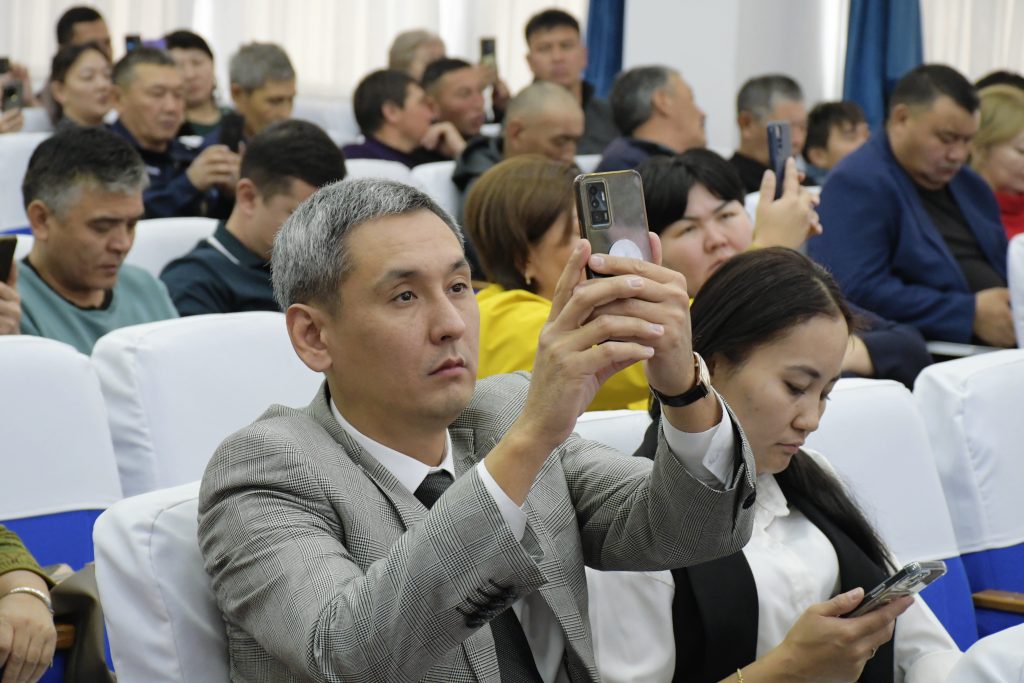
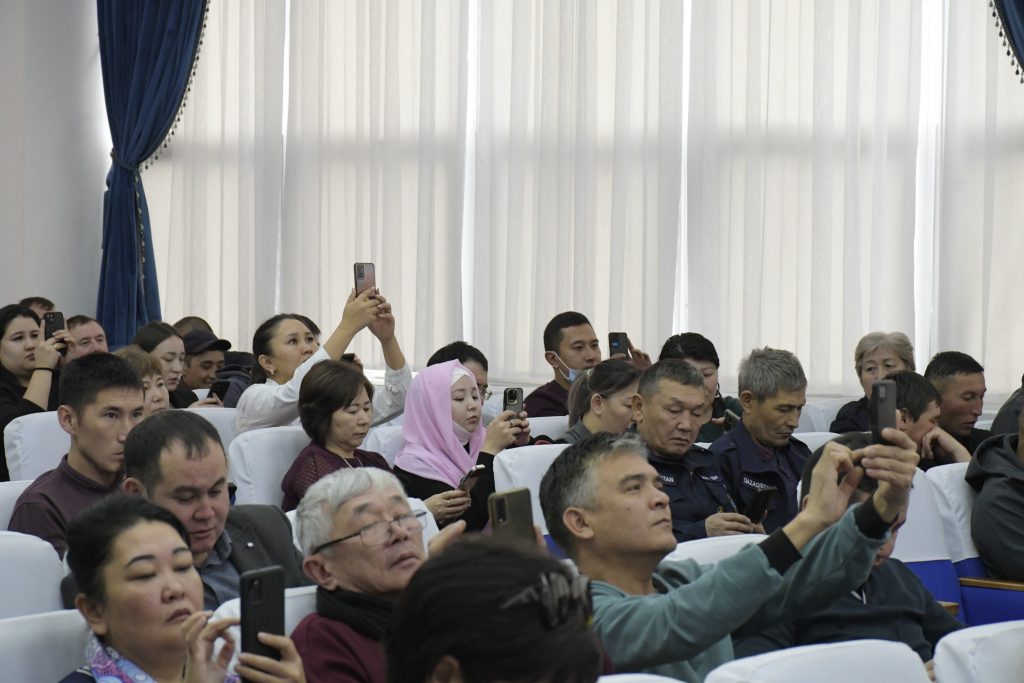
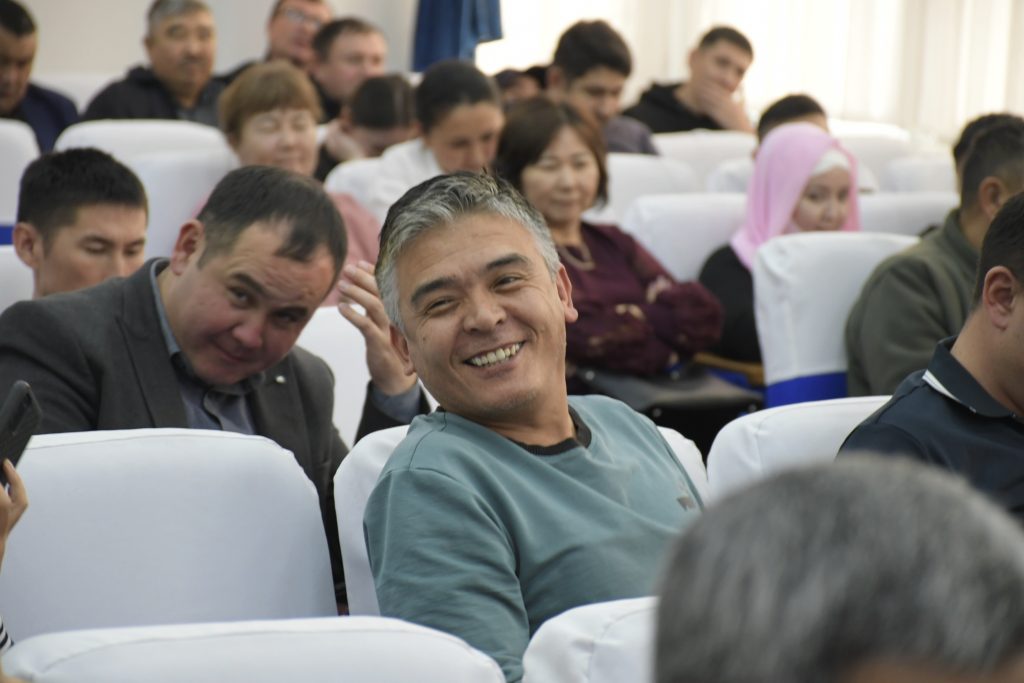
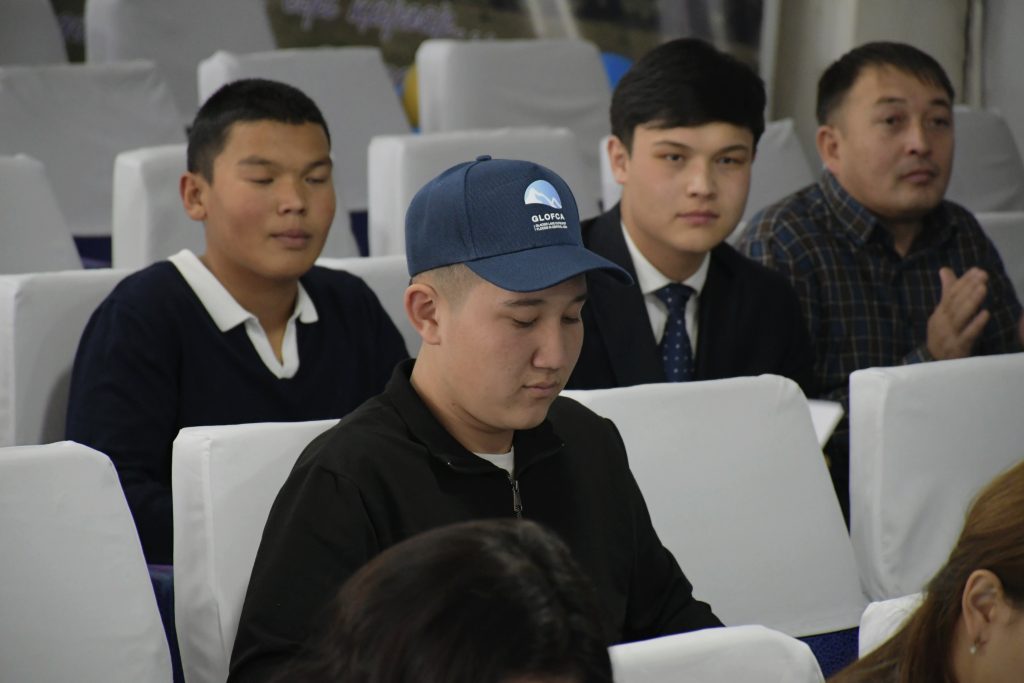
On November 21 and 26, the GLOFCA team conducted seminars in Issyk and Talgar to improve local awareness and preparedness for glacier lake outburst floods (GLOFs). In the city of Issyk, 87 participants took part, of whom 67% were men and 33% were women. In the city of Talgar, there were 33 participants, with 64% men and 36% women.
Why Focus on Issyk and Talgar?
Both Issyk and Talgar are high-risk areas for GLOFs. Data from the “Kazselezashchita” reveals that the Talgar River basin is home to 21 moraine-dammed glacial lakes, seven of which pose severe risks. Annual debris flows linked to GLOFs often damage infrastructure and threaten lives. Similarly, the Issyk River basin has 25 moraine-dammed glacial lakes, with five considered highly hazardous.
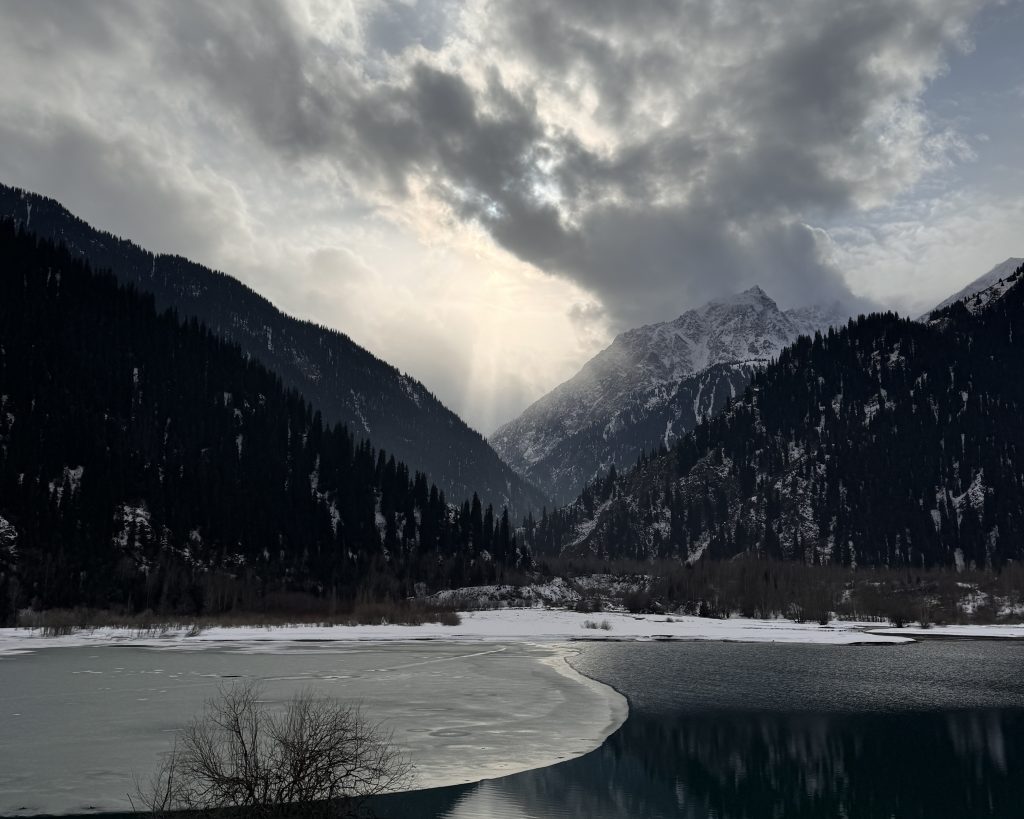
As pilot locations for the GLOFCA project in Kazakhstan, these areas will benefit from targeted interventions. Early warning systems are planned for Talgar, while adaptive measures will be introduced in Issyk. A primary goal of the seminars was to involve locals in discussions about existing risks and proposed solutions.
Expert Contributions
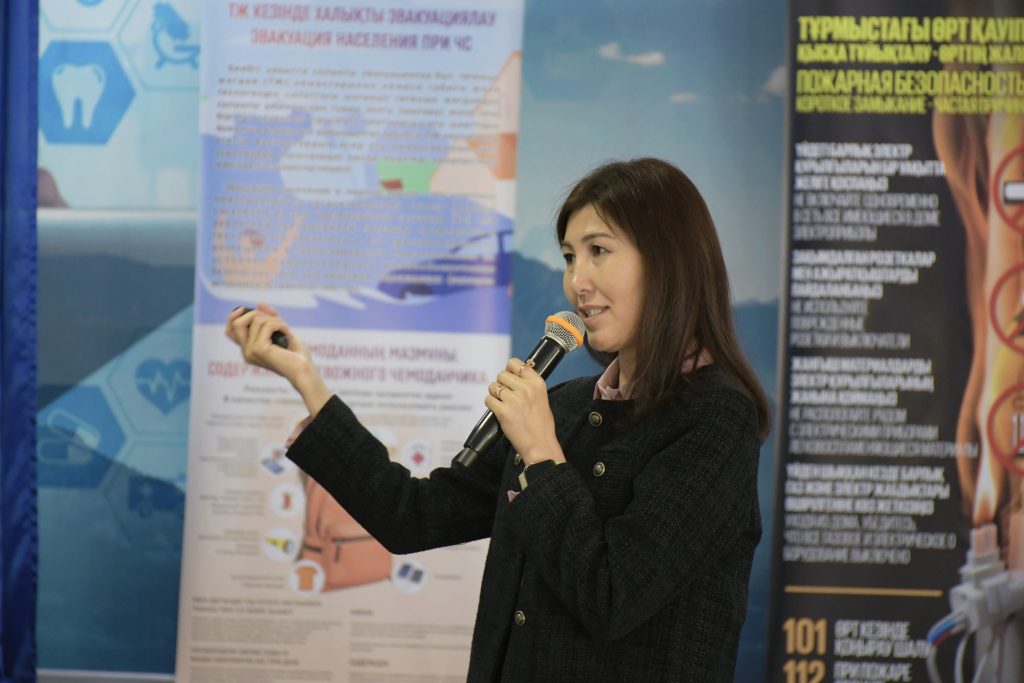
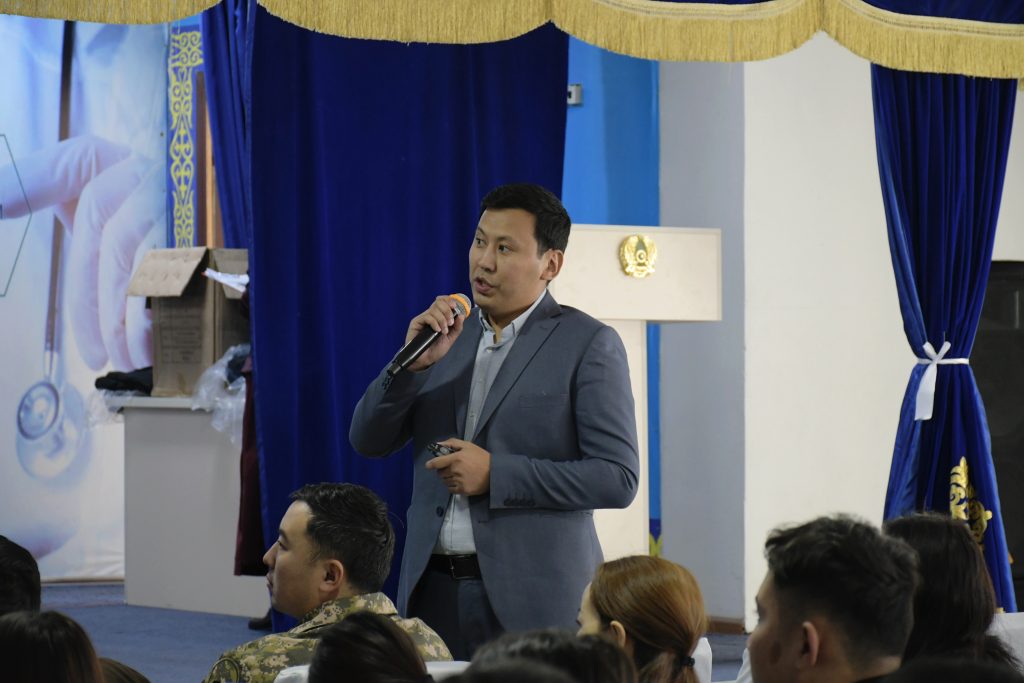
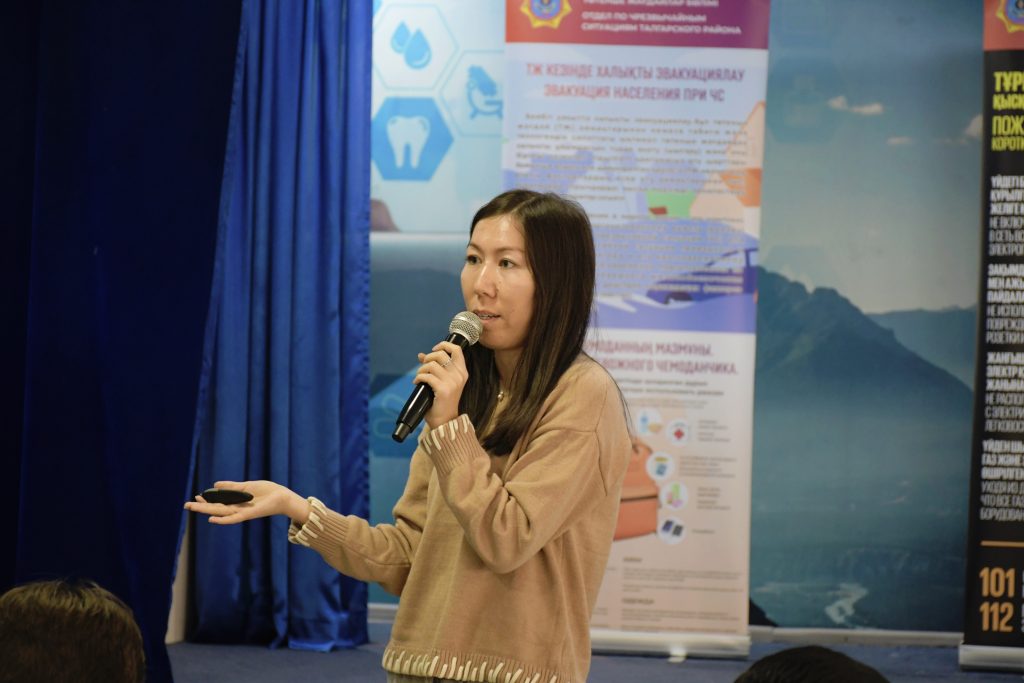
Specialists from Al-Farabi Kazakh National University (KazNU), “Kazselezashchita,” the University of Zurich, and emergency services of Yenbekshikazakh and Talgar districts shared their expertise:
- Ainur Mussina, professor at the Department of Meteorology and Hydrology, KazNU, outlined the mechanisms and impacts of glacier lake outburst floods.
- Baurzhan Abishev, Head of the Emergency Prevention Department at “Kazselezashchita,” detailed measures to mitigate GLOF risks in the region.
- In Issyk, Zhanar Raimbekova, a researcher from the University of Zurich, presented affordable and effective adaptation strategies.
- In Talgar, Amirkhan Temirbayev, Director of KazNU’s Center for Remote Sensing of the Earth, introduced the project’s planned early warning system.
Community Involvement and Practical Sessions
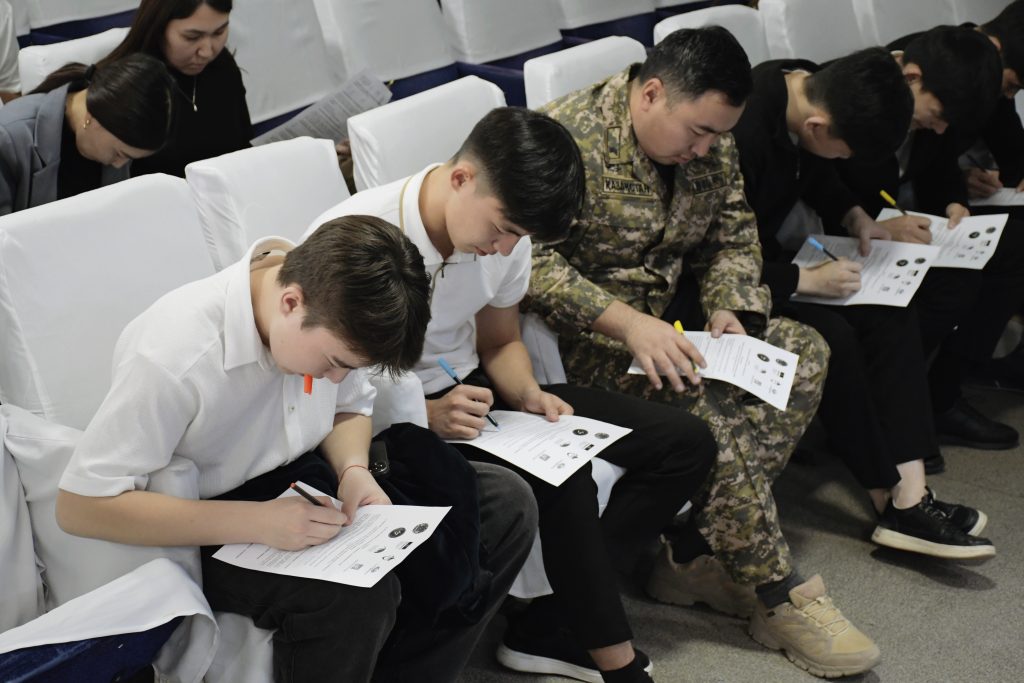
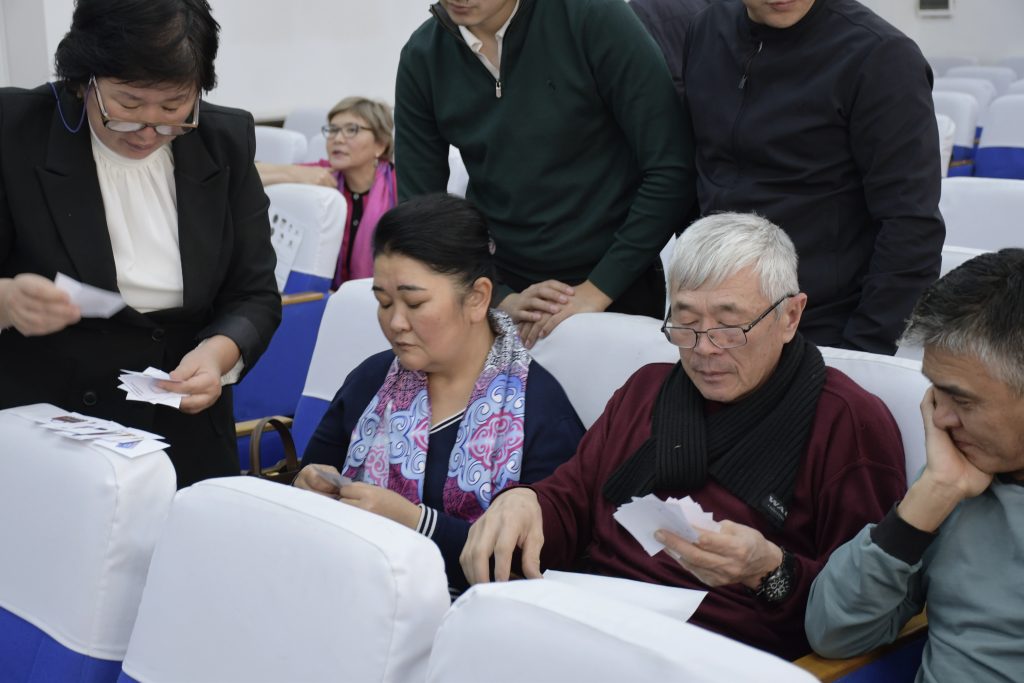
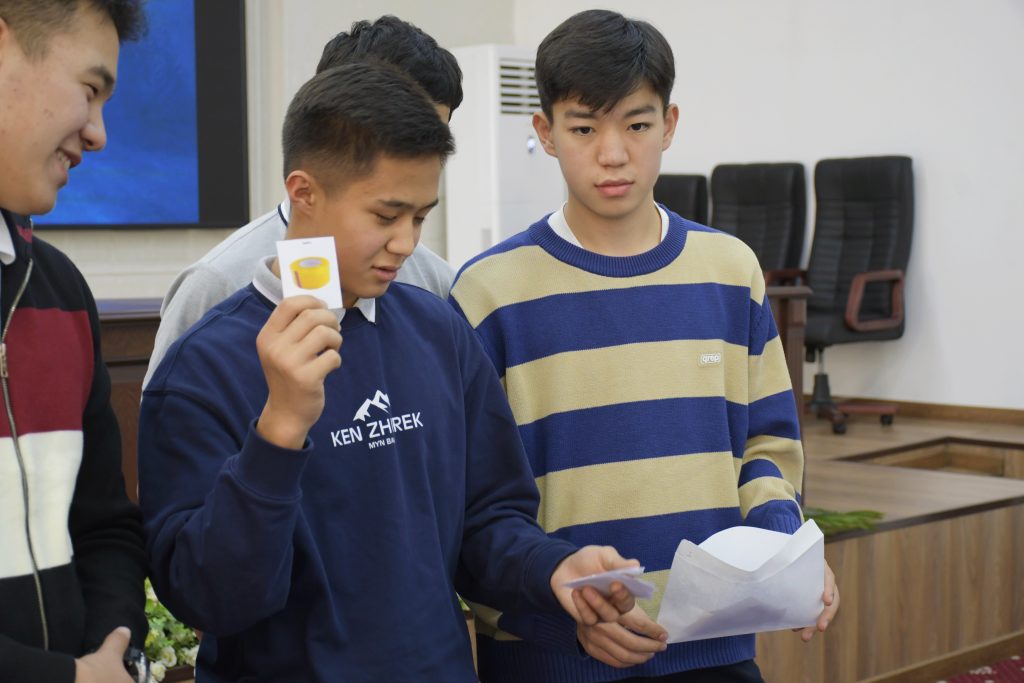
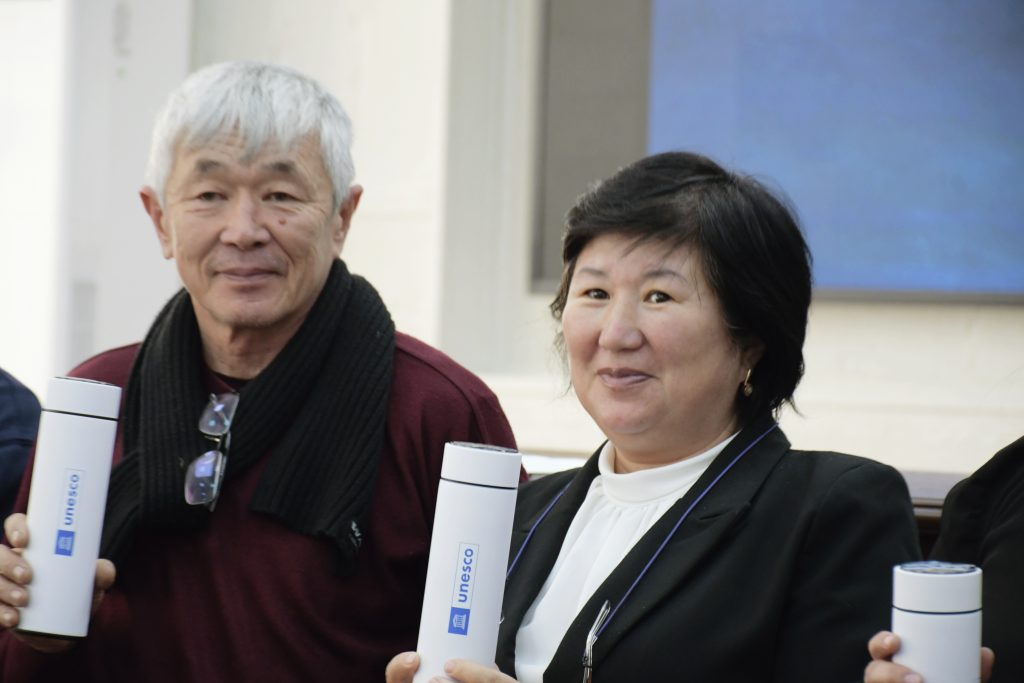
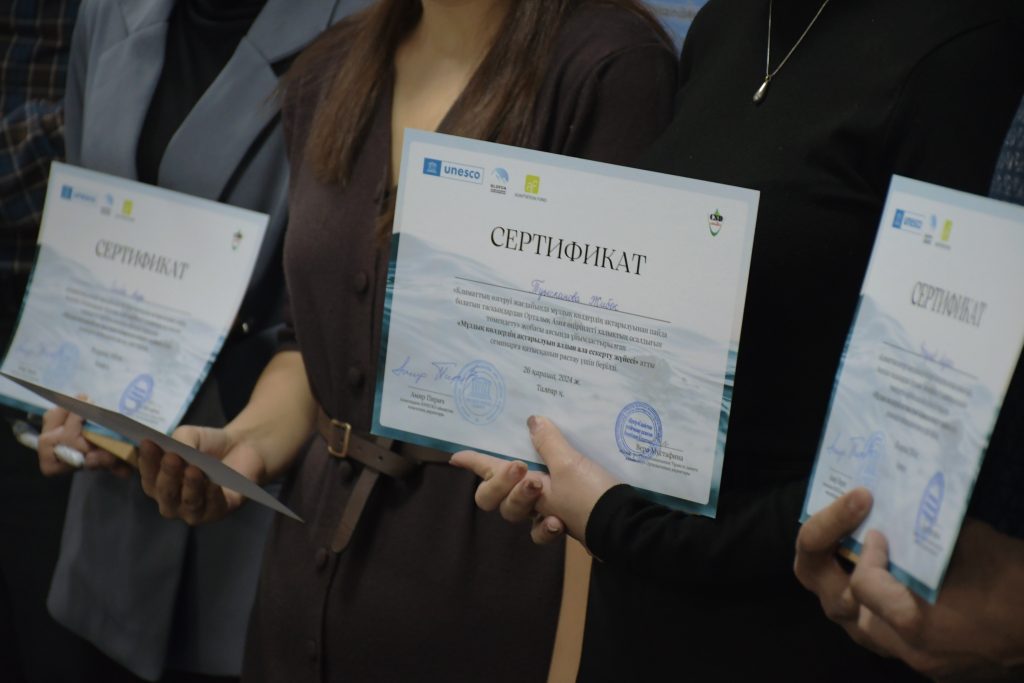
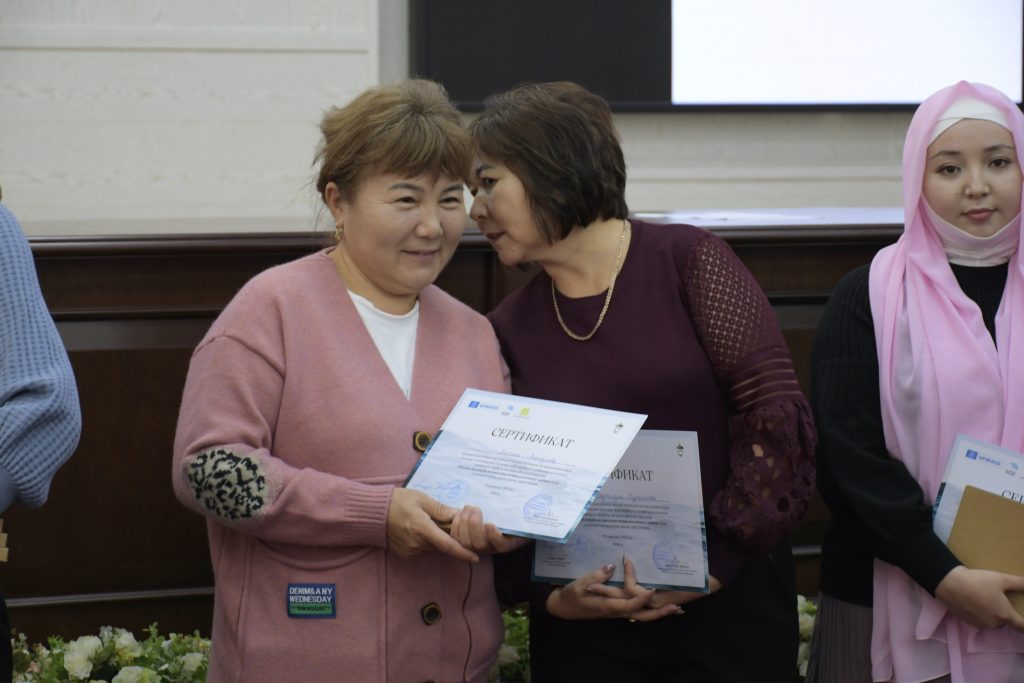
The seminars encouraged active participation from local residents, who shared their observations and provided feedback on the proposed initiatives. A hands-on activity, “Pack Your Emergency Kit,” helped participants better understand preparedness for emergencies. Participants received certificates upon completion.
Strengthening Resilience
The seminars represented a crucial step in raising awareness and involving communities in building resilience against glacier lake outburst floods. Feedback and suggestions from residents will play a key role in shaping the next phases of the GLOFCA project in Kazakhstan.
Read more


