UNESCO and Kazselezashchita Officially Launch Early Warning System for Mudflow Hazard in the Talgar River Basin

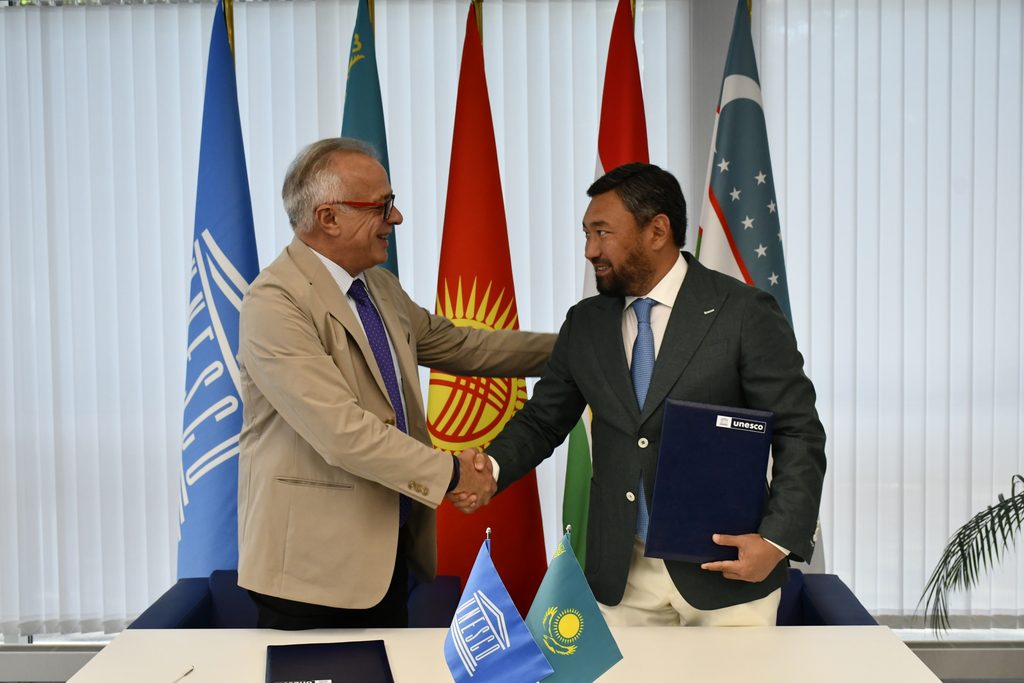
The official launch of the Early Warning System (EWS) for mudflow hazard in the Talgar River basin took place in Almaty on 18 August 2026. The system was developed and installed under the UNESCO–Adaptation Fund regional project “Reducing Vulnerabilities of Populations in Central Asia Region from Glacier Lake Outburst Floods in a Changing Climate” (GLOFCA) in cooperation with the State Institution “Kazselezashchita” of the Ministry of Emergency Situations of the Republic of Kazakhstan. During the launch, the UNESCO Regional Office in Almaty formally handed over the installed system to Kazselezashchita.
“As a UN agency with a mandate in the field of science, UNESCO places particular emphasis on strengthening disaster risk reduction measures and early warning systems – this is a central part of our work. That is why we are especially pleased to launch an early warning system here, in the Talgar River basin. For such a mudflow-prone area, the system means more time for people to reach safety, and more time for Kazselezashchita to respond quickly,” said Amir Piric, Director of the UNESCO Regional Office in Almaty.
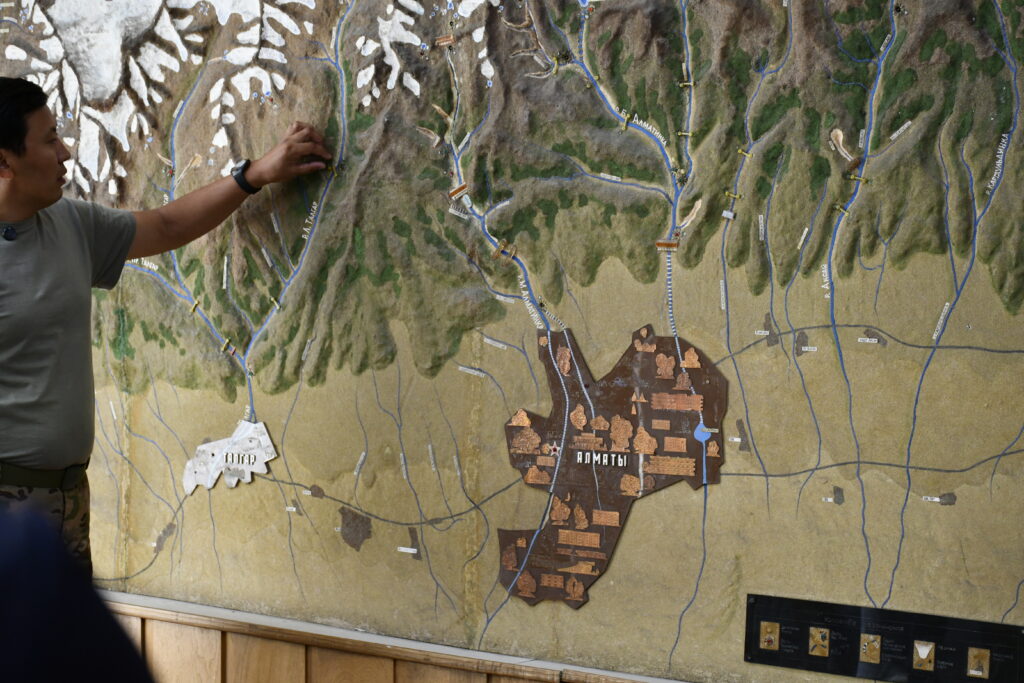
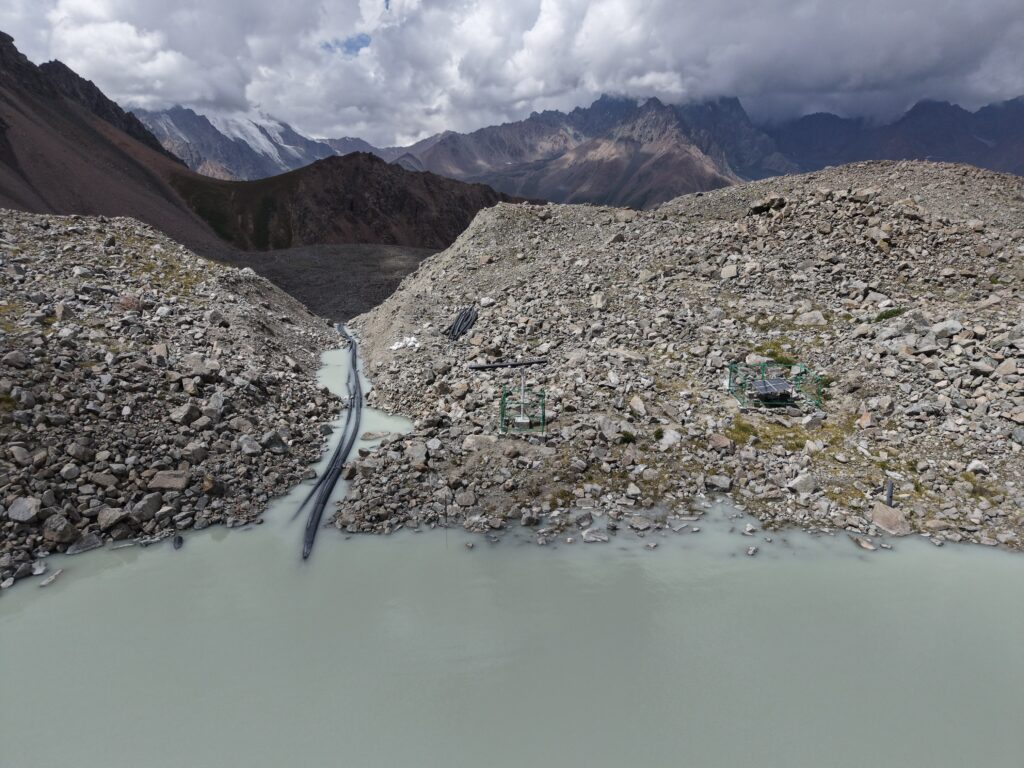
The Talgar River basin is one of the most mudflow-prone areas of the Almaty region and one of the pilot sites of the GLOFCA project. Its upper reaches contain 24 glacial lakes, three of which – Lake No. 8, Lake No. 10, and Lake No. 19 – are classified in the highest category of mudflow hazard. It is on these three lakes, as well as along the riverbed, that automated monitoring stations – the key components of the EWS – have been installed.
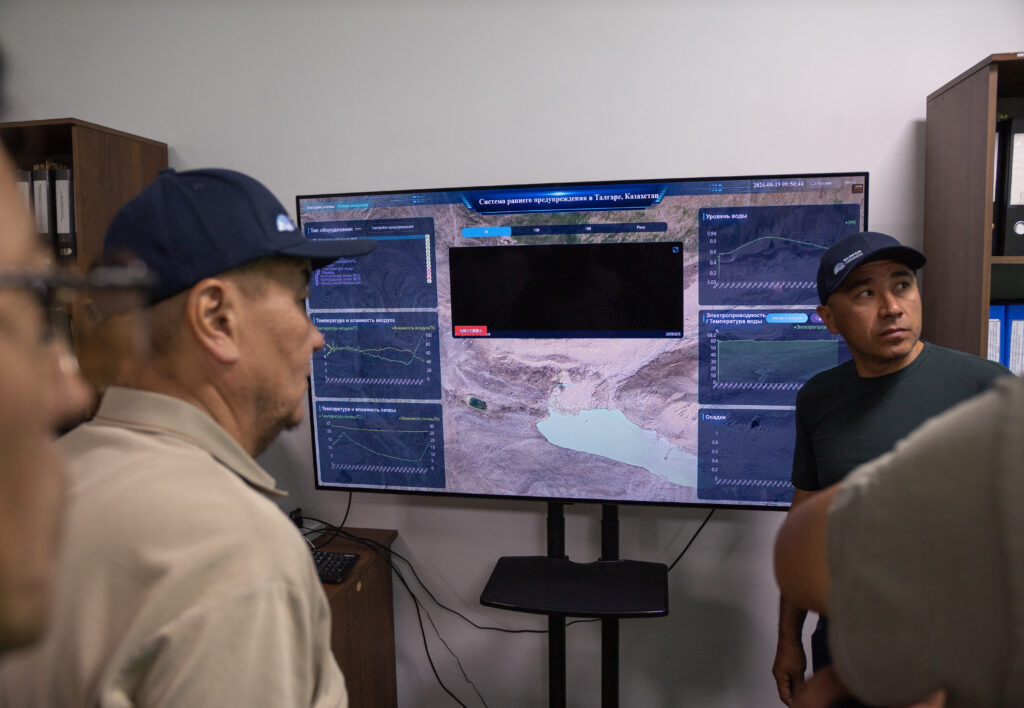
In real time, sensors will monitor water levels and the condition of hazard-prone sections and transmit data to a control center set up at the Kazselezashchita building in Almaty. In the event of an outburst threat, the system will alert monitoring service specialists and activate warning sirens for residents living in the risk zone.
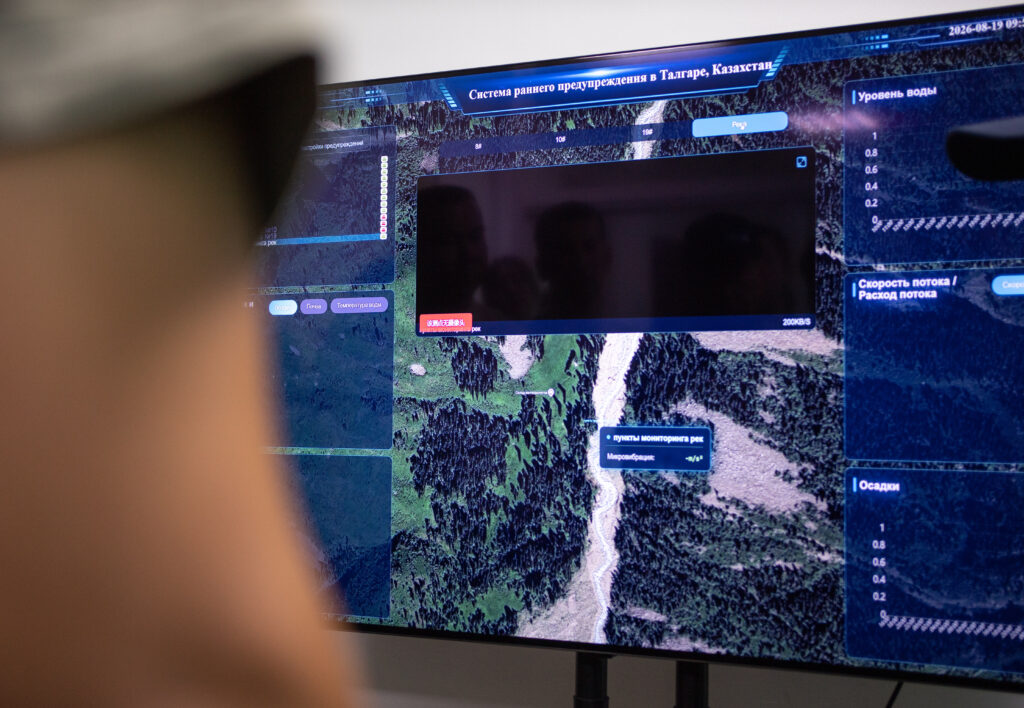
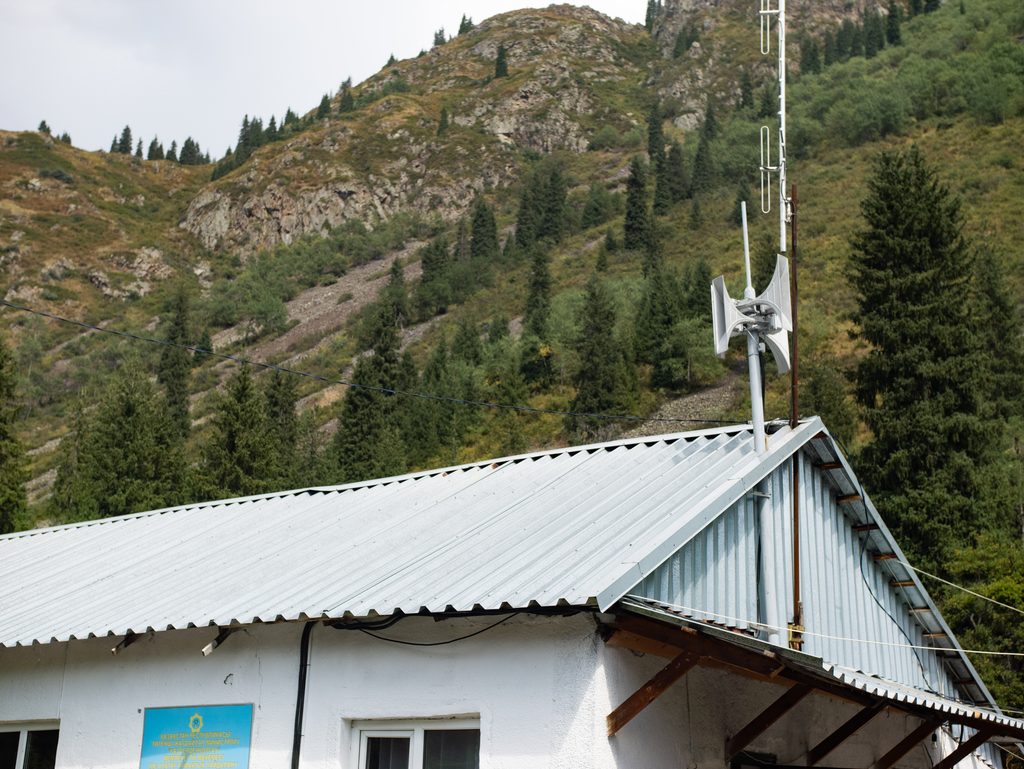
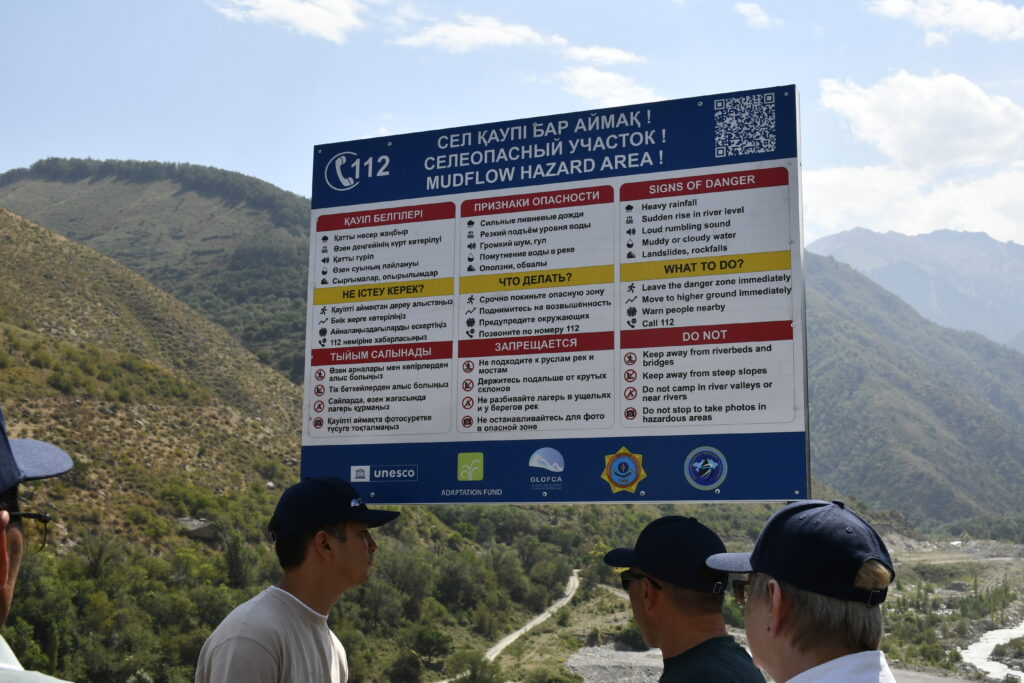
Accepting the equipment, Aslan Sabyrzhanuly, Director of the State Institution “Kazselezashchita” of the Ministry of Emergency Situations of the Republic of Kazakhstan, noted:
“The signing of the acceptance and handover act for the early warning system today is a clear example of how agreements translate into real results. I am confident that this experience will become another step toward building a more modern, reliable, and effective system for warning of natural emergencies in our country.”
The installed equipment is currently undergoing a period of testing and calibration. The system’s full operational readiness will be confirmed in September — joint exercises involving local residents are scheduled in Talgar, during which the system’s performance will be tested under real-world conditions. Similar exercises will be held in Esik – the second pilot site of the GLOFCA project, during which residents’ actions in the event of a glacial lake outburst threat will be rehearsed.
Read more

