News Category: Research

Tajikistan Holds Practical Workshop on the THAW Satellite Tool for Monitoring Mountain Lakes and GLOF Risks

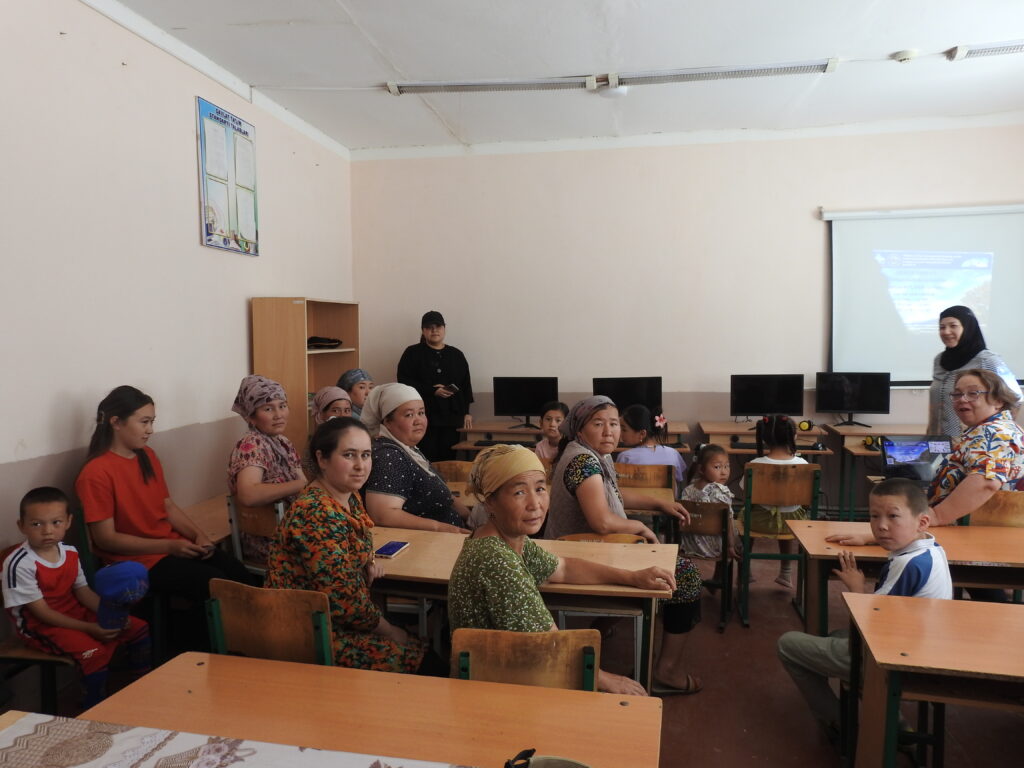
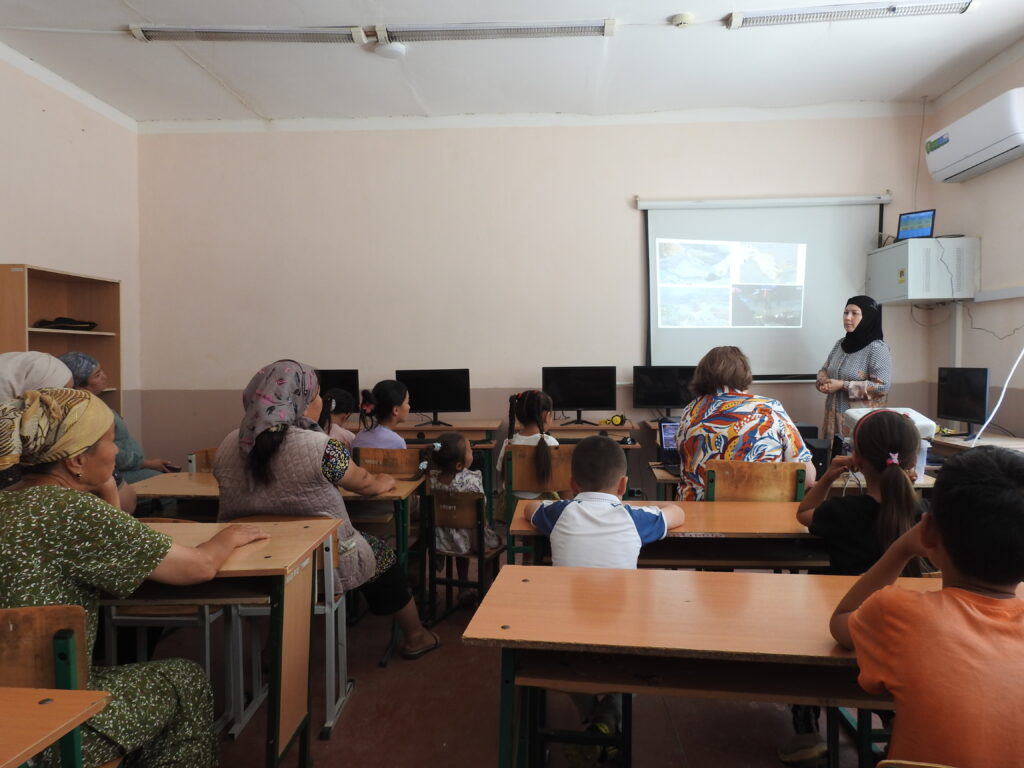
On 21 August, a practical workshop took place on the Transient Hydrologic Anomalies Weekly (THAW) tool, aimed at strengthening national capacities for the detection and monitoring of newly formed and anomalously changing mountain lakes. The workshop was organized by the Agency for Hydrometeorology of the Committee for Environmental Protection under the Government of the Republic of Tajikistan, in cooperation with the UNESCO Regional Office in Almaty and the University of Zurich, as part of the regional project “Reducing vulnerabilities of populations in the Central Asia region from glacier lake outburst floods in a changing climate” (GLOFCA), implemented by UNESCO and funded by the Adaptation Fund.

The workshop brought together scientists and specialists from the Agency for Hydrometeorology, the State Institution “Institute for the Study of Glaciers and Cryosphere” of the National Academy of Sciences of Tajikistan, and the Institute of Water Problems, Hydropower and Ecology of the National Academy of Sciences of Tajikistan.

THAW is an automated tool for monitoring surface water bodies that combines Sentinel-1 Synthetic Aperture Radar (SAR) satellite data with the Google Earth Engine platform. By flagging lakes that require closer attention, the tool supports the timely identification of potential outburst hazards and contributes to more effective GLOF monitoring.

During the practical sessions, participants worked in groups to apply THAW to selected glacier basins in Central Asia, testing its use for identifying potentially emerging lakes. Sessions also covered how to validate the results generated by the tool and assess whether individual lakes require further monitoring.

Discussions placed particular emphasis on exchanging experience and identifying the practical needs of specialists working on mountain lake monitoring and Glacial Lake Outburst Flood (GLOF) early warning systems. The outcomes of these discussions will feed into the continued development of the systems, protocols, and tools supported under the GLOFCA project.

Kazselezashchita specialists strengthen skills in modern methods for assessing mountain lake hazards

During the training, the specialists of the State Institution “Kazselezashchita” learned methods for measuring the depth and volume of mountain lakes, processing geospatial data and applying the results to assess disaster risks. The training is organized within the framework of the UNESCO-Adaptation Fund GLOFCA project, in cooperation with al-Farabi Kazakh National University and the State Institution “Kazselezashchita” of the Ministry of Emergency Situations of the Republic of Kazakhstan.

Climate change, glacier retreat and the formation of new high-mountain lakes are increasing natural hazards. Timely risk assessment requires regular monitoring and accurate data on lake depth, volume and condition. Bathymetric surveys provide this information and help support hazard assessment, outburst flood modelling and the improvement of early warning systems.

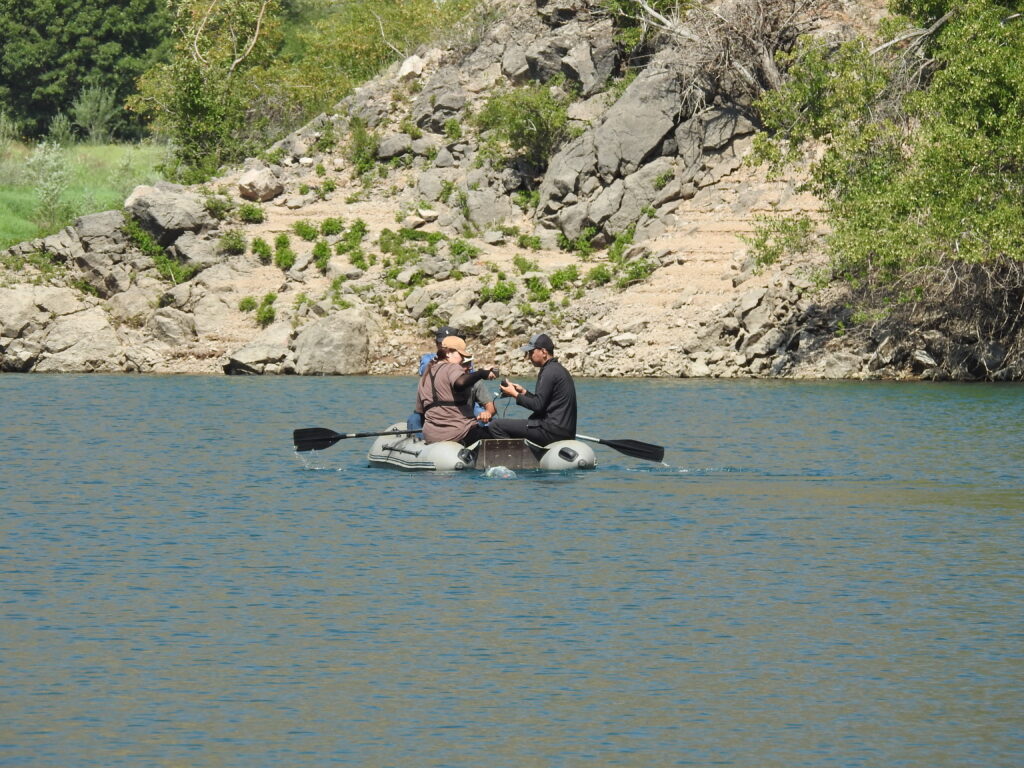
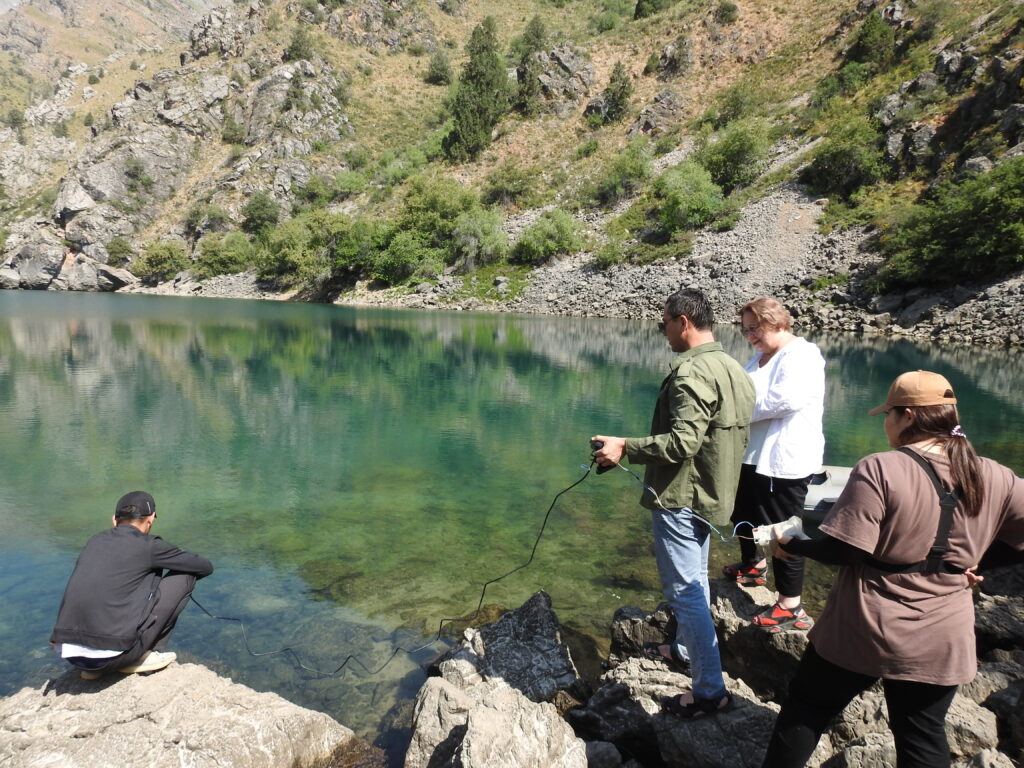
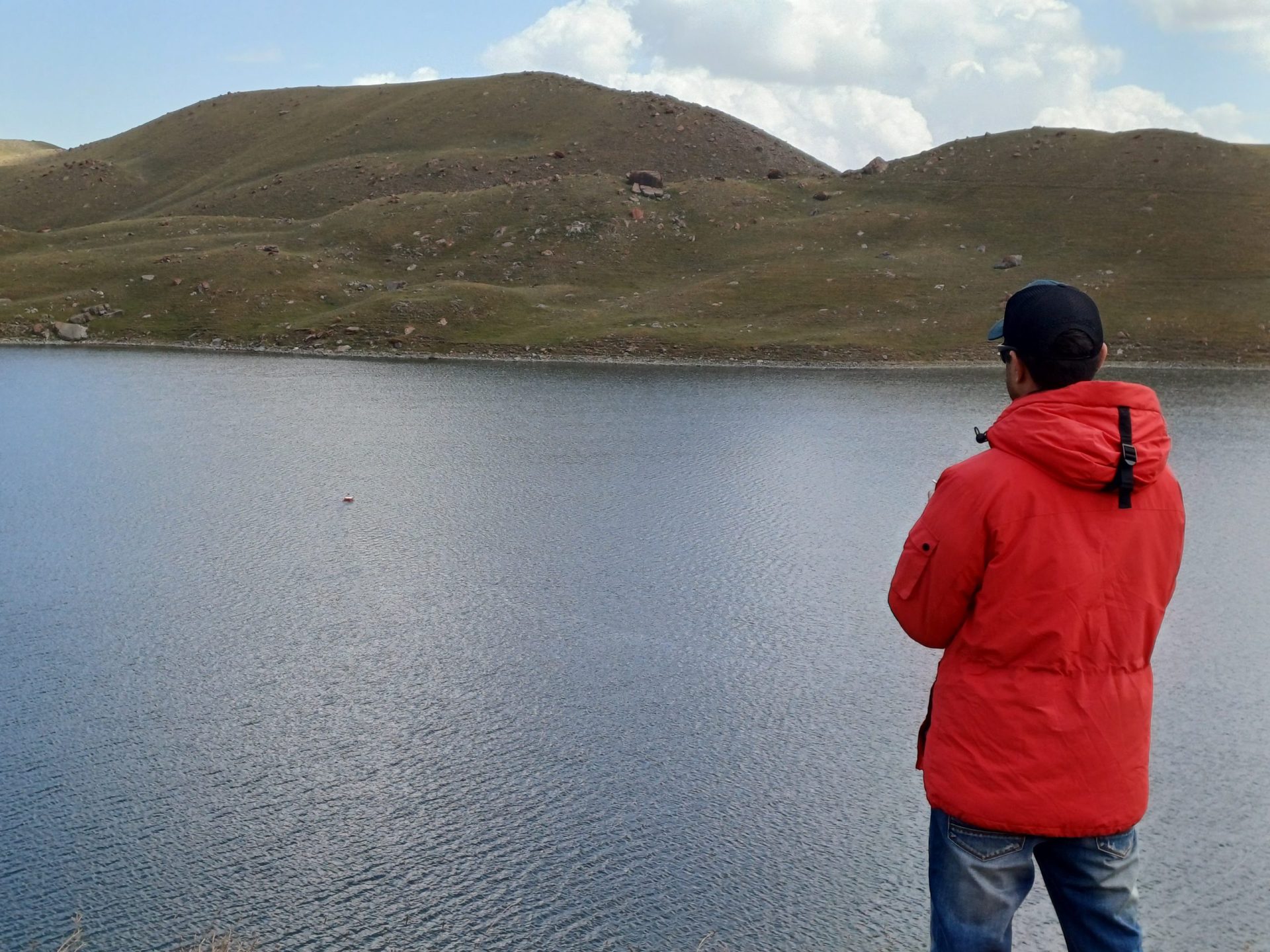
The practical part of the training was held at Lake Esik, located in one of the GLOFCA project pilot areas in Kazakhstan. Participants conducted a bathymetric survey and collected geospatial data. The second part of the training took place at the Training Centre for the Study of Natural Hazards and Hydrological Processes of the State Institution “Kazselezashchita”. Using Surfer and QGIS software, specialists processed the collected data, prepared depth maps, calculated the lake’s key parameters and assessed how the results can be applied for monitoring and risk forecasting.

Participants also worked through a scenario involving a sharp rise in water level following heavy rainfall. They identified what data and additional measurements are needed to assess the threat, as well as which services should be informed.

The training strengthened the practical skills of Kazselezashchita specialists and enhanced cooperation between the government and scientific organizations. It also contributed to the development of national capacity in mountain lake monitoring, disaster risk reduction and the improvement of early warning systems.

Study on the effectiveness of GLOF DRM measures in the Ala-Archa valley, Kyrgyz Republic

Originating high in the Tien Shan mountains, the Ala-Archa River flows through Ala-Archa National Park before reaching Bishkek, Kyrgyz Republic’s capital. The park was established to protect the unique wildlife of the Northern Tien Shan and today is one of the country’s most popular destinations for hiking and tourism.

The valley is also among the most debris-flow-prone areas in the region. Outbursts from glacial lakes such as Aksai and Teztor have repeatedly triggered destructive debris flows. The most recent major event, recorded in 2024, destroyed more than 25 houses and caused one fatality.

Against this backdrop, a new scientific article published in «Natural Hazards and Earth System Sciences» evaluates how different disaster risk reduction measures can reduce the impacts of glacial lake outburst floods (GLOFs) and debris flows using Ala-Archa National Park as a case study. Utilizing numerical mass movement models, the study assessed three measures: the artificial lowering of lake levels, a deflection dam, and a retention basin. It presents a comparison of the impact of such measures on the exposure of people and infrastructure to the risk of GLOFs and debris flows.

The study, led by Laura Niggli and co-authored by scientists from the University of Zurich, the Central Asian Institute for Applied Geosciences (CAIAG) and the University of Central Asia (UCA), was conducted within the framework of the GLOFCA project. Funded by the Adaptation Fund and implemented by the UNESCO Regional Office in Almaty in partnership with the University of Zurich, the project supports regional efforts to reduce vulnerability to GLOFs across Central Asia.

The installation of GLOF Early Warning Systems is a key component of the GLOFCA project. The findings of this study provide a quantitative basis for evaluating structural measures that can complement Early Warning Systems and strengthen overall risk reduction strategies. The results show that although artificial lowering of lake levels offers the best cost-to-benefit ratio, it is important to also consider the relatively high maintenance costs of such measures.

Holger Frey from the University of Zurich, co-author of the study, emphasises that “The most effective, cheapest and most sustainable approach to disaster risk management is still long-term spatial planning, based on systematic hazard maps.”

The link to the study: https://nhess.copernicus.org/articles/26/733/2026/


Continuing Disaster Risk Education in Uzbekistan’s Mountain Villages

In the middle of July 2025, the GLOFCA project returned to the pilot villages of Pskem and Tepar in Uzbekistan’s Bostanlyk District to continue building local knowledge on glacier-related hazards. This visit is part of GLOFCA’s ongoing work in the region, following previous activities in 2024, including the installation of weather monitoring stations and a lesson on mudflow safety.

Organized in partnership with the Glacial Geology Centre under the Institute of Geology and Geophysics, the Hydrometeorological Scientific Research Institute (NIGMI), and the Ministry of Ecology, the July visit focused on strengthening disaster risk awareness in schools and communities.

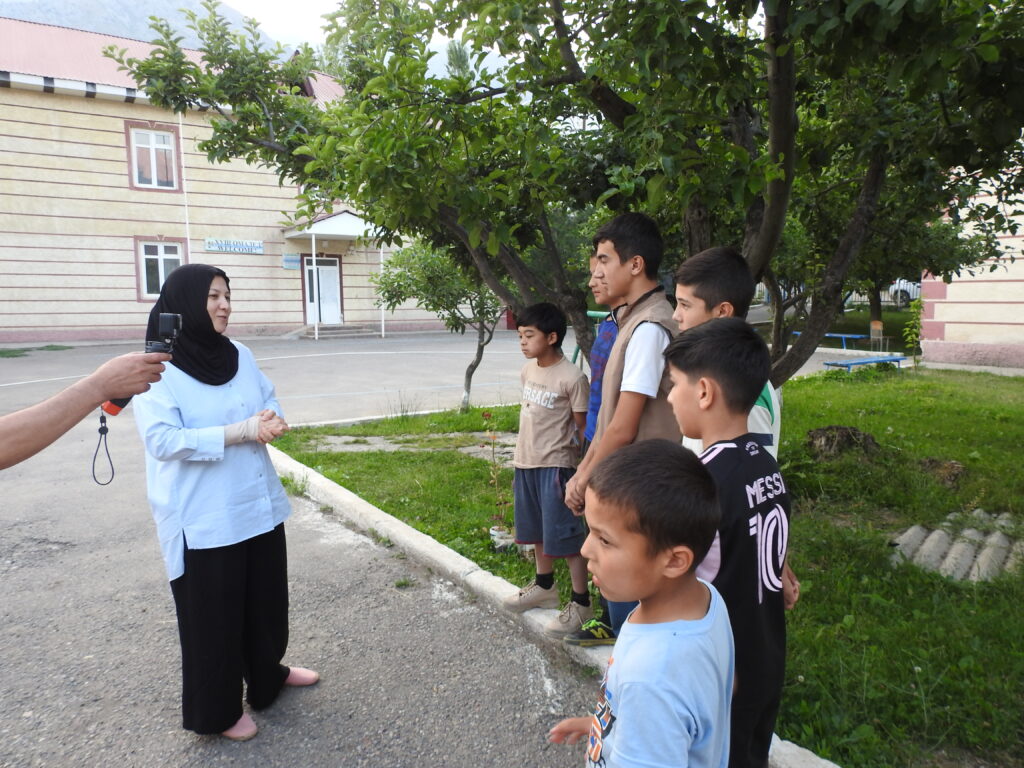
Educational sessions were held in schools No. 45 (Pskem) and No. 50 (Tepar), bringing together students, teachers, and residents to learn about natural hazards such as debris flows, avalanches, and glacial lake outburst floods (GLOFs). The sessions included a multimedia presentation prepared by NIGMI, along with a documentary film on the 1998 Shakhimardan GLOF, a powerful example of the real impacts of such events. A drawing contest and online survey helped engage students in reflecting on disaster risks and preparedness.

The team also checked and adjusted the weather stations installed in both schools during the previous year, ensuring their continued functionality for local observation and learning.

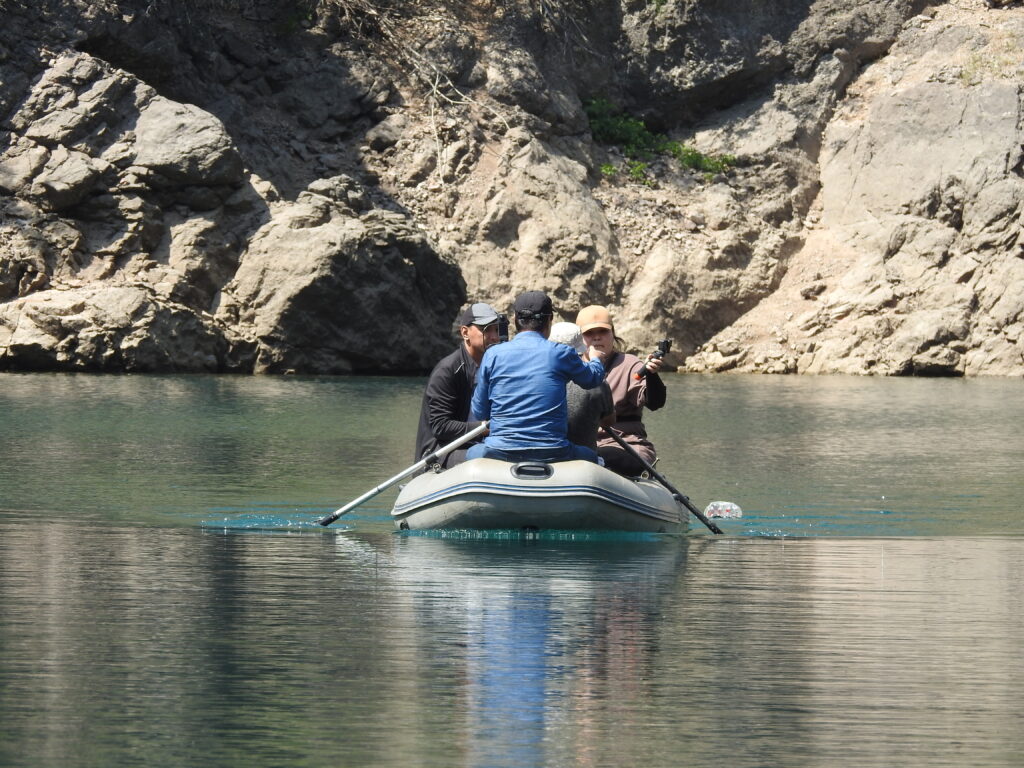
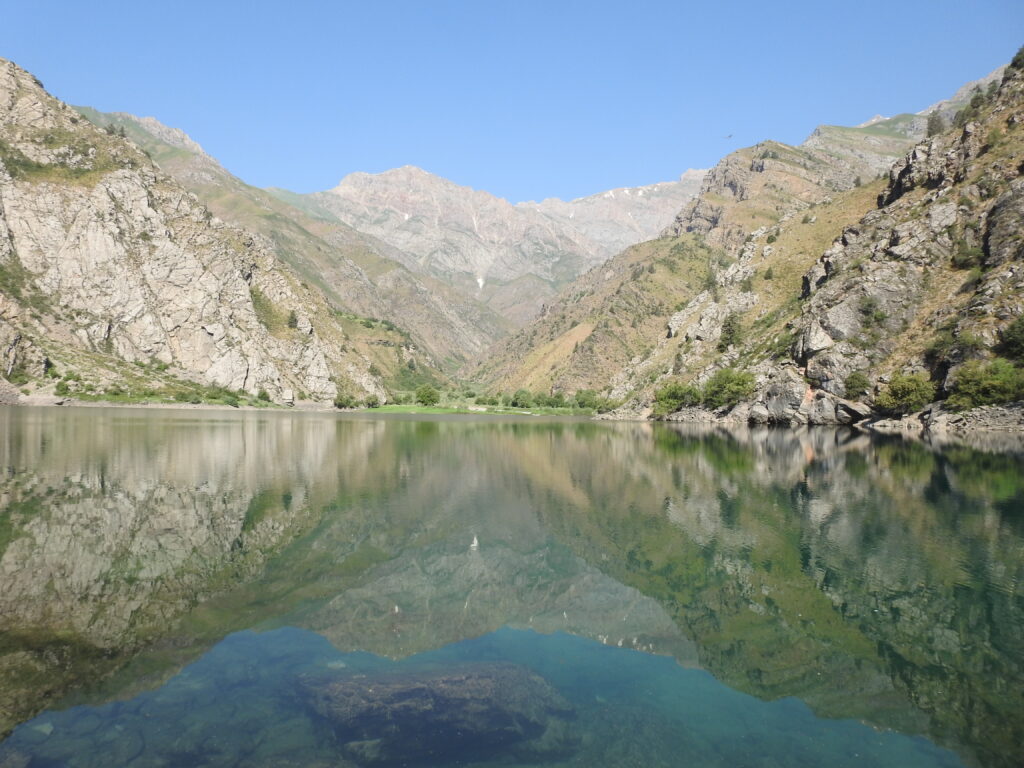
To conclude the visit, the group conducted hydrometric and bathymetric surveys at the Uzungach Lake system, which feeds into the Pskem River. These data will support future planning for hazard monitoring and early warning.

Through sustained outreach and practical engagement, GLOFCA continues to support climate resilience and disaster preparedness in Uzbekistan’s high mountain regions.

Insights into GLOF risk management shared at COP29 side event

As part of COP29, held this year in Baku, Azerbaijan, a side event titled “Glacial lake outburst floods and flows: responding to climate change risks related to the world’s glaciers” brought attention to the escalating risks posed by GLOFs. Organized by the Adaptation@Altitude Programme of the Swiss Agency for Development and Cooperation (SDC), the event explored innovative solutions for managing these hazards.

The GLOFCA project was represented at the event by Simon Allen, a project scientist from the University of Zurich. In his keynote presentation, Allen shared insights on GLOF risk management in rapidly changing mountain environments, drawing from a comprehensive review of over 100 global GLOF disaster risk management projects. This global review, led by Laura Niggli (also of the University of Zurich), has provided critical insights and best practices for disaster risk reduction strategies now being implemented in GLOFCA’s pilot regions. Key recommendations from the review have been elaborated through case studies and compiled into a brochure designed for decision-makers, civil society, and implementation agencies.

Watch the presentation and access the brochure below.

GLOFs Research Mission in Tajikistan

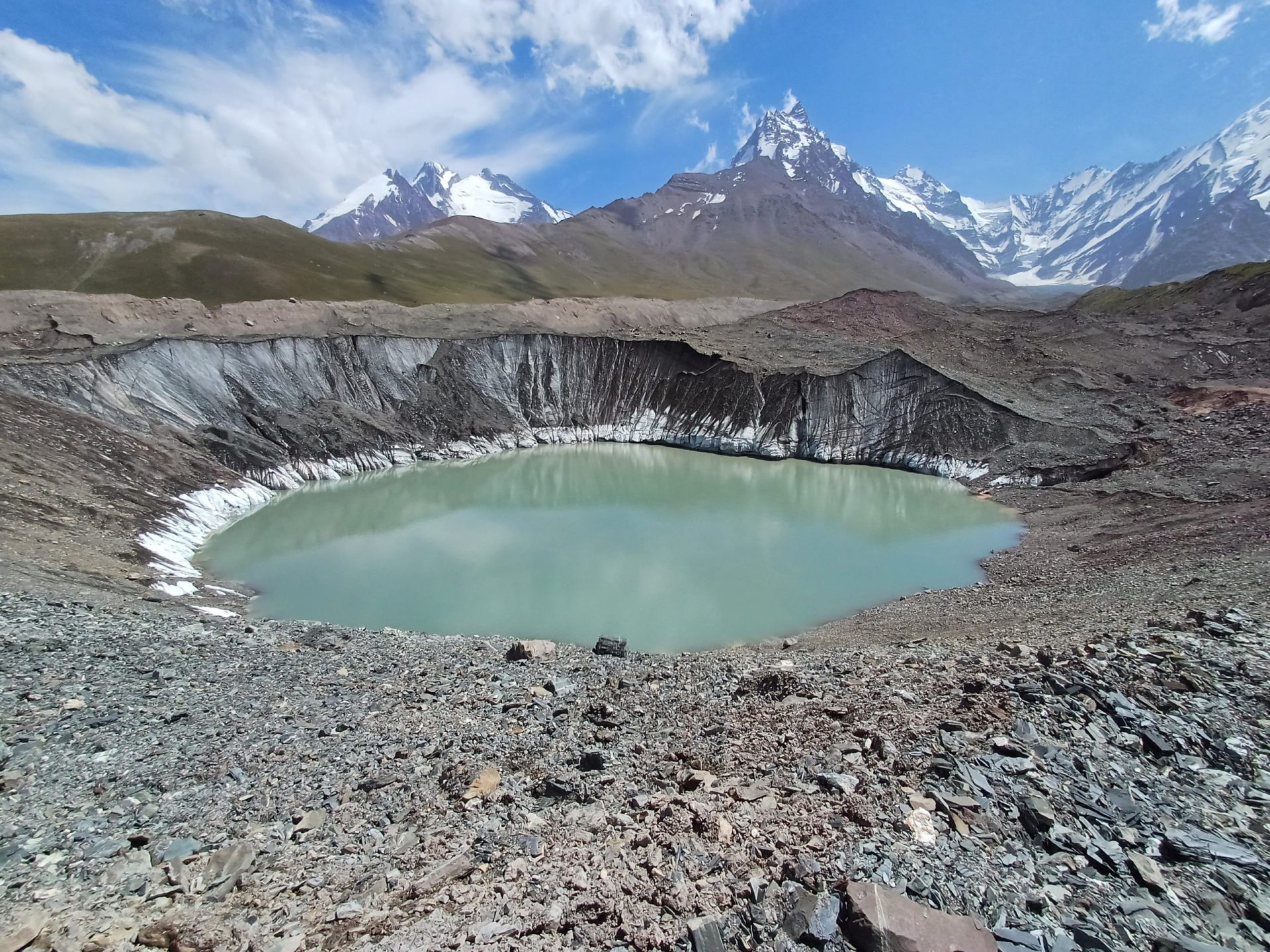
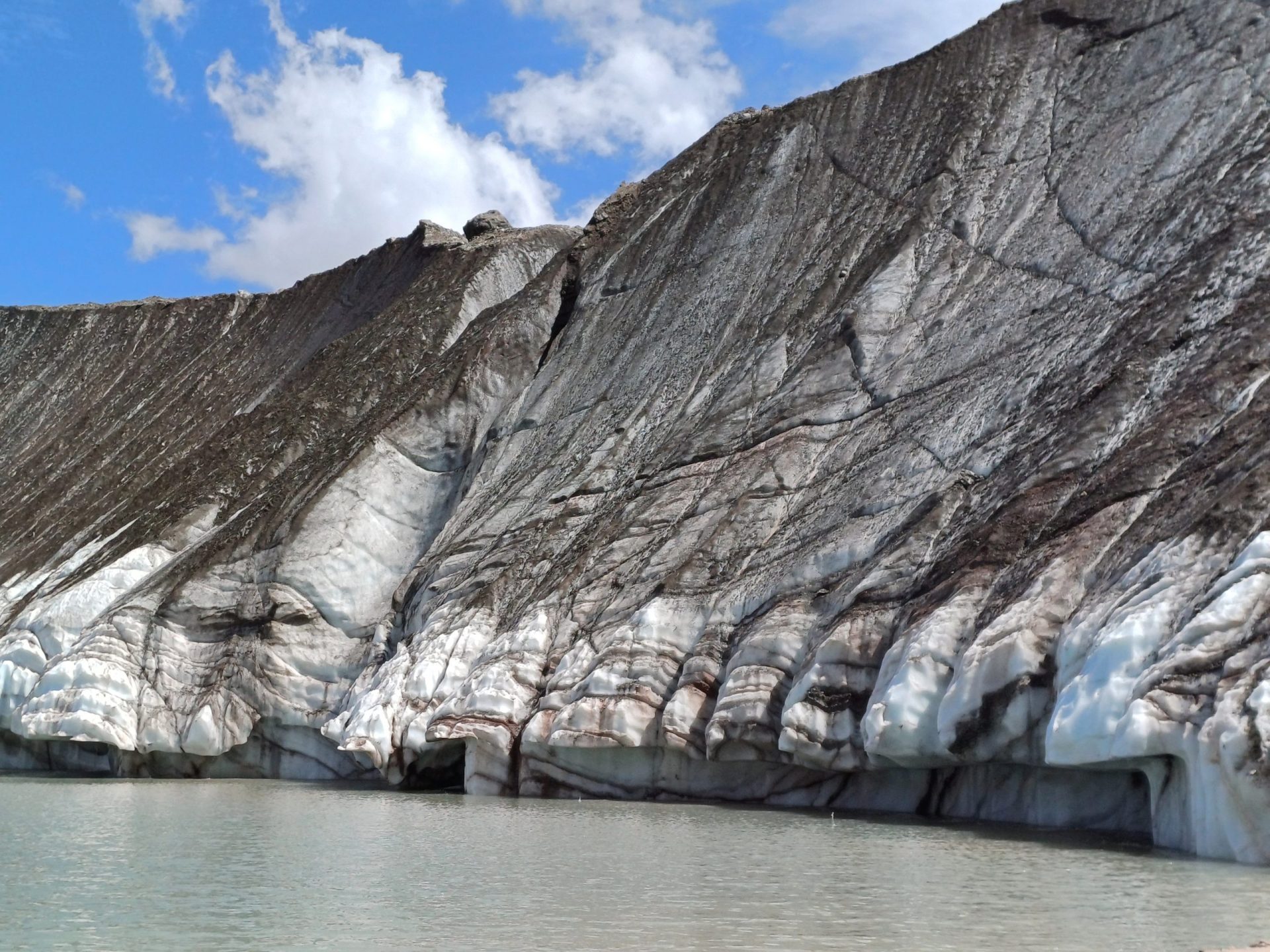
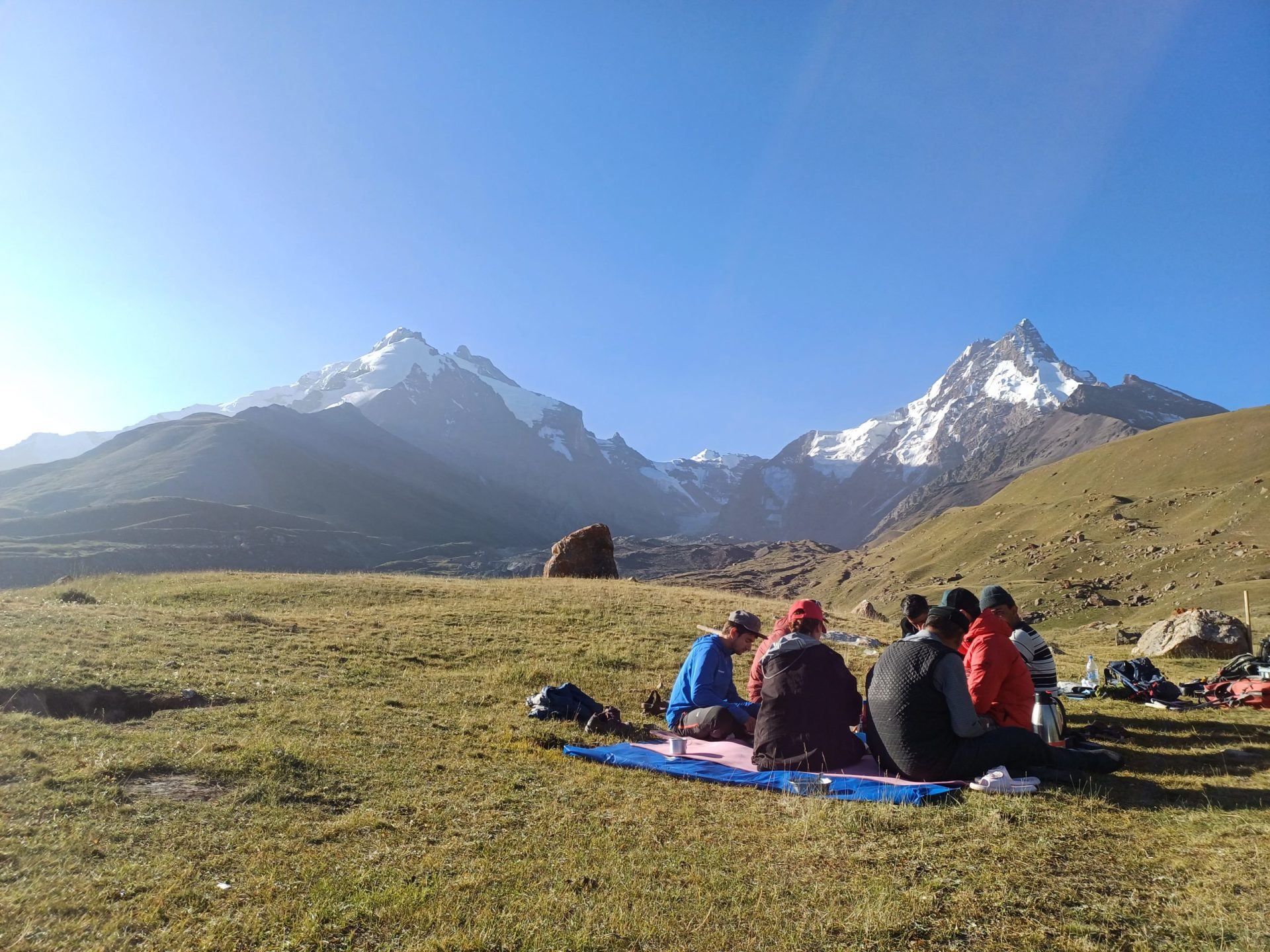
From August 19 to 30, 2024, a field visit was conducted in Tajikistan to advance our understanding of glacier lake outburst floods (GLOFs). This mission, led by Dr. Evan Miles from the University of Zurich, involved collaboration with scientists from the Centre for Glacier Research of the National Academy of Sciences of Tajikistan. The visit aimed to assess the Baralmos Glacier and its associated lakes, introduce new monitoring equipment and enhance local scientific capacity.

The Baralmos Glacier: Importance and Challenges

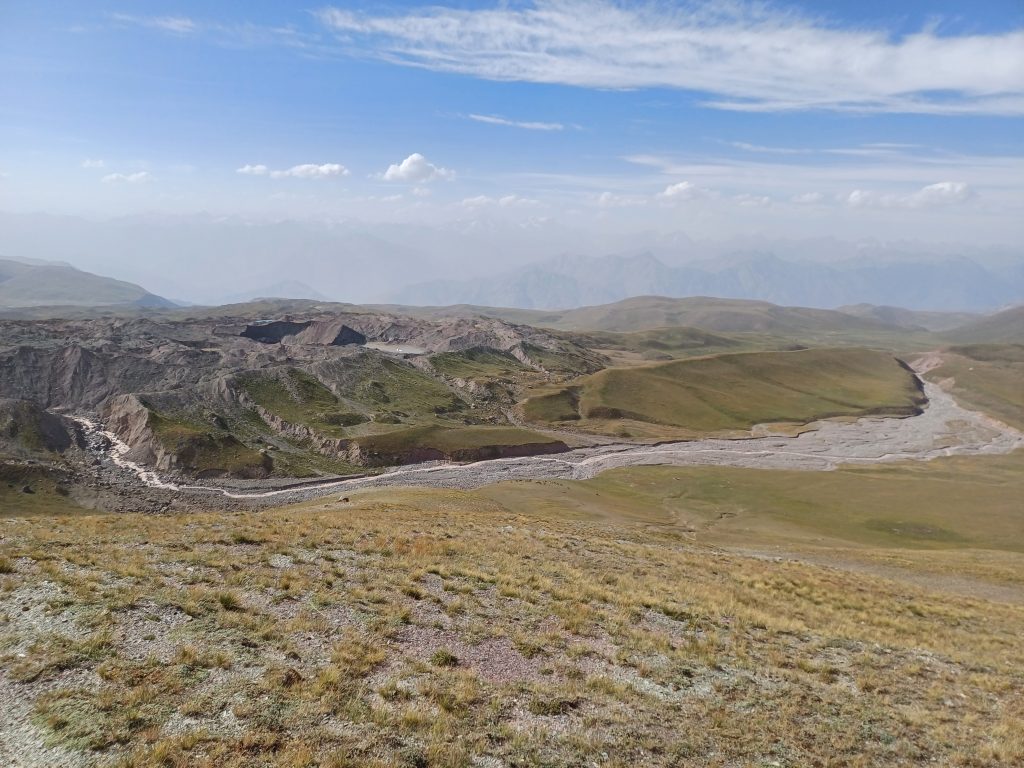
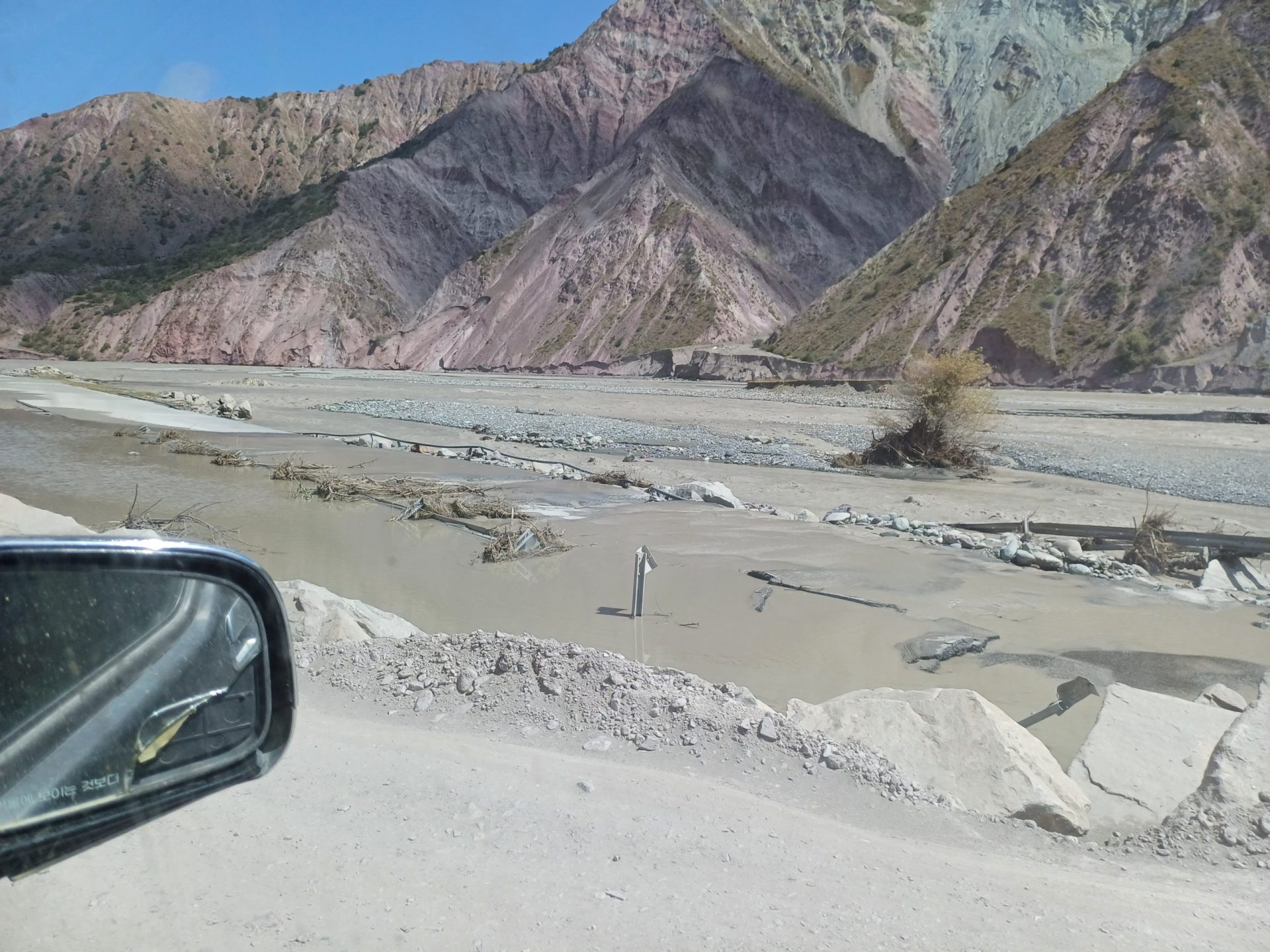
The Baralmos Glacier in the Lakhsh district of eastern Tajikistan is a key site for studying GLOFs. The glacier’s lakes have a history of generating significant mudflows that impact downstream areas. These floods have caused severe disruptions to local infrastructure, including roads and settlements along the Surhob River. Understanding and monitoring this glacier is crucial for developing effective hazard mitigation strategies.

{"type":"elementor","siteurl":"https://glofca.org/wp-json/","elements":[{"id":"403d3ec","elType":"widget","isInner":false,"isLocked":false,"settings":{"content_width":"full","image":{"url":"https://glofca.org/wp-content/plugins/elementor/assets/images/placeholder.png","id":"","size":""},"image_size":"large","image_custom_dimension":{"width":"","height":""},"caption_source":"none","caption":"","link_to":"none","link":{"url":"","is_external":"","nofollow":"","custom_attributes":""},"open_lightbox":"default","align":"","align_tablet":"","align_mobile":"","width":{"unit":"%","size":"","sizes":[]},"width_tablet":{"unit":"%","size":"","sizes":[]},"width_mobile":{"unit":"%","size":"","sizes":[]},"space":{"unit":"%","size":"","sizes":[]},"space_tablet":{"unit":"%","size":"","sizes":[]},"space_mobile":{"unit":"%","size":"","sizes":[]},"height":{"unit":"px","size":"","sizes":[]},"height_tablet":{"unit":"px","size":"","sizes":[]},"height_mobile":{"unit":"px","size":"","sizes":[]},"object-fit":"","object-fit_tablet":"","object-fit_mobile":"","object-position":"center center","object-position_tablet":"","object-position_mobile":"","opacity":{"unit":"px","size":"","sizes":[]},"css_filters_css_filter":"","css_filters_blur":{"unit":"px","size":0,"sizes":[]},"css_filters_brightness":{"unit":"px","size":100,"sizes":[]},"css_filters_contrast":{"unit":"px","size":100,"sizes":[]},"css_filters_saturate":{"unit":"px","size":100,"sizes":[]},"css_filters_hue":{"unit":"px","size":0,"sizes":[]},"opacity_hover":{"unit":"px","size":"","sizes":[]},"css_filters_hover_css_filter":"","css_filters_hover_blur":{"unit":"px","size":0,"sizes":[]},"css_filters_hover_brightness":{"unit":"px","size":100,"sizes":[]},"css_filters_hover_contrast":{"unit":"px","size":100,"sizes":[]},"css_filters_hover_saturate":{"unit":"px","size":100,"sizes":[]},"css_filters_hover_hue":{"unit":"px","size":0,"sizes":[]},"background_hover_transition":{"unit":"px","size":"","sizes":[]},"hover_animation":"","image_border_border":"","image_border_width":{"unit":"px","top":"","right":"","bottom":"","left":"","isLinked":true},"image_border_width_tablet":{"unit":"px","top":"","right":"","bottom":"","left":"","isLinked":true},"image_border_width_mobile":{"unit":"px","top":"","right":"","bottom":"","left":"","isLinked":true},"image_border_color":"","image_border_radius":{"unit":"px","top":"","right":"","bottom":"","left":"","isLinked":true},"image_border_radius_tablet":{"unit":"px","top":"","right":"","bottom":"","left":"","isLinked":true},"image_border_radius_mobile":{"unit":"px","top":"","right":"","bottom":"","left":"","isLinked":true},"image_box_shadow_box_shadow_type":"","image_box_shadow_box_shadow":{"horizontal":0,"vertical":0,"blur":10,"spread":0,"color":"rgba(0,0,0,0.5)"},"caption_align":"","caption_align_tablet":"","caption_align_mobile":"","text_color":"","caption_background_color":"","caption_typography_typography":"","caption_typography_font_family":"","caption_typography_font_size":{"unit":"px","size":"","sizes":[]},"caption_typography_font_size_tablet":{"unit":"px","size":"","sizes":[]},"caption_typography_font_size_mobile":{"unit":"px","size":"","sizes":[]},"caption_typography_font_weight":"","caption_typography_text_transform":"","caption_typography_font_style":"","caption_typography_text_decoration":"","caption_typography_line_height":{"unit":"px","size":"","sizes":[]},"caption_typography_line_height_tablet":{"unit":"em","size":"","sizes":[]},"caption_typography_line_height_mobile":{"unit":"em","size":"","sizes":[]},"caption_typography_letter_spacing":{"unit":"px","size":"","sizes":[]},"caption_typography_letter_spacing_tablet":{"unit":"px","size":"","sizes":[]},"caption_typography_letter_spacing_mobile":{"unit":"px","size":"","sizes":[]},"caption_typography_word_spacing":{"unit":"px","size":"","sizes":[]},"caption_typography_word_spacing_tablet":{"unit":"em","size":"","sizes":[]},"caption_typography_word_spacing_mobile":{"unit":"em","size":"","sizes":[]},"caption_text_shadow_text_shadow_type":"","caption_text_shadow_text_shadow":{"horizontal":0,"vertical":0,"blur":10,"color":"rgba(0,0,0,0.3)"},"caption_space":{"unit":"px","size":"","sizes":[]},"caption_space_tablet":{"unit":"px","size":"","sizes":[]},"caption_space_mobile":{"unit":"px","size":"","sizes":[]},"_title":"","_margin":{"unit":"px","top":"","right":"","bottom":"","left":"","isLinked":true},"_margin_tablet":{"unit":"px","top":"","right":"","bottom":"","left":"","isLinked":true},"_margin_mobile":{"unit":"px","top":"","right":"","bottom":"","left":"","isLinked":true},"_padding":{"unit":"px","top":"","right":"","bottom":"","left":"","isLinked":true},"_padding_tablet":{"unit":"px","top":"","right":"","bottom":"","left":"","isLinked":true},"_padding_mobile":{"unit":"px","top":"","right":"","bottom":"","left":"","isLinked":true},"_element_width":"","_element_width_tablet":"","_element_width_mobile":"","_element_custom_width":{"unit":"%","size":"","sizes":[]},"_element_custom_width_tablet":{"unit":"px","size":"","sizes":[]},"_element_custom_width_mobile":{"unit":"px","size":"","sizes":[]},"_flex_align_self":"","_flex_align_self_tablet":"","_flex_align_self_mobile":"","_flex_order":"","_flex_order_tablet":"","_flex_order_mobile":"","_flex_order_custom":"","_flex_order_custom_tablet":"","_flex_order_custom_mobile":"","_flex_size":"","_flex_size_tablet":"","_flex_size_mobile":"","_flex_grow":1,"_flex_grow_tablet":"","_flex_grow_mobile":"","_flex_shrink":1,"_flex_shrink_tablet":"","_flex_shrink_mobile":"","_element_vertical_align":"","_element_vertical_align_tablet":"","_element_vertical_align_mobile":"","_position":"","_offset_orientation_h":"start","_offset_x":{"unit":"px","size":0,"sizes":[]},"_offset_x_tablet":{"unit":"px","size":"","sizes":[]},"_offset_x_mobile":{"unit":"px","size":"","sizes":[]},"_offset_x_end":{"unit":"px","size":0,"sizes":[]},"_offset_x_end_tablet":{"unit":"px","size":"","sizes":[]},"_offset_x_end_mobile":{"unit":"px","size":"","sizes":[]},"_offset_orientation_v":"start","_offset_y":{"unit":"px","size":0,"sizes":[]},"_offset_y_tablet":{"unit":"px","size":"","sizes":[]},"_offset_y_mobile":{"unit":"px","size":"","sizes":[]},"_offset_y_end":{"unit":"px","size":0,"sizes":[]},"_offset_y_end_tablet":{"unit":"px","size":"","sizes":[]},"_offset_y_end_mobile":{"unit":"px","size":"","sizes":[]},"_z_index":"","_z_index_tablet":"","_z_index_mobile":"","_element_id":"","_css_classes":"","e_display_conditions":"","trp_language_restriction":"","trp_language_restriction_automatic_translation":"","trp_restricted_languages":"","trp_exclude_handler":"","trp_excluded_languages":"","motion_fx_motion_fx_scrolling":"","motion_fx_translateY_effect":"","motion_fx_translateY_direction":"","motion_fx_translateY_speed":{"unit":"px","size":4,"sizes":[]},"motion_fx_translateY_affectedRange":{"unit":"%","size":"","sizes":{"start":0,"end":100}},"motion_fx_translateX_effect":"","motion_fx_translateX_direction":"","motion_fx_translateX_speed":{"unit":"px","size":4,"sizes":[]},"motion_fx_translateX_affectedRange":{"unit":"%","size":"","sizes":{"start":0,"end":100}},"motion_fx_opacity_effect":"","motion_fx_opacity_direction":"out-in","motion_fx_opacity_level":{"unit":"px","size":10,"sizes":[]},"motion_fx_opacity_range":{"unit":"%","size":"","sizes":{"start":20,"end":80}},"motion_fx_blur_effect":"","motion_fx_blur_direction":"out-in","motion_fx_blur_level":{"unit":"px","size":7,"sizes":[]},"motion_fx_blur_range":{"unit":"%","size":"","sizes":{"start":20,"end":80}},"motion_fx_rotateZ_effect":"","motion_fx_rotateZ_direction":"","motion_fx_rotateZ_speed":{"unit":"px","size":1,"sizes":[]},"motion_fx_rotateZ_affectedRange":{"unit":"%","size":"","sizes":{"start":0,"end":100}},"motion_fx_scale_effect":"","motion_fx_scale_direction":"out-in","motion_fx_scale_speed":{"unit":"px","size":4,"sizes":[]},"motion_fx_scale_range":{"unit":"%","size":"","sizes":{"start":20,"end":80}},"motion_fx_transform_origin_x":"center","motion_fx_transform_origin_y":"center","motion_fx_devices":["desktop","tablet","mobile"],"motion_fx_range":"","motion_fx_motion_fx_mouse":"","motion_fx_mouseTrack_effect":"","motion_fx_mouseTrack_direction":"","motion_fx_mouseTrack_speed":{"unit":"px","size":1,"sizes":[]},"motion_fx_tilt_effect":"","motion_fx_tilt_direction":"","motion_fx_tilt_speed":{"unit":"px","size":4,"sizes":[]},"sticky":"","sticky_on":["desktop","tablet","mobile"],"sticky_offset":0,"sticky_offset_tablet":"","sticky_offset_mobile":"","sticky_effects_offset":0,"sticky_effects_offset_tablet":"","sticky_effects_offset_mobile":"","sticky_parent":"","_animation":"","_animation_tablet":"","_animation_mobile":"","animation_duration":"","_animation_delay":"","_transform_rotate_popover":"","_transform_rotateZ_effect":{"unit":"px","size":"","sizes":[]},"_transform_rotateZ_effect_tablet":{"unit":"deg","size":"","sizes":[]},"_transform_rotateZ_effect_mobile":{"unit":"deg","size":"","sizes":[]},"_transform_rotate_3d":"","_transform_rotateX_effect":{"unit":"px","size":"","sizes":[]},"_transform_rotateX_effect_tablet":{"unit":"deg","size":"","sizes":[]},"_transform_rotateX_effect_mobile":{"unit":"deg","size":"","sizes":[]},"_transform_rotateY_effect":{"unit":"px","size":"","sizes":[]},"_transform_rotateY_effect_tablet":{"unit":"deg","size":"","sizes":[]},"_transform_rotateY_effect_mobile":{"unit":"deg","size":"","sizes":[]},"_transform_perspective_effect":{"unit":"px","size":"","sizes":[]},"_transform_perspective_effect_tablet":{"unit":"px","size":"","sizes":[]},"_transform_perspective_effect_mobile":{"unit":"px","size":"","sizes":[]},"_transform_translate_popover":"","_transform_translateX_effect":{"unit":"px","size":"","sizes":[]},"_transform_translateX_effect_tablet":{"unit":"px","size":"","sizes":[]},"_transform_translateX_effect_mobile":{"unit":"px","size":"","sizes":[]},"_transform_translateY_effect":{"unit":"px","size":"","sizes":[]},"_transform_translateY_effect_tablet":{"unit":"px","size":"","sizes":[]},"_transform_translateY_effect_mobile":{"unit":"px","size":"","sizes":[]},"_transform_scale_popover":"","_transform_keep_proportions":"yes","_transform_scale_effect":{"unit":"px","size":"","sizes":[]},"_transform_scale_effect_tablet":{"unit":"px","size":"","sizes":[]},"_transform_scale_effect_mobile":{"unit":"px","size":"","sizes":[]},"_transform_scaleX_effect":{"unit":"px","size":"","sizes":[]},"_transform_scaleX_effect_tablet":{"unit":"px","size":"","sizes":[]},"_transform_scaleX_effect_mobile":{"unit":"px","size":"","sizes":[]},"_transform_scaleY_effect":{"unit":"px","size":"","sizes":[]},"_transform_scaleY_effect_tablet":{"unit":"px","size":"","sizes":[]},"_transform_scaleY_effect_mobile":{"unit":"px","size":"","sizes":[]},"_transform_skew_popover":"","_transform_skewX_effect":{"unit":"px","size":"","sizes":[]},"_transform_skewX_effect_tablet":{"unit":"deg","size":"","sizes":[]},"_transform_skewX_effect_mobile":{"unit":"deg","size":"","sizes":[]},"_transform_skewY_effect":{"unit":"px","size":"","sizes":[]},"_transform_skewY_effect_tablet":{"unit":"deg","size":"","sizes":[]},"_transform_skewY_effect_mobile":{"unit":"deg","size":"","sizes":[]},"_transform_flipX_effect":"","_transform_flipY_effect":"","_transform_rotate_popover_hover":"","_transform_rotateZ_effect_hover":{"unit":"px","size":"","sizes":[]},"_transform_rotateZ_effect_hover_tablet":{"unit":"deg","size":"","sizes":[]},"_transform_rotateZ_effect_hover_mobile":{"unit":"deg","size":"","sizes":[]},"_transform_rotate_3d_hover":"","_transform_rotateX_effect_hover":{"unit":"px","size":"","sizes":[]},"_transform_rotateX_effect_hover_tablet":{"unit":"deg","size":"","sizes":[]},"_transform_rotateX_effect_hover_mobile":{"unit":"deg","size":"","sizes":[]},"_transform_rotateY_effect_hover":{"unit":"px","size":"","sizes":[]},"_transform_rotateY_effect_hover_tablet":{"unit":"deg","size":"","sizes":[]},"_transform_rotateY_effect_hover_mobile":{"unit":"deg","size":"","sizes":[]},"_transform_perspective_effect_hover":{"unit":"px","size":"","sizes":[]},"_transform_perspective_effect_hover_tablet":{"unit":"px","size":"","sizes":[]},"_transform_perspective_effect_hover_mobile":{"unit":"px","size":"","sizes":[]},"_transform_translate_popover_hover":"","_transform_translateX_effect_hover":{"unit":"px","size":"","sizes":[]},"_transform_translateX_effect_hover_tablet":{"unit":"px","size":"","sizes":[]},"_transform_translateX_effect_hover_mobile":{"unit":"px","size":"","sizes":[]},"_transform_translateY_effect_hover":{"unit":"px","size":"","sizes":[]},"_transform_translateY_effect_hover_tablet":{"unit":"px","size":"","sizes":[]},"_transform_translateY_effect_hover_mobile":{"unit":"px","size":"","sizes":[]},"_transform_scale_popover_hover":"","_transform_keep_proportions_hover":"yes","_transform_scale_effect_hover":{"unit":"px","size":"","sizes":[]},"_transform_scale_effect_hover_tablet":{"unit":"px","size":"","sizes":[]},"_transform_scale_effect_hover_mobile":{"unit":"px","size":"","sizes":[]},"_transform_scaleX_effect_hover":{"unit":"px","size":"","sizes":[]},"_transform_scaleX_effect_hover_tablet":{"unit":"px","size":"","sizes":[]},"_transform_scaleX_effect_hover_mobile":{"unit":"px","size":"","sizes":[]},"_transform_scaleY_effect_hover":{"unit":"px","size":"","sizes":[]},"_transform_scaleY_effect_hover_tablet":{"unit":"px","size":"","sizes":[]},"_transform_scaleY_effect_hover_mobile":{"unit":"px","size":"","sizes":[]},"_transform_skew_popover_hover":"","_transform_skewX_effect_hover":{"unit":"px","size":"","sizes":[]},"_transform_skewX_effect_hover_tablet":{"unit":"deg","size":"","sizes":[]},"_transform_skewX_effect_hover_mobile":{"unit":"deg","size":"","sizes":[]},"_transform_skewY_effect_hover":{"unit":"px","size":"","sizes":[]},"_transform_skewY_effect_hover_tablet":{"unit":"deg","size":"","sizes":[]},"_transform_skewY_effect_hover_mobile":{"unit":"deg","size":"","sizes":[]},"_transform_flipX_effect_hover":"","_transform_flipY_effect_hover":"","_transform_transition_hover":{"unit":"px","size":"","sizes":[]},"motion_fx_transform_x_anchor_point":"","motion_fx_transform_x_anchor_point_tablet":"","motion_fx_transform_x_anchor_point_mobile":"","motion_fx_transform_y_anchor_point":"","motion_fx_transform_y_anchor_point_tablet":"","motion_fx_transform_y_anchor_point_mobile":"","_background_background":"","_background_color":"","_background_color_stop":{"unit":"%","size":0,"sizes":[]},"_background_color_stop_tablet":{"unit":"%"},"_background_color_stop_mobile":{"unit":"%"},"_background_color_b":"#f2295b","_background_color_b_stop":{"unit":"%","size":100,"sizes":[]},"_background_color_b_stop_tablet":{"unit":"%"},"_background_color_b_stop_mobile":{"unit":"%"},"_background_gradient_type":"linear","_background_gradient_angle":{"unit":"deg","size":180,"sizes":[]},"_background_gradient_angle_tablet":{"unit":"deg"},"_background_gradient_angle_mobile":{"unit":"deg"},"_background_gradient_position":"center center","_background_gradient_position_tablet":"","_background_gradient_position_mobile":"","_background_image":{"url":"","id":"","size":""},"_background_image_tablet":{"url":"","id":"","size":""},"_background_image_mobile":{"url":"","id":"","size":""},"_background_position":"","_background_position_tablet":"","_background_position_mobile":"","_background_xpos":{"unit":"px","size":0,"sizes":[]},"_background_xpos_tablet":{"unit":"px","size":0,"sizes":[]},"_background_xpos_mobile":{"unit":"px","size":0,"sizes":[]},"_background_ypos":{"unit":"px","size":0,"sizes":[]},"_background_ypos_tablet":{"unit":"px","size":0,"sizes":[]},"_background_ypos_mobile":{"unit":"px","size":0,"sizes":[]},"_background_attachment":"","_background_repeat":"","_background_repeat_tablet":"","_background_repeat_mobile":"","_background_size":"","_background_size_tablet":"","_background_size_mobile":"","_background_bg_width":{"unit":"%","size":100,"sizes":[]},"_background_bg_width_tablet":{"unit":"px","size":"","sizes":[]},"_background_bg_width_mobile":{"unit":"px","size":"","sizes":[]},"_background_video_link":"","_background_video_start":"","_background_video_end":"","_background_play_once":"","_background_play_on_mobile":"","_background_privacy_mode":"","_background_video_fallback":{"url":"","id":"","size":""},"_background_slideshow_gallery":[],"_background_slideshow_loop":"yes","_background_slideshow_slide_duration":5000,"_background_slideshow_slide_transition":"fade","_background_slideshow_transition_duration":500,"_background_slideshow_background_size":"","_background_slideshow_background_size_tablet":"","_background_slideshow_background_size_mobile":"","_background_slideshow_background_position":"","_background_slideshow_background_position_tablet":"","_background_slideshow_background_position_mobile":"","_background_slideshow_lazyload":"","_background_slideshow_ken_burns":"","_background_slideshow_ken_burns_zoom_direction":"in","_background_hover_background":"","_background_hover_color":"","_background_hover_color_stop":{"unit":"%","size":0,"sizes":[]},"_background_hover_color_stop_tablet":{"unit":"%"},"_background_hover_color_stop_mobile":{"unit":"%"},"_background_hover_color_b":"#f2295b","_background_hover_color_b_stop":{"unit":"%","size":100,"sizes":[]},"_background_hover_color_b_stop_tablet":{"unit":"%"},"_background_hover_color_b_stop_mobile":{"unit":"%"},"_background_hover_gradient_type":"linear","_background_hover_gradient_angle":{"unit":"deg","size":180,"sizes":[]},"_background_hover_gradient_angle_tablet":{"unit":"deg"},"_background_hover_gradient_angle_mobile":{"unit":"deg"},"_background_hover_gradient_position":"center center","_background_hover_gradient_position_tablet":"","_background_hover_gradient_position_mobile":"","_background_hover_image":{"url":"","id":"","size":""},"_background_hover_image_tablet":{"url":"","id":"","size":""},"_background_hover_image_mobile":{"url":"","id":"","size":""},"_background_hover_position":"","_background_hover_position_tablet":"","_background_hover_position_mobile":"","_background_hover_xpos":{"unit":"px","size":0,"sizes":[]},"_background_hover_xpos_tablet":{"unit":"px","size":0,"sizes":[]},"_background_hover_xpos_mobile":{"unit":"px","size":0,"sizes":[]},"_background_hover_ypos":{"unit":"px","size":0,"sizes":[]},"_background_hover_ypos_tablet":{"unit":"px","size":0,"sizes":[]},"_background_hover_ypos_mobile":{"unit":"px","size":0,"sizes":[]},"_background_hover_attachment":"","_background_hover_repeat":"","_background_hover_repeat_tablet":"","_background_hover_repeat_mobile":"","_background_hover_size":"","_background_hover_size_tablet":"","_background_hover_size_mobile":"","_background_hover_bg_width":{"unit":"%","size":100,"sizes":[]},"_background_hover_bg_width_tablet":{"unit":"px","size":"","sizes":[]},"_background_hover_bg_width_mobile":{"unit":"px","size":"","sizes":[]},"_background_hover_video_link":"","_background_hover_video_start":"","_background_hover_video_end":"","_background_hover_play_once":"","_background_hover_play_on_mobile":"","_background_hover_privacy_mode":"","_background_hover_video_fallback":{"url":"","id":"","size":""},"_background_hover_slideshow_gallery":[],"_background_hover_slideshow_loop":"yes","_background_hover_slideshow_slide_duration":5000,"_background_hover_slideshow_slide_transition":"fade","_background_hover_slideshow_transition_duration":500,"_background_hover_slideshow_background_size":"","_background_hover_slideshow_background_size_tablet":"","_background_hover_slideshow_background_size_mobile":"","_background_hover_slideshow_background_position":"","_background_hover_slideshow_background_position_tablet":"","_background_hover_slideshow_background_position_mobile":"","_background_hover_slideshow_lazyload":"","_background_hover_slideshow_ken_burns":"","_background_hover_slideshow_ken_burns_zoom_direction":"in","_background_hover_transition":{"unit":"px","size":"","sizes":[]},"_border_border":"","_border_width":{"unit":"px","top":"","right":"","bottom":"","left":"","isLinked":true},"_border_width_tablet":{"unit":"px","top":"","right":"","bottom":"","left":"","isLinked":true},"_border_width_mobile":{"unit":"px","top":"","right":"","bottom":"","left":"","isLinked":true},"_border_color":"","_border_radius":{"unit":"px","top":"","right":"","bottom":"","left":"","isLinked":true},"_border_radius_tablet":{"unit":"px","top":"","right":"","bottom":"","left":"","isLinked":true},"_border_radius_mobile":{"unit":"px","top":"","right":"","bottom":"","left":"","isLinked":true},"_box_shadow_box_shadow_type":"","_box_shadow_box_shadow":{"horizontal":0,"vertical":0,"blur":10,"spread":0,"color":"rgba(0,0,0,0.5)"},"_box_shadow_box_shadow_position":" ","_border_hover_border":"","_border_hover_width":{"unit":"px","top":"","right":"","bottom":"","left":"","isLinked":true},"_border_hover_width_tablet":{"unit":"px","top":"","right":"","bottom":"","left":"","isLinked":true},"_border_hover_width_mobile":{"unit":"px","top":"","right":"","bottom":"","left":"","isLinked":true},"_border_hover_color":"","_border_radius_hover":{"unit":"px","top":"","right":"","bottom":"","left":"","isLinked":true},"_border_radius_hover_tablet":{"unit":"px","top":"","right":"","bottom":"","left":"","isLinked":true},"_border_radius_hover_mobile":{"unit":"px","top":"","right":"","bottom":"","left":"","isLinked":true},"_box_shadow_hover_box_shadow_type":"","_box_shadow_hover_box_shadow":{"horizontal":0,"vertical":0,"blur":10,"spread":0,"color":"rgba(0,0,0,0.5)"},"_box_shadow_hover_box_shadow_position":" ","_border_hover_transition":{"unit":"px","size":"","sizes":[]},"_mask_switch":"","_mask_shape":"circle","_mask_image":{"url":"","id":"","size":""},"_mask_notice":"","_mask_size":"contain","_mask_size_tablet":"","_mask_size_mobile":"","_mask_size_scale":{"unit":"%","size":100,"sizes":[]},"_mask_size_scale_tablet":{"unit":"px","size":"","sizes":[]},"_mask_size_scale_mobile":{"unit":"px","size":"","sizes":[]},"_mask_position":"center center","_mask_position_tablet":"","_mask_position_mobile":"","_mask_position_x":{"unit":"%","size":0,"sizes":[]},"_mask_position_x_tablet":{"unit":"px","size":"","sizes":[]},"_mask_position_x_mobile":{"unit":"px","size":"","sizes":[]},"_mask_position_y":{"unit":"%","size":0,"sizes":[]},"_mask_position_y_tablet":{"unit":"px","size":"","sizes":[]},"_mask_position_y_mobile":{"unit":"px","size":"","sizes":[]},"_mask_repeat":"no-repeat","_mask_repeat_tablet":"","_mask_repeat_mobile":"","hide_desktop":"","hide_tablet":"","hide_mobile":"","_attributes":"","custom_css":""},"defaultEditSettings":{"defaultEditRoute":"content"},"elements":[],"title":"Image","categories":["basic"],"keywords":["image","photo","visual"],"icon":"eicon-image","widgetType":"image","hideOnSearch":false,"editSettings":{"defaultEditRoute":"content","panel":{"activeTab":"content","activeSection":"section_image"}},"htmlCache":""}]}


Work During the Field Visit

Assessment and Monitoring

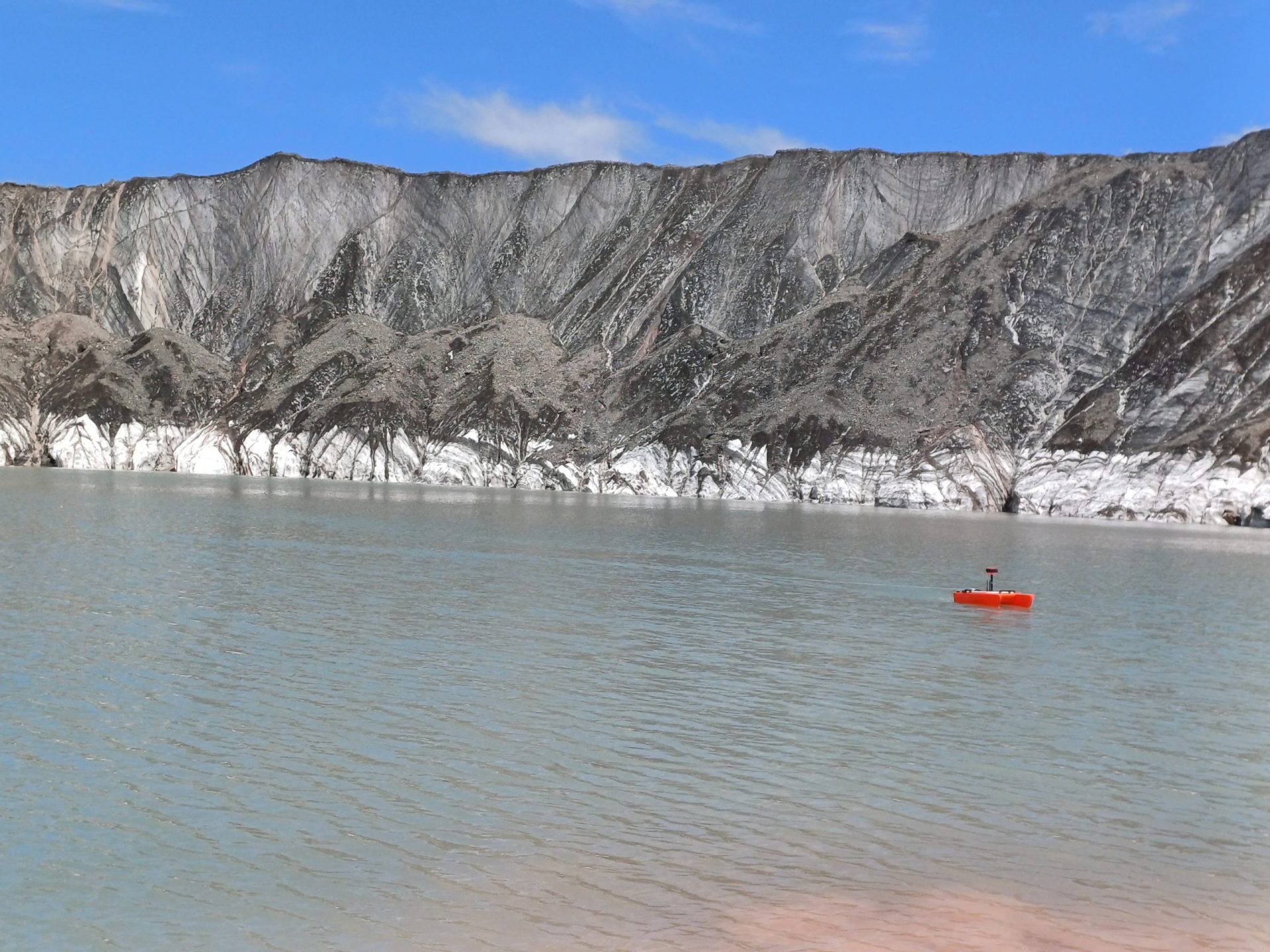
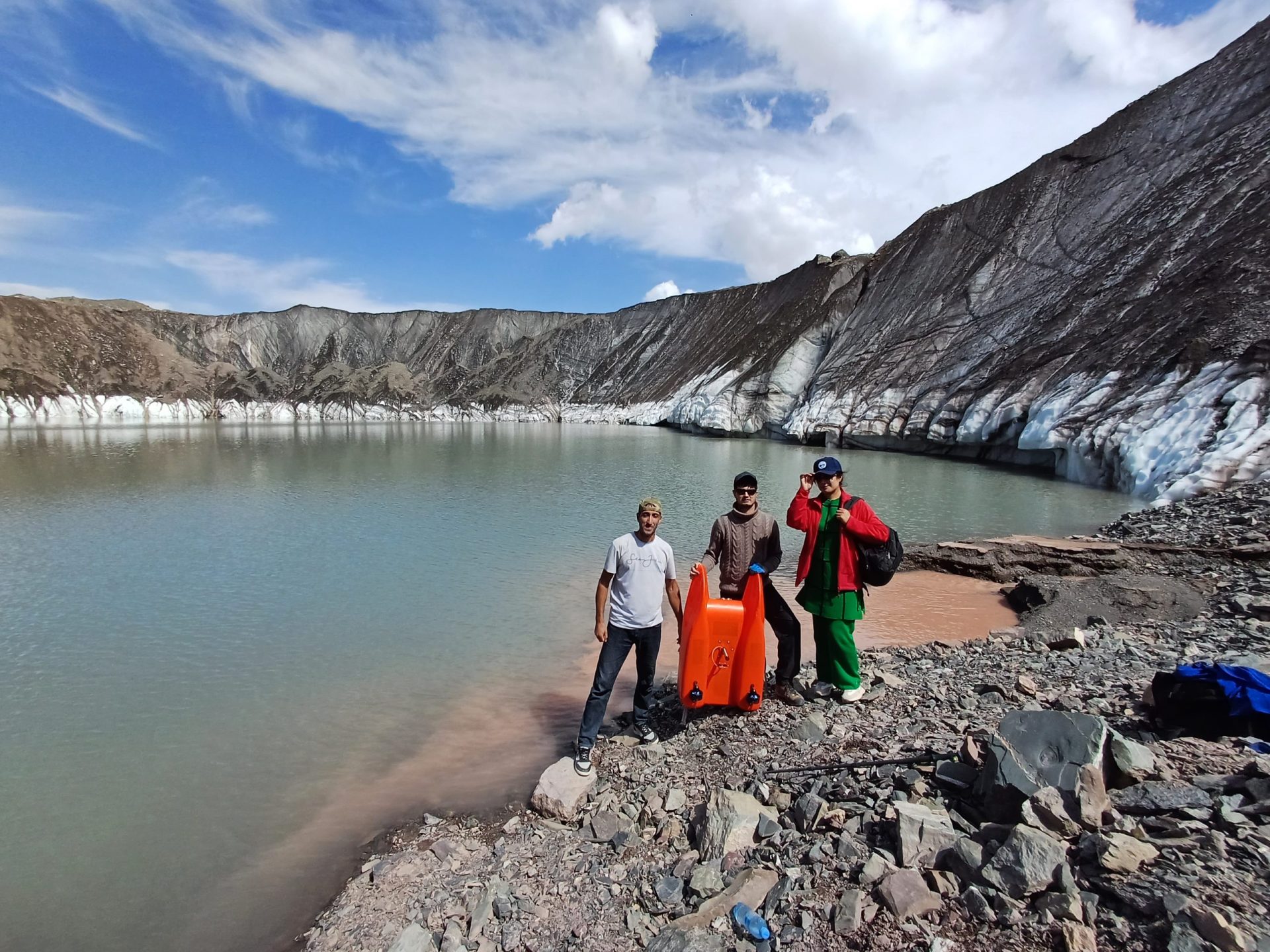
During the mission, the team focused on evaluating previously established monitoring sites. They utilized two new pieces of equipment: a bathymetric surveying boat and ground-penetrating radar. The remotely operated boat with a sonar was used to measure glacier lakes’ depth. The team successfully surveyed 2 lakes 43 and 45 meters deep, providing essential data on water volume and lake dynamics. Ground-Penetrating Radar was employed to measure the thickness of the glacier ice. Accurate ice thickness data is vital for predicting the potential growth of glacier lakes and their associated flood risks.

The fieldwork also included a capacity-building component, where Dr. Miles trained local scientists from the Centre for Glacier Research of the National Academy of Sciences of Tajikistan on the operation and applications of these new tools. This training ensures that the local team will be able to conduct future assessments and contribute to ongoing monitoring efforts.

Scouting for Early Warning System (EWS) Implementation

In addition to the assessment activities, the team scouted potential locations for implementing an EWS. This system aims to detect and provide timely alerts for impending floods. The scouting process involved evaluating geographical and technical factors to identify optimal sensor placement and communication infrastructure.

Baralmos glacier

Impact and Future Directions

The insights gained from this field visit will significantly contribute to the GLOFCA project. By enhancing our understanding of the Baralmos Glacier and its lakes, we can improve hazard prediction models and develop more effective mitigation strategies. Furthermore, the capacity-building efforts will strengthen local scientific capabilities, supporting long-term disaster risk reduction in the region.

The data collected and the knowledge shared during this mission will inform future research and aid in the development of resilient infrastructure and early warning systems, ultimately contributing to the safety and preparedness of communities in Tajikistan.

Evaluating Glacial Lake Outburst Floods: A Collaborative Study Presented at EGU24

Glacial lake outburst floods (GLOFs) are a significant hazard in the mountainous regions of Central Asia, posing serious risks to both natural environments and local communities. As part of the GLOFCA project, a recent study was conducted by a team of researchers from the University of Zurich and the University of Central Asia. Their findings, presented at the European Geosciences Union General Assembly 2024 (EGU24) in Vienna, offer valuable insights into cost-effective disaster risk management (DRM) strategies for these regions.

Study overview

The study “Modelling and evaluating GLOF risk management measures in the Kyrgyz Ala-Archa valley” was led by scientists Laura Niggli, Vitalii Zaginaev, Holger Frey, Simon Allen, and Christian Huggel. The team focused on the Ala-Archa catchment in the Kyrgyz range, south of Bishkek, Kyrgyz Republic, where they analyzed the effectiveness and cost-benefit of five potential GLOF DRM measures, which include:

  • Current state
  • Lake volume reductions
  • Extension of existing deflection dam
  • Increase height of retention dam and capacity of reservoir
  • Early Warning System (EWS)
  • Land use planning

Using the RAMMS debris flow software, the researchers simulated two GLOF scenarios to analyze the impact of each DRM measure on hazard and exposure. It formed the basis for the most efficient and effective GLOF risk reduction strategy.

Key Findings

One of the study’s key challenges was quantifying the additional costs — both monetary and non-monetary — associated with implementing complex non-structural GLOF DRM measures like early warning systems (EWS). The effectiveness and sustainability of these measures heavily depend on significant participation from local stakeholders, making the process resource- and time-intensive.

The cost-benefit analysis revealed that while simulations are effective in estimating impacts and costs, they are limited in assessing the benefits, particularly in terms of reducing vulnerabilities. The study advocates for a combination of DRM measures to achieve the most favorable cost-benefit ratio, addressing multiple risk components, including hazard, exposure, and vulnerability.

Presentation at EGU24

The research was showcased at EGU24, one of the larges geoscientific conferences in the World, during a poster session on “Natural Hazards, Vulnerabilities, and Risks in the Mountainous Regions”. It drew considerable interest from the scientific community, with active discussions on the study’s methodology, results, and implications for broader disaster risk management. The researchers emphasized that with the increasing number of glacial lakes and the associated risks linked to climate change, cost-effective GLOF DRM is becoming increasingly important. The study’s approach offers a valuable framework for applying DRM strategies in other mountainous catchments.

This study significantly contributes to our understanding the impacts of GLOF mitigation measures in Central Asia. The findings serve as a vital resource for decisionmakers in developing cost-effective DRM strategies for GLOF-risk regions.

For a more detailed look at the study, the full abstract is available online.

Research Mission to Assess Glacier Lake Outburst Flood Risks in Tajikistan

Date: 19-30 August 2024
Location: Dushanbe, Jirgatol, and Kyzylsu Lake, Tajikistan

As part of our ongoing efforts to mitigate the risks associated with Glacier Lake Outburst Floods (GLOFs) in Central Asia, we are excited to announce an upcoming research mission in Tajikistan. Led by the University of Zurich (UZH) scientist Dr. Evan Miles, this mission will take place from August 19 to 30, 2024. The mission aims to deepen our understanding of the hazards posed by glacier lake outburst floods, particularly those affecting the Baralmos Glacier.

Key Activities and Objectives

Meetings with Key Partners Dr. Evan Miles will commence his visit with crucial meetings involving key stakeholders, including Tajik Hydromet and the Tajik Academy of Sciences. These discussions will focus on enhancing collaboration and sharing insights on recent developments in glacier monitoring and risk assessment.

Field Activities A significant portion of the mission will be dedicated to fieldwork at the Baralmos Glacier and Kyzylsu Lake. Dr. Miles, along with local scientists, will engage in several critical activities:

  • Measuring Glacier Thickness: This involves detailed surveys to assess the glacier’s current thickness, providing data essential for understanding its stability and potential for future outburst floods.
  • Assessing Volume Changes in Glacier Lakes: The team will evaluate recent volume changes in the lakes that are causing annual floods, posing threats to local infrastructure, particularly a key road along the Vahksh River.
  • Reinstalling Pressure Transducers: To monitor water pressure and lake levels accurately, the team will reinstall and calibrate pressure transducers at strategic points around the glacier.
  • Bathymetric Surveys: These surveys will map the underwater topography of the glacier lakes, helping to predict future water displacement and flood patterns.
  • Downloading Rock Temperature Loggers: Data from these loggers will aid in understanding the thermal dynamics of the glacier environment, which is crucial for predicting melt rates and associated risks.
  • Ice Thickness Survey: Conducting a comprehensive ice thickness survey to gather more data on the glacier’s health and its potential impact on downstream areas.

Expected Outcomes

The mission is expected to yield critical insights into the current state of the Baralmos Glacier and its associated lakes. By measuring the glacier’s thickness and assessing lake volume changes, the team will be able to:

  • Improve Hazard Prediction: Enhance our understanding of the future risks posed by GLOFs, facilitating better hazard prediction models.
  • Develop Mitigation Strategies: Provide data that will inform the development of effective measures to mitigate the impacts of GLOFs on local communities and infrastructure.
  • Strengthen Local Collaboration: Foster stronger relationships with local scientific and governmental institutions to ensure that research benefits local stakeholders and supports regional resilience to climate-related hazards.

Next Steps

Post-mission, the findings will be compiled into a comprehensive report and shared with relevant stakeholders, including governmental agencies, developmental organizations, and research institutions. This will support informed decision-making and contribute to ongoing efforts to enhance climate resilience in Central Asia.

Meeting Advances Early Warning System for GLOFs in Kyrgyzstan

Local Support and Technical Challenges Discussed in Key Stakeholder Meeting

In a recent meeting, members of the GLOFCA team, partners, and stakeholders gathered to discuss the development of an Early Warning System (EWS) for Glacial Lake Outburst Floods (GLOFs) in Kyrgyzstan’s Ala-Archa National Park.

EWS Progress Shared

Laura Niggli and Holger Frey from UZH presented the current status of EWS planning to local representatives, including community leaders and National Park members.

Input from Stakeholders

The meeting provided a platform for stakeholders to share their insights on how to best alert residents, tourists, and dacha owners about potential GLOFs and debris flows.

Local Support Evident

Local organizations expressed strong interest in the EWS and warmly welcomed plans for its establishment, emphasizing the need for improved disaster preparedness.

Challenges Identified

The meeting also revealed technical and administrative questions that require resolution in the finalization of the EWS design.

Implications for Stakeholders

  • Local Communities: Local communities are integral to the success of the EWS and should stay engaged in its development to ensure their safety.
  • Local Research Institutes: Their expertise is crucial in shaping the EWS, and their involvement ensures regional knowledge is leveraged effectively.
  • Governmental Agencies Responsible for GLOFs: Government agencies should capitalize on local support and address technical and administrative challenges to enhance disaster preparedness. Their commitment is key to addressing specific hazards and enhancing preparedness at a governmental level.

Overall, the meeting signifies progress in EWS development and underscores the need for collaboration and problem-solving to protect Kyrgyzstan’s communities from GLOFs.

Collaborative Research Explores Hazards in Pamir Region, Aims to Improve Disaster Preparedness

In a recent expedition to the Pamir region, a team of researchers and agencies explored the beauty and hazards of the area, shedding light on crucial findings that have far-reaching implications.

Collaborative Research Efforts

Collaborative efforts involving the Aga Khan Agency of Habitat (AKAH), Tajik Hydromet, local research institutes, governmental agencies responsible for GLOFs, and the University of Zurich (UZH) marked the expedition. This synergy allowed for a comprehensive approach to understanding and addressing environmental risks in the region.

Local Insights

The team engaged with local communities, gaining valuable insights into their traditions, living conditions, and perceptions of risk. This local knowledge forms a crucial foundation for disaster preparedness and response.

Field Campaign Objectives

The expedition focused on assessing the susceptibility of lakes above the village of Varshedz to glacial lake outburst floods (GLOFs). Activities included data collection, bathymetric surveys, and the placement of temperature loggers.

Early Warning Systems (EWS)

Discussions with AKAH, Tajik Hydromet, local research institutes, and governmental agencies responsible for GLOFs experts explored the concept of a future Early Warning System (EWS). These discussions encompassed logistics, administrative, political, and technical considerations, laying the groundwork for effective inter-institutional collaboration and EWS implementation.

The findings of expedition resonate with various stakeholders:

  • Local Communities: The importance of local engagement and community knowledge in disaster preparedness is evident, emphasizing the need for communities to stay informed and involved.
  • Local Research Institutes: Collaboration with local research institutes ensures that regional expertise is leveraged to tackle environmental risks effectively.
  • Governmental Agencies Responsible for GLOFs: Involvement of governmental agencies responsible for GLOFs underscores the commitment to address these specific hazards and enhance preparedness at a governmental level. This collaborative research provides critical data for disaster management and planning, informing decisions related to risk mitigation.

Overall, this collaborative research initiative underscores the significance of scientific cooperation, local engagement, and the pursuit of effective Early Warning Systems to mitigate hazards and safeguard communities in the Pamir region.

Trends in Monitoring and Data Accessibility

Knowledge management is essential for effective disaster response, and GLOFCA is at the forefront. The World Water Development Report 2023 sheds light on innovative trends in monitoring and data accessibility, aligning with our mission to enhance early warning systems for glacial lake outburst floods in Central Asia.

Google’s Flood Forecasting Initiative

Google’s initiative, launched in 2018, demonstrates the power of data in crisis response. By collaborating with water commissions and using advanced flood prediction technology, Google sends accurate alerts to millions, visualizing potential flooding on Google Maps. This approach resonates with GLOFCA’s commitment to timely alerts and informed decision-making, reinforcing disaster resilience.

GloFAS and NASA’s Real-time Flood Mapping

Remote sensing from Earth observation, as highlighted by GloFAS and NASA’s systems, enriches flood awareness. Offering meteorological maps, early detection, and real-time data, these platforms echo GLOFCA’s emphasis on preparedness. Their data not only aids response during disasters but also supports recovery, aligning with our focus on data-driven solutions.

FANFAR Project

The FANFAR project’s regional approach to flood forecasting showcases the value of collaboration. In West and Central Africa, where climate change intensifies flooding risks, a network of disciplines collaborates to provide alerts via email and SMS. GLOFCA’s dedication to regional cooperation for Central Asia’s safety resonates with FANFAR’s cooperative spirit.

IFIS for Inclusive Decision-Making

The Iowa Flood Inundation System (IFIS) illustrates the importance of inclusive participation. By providing real-time data, maps, and holographic visualizations, IFIS empowers decision-makers and raises awareness. This aligns with GLOFCA’s focus on holistic approaches, ensuring all stakeholders are equipped with valuable insights.

As GLOFCA advances its objectives in glacial lake outburst flood management, these trends underscore the significance of accessible and accurate data. The World Water Development Report 2023 inspires us to harness innovative approaches in monitoring, setting the stage for a safer future in Central Asia.

Source: United Nations, The United Nations World Water Development Report 2023: Partnerships and Cooperation for Water. UNESCO, Paris.

GLOFCA Team Collaborates to Enhance Natural Hazard Management in Almaty Region

Kazakhstan, August 2023 

This summer, the Kazakh mountains have witnessed a period of heightened natural hazards, particularly from glacier lakes and slopes near Almaty city. Intense rainfall triggered mudflows that damaged roads and structures, though fortunately, no lives were lost. In a bid to fortify the region against such threats, the GLOFCA team visited Almaty in August 2023 to advance the design of an Early Warning System (EWS) and continue their project work.

Key Partnerships for Safer Environments

During this visit, Dr. Alessandro Cicoira engaged with crucial organizations. He was welcomed by the Institute of Geography and Water Security, the Glaciological Centre Under the Auspices of UNESCO, and the State Institute Kazselezashita. These collaborations form the backbone of efforts to improve hazard management.

Concrete Steps for Mitigation

Dr. Cicoira’s stay included productive interactions. At the Institute of Geography, Prof Akhmetkal Medeu and Mr. Nikolay Popov discussed plans for implementing new mitigation measures in Kazakhstan. These measures are designed to minimize risks and enhance protection.

Field Insights Inform Action

A thorough field visit, including a revisit to the Medeu dam and surrounding areas, allowed the GLOFCA team to gather critical data. Colleagues from the Kazselezashita institute, led by Deputy Head Mr. Murat Kassenov, provided valuable insights into potential installation locations. These insights will shape implementation proposals and be presented at an upcoming workshop.

Towards a Stronger Early Warning System

Local experts contributed actively to shaping the EWS design. Valuable input on logistics, administration, politics, and technical aspects of the system was provided by colleagues from local institutions. Their shared goal is to create a modern, robust, and sustainable early warning system that safeguards Almaty, the former capital city, for years to come.

Fostering Successful Cooperation

The visit’s intensity was a result of the strong partnership between the University of Zurich and local collaborators. This collaboration has been instrumental in the project’s progress. With this visit, the project enters a pivotal phase, focusing on planning and implementing active mitigation measures to address the risk of mudflows.

As the GLOFCA team captured crucial insights and fostered collaboration, they demonstrated the power of international cooperation in mitigating natural hazards. The journey to secure Almaty’s safety continues, with practical steps towards a resilient future.

For more information about the project and its progress: https://glofca.org/news/