GLOFCA in Tajikistan: strengthening an alternative road in Lakhsh district

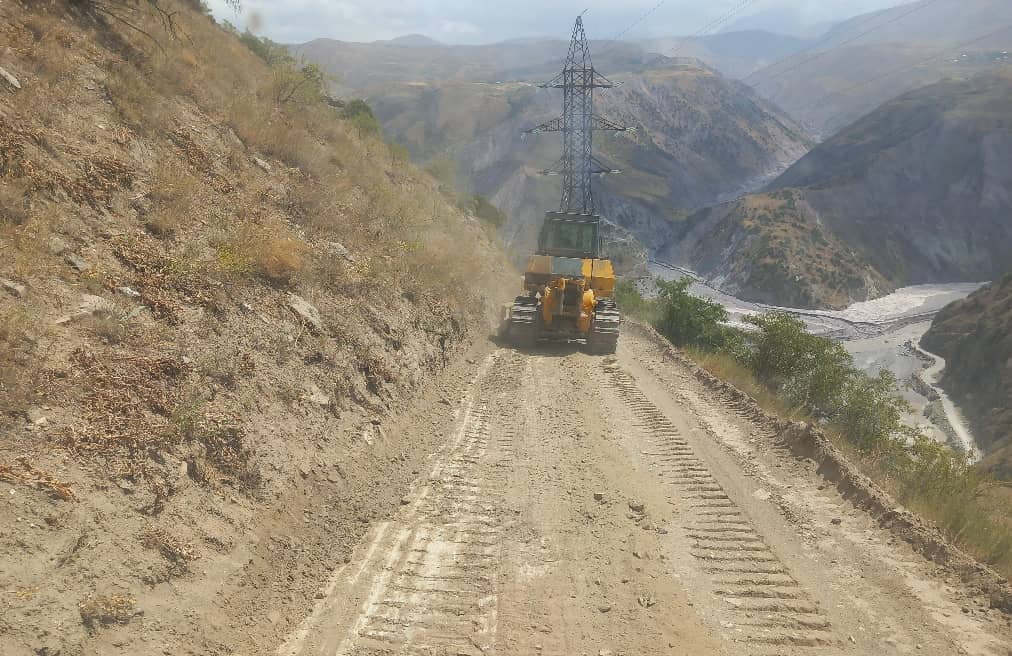
One of these measures focuses on improving an existing alternative road between the villages of Korvonguzar and Duagba, including widening the carriageway and laying a gravel surface.
Lakhsh district is classified as a high-risk area where mudflows, landslides and floods occur regularly. The upper parts of the district host several glacier lakes, including those located in the lower section of the Said Nafisi (formerly Baralmos) Glacier. Outbursts from these lakes periodically damage sections of the main road running along the Surkhob River.
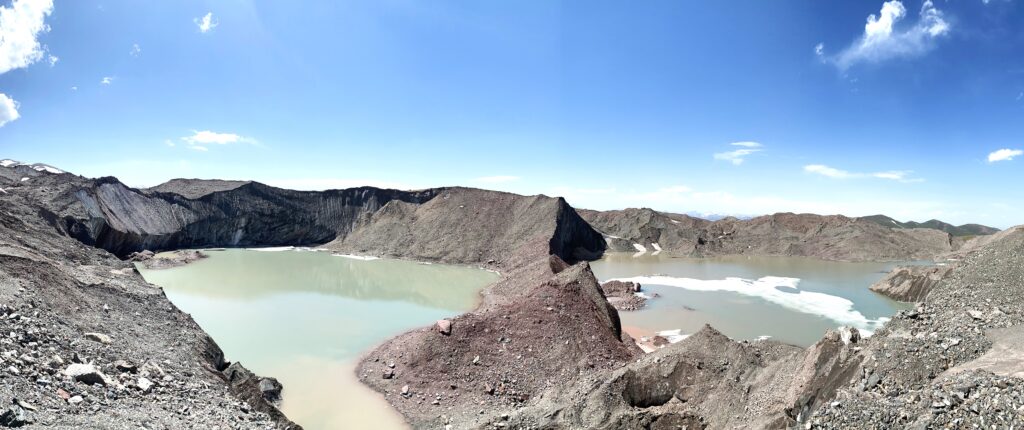
In such situations, the alternative road between Korvonguzar and Duagba remains the only transport link, providing access to medical and emergency services. It ensures connectivity for more than 20 settlements in Lakhsh district, with a total population exceeding 20,000 people, including communities in border areas with the Kyrgyz Republic. Previously, this route was in poor condition and did not provide reliable access, particularly during adverse weather conditions.
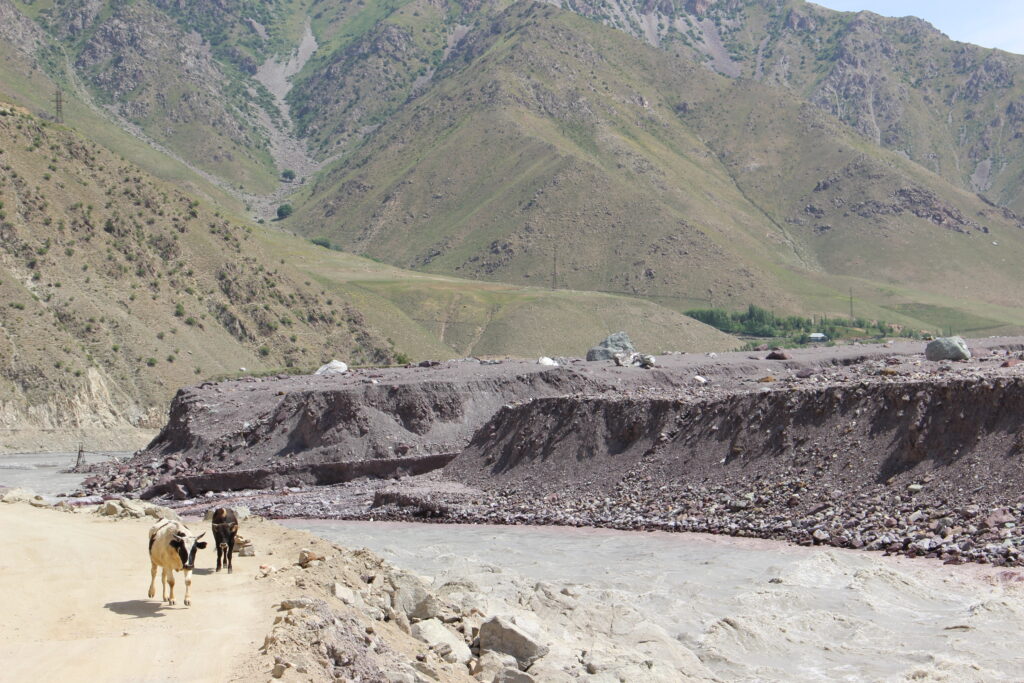
To improve safety and accessability, the GLOFCA project supported road improvement works. Prior to construction, specialists conducted an engineering assessment to identify sections most exposed to water impact and erosion. Then the road was widened, the surface levelled, and gravel laid on the most problematic sections. These measures aim to ensure more reliable, year-round access between settlements.
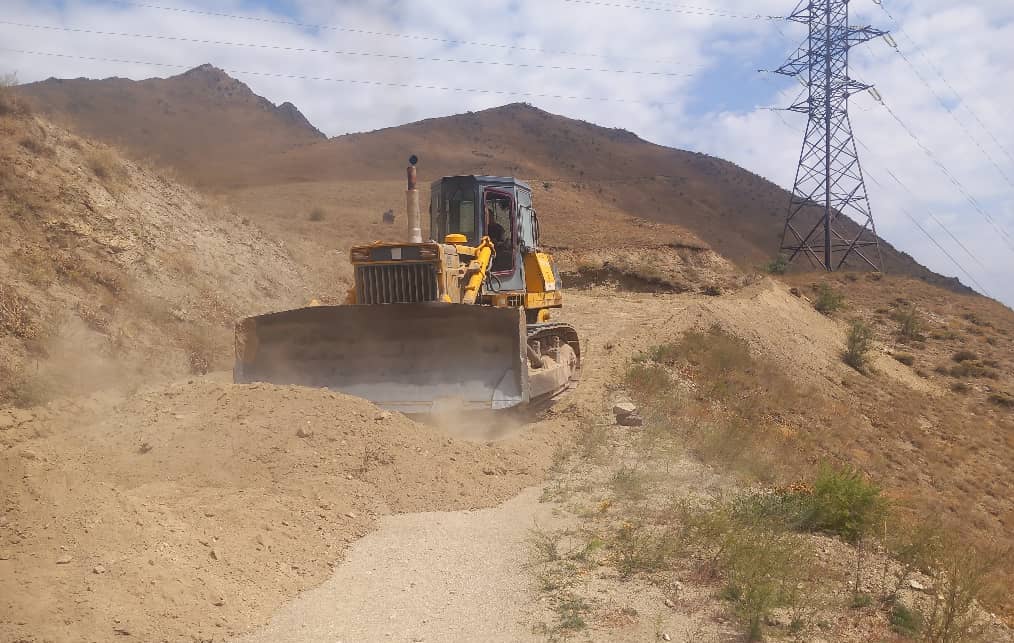
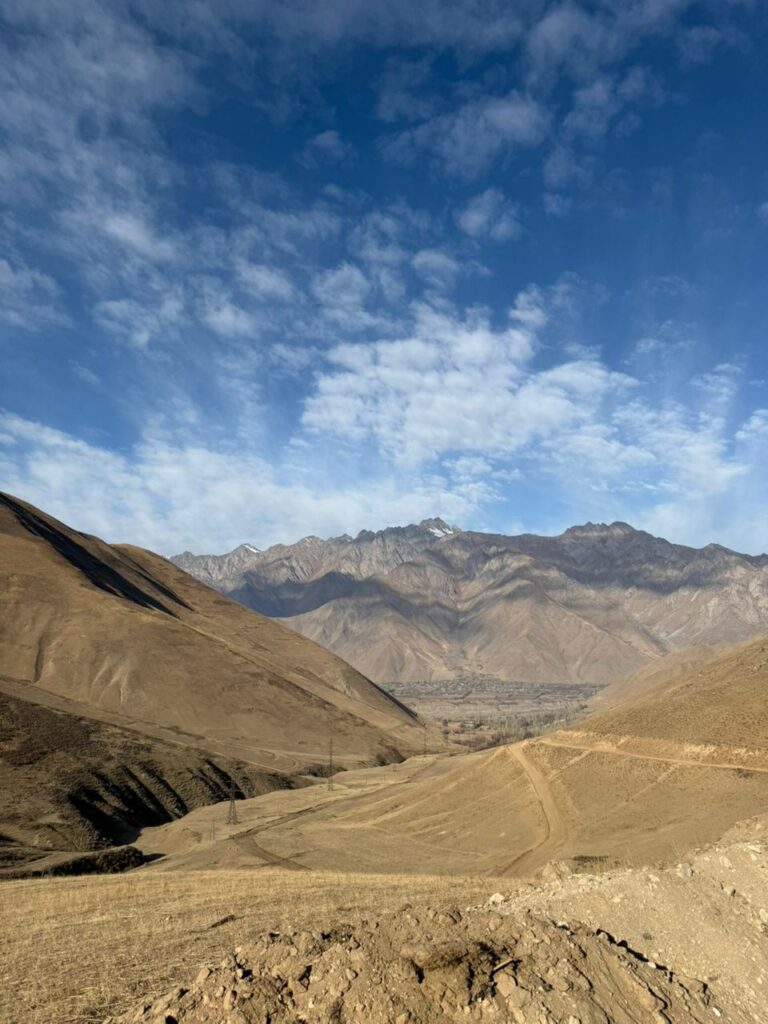
Further works are planned for vulnerable sections, including the installation of drainage structures to channel meltwater and rainwater and reduce the risk of road washout. Some additional measures are scheduled for the warmer season, when weather conditions will allow continued reinforcement of the route.
In spring, slope greening is also planned along the alternative road. Tree planting will help stabilize soils, reduce erosion, and increase the road’s resilience to water impacts, combining engineering solutions with nature-based approaches.
The works in Lakhsh district form part of the broader objective of the GLOFCA project to reduce climate-related risks by strengthening infrastructure and enhancing the resilience of communities living in high-mountain areas under changing climate conditions.
Read more

Online Side-Event: Regional Dialogue on Cryospheric Sciences in Central Asia

The GLOFCA Project Supports Construction of a Debris Diversion Channel in Tuura-Suu Village, Kyrgyz Republic
