An Automatic Weather Station Installed in Uzbekistan to Strengthen Monitoring in the Pskem Area

In Tashkent Region, Uzbekistan, the project “Reducing vulnerabilities of populations in Central Asia region from glacier lake outburst floods in a changing climate” (GLOFCA), implemented by UNESCO with support from the Adaptation Fund, has completed the installation of an automatic meteorological station near the village of Pskem — one of the project’s pilot sites.
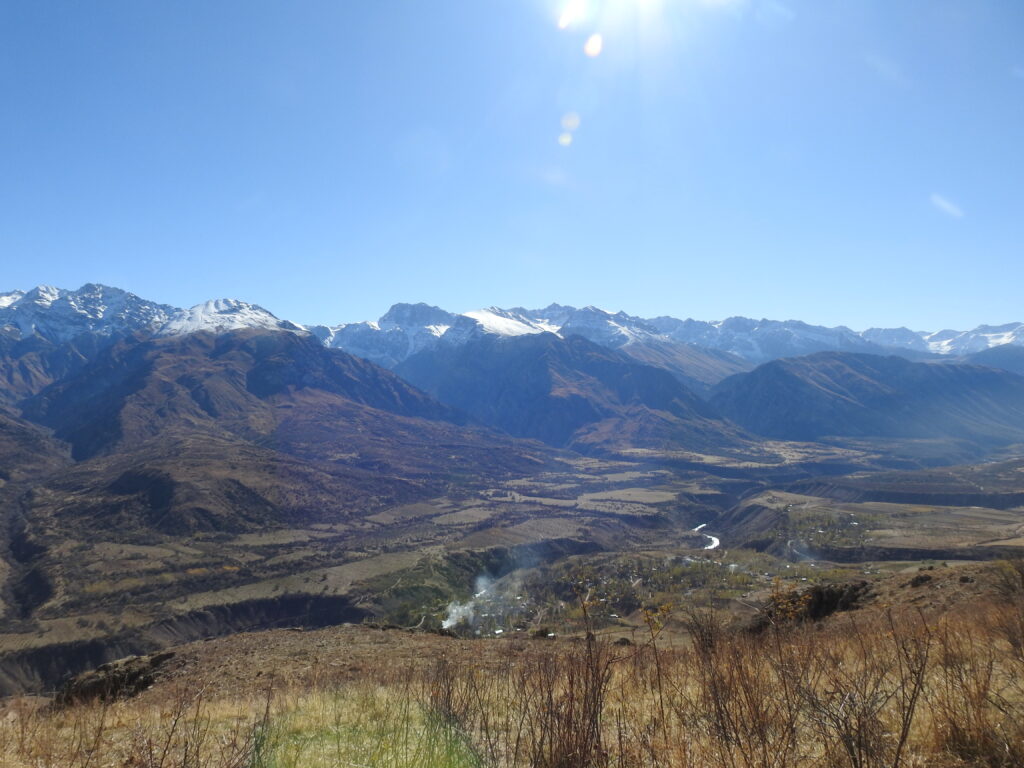
The Pskem area is a remote mountain region exposed to intense precipitation, debris flows, landslidesб and rockfalls. The upper reaches of the river contain glacial lakes, while mountain settlements, including Pskem and Tepar villages, as well as hydropower infrastructure, are located along the valley. In such conditions, a reliable monitoring system plays a crucial role in reducing risks.
To improve the quality of observations, a modern automatic station was installed, providing continuous data on temperature, humidity, precipitation, wind, solar radiation and soil conditions. This information is vital for assessing debris-flow and landslide hazards.
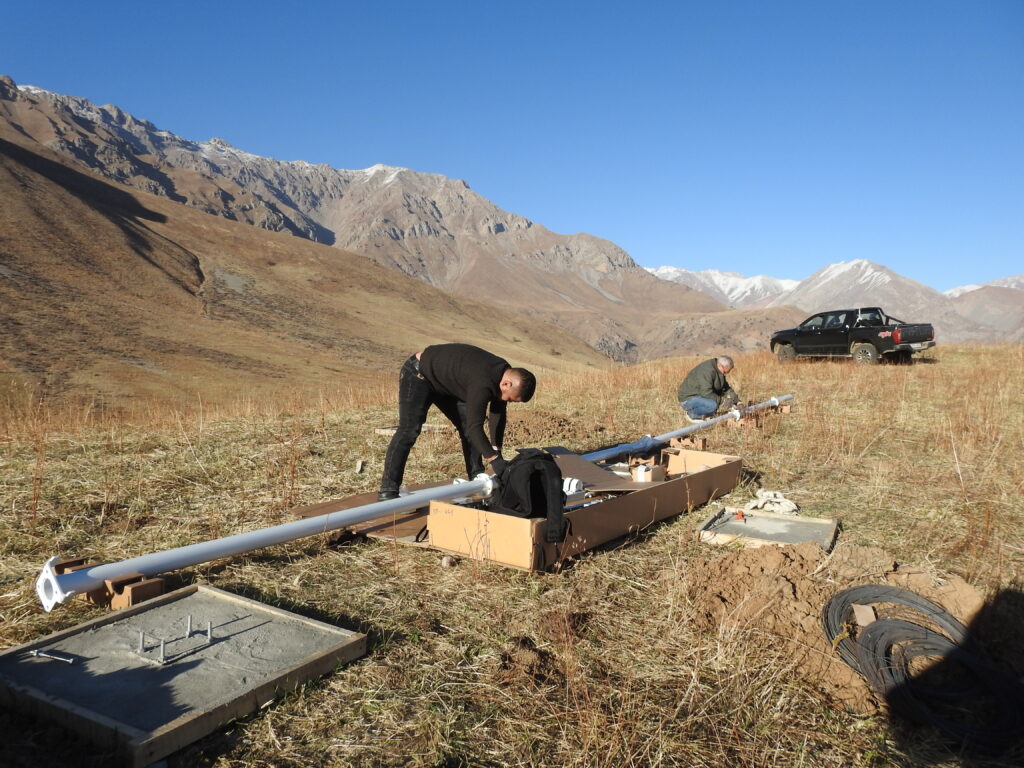
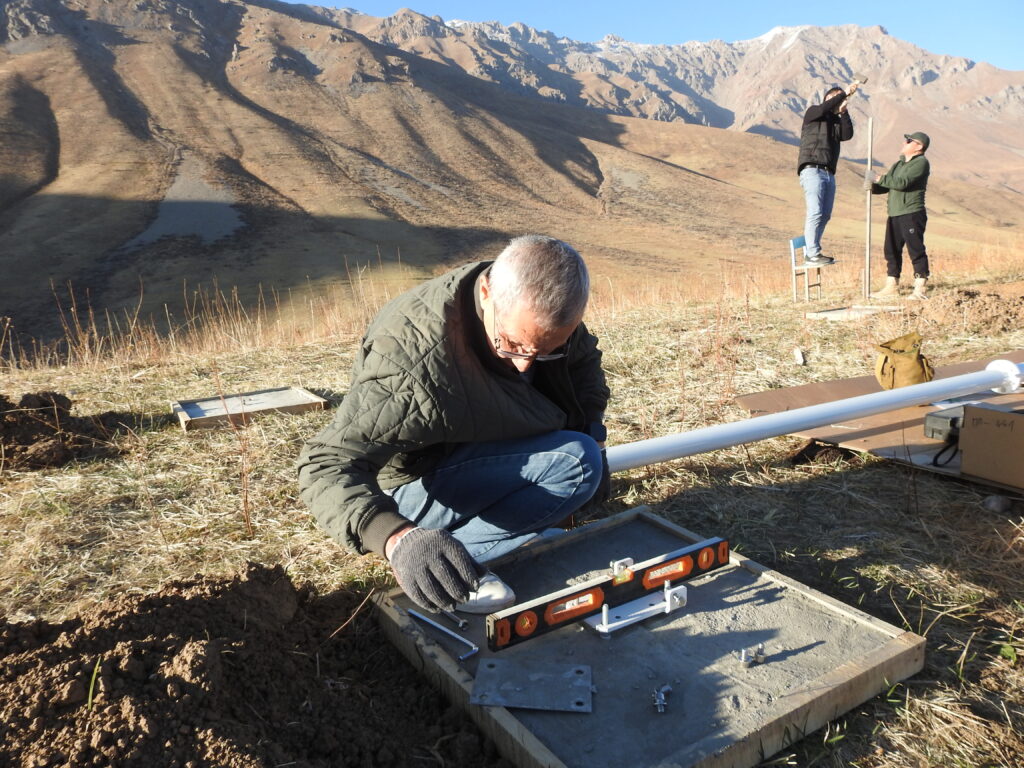
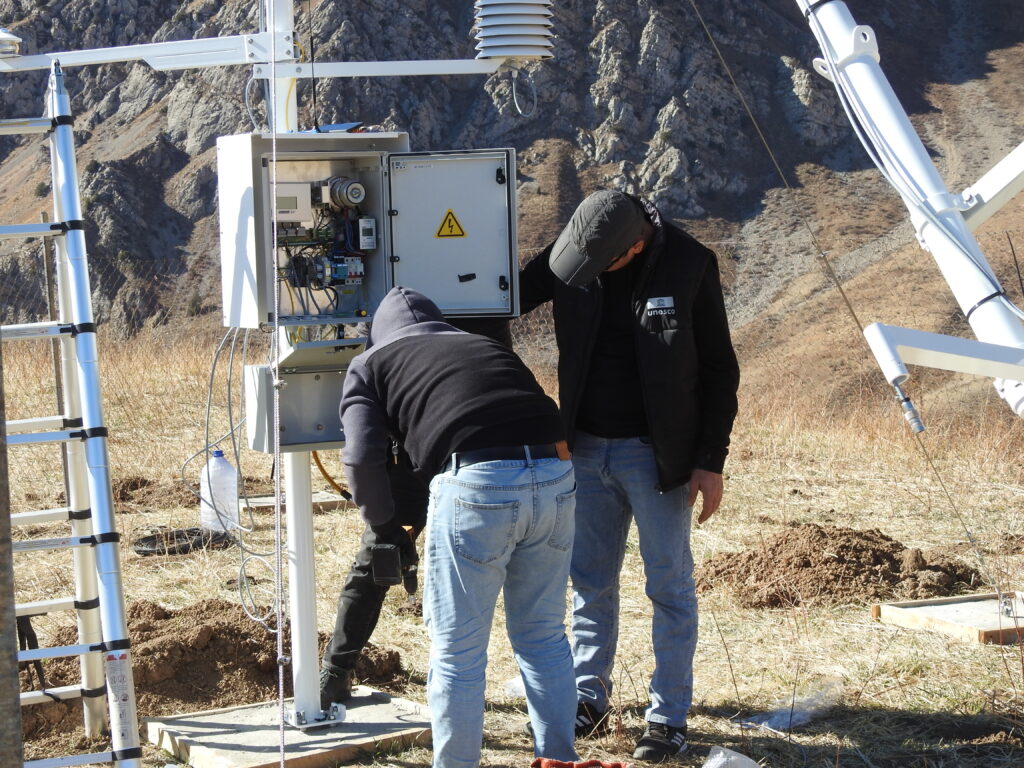
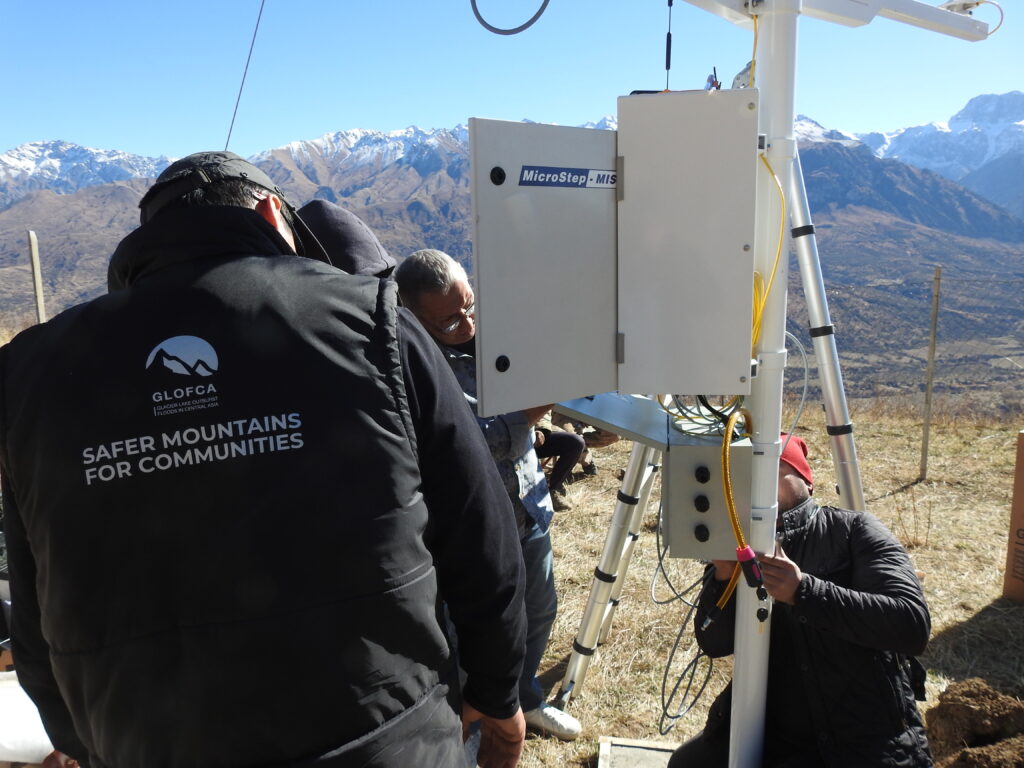
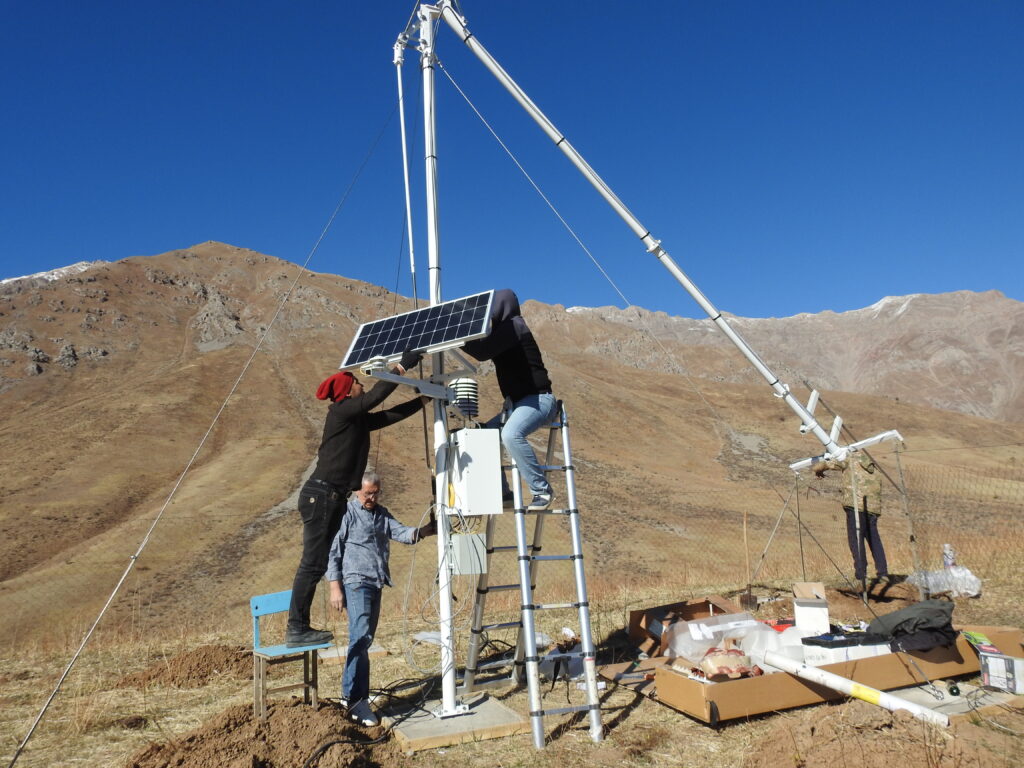
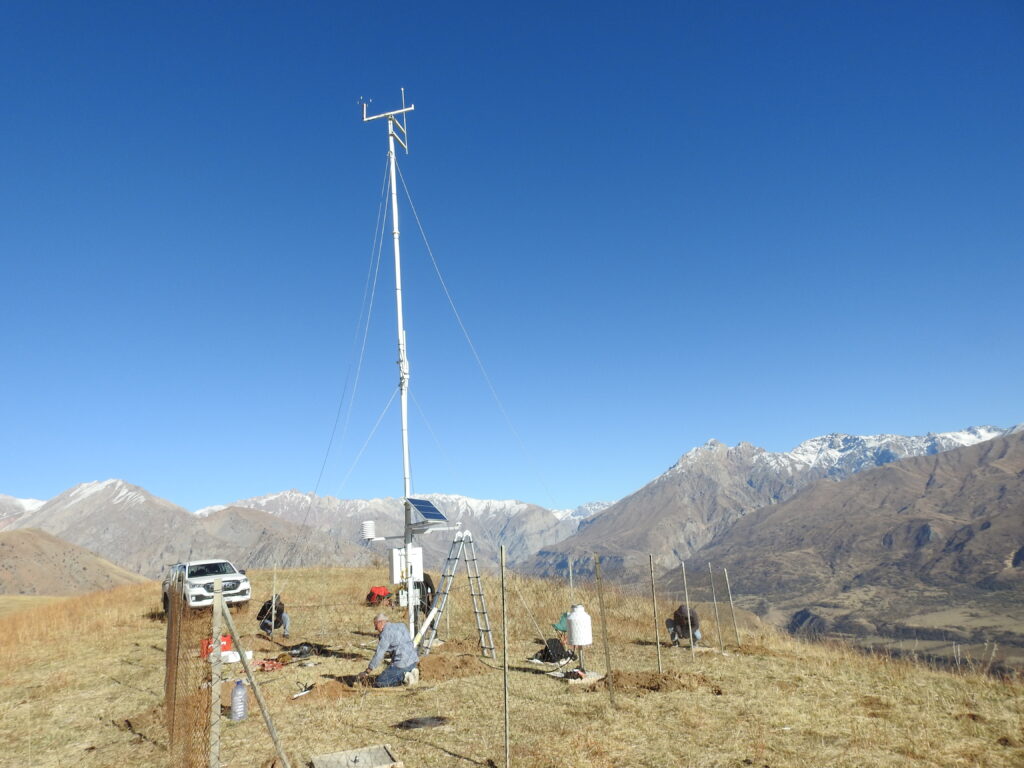
The installation was carried out by specialists of the H.M. Abdullaev Institute of Geology and Geophysics together with the Hydrometeorological Research Institute (NIGMI). After installation, the weather station was integrated into the Uzhydromet network and began transmitting real-time data.
The new station significantly strengthens the monitoring system in the Pskem area and provides national services with accurate information for risk management, contributing to greater safety for local residents and visitors to the region.
Read more

Online Side-Event: Regional Dialogue on Cryospheric Sciences in Central Asia

The GLOFCA Project Supports Construction of a Debris Diversion Channel in Tuura-Suu Village, Kyrgyz Republic
